Wilson’s plan emphasizes the importance of grassroots development and aims to create a robust pipeline for young talent. By investing in youth programs and partnerships with local clubs, the USSF seeks to ensure that soccer becomes a first-choice sport for children across the nation. This initiative aligns with the recent success of the US Women’s National Team, showcasing how youth engagement can lead to greater achievements on the international stage. The timeline for these initiatives is set to roll out over the next few years, with specific milestones targeted for 2026, coinciding with the FIFA World Cup hosted in the U.S.
In addition to youth development, Wilson highlighted the need for increased visibility and support for the national teams. The USSF plans to enhance marketing efforts and community engagement to foster a deeper connection between fans and players. This approach is designed not only to boost attendance at matches but also to build a loyal fan base that can sustain soccer’s growth in the U.S.
The current momentum in U.S. soccer is palpable, with recent successes in international competitions underscoring the potential for the sport to capture the hearts of a broader audience. As the USSF implements its strategic vision, the hope is to transform soccer into a cultural cornerstone for American families, aligning with the growing interest in the sport at all levels.
Historical background of soccer’s growth in America
Soccer has experienced a remarkable evolution in the United States, transitioning from a niche sport to one that garners significant attention and investment. In the early 20th century, soccer was primarily popular among immigrant communities, with clubs forming in urban areas. However, it wasn’t until the establishment of Major League Soccer (MLS) in 1993 that the sport began to gain a foothold in the mainstream American sports landscape.
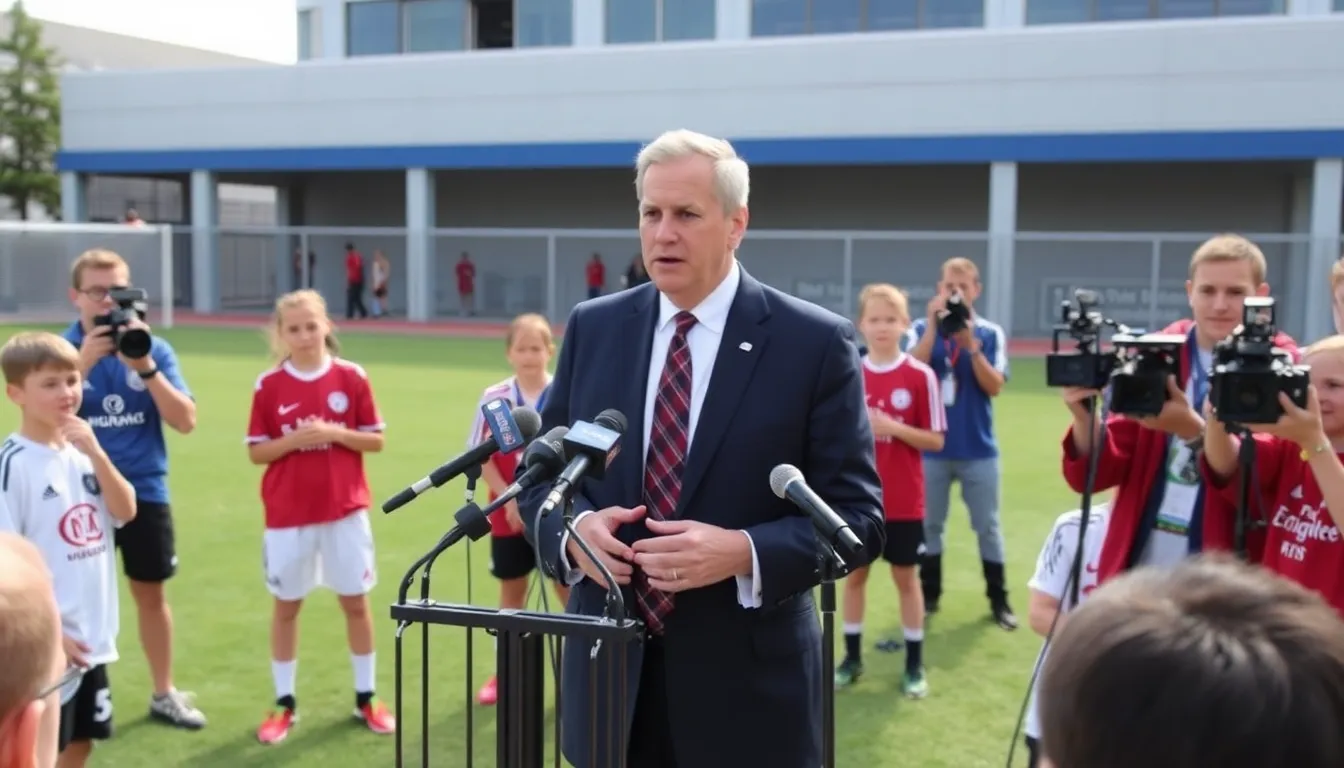
The 1994 FIFA World Cup, hosted by the U.S., marked a pivotal moment for soccer’s visibility in America. It not only showcased the sport to a wider audience but also catalyzed the development of youth programs and professional leagues. The success of the tournament ignited interest among fans and paved the way for increased participation at the grassroots level, particularly among children.
Key milestones in soccer’s rise
Several key milestones have contributed to soccer’s growth. The launch of the U.S. Women’s National Team (USWNT) and their triumph in the 1999 Women’s World Cup played a crucial role in elevating the sport’s profile. The USWNT’s success not only inspired a generation of female athletes but also highlighted the potential for soccer to become a leading sport for young girls in America.
In recent years, the rise of international soccer stars playing in MLS, coupled with increased media coverage and sponsorship deals, has further solidified soccer’s place in American culture. The growing popularity of youth soccer leagues and academies demonstrates a shift in perception, as parents increasingly view soccer as a viable option for their children compared to traditional American sports. This is further supported by initiatives like local community programs that foster young talent and encourage participation.
As the U.S. Soccer Federation (USSF) aims to position national teams as “America’s darlings,” the focus on promoting soccer as the top choice for kids reflects a broader strategy to capitalize on the sport’s momentum. By investing in youth programs and fostering a connection with families, the USSF hopes to ensure that soccer not only thrives but becomes synonymous with American youth culture.
Key stakeholders and their roles in promoting soccer
The landscape of soccer in the United States is shaped by various stakeholders, each with distinct interests and objectives. At the forefront is the United States Soccer Federation (USSF), led by its chief, who is tasked with implementing strategies to elevate soccer’s status in American culture. The USSF aims to make soccer the sport of choice for children across the nation, thereby increasing participation and viewership.
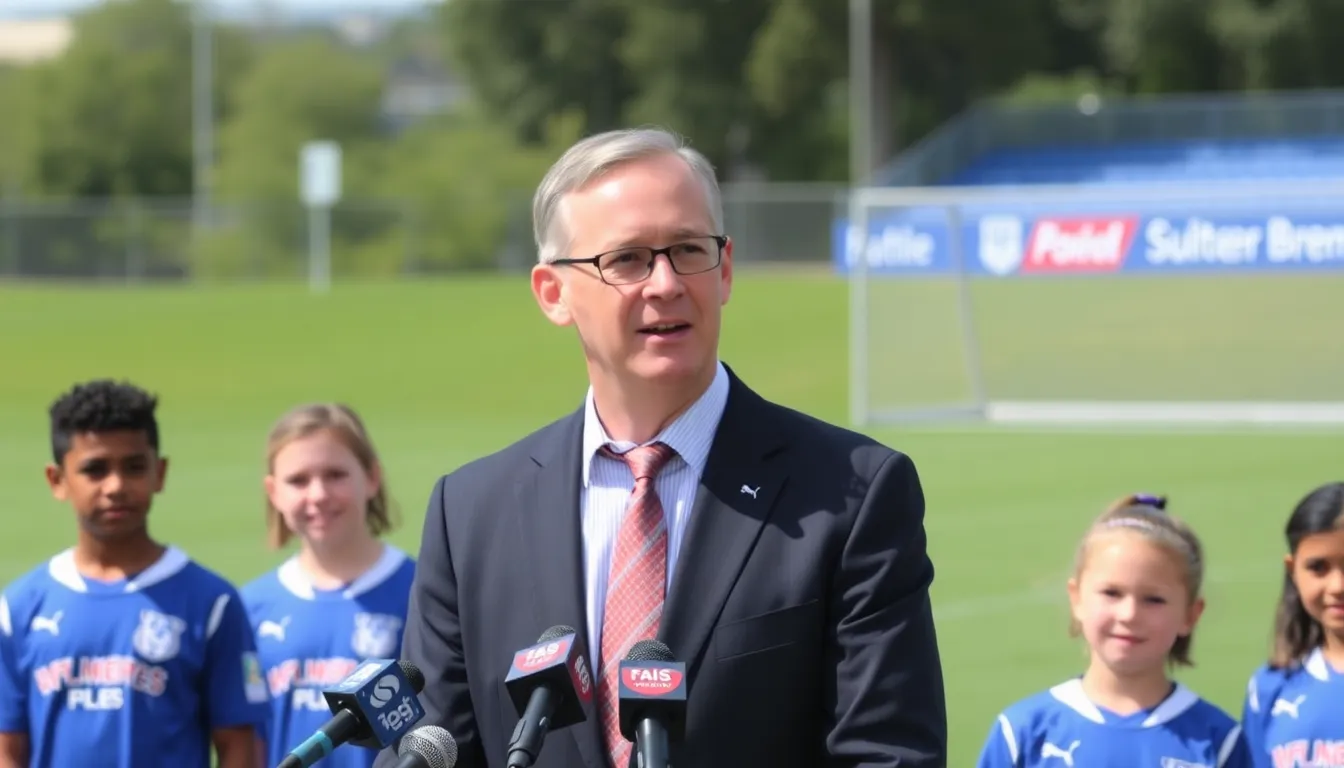
Another significant player in this ecosystem is Major League Soccer (MLS), which seeks to expand its fan base and enhance the overall soccer experience in the country. The league’s success is closely tied to the growth of youth soccer, as young players often transition to professional leagues. Additionally, youth soccer organizations and clubs play a crucial role by providing training and development opportunities for young athletes, fostering a love for the game from an early age.
Government entities also have a stake in this initiative, as promoting soccer can contribute to community development and public health. Local and state governments may support infrastructure projects, such as building soccer fields and facilities, to encourage youth participation. However, budget constraints and competing priorities can create conflicts over funding and resource allocation.
- USSF’s Vision: To position soccer as America’s premier sport for children.
- MLS Growth Strategies: Expanding the league’s reach and enhancing fan engagement.
- Youth Soccer Organizations: Providing essential training and nurturing talent.
- Government Support: Investing in infrastructure to boost youth participation.
- Economic Considerations: Balancing funding for soccer initiatives with other community needs.
Conflicts may arise between the interests of these stakeholders, particularly regarding resource allocation and the direction of soccer’s development. For instance, while the USSF may prioritize national team success, MLS might focus on commercial viability and fan engagement. Additionally, the legal landscape surrounding youth sports, including issues related to safety and equity, can complicate efforts to promote soccer at the grassroots level.
Potential effects on youth participation and fan engagement
The plan set forth by the USSF chief aims to position soccer as the premier sport for children across the United States. This initiative is likely to have a significant impact on various groups, including youth athletes, families, local sports organizations, and educational institutions. As soccer becomes more popular, we can expect an increase in youth participation rates, leading to a broader base of young players and fans.
In the short term, the initiative may lead to an increase in enrollment in youth soccer programs, as families seek to engage their children in a sport that is gaining national attention. Local clubs and leagues may experience a surge in membership, resulting in a boost for local economies that rely on sports programs. Schools may also see a rise in soccer-related activities, potentially leading to more funding for sports programs and facilities.
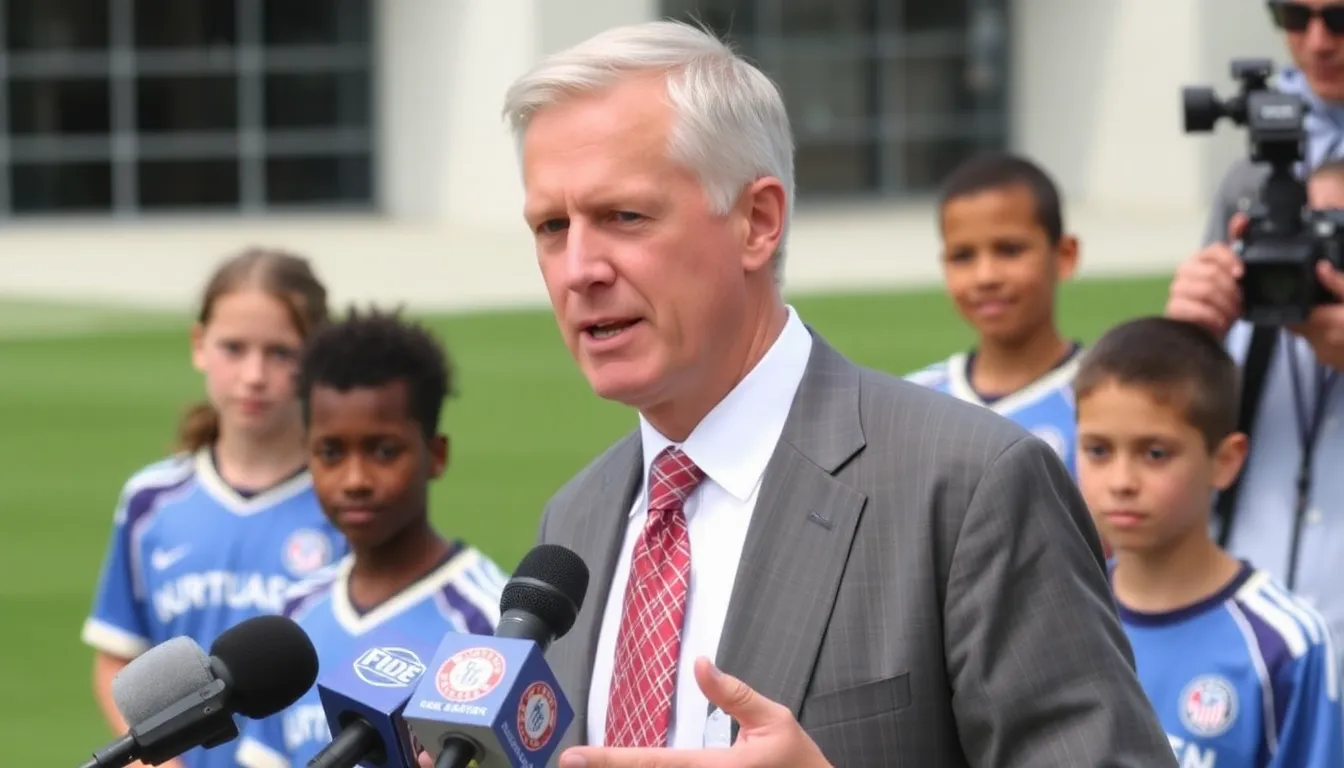
Mid-term impacts could include a shift in how soccer is perceived in American culture. As the sport gains traction, businesses related to soccer, such as equipment manufacturers, apparel brands, and sports marketing agencies, may see growth opportunities. Additionally, media coverage of soccer may increase, further enhancing its visibility and attractiveness to sponsors and advertisers.
- Increased youth participation in soccer programs.
- Growth in local sports economies and related businesses.
- Enhanced media coverage and sponsorship opportunities.
- Potential shifts in school sports funding and resources.
However, there are risks associated with this ambitious plan. If the expected growth in participation does not materialize, it could lead to disillusionment among stakeholders and a potential decline in investment. Additionally, there may be challenges in ensuring that the sport remains accessible and inclusive for all children, regardless of socioeconomic background. Addressing these challenges will be crucial to sustaining momentum and ensuring that soccer truly becomes America’s favorite pastime for the youth.
A: The main goal is to make national soccer teams favorites among fans and to position soccer as the leading sport for children in the U.S. A: The USSF plans to implement grassroots programs, enhance youth leagues, and increase visibility of national teams through marketing initiatives. A: The initiative aims to boost youth participation by making soccer more accessible and appealing to children and their families. A: Yes, the plan includes developing training programs for coaches and creating partnerships with schools to promote soccer. A: Success will be measured through increased youth enrollment in soccer programs and enhanced attendance at national team games.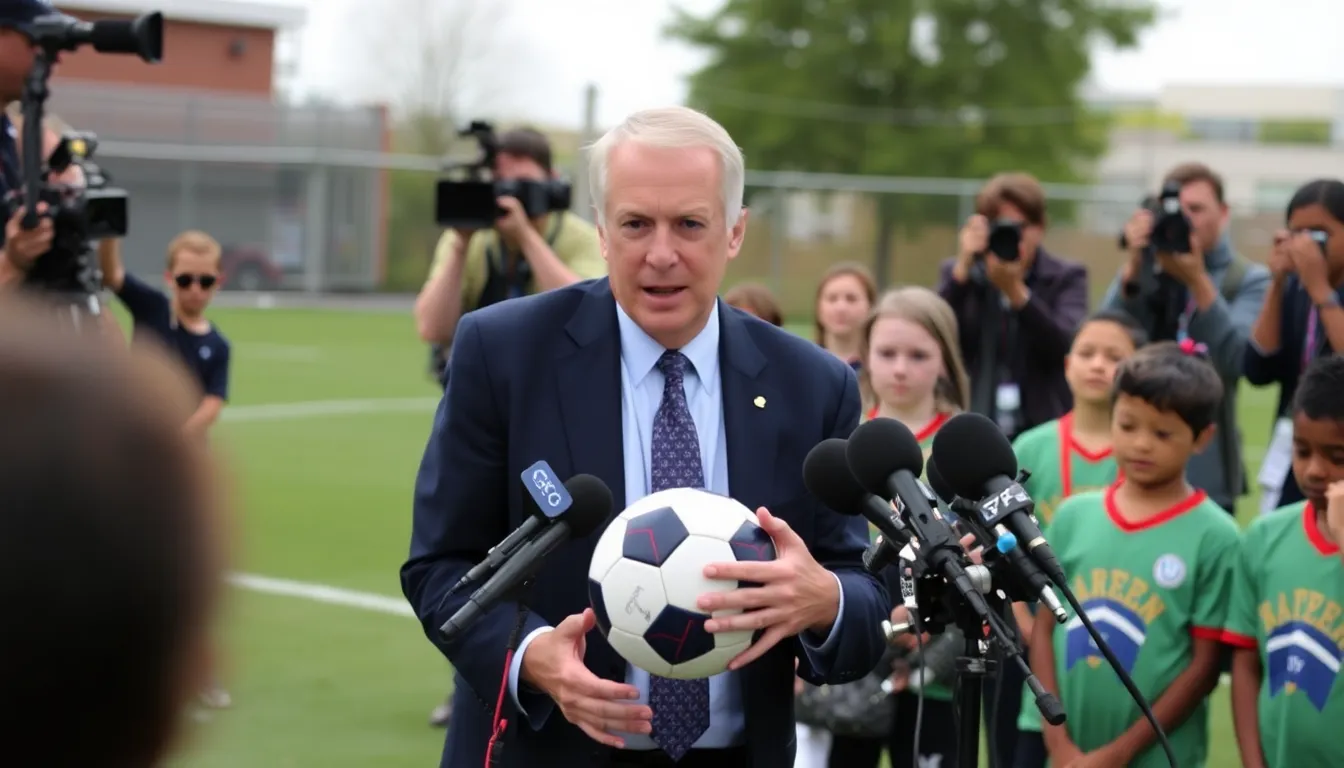
Frequently asked questions about the USSF plan
Future outlook for soccer in the United States
The recent vision articulated by the USSF chief signals a transformative era for soccer in the United States, emphasizing the need for national teams to become beloved icons and positioning soccer as the premier sport for children. This ambitious plan aims to harness the growing interest in soccer, particularly among youth, and establish a more robust infrastructure to support the sport at all levels.
As the USSF works towards these goals, several key factors will play a pivotal role in shaping the future landscape of soccer in the country. The focus on grassroots development, community engagement, and enhanced visibility of national teams will be essential in fostering a new generation of soccer enthusiasts.
- Investment in youth programs: Increased funding and resources for grassroots soccer initiatives will be crucial to attract and retain young players.
- Community outreach: Building strong ties with local communities can enhance support for national teams and create a culture of soccer.
- Media engagement: Strategic partnerships with media outlets will be important to elevate the profile of soccer and ensure wider coverage of national teams.
- International competitions: Success in international tournaments can galvanize interest and support for soccer, making it a more prominent choice for youth.
- Collaboration with clubs: Working closely with professional clubs to align development pathways can create a seamless transition for young players into higher levels of competition.