The introduction of the injury substitute rule allows teams to replace a player who is unable to continue due to injury. This change aims to enhance player welfare and maintain the competitive integrity of matches. Essex’s decision to implement this rule reflects a broader trend in cricket towards adapting to modern challenges faced by players.
This moment not only highlights Essex’s proactive approach but also sets a precedent for other teams in the County Championship to follow suit.
The use of an injury substitute has been a topic of discussion among cricket officials and fans alike, as it could potentially reshape strategies and team dynamics in future matches. As the sport evolves, the implications of this rule change may lead to further adjustments in how teams manage their rosters and respond to on-field injuries.
Understanding the rules surrounding injury substitutes in cricket
The introduction of injury substitutes in cricket has been a significant development in the sport, particularly in the context of player welfare and the integrity of the game. Traditionally, once a player was named in the starting XI, they were expected to complete the match, regardless of any injuries sustained. This often led to teams being at a disadvantage, with injured players unable to perform at their best or, in some cases, unable to participate at all.

This change was primarily aimed at ensuring that teams could field a full side, thus maintaining the competitive nature of the game, similar to the recent adaptations in other sports.
Key Milestones in Injury Substitute Regulations
In 2021, the ICC expanded these regulations to include the provision for a player to be replaced by a substitute if they suffered a serious injury that prevented them from participating in the match. This marked a pivotal shift in the rules, allowing for a more flexible and player-centric approach to managing injuries. The introduction of this rule was influenced by various factors, including the increasing awareness of player safety and the need for teams to adapt to unforeseen circumstances during matches.
Essex’s recent use of the first injury substitute in County Championship history is a landmark event that highlights the practical application of these regulations at the domestic level. The decision to implement this rule in County Cricket reflects a broader trend in the sport, where player safety and strategic gameplay are being prioritized. This milestone not only showcases Essex’s proactive approach but also sets a precedent for other counties to follow in ensuring that the integrity of the game is upheld while accommodating the realities of player injuries.
As the rules surrounding injury substitutes continue to evolve, it is essential for both players and teams to stay informed and adapt to these changes. The ability to replace an injured player not only enhances the fairness of competition but also underscores the cricketing community’s commitment to prioritizing the health and well-being of its athletes.
The implications of injury substitutes for teams and players
The introduction of the first injury substitute in County Championship history by Essex marks a significant shift in the rules governing cricket. This change not only affects the teams involved but also has broader implications for players, coaches, and the governing bodies of the sport.

One of the primary stakeholders in this scenario is the England and Wales Cricket Board (ECB), which oversees the regulations and rules of cricket in England. Their interest lies in maintaining the integrity of the game while also adapting to modern demands, such as player welfare and injury management. The ECB’s decision to allow injury substitutes aims to enhance the game by ensuring that teams can field competitive sides, even when players are injured.
However, this introduces potential conflicts with traditionalists who may argue that the essence of the game is being altered, underscoring the need for a balance similar to the changes in AFCON regulations.
- Player welfare: The allowance of injury substitutes can lead to better management of player health, reducing the risk of long-term injuries.
- Competitive balance: Teams may feel more empowered to take risks with player selection, knowing they can replace injured players without compromising their chances of winning.
- Economic implications: The financial impact of potential injuries on team performance and subsequent revenues could be significant, influencing decisions on player contracts and team investments.
- Legal considerations: The implementation of injury substitutes may require adjustments to existing contracts and agreements, prompting discussions about liability and player rights.
Ultimately, the introduction of injury substitutes is a complex issue that intertwines various interests and concerns. As teams adapt to this new rule, the ongoing dialogue among stakeholders will shape the future of cricket in the County Championship and beyond.
How this change affects the dynamics of County Championship matches
The introduction of the first injury substitute in County Championship history by Essex marks a significant shift in how teams manage player injuries during matches. This change primarily affects players, coaches, and support staff within the cricketing community, as well as fans who follow the sport closely.
In the short term, teams may experience a shift in strategy as they adapt to the new rules. Coaches will need to consider the implications of having an additional player available, which could lead to more aggressive tactics on the field. For players, the ability to substitute an injured teammate may alleviate some pressure, knowing that their team can maintain competitive strength despite injuries.

Mid-term impacts could extend beyond the pitch, influencing how teams approach player fitness and health management. With the possibility of substitutions, there may be a greater emphasis on injury prevention and recovery protocols. This could lead to increased investment in sports science and medical staff, ultimately benefiting players’ long-term health.
- Players: Enhanced support during matches, reducing the risk of long-term injuries.
- Coaches: Opportunities to innovate strategies and adapt to real-time game conditions.
- Fans: Increased excitement and engagement as teams can maintain competitiveness.
- Clubs: Potential for improved performance and marketability through strategic player management.
However, there are risks associated with this change as well. Teams might become overly reliant on substitutions, potentially leading to complacency in player fitness. Additionally, the introduction of injury substitutes could spark debates over fairness and the integrity of the game, particularly if teams exploit the rules to gain an advantage.
A: An injury substitute allows a team to replace a player who is unable to continue due to injury. This rule aims to ensure that teams can maintain competitive balance during matches. A: Traditional substitutions in cricket are not allowed, but the injury substitute rule provides a specific exception for players who are genuinely injured during a match. A: The injured player must be assessed by a medical professional, and the substitute must be approved by the match officials. The substitute can only be used if the injury occurs during the match. A: Yes, similar rules have been applied in various formats of cricket, including international matches, to enhance player welfare and match integrity. A: Teams may adjust their strategies to account for the possibility of using an injury substitute, potentially leading to more flexible team compositions and game plans.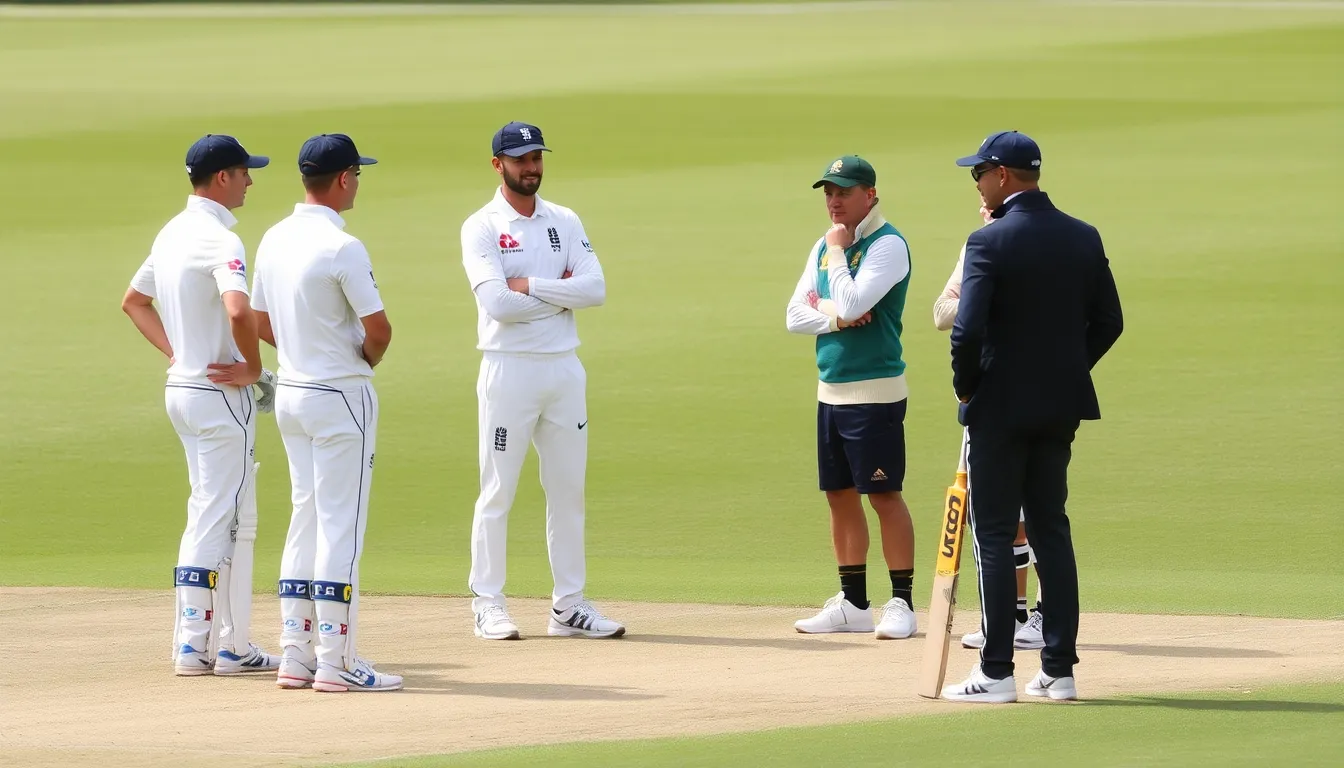
Frequently asked questions about injury substitutes in cricket
Key takeaways and future outlook on injury substitutes in cricket
The introduction of injury substitutes in the County Championship marks a significant evolution in the management of player welfare and match integrity. Essex’s pioneering use of this rule not only sets a precedent for other teams but also prompts a reevaluation of existing protocols regarding player injuries. This development could lead to a more strategic approach in team selections, allowing coaches to consider the long-term fitness of players without compromising the competitiveness of matches.
As teams adapt to this new rule, it will be essential to monitor how frequently substitutes are utilized and the impact they have on match outcomes. This could influence coaching strategies and player training regimens, as teams may prioritize depth in their squads to better handle unforeseen injuries during critical matches.
- The effectiveness of injury substitutes will likely encourage other leagues to consider similar rules, potentially transforming the landscape of cricket worldwide.
- Teams may invest in deeper rosters and enhanced medical staff to better prepare for injuries, influencing recruitment strategies.
- Coaches will need to balance immediate match needs with long-term player health, leading to more nuanced decision-making.
- Fans and analysts will be keen to observe how the introduction of substitutes affects the dynamics of play and overall match strategies.