By fostering an inclusive environment, the AFC seeks to increase female representation at all levels of the game, which is crucial for the growth of women’s football in Asia.
Notable figures in women’s football, including national team coaches and female footballers, attended the launch event, underscoring the significance of collaborative efforts in promoting women’s participation. The AFC has set ambitious targets to ensure that women’s football receives the necessary attention and investment it deserves.
This initiative comes on the heels of the AFC Women’s Asian Cup, which showcased the rising talent and popularity of women’s football in the region. By implementing this programme, the AFC hopes to build on the momentum generated by recent tournaments and inspire a new generation of female athletes.
Understanding the significance of empowering women in sports
The empowerment of women in sports has gained momentum over the past few decades, reflecting broader social and political changes across the globe. Historically, women have faced significant barriers to participation in sports, often relegated to the sidelines due to societal norms and gender stereotypes. The fight for gender equality in sports is not just about participation; it encompasses leadership roles, media representation, and equal pay, all of which are crucial for creating a more inclusive sporting environment.
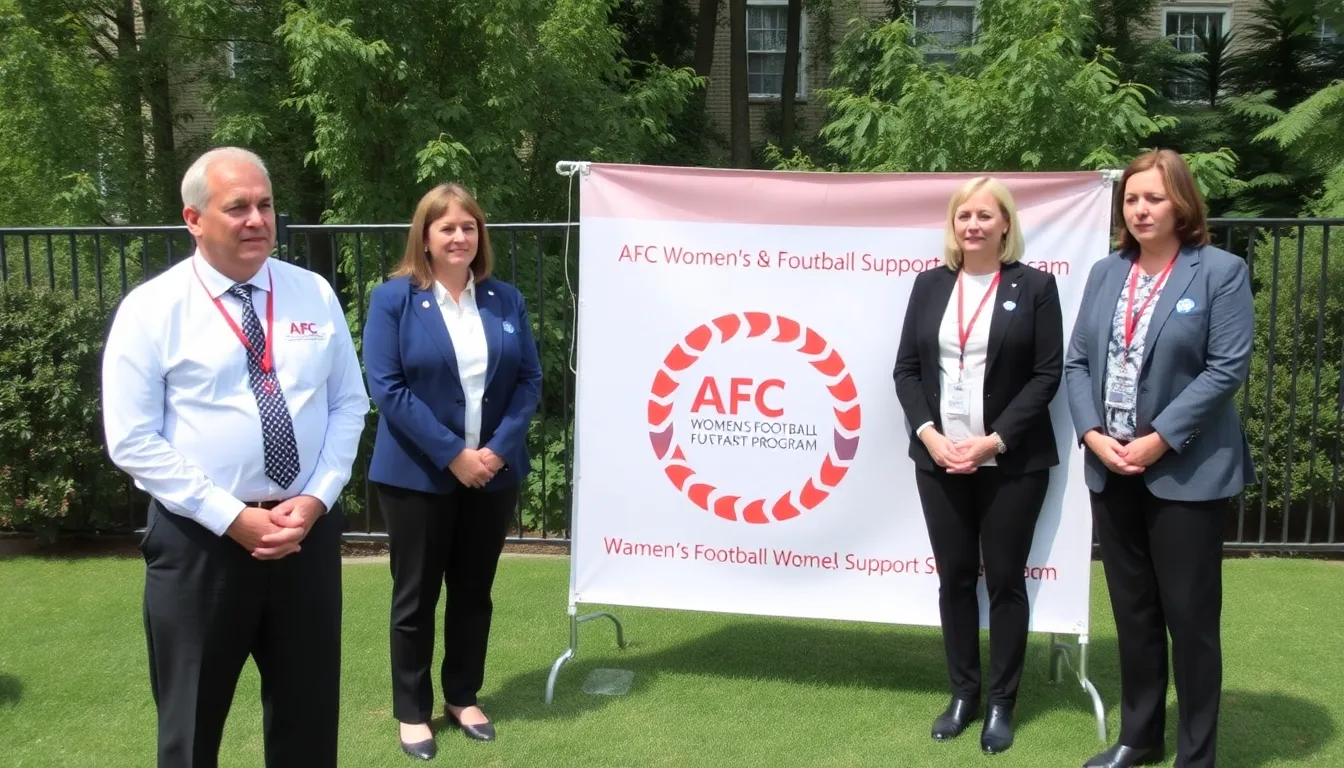
This program aims to provide women with the skills, knowledge, and resources needed to thrive in football, both on and off the pitch, aligning with the importance of investing in women’s sports.
Key milestones in women’s sports
Several key milestones have marked the journey towards empowering women in sports. The establishment of Title IX in the United States in 1972 was a landmark moment that prohibited gender discrimination in federally funded education programs, including athletics. This legislation led to a significant increase in female participation in sports at all levels. Additionally, the FIFA Women’s World Cup, first held in 1991, has grown in prominence, showcasing female talent and inspiring future generations of female athletes.
The AFC’s second Empowering Women in Football Programme is a continuation of these efforts, aiming to build on past successes and create a more equitable future for women in football across Asia.
Key stakeholders and issues surrounding women’s football development
The launch of the second Empowering Women in Football Programme by the Asian Football Confederation (AFC) marks a significant step forward in promoting gender equality within the sport. This initiative involves multiple stakeholders, including national football associations, local clubs, women’s advocacy groups, and governmental bodies. Each of these actors has distinct interests that influence the development of women’s football.
National football associations are primarily focused on increasing participation rates and enhancing the quality of women’s leagues. Their interests often align with the AFC’s objectives to elevate the profile of women’s football, yet they may face challenges in securing funding and resources. Local clubs, on the other hand, are concerned with grassroots development and the need for training facilities, coaching staff, and competitive opportunities for female players.
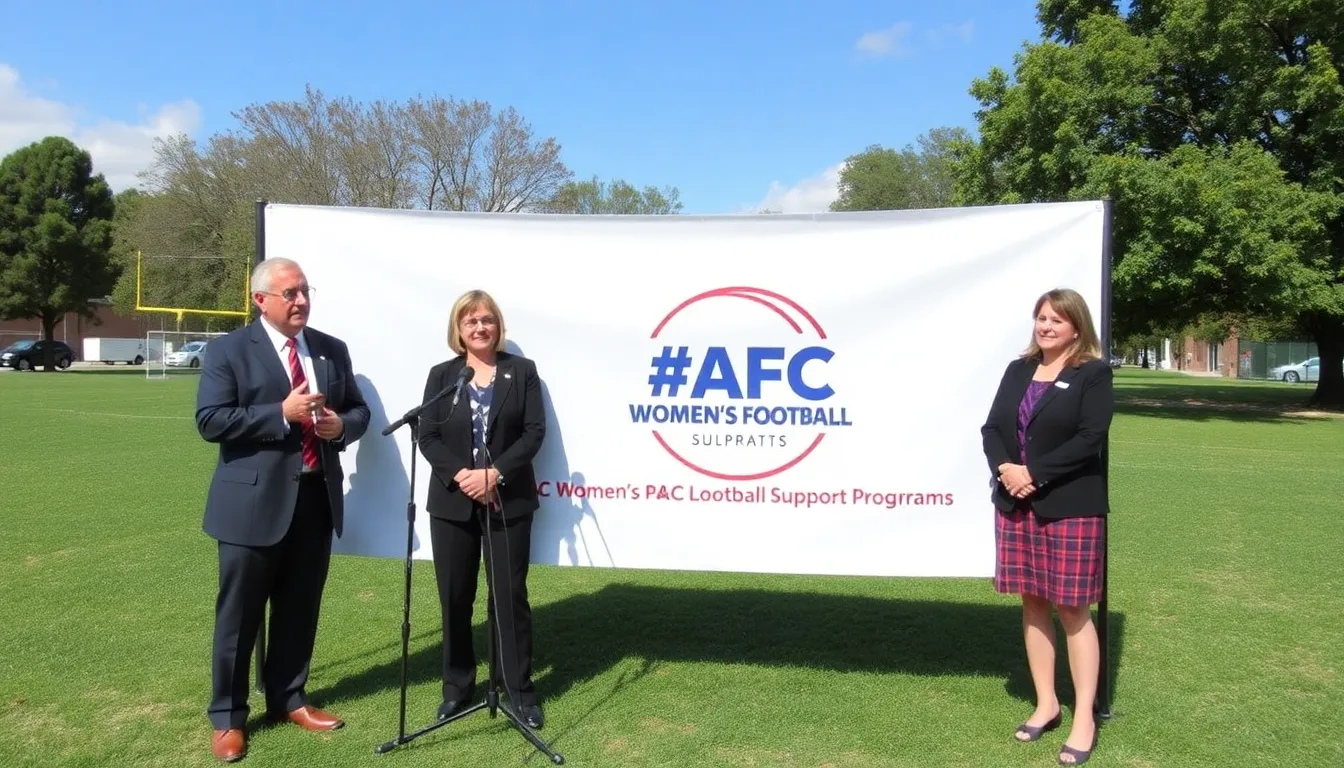
Women’s advocacy groups play a crucial role in addressing social issues related to gender inequality in sports. They often push for policy changes that support women’s participation and representation in football. However, conflicts may arise when these groups advocate for reforms that national associations or clubs may not be prepared to implement, leading to trade-offs between immediate operational concerns and long-term developmental goals.
Furthermore, governmental bodies are increasingly recognizing the importance of women’s sports as part of broader social and economic development agendas. They may offer funding or legislative support, but their involvement can also introduce bureaucratic hurdles that complicate the implementation of initiatives like the Empowering Women in Football Programme. Key issues include:
- Funding disparities between men’s and women’s football.
- Access to training and development resources for female players.
- Societal attitudes towards women in sports and the impact on participation rates.
- Legal frameworks supporting gender equality in sports.
- Collaboration challenges among various stakeholders.
In summary, the landscape of women’s football development is shaped by a complex interplay of interests among various stakeholders. Understanding these dynamics is essential for fostering an environment that supports the growth and sustainability of women’s football initiatives like the AFC’s Empowering Women in Football Programme.
How the programme will affect women and the football market
The AFC’s second Empowering Women in Football Programme is set to impact various groups, including female players, coaches, and administrators across Asia. By focusing on women’s involvement in football, the programme aims to create a more inclusive environment that encourages participation at all levels of the sport.
This initiative will particularly affect regions where women’s football is still developing. Countries with established football infrastructures may see a rapid increase in female participation, while those with limited resources could benefit from targeted support and funding. The programme’s reach extends beyond the pitch, influencing local communities and promoting gender equality in sports.
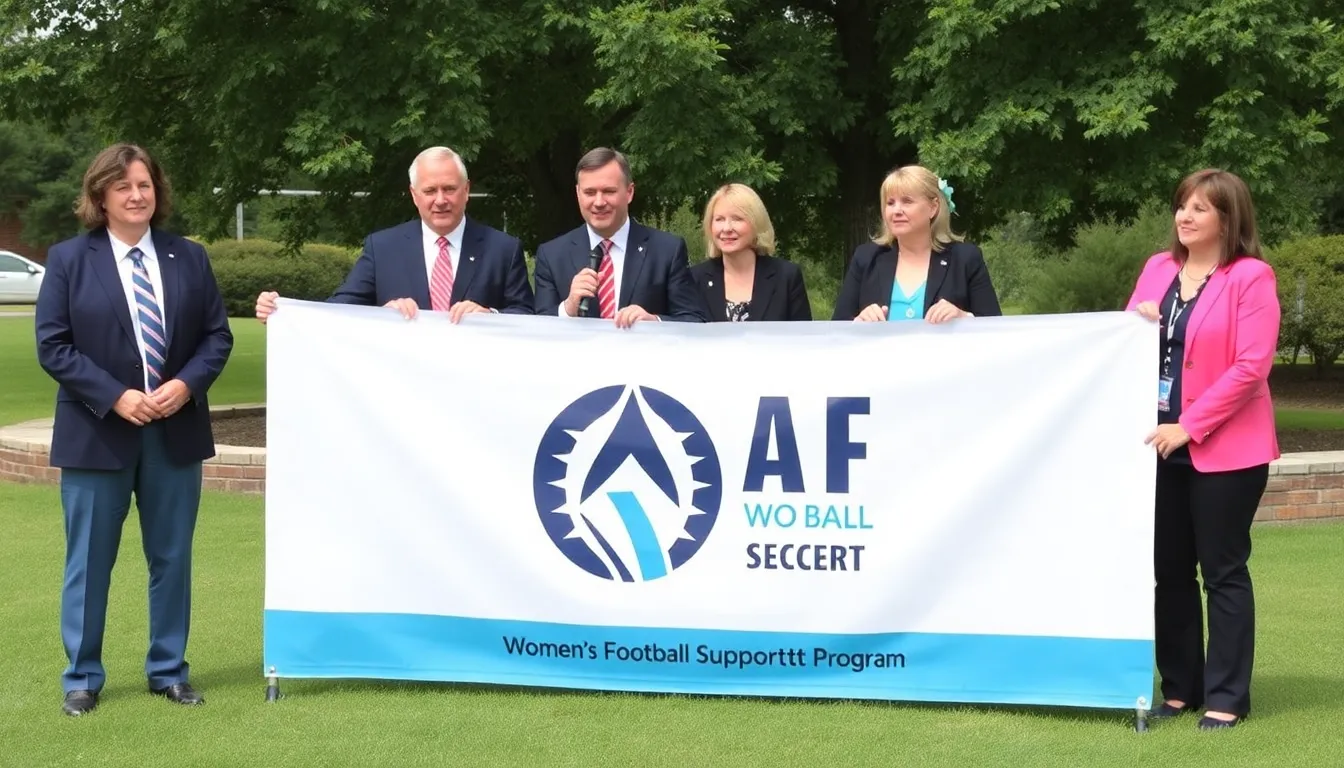
In the short term, the programme is likely to enhance visibility for women’s football, leading to increased attendance at matches and greater media coverage. This heightened interest can stimulate local economies, as businesses related to sports gear, training facilities, and hospitality services may experience growth. However, there are risks associated with the potential backlash from traditionalists who may resist changes to the status quo.
- Increased participation of women in football.
- Boost to local economies through related businesses.
- Enhanced media coverage and visibility for women’s sports.
- Opportunities for women in coaching and administrative roles.
In the mid-term, the programme could lead to policy changes within national football associations, encouraging more investment in women’s leagues and infrastructure. As women gain more representation in football governance, there may be a shift in policies that prioritize gender equality and resource allocation. However, the success of these initiatives will depend on sustained commitment from stakeholders and the ability to navigate existing cultural barriers.
A: The Empowering Women in Football Programme is an initiative by the AFC aimed at increasing female participation in football through training, support, and resources. A: The programme is open to women involved in football at various levels, including players, coaches, and administrators. A: This programme is expected to create more opportunities for women, enhance skills, and promote leadership roles within the sport. A: The programme is set to launch in the upcoming months, with specific dates to be announced by the AFC. A: Participants will receive access to training materials, mentorship, and networking opportunities to help them grow in their football careers.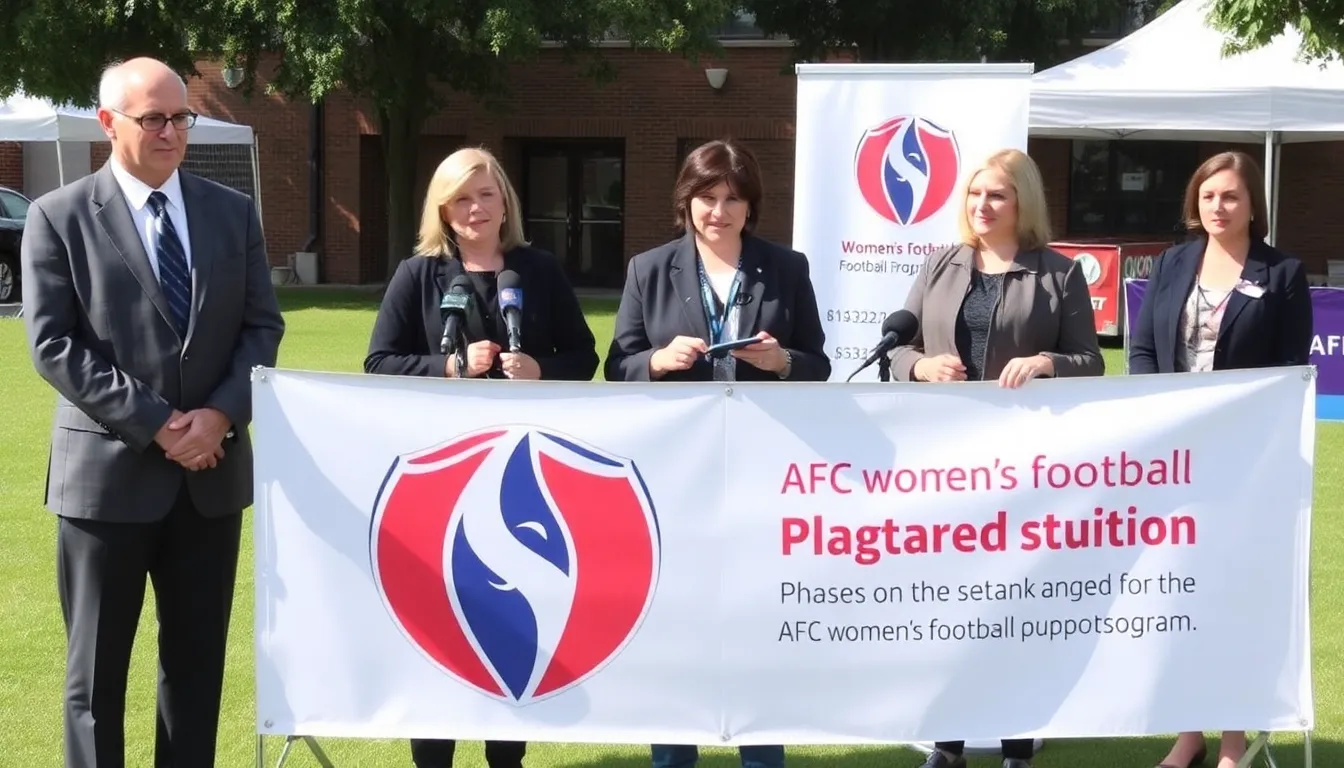
Frequently asked questions about the programme
Looking ahead: Key points and future outlook for women’s football
The launch of the AFC’s second Empowering Women in Football Programme marks a significant step towards enhancing the role of women in the sport across Asia. This initiative not only aims to increase participation rates but also seeks to foster leadership and development opportunities for women in various football-related roles. As the program unfolds, its impact on local communities and the broader football landscape will be closely monitored.
Key areas to observe include the effectiveness of training modules provided, the engagement levels of participants, and the potential for creating a sustainable network of women leaders within the sport. The success of this programme could pave the way for similar initiatives in other regions, amplifying the global movement for gender equality in football.
- Monitor the participation rates of women in football programs following the initiative’s launch.
- Evaluate the effectiveness of leadership training and its influence on women’s roles in football organizations.
- Watch for the development of partnerships between local clubs and educational institutions to support women’s football.
- Assess the media coverage and public perception of women’s football in Asia as a result of increased visibility from the programme.
- Consider the long-term sustainability of women’s football initiatives and their integration into national football strategies.