These initiatives include public art installations and community events designed to highlight the importance of women’s sports and promote inclusivity. Local artists are collaborating with sports organizations to create murals and digital art that reflect the spirit of the tournament and its impact on gender equality in athletics. For more on the global impact of sports, check out our article on Human Rights Watch criticizes U.S. ahead of World Cup.
The Brazilian Football Confederation (CBF) has partnered with various cultural institutions to ensure that the celebration of the World Cup extends beyond the pitch. This effort not only aims to foster a sense of community but also to inspire the next generation of female athletes in Brazil and around the world. Learn more about the significance of sports events in this related article.
With the event expected to attract millions of viewers globally, the focus on artistic expression underscores the significance of the Women’s World Cup as more than just a sporting event. It serves as a platform for social change, promoting women’s empowerment and encouraging greater participation in sports.
Art as a medium to celebrate sports and culture
The upcoming Women’s World Cup in Brazil, scheduled for 2027, marks a significant milestone in the evolution of women’s sports in a country where football is not just a game but a cultural phenomenon. As the tournament approaches, the Brazilian Football Confederation (CBF) has turned to art as a means to engage local communities and celebrate the rich tapestry of Brazilian culture. This initiative aims to highlight the intersection of sports and artistic expression, showcasing how both can inspire and unite people.
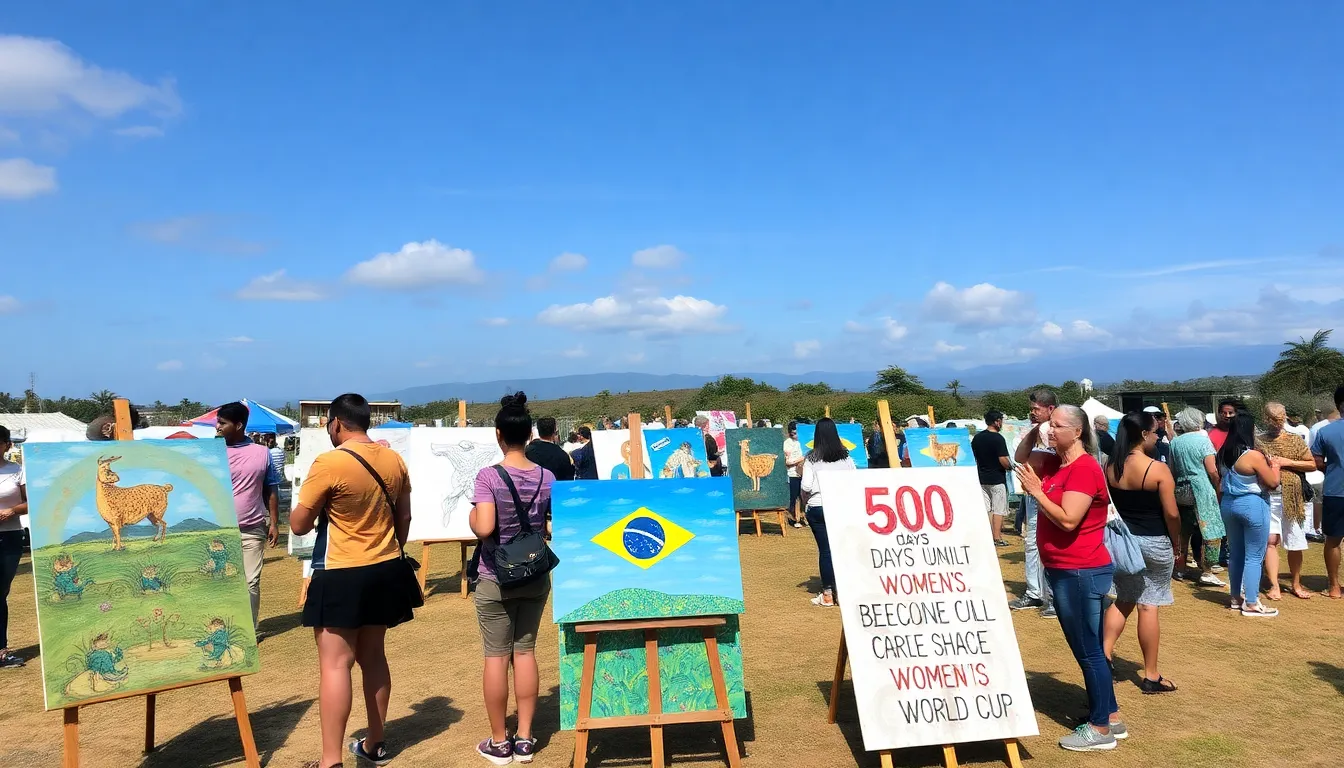
Historically, Brazil has been a powerhouse in football, but the spotlight has often overshadowed the achievements of women’s teams. The journey towards gender equality in sports has been fraught with challenges, from lack of funding to limited media coverage. However, recent years have seen a shift, with increased visibility for women’s football, culminating in the decision to host the Women’s World Cup. This event not only represents a sporting achievement but also a recognition of women’s contributions to the sport.
In preparation for the tournament, various artists have been commissioned to create works that reflect the spirit of the game and the cultural heritage of Brazil. These artworks will be displayed in public spaces, fostering a sense of pride and anticipation among fans. By intertwining art with the lead-up to the World Cup, the CBF aims to create a vibrant atmosphere that celebrates both the athletes and the diverse communities that support them. For insights on media coverage of global sports events, check our piece on FOX announces coverage of all 104 World Cup matches.
The Role of Art in Community Engagement
Art has long been a powerful tool for social change and community engagement. In Brazil, public art projects have historically addressed social issues and celebrated local identities. By incorporating artistic elements into the Women’s World Cup celebrations, organizers hope to inspire young girls to pursue sports and to encourage broader societal support for women’s athletics. This initiative represents a significant step towards normalizing women’s participation in football, reinforcing the message that sports are for everyone.
Key stakeholders and their roles in the artistic celebration
The upcoming Women’s World Cup in Brazil in 2027 has brought together a diverse group of stakeholders, each with their own interests and contributions to the event. Key players include the Brazilian government, FIFA, local artists, and sponsors, all of whom play vital roles in shaping the cultural landscape surrounding the tournament.
The Brazilian government is primarily interested in leveraging the World Cup to promote tourism and national pride. By investing in artistic initiatives, they aim to create a vibrant atmosphere that showcases Brazil’s rich cultural heritage. This aligns with their broader economic goals of boosting local businesses and enhancing the country’s international image.
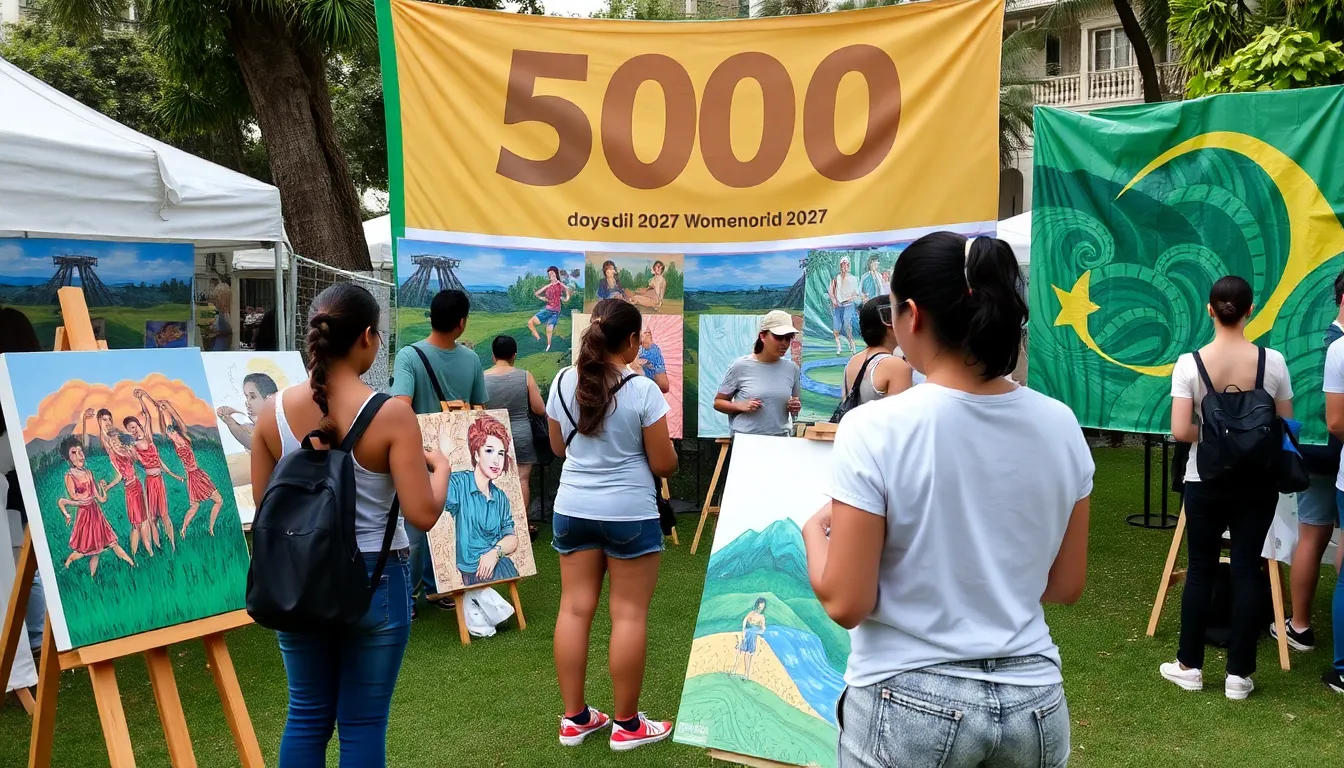
FIFA, as the governing body of the tournament, has a vested interest in ensuring that the event runs smoothly and meets global standards. They are likely to support artistic endeavors that enhance fan engagement and create memorable experiences. However, FIFA’s focus on commercial interests may sometimes conflict with local artistic expressions, leading to potential tensions.
- Local artists and cultural organizations are keen to gain visibility and support through their involvement in the event.
- Sponsors are looking to capitalize on the World Cup’s global reach to market their brands, which may influence the type of art showcased.
- Community groups may advocate for inclusive representation in the artistic projects, emphasizing the need for diverse voices to be heard.
As the event approaches, conflicts may arise over funding allocations and the direction of artistic projects. Balancing commercial interests with authentic cultural representation will be crucial in ensuring that the celebrations resonate with both local and international audiences. This dynamic interplay between stakeholders highlights the complexities of hosting a global sporting event while fostering a rich artistic dialogue.
How this initiative impacts local artists and communities
The decision to incorporate art into the Women’s World Cup Brazil 2027 celebrations has significant implications for various groups, particularly local artists and communities. Artists across Brazil are likely to find new platforms to showcase their work, fostering a sense of pride and cultural expression. This initiative can help elevate the visibility of local talent on both national and international stages.
In the short term, local businesses, especially those in the creative sector, may experience increased demand for art-related services and products. Galleries, art supply stores, and event organizers could benefit from the heightened interest in cultural activities leading up to the tournament. Additionally, local communities may engage in collaborative projects that promote unity and cultural heritage.
However, there are risks associated with this initiative. The commercialization of art for the World Cup could lead to the overshadowing of local artists’ authentic voices. There is a potential for large corporations to dominate the market, leaving smaller artists struggling to compete. Policymakers will need to ensure that there are protections in place for local creators to maintain their artistic integrity.
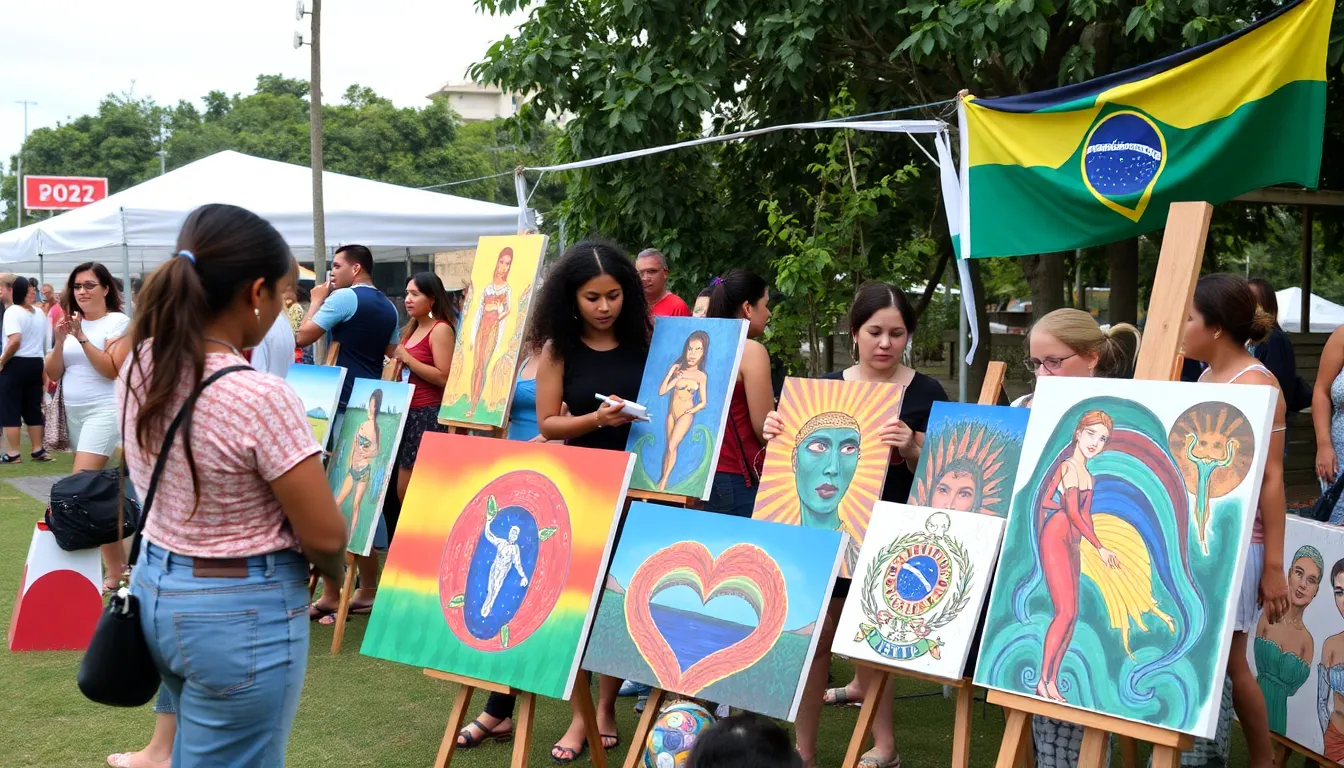
- Increased visibility for local artists and cultural expressions.
- Boost in local business and tourism related to art and culture.
- Risk of commercialization overshadowing authentic local art.
- Need for supportive policies to protect local creators.
In the mid-term, the initiative could lead to lasting changes in how art is perceived and valued in Brazil. Communities might develop a stronger identity linked to the World Cup, fostering pride and engagement among residents. This cultural renaissance could also inspire future events to incorporate local art, creating a legacy that extends beyond the tournament itself.
A: The 500 days countdown event marks the approach of the Women’s World Cup and aims to engage the community through art, celebrating both sports and culture. A: Local artists can submit their works or proposals to be featured in the countdown celebrations, showcasing their creativity and connection to the event. A: Various forms of art, including visual arts, performances, and installations, will be showcased to highlight the cultural richness of Brazil. A: Yes, there will be a series of events and exhibitions leading up to the World Cup, aimed at promoting both the tournament and local talent. A: This initiative provides a platform for local artists, fosters community engagement, and promotes cultural pride as the World Cup approaches.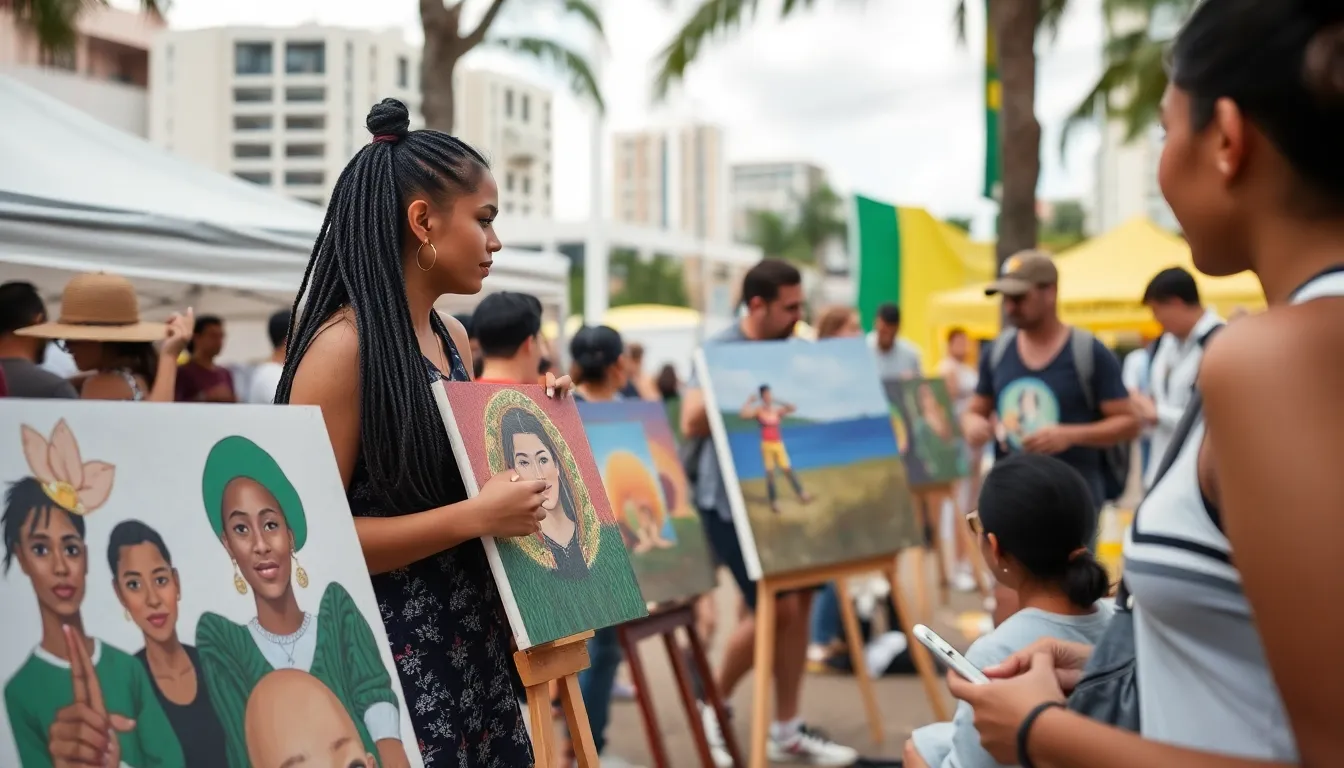
Frequently asked questions about the art initiative
Looking ahead to the Women’s World Cup and its cultural significance
The upcoming Women’s World Cup in Brazil is not just a sporting event; it is a pivotal moment for the intersection of sports and culture. As the tournament approaches, the artistic initiatives launched to celebrate the 500-day countdown highlight the growing recognition of women’s contributions to sports and society. This blend of art and athletics serves to elevate the visibility of female athletes and the cultural narratives surrounding them.
As the tournament draws near, stakeholders in the sports industry, local communities, and global audiences will witness a profound shift in how women’s sports are perceived and celebrated. The creative expressions associated with the World Cup can foster greater engagement, inspire future generations, and potentially reshape the landscape of women’s sports in Brazil and beyond.
- Monitor the impact of artistic initiatives on community engagement and support for women’s sports.
- Observe how the tournament influences sponsorship and investment in women’s athletics.
- Watch for increased media coverage and its effect on public perception of female athletes.
- Consider the role of cultural events in promoting gender equality within sports.
- Evaluate the legacy of the World Cup in shaping future opportunities for women in sports and arts.