This comprehensive coverage is expected to enhance viewer engagement and provide fans with a seamless experience as they follow their favorite teams. FOX’s strategy reflects its dedication to delivering high-quality sports programming and catering to the growing demand for live sports content. The network aims to attract a diverse audience, including casual viewers and die-hard soccer fans alike.
The commitment to showcase all matches comes at a time when soccer’s popularity is surging in the U.S., particularly among younger demographics. By broadcasting every game, FOX hopes to capitalize on this trend and further solidify its position as a leader in sports media. The tournament will also feature a range of pre- and post-game analysis, enhancing the overall viewing experience.
As the World Cup approaches, FOX’s decision is likely to influence advertising strategies and sponsorship opportunities within the sports industry. Brands are expected to leverage the extensive reach of the broadcasts to connect with millions of viewers during this highly anticipated global event. This move underscores the growing importance of soccer in the American sports landscape.
The significance of the World Cup for US sports broadcasting
The FIFA World Cup stands as one of the most prestigious sporting events globally, drawing millions of viewers and generating significant economic impact. For the United States, the World Cup holds a unique place in the sports broadcasting landscape, particularly as soccer’s popularity continues to grow. Historically, soccer has struggled to gain a foothold in the American sports market, dominated by football, basketball, and baseball. However, the increasing interest in Major League Soccer (MLS) and the U.S. Women’s National Team’s success have shifted perceptions, making the World Cup a key event for networks like FOX.
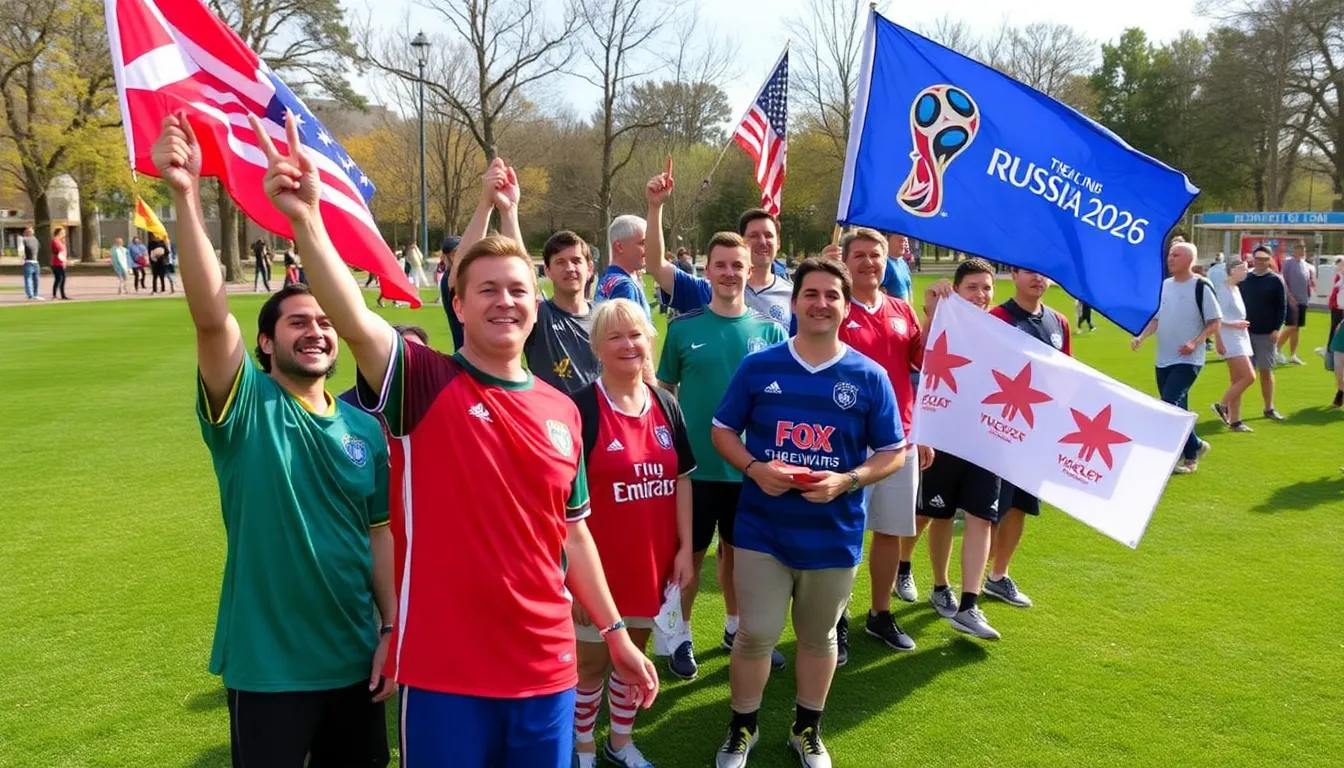
This deal was part of a broader trend in sports broadcasting, where networks sought to capture live sports content to attract viewers and advertisers. The commitment to air all 104 World Cup matches on its main channel and FS1 represents a significant investment by FOX, reflecting both the anticipated viewership and the network’s confidence in soccer’s growth in the U.S..
The evolution of soccer’s presence in American media
Soccer’s journey in American media has evolved dramatically over the past few decades. In the 1970s and 1980s, soccer struggled to find a consistent audience, with sporadic broadcasts and limited coverage. The establishment of MLS in 1993 marked a turning point, as the league began to cultivate a dedicated fan base. As the sport gained traction, networks began to recognize its potential. The U.S. Men’s and Women’s National Teams’ performances on the world stage, particularly the women’s victories in 1999 and 2015, have also played a crucial role in elevating soccer’s profile in the country.
As a result of these developments, the World Cup has become a focal point for broadcasters looking to capitalize on the sport’s growing popularity. FOX’s decision to air every match live signifies not only a commitment to soccer but also a strategic move to engage a diverse audience. This aligns with broader trends in sports broadcasting, where networks are increasingly investing in global events to attract viewers across various demographics.
Key stakeholders in the World Cup broadcasting landscape
The commitment by FOX to air all 104 World Cup matches on its main channel and FS1 in the U.S. highlights the involvement of several key stakeholders, including broadcasters, advertisers, sports governing bodies, and the viewing public. Each of these actors has distinct interests that shape the landscape of sports broadcasting.
Broadcasters like FOX are primarily motivated by audience engagement and advertising revenue. By securing exclusive broadcasting rights, they aim to attract large viewership numbers, which in turn can drive up advertising rates. This strategic move also strengthens their position in the competitive sports broadcasting market, where viewership translates directly into financial success.

On the other hand, FIFA, the governing body of football worldwide, seeks to maximize its revenue through broadcasting rights deals. By partnering with major networks like FOX, FIFA ensures extensive coverage of its flagship tournament, which enhances its global brand and increases its revenue streams from licensing and sponsorships. However, this can lead to tension with smaller broadcasters who may feel marginalized in a market dominated by major players.
Additionally, advertisers see the World Cup as a prime opportunity to reach a massive audience. The high viewership during the tournament allows brands to showcase their products and services effectively. However, the costs associated with advertising during such high-profile events can be a barrier for smaller companies, leading to a trade-off between brand exposure and budget constraints.
- FOX’s investment in World Cup broadcasting reflects a broader trend of sports networks prioritizing major events to drive viewership.
- FIFA’s revenue model relies heavily on lucrative broadcasting rights, which can create disparities in access for smaller networks.
- Advertisers must balance the high costs of advertising during the World Cup with the potential for significant returns on investment.
- The viewing public benefits from increased access to matches, but may face challenges such as regional restrictions or subscription costs.
The impact of full coverage on fans and advertisers
Fans across the United States will have unprecedented access to every match, fostering a greater sense of community and engagement around the tournament. This full coverage is likely to elevate the viewing experience, allowing fans to follow their favorite teams without the frustration of limited broadcasts.
Advertisers will also feel the impact of this commitment. With a larger audience tuning in for every match, brands have a prime opportunity to reach millions of viewers. This can lead to increased advertising revenues for FOX and enhanced visibility for sponsors, especially those in sports-related industries. Local businesses, particularly those in hospitality and retail, may see a boost in sales as fans gather to watch games in bars and restaurants.
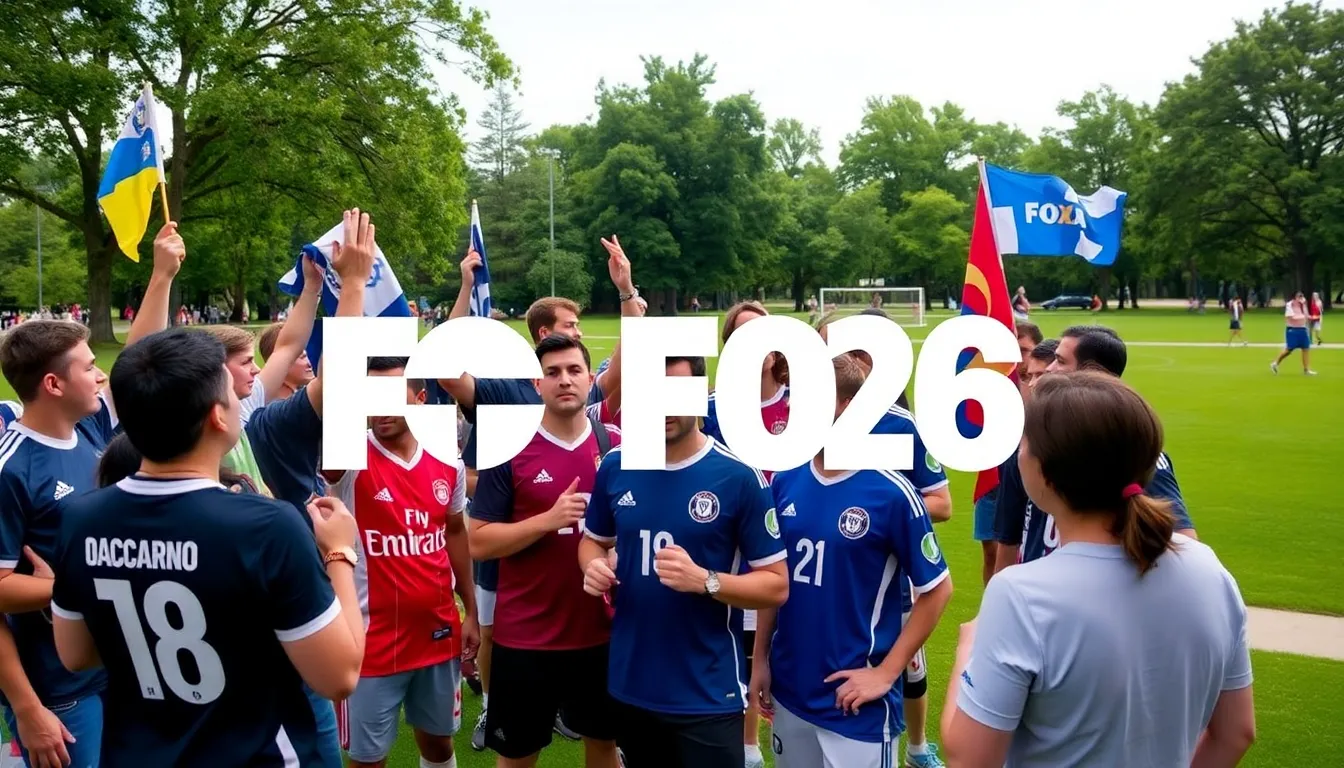
In the short term, the excitement generated by full coverage can lead to immediate increases in viewership and engagement on social media platforms, as fans share their experiences and reactions in real-time. However, there are also risks involved. If the matches do not meet expectations in terms of competitiveness or drama, viewer engagement may drop, impacting advertisers’ return on investment.
- Increased fan engagement: More access to matches can lead to higher participation in viewing parties and events.
- Boost for advertisers: Greater reach provides brands with the opportunity to connect with a larger audience.
- Local business growth: Bars and restaurants may experience higher foot traffic during the tournament.
- Potential for viewer fatigue: A full schedule may overwhelm some viewers, leading to decreased interest.
In the mid-term, the impact on policy could also be notable, as the success of this coverage may encourage networks to invest more in sports broadcasting. This could lead to changes in how sports rights are negotiated and potentially greater competition among networks for future major sporting events. Overall, while there are risks, the opportunities presented by this full coverage are substantial for fans and businesses alike.
A: Yes, FOX plans to broadcast all matches in high definition, providing viewers with the best possible viewing experience. A: Yes, viewers will be able to stream all matches live through the FOX Sports app and website. A: Match times will vary, but FOX will provide a full schedule closer to the tournament dates. A: FOX is expected to include expert analysis, player interviews, and interactive features during the broadcasts. A: FS1 can be accessed through various streaming services that include the channel in their packages.
Frequently asked questions about FOX’s World Cup coverage
Looking ahead at FOX’s World Cup broadcasting strategy
FOX’s commitment to airing all 104 World Cup matches on its main channel and FS1 marks a significant shift in sports broadcasting strategy, aiming to enhance viewer accessibility and engagement. This decision not only underscores the importance of soccer’s growing popularity in the United States but also reflects FOX’s ambition to solidify its position as a leading sports broadcaster. By providing comprehensive coverage, FOX is poised to attract both dedicated soccer fans and casual viewers, potentially increasing its audience reach and advertising revenue.
As the tournament approaches, stakeholders should consider the implications of this strategy on viewer engagement, advertising opportunities, and the overall landscape of sports broadcasting in the U.S. The ability to capture a larger audience during the World Cup could set a precedent for future events and influence how networks approach major sporting events.
- Increased viewer engagement: Expect a surge in audience numbers as more matches become accessible to a wider demographic.
- Advertising opportunities: Brands may look to capitalize on the heightened visibility during the World Cup, leading to innovative advertising strategies.
- Impact on future broadcasting rights: FOX’s approach may influence negotiations for future sports broadcasting rights, as networks assess the value of comprehensive coverage.
- Potential for new partnerships: Collaborations with local businesses and sponsors could emerge, enhancing community engagement around the event.