The ‘matching right’ clause allowed Tenfield to match any competing offer made for the broadcasting rights. This strategic move has ensured that Tenfield will continue as the primary producer and distributor of league content, thereby influencing how the league is presented to local and international audiences. For more insights into media strategies, read about BFU’s collaboration with Vivacom.
This situation highlights the ongoing importance of media rights in sports, particularly in regions where football holds significant cultural value. The retention of these rights by Tenfield is expected to impact the financial dynamics of the league, as well as the quality and accessibility of its televised matches.
With the contract secured, Tenfield can now focus on enhancing its production capabilities and expanding viewership. As the league progresses into the next season, fans and stakeholders will be keenly observing how this development shapes the future of Uruguayan football broadcasting.
Understanding the significance of the matching right in broadcasting contracts
The concept of the matching right has become increasingly critical in the realm of sports broadcasting, particularly in leagues where media rights are a significant source of revenue. In the context of the Uruguayan league, Tenfield’s ability to leverage this right highlights the intricate relationship between sports entities and media companies. This mechanism allows Tenfield to match any competing offer for broadcasting rights, thus ensuring their continued dominance in the production and distribution of league content. To explore the evolution of broadcasting rights, check out our article on the history of broadcasting in football.
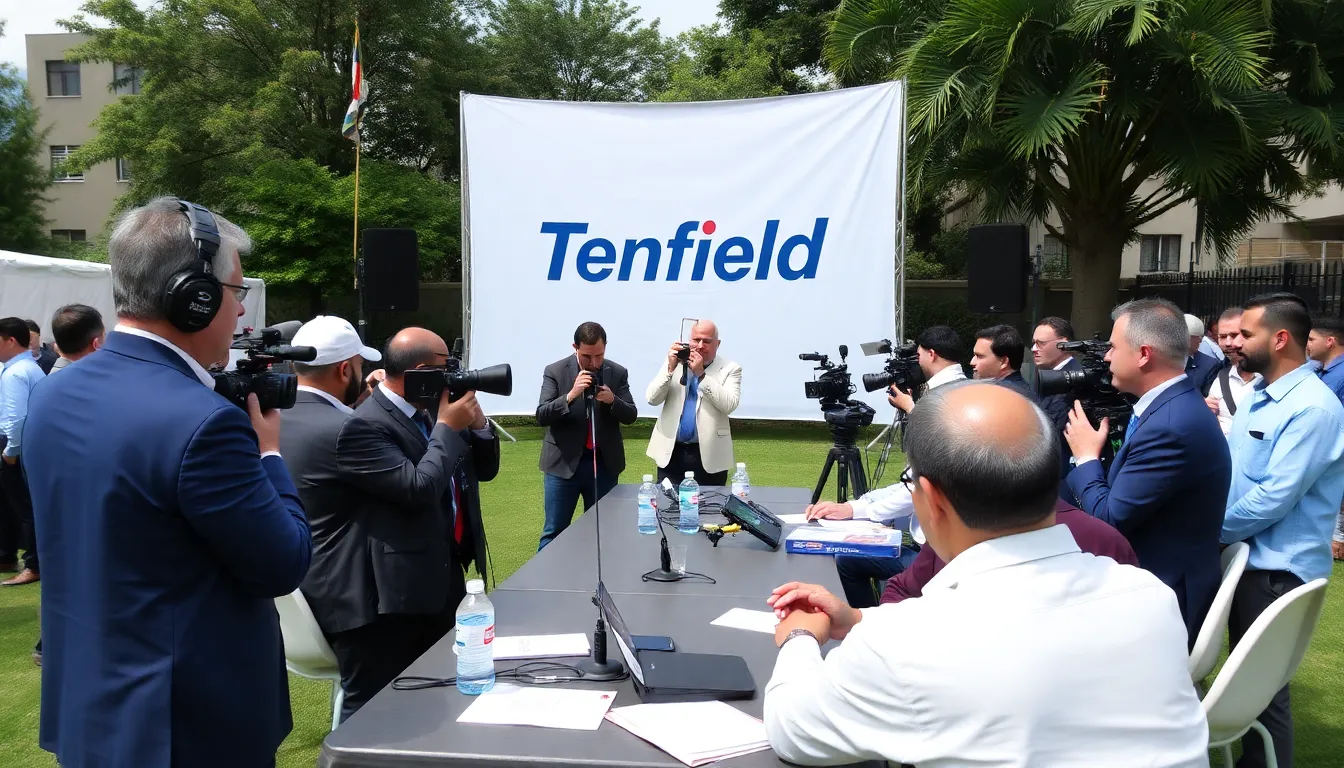
Historically, the Uruguayan league has faced challenges in securing lucrative broadcasting deals, primarily due to the economic fluctuations and political instability that have affected the country. However, the rise of digital platforms and the increasing global interest in South American football have opened new avenues for revenue generation. The introduction of the matching right has provided Tenfield with a strategic advantage, enabling them to maintain control over broadcasting rights amid a competitive landscape.
Key milestones in the development of broadcasting rights in Uruguay include the initial contracts signed in the early 2000s, which laid the groundwork for the current media landscape. Over the years, various legal disputes and negotiations have shaped the way broadcasting rights are handled, culminating in the establishment of the matching right as a standard practice. This evolution reflects broader trends in the sports industry, where media rights have become a crucial asset for clubs and leagues alike.
The impact of globalization on broadcasting rights
The globalization of sports has fundamentally altered the dynamics of broadcasting rights. As international audiences grow, the demand for Uruguayan football content has surged, prompting Tenfield to adapt its strategies. The matching right not only protects Tenfield’s interests but also ensures that the league can capitalize on this burgeoning interest, ultimately benefiting clubs through increased revenue streams. This adaptation is essential for sustaining the league’s competitiveness on both a national and international scale.
Key stakeholders and implications of Tenfield’s decision
The recent decision by Tenfield to utilize the ‘matching right’ clause in its contract to maintain the television production rights for the Uruguayan league has significant implications for various stakeholders involved. These stakeholders include Tenfield, the Uruguayan Football Association (AUF), competing media companies, and the fans of the league.
Tenfield, as the primary broadcaster, has a vested interest in retaining its exclusive rights to broadcast Uruguayan league matches. By exercising the matching right, Tenfield aims to secure its financial investments and ensure that it remains the sole provider of league content, which is crucial for its revenue model. This decision, however, raises questions about competition and the potential for monopolistic practices in the media landscape. Learn more about related strategies in our coverage of Celtic’s recent agreement for striker Cvancara.
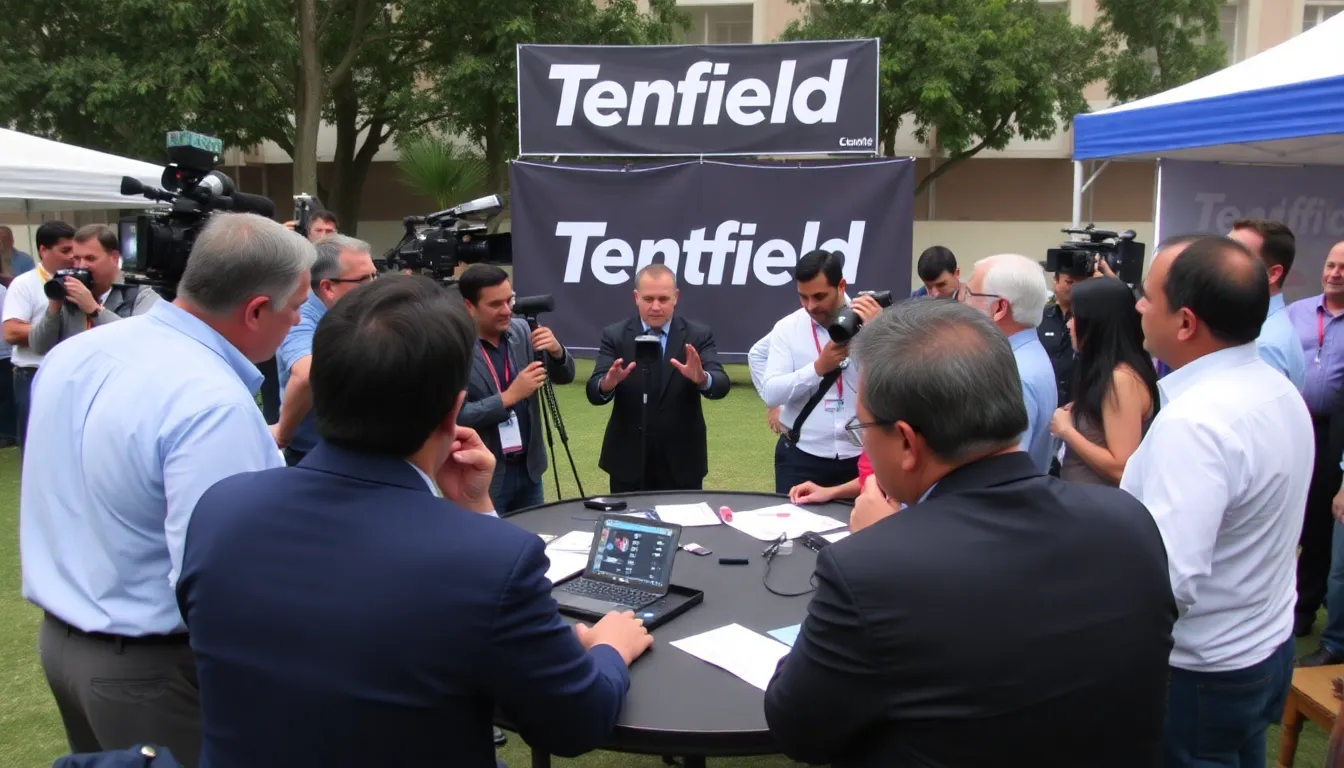
The AUF, which governs football in Uruguay, faces a dilemma as it balances the financial benefits of Tenfield’s arrangement against the need for broader media access and exposure for the league. While Tenfield provides a reliable revenue stream, the AUF must consider whether this exclusivity serves the long-term interests of the league, especially in attracting new fans and sponsors.
Competing media companies, who may have been interested in acquiring broadcasting rights, are directly affected by Tenfield’s decision. The exercise of the matching right limits their ability to enter the market, potentially stifling innovation and competitive pricing. This scenario highlights the ongoing tension between established players and new entrants in the media sector.
- Financial Security: Tenfield’s decision ensures a stable revenue flow for the company and the AUF.
- Market Competition: The use of matching rights may limit competition, impacting media diversity.
- Fan Access: Fans may face restrictions in accessing diverse broadcasting options, affecting viewership.
- Long-term Growth: The AUF must consider the implications for the league’s growth and marketability.
- Legal Considerations: The legality of matching rights in media contracts could face scrutiny in future negotiations.
How this decision affects the Uruguayan football market and fans
The decision by Tenfield to utilize the ‘matching right’ clause to retain the TV production contract for the Uruguayan league has significant implications for various stakeholders. The primary groups affected include football clubs, broadcasters, fans, and the local economy. Each of these groups will experience both immediate and long-term effects as a result of this strategic move.
In the short term, football clubs may face a sense of stability as Tenfield’s continued involvement ensures consistent media coverage and revenue streams. However, this could also limit opportunities for other production companies, potentially stifling competition. Fans, on the other hand, might benefit from uninterrupted access to league matches, but they may also feel the impact of limited innovation in broadcast quality and viewer engagement.
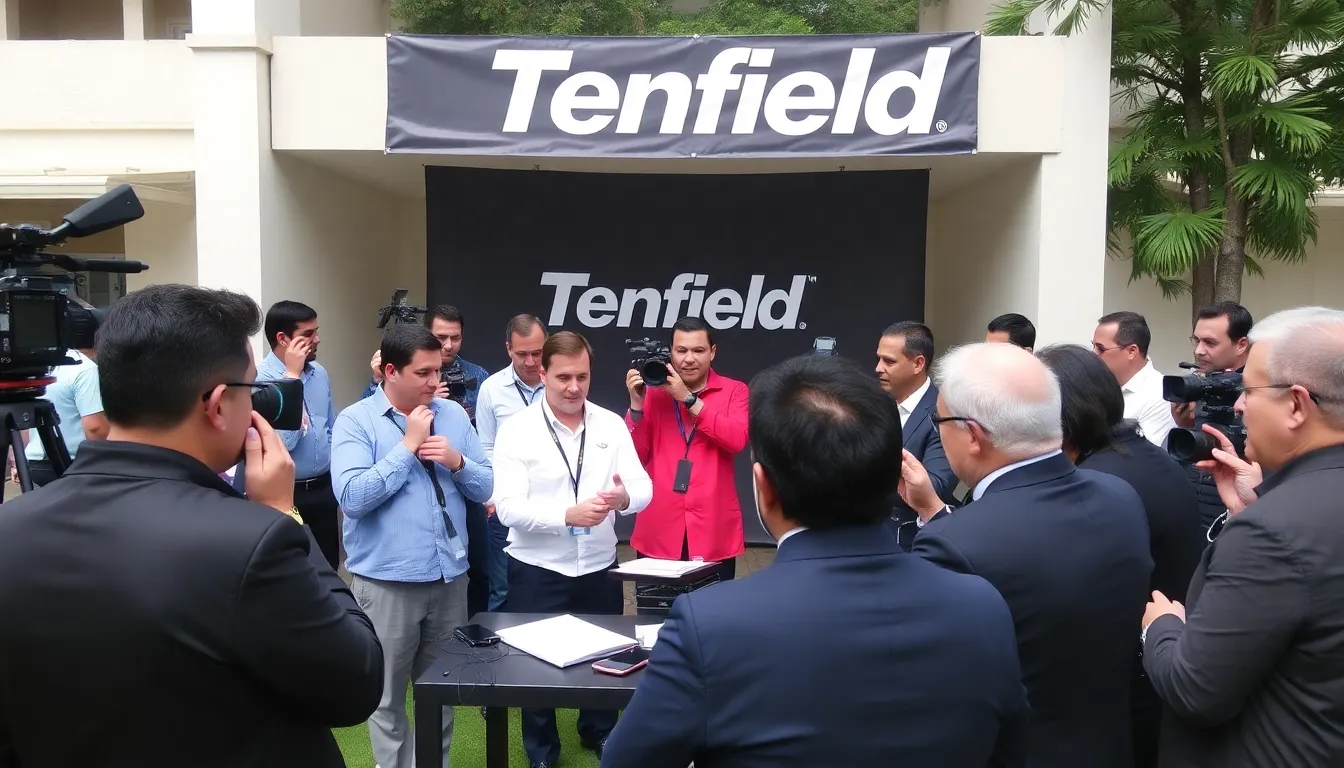
Mid-term effects could see shifts in advertising revenues, as Tenfield maintains its hold on the market. This could lead to a concentration of power that might deter new entrants into the broadcasting sector. On the positive side, if Tenfield invests in enhancing production quality, it could improve the overall viewing experience for fans and attract more sponsorship deals, benefiting clubs financially.
- Clubs: Stability in revenue but potential lack of competition.
- Fans: Consistent access to matches but limited innovation.
- Broadcasters: Restricted market entry for new players.
- Local Economy: Possible boost from increased advertising if production quality improves.
While there are risks associated with a monopoly-like scenario in the broadcasting space, there are also opportunities for Tenfield to leverage its position to enhance the football viewing experience. By investing in technology and production capabilities, they could not only satisfy current fans but also attract new audiences, driving growth in the Uruguayan football market.
A: The matching right allows a current broadcaster to retain its contract by matching any competing offers. This ensures that existing broadcasters have the first opportunity to continue their coverage. A: Tenfield’s contract is crucial as it guarantees consistent coverage of the Uruguayan league, which is vital for fans, sponsors, and the overall growth of the sport in the country. A: Viewers can expect uninterrupted access to league matches, ensuring they can follow their favorite teams without disruption. This stability is beneficial for fan engagement. A: Tenfield may face challenges from emerging competitors or changes in viewer preferences, which could impact their market position and contract negotiations in the future. A: While Tenfield has retained its contract, any changes in production quality will depend on their investment in technology and resources to enhance viewer experience.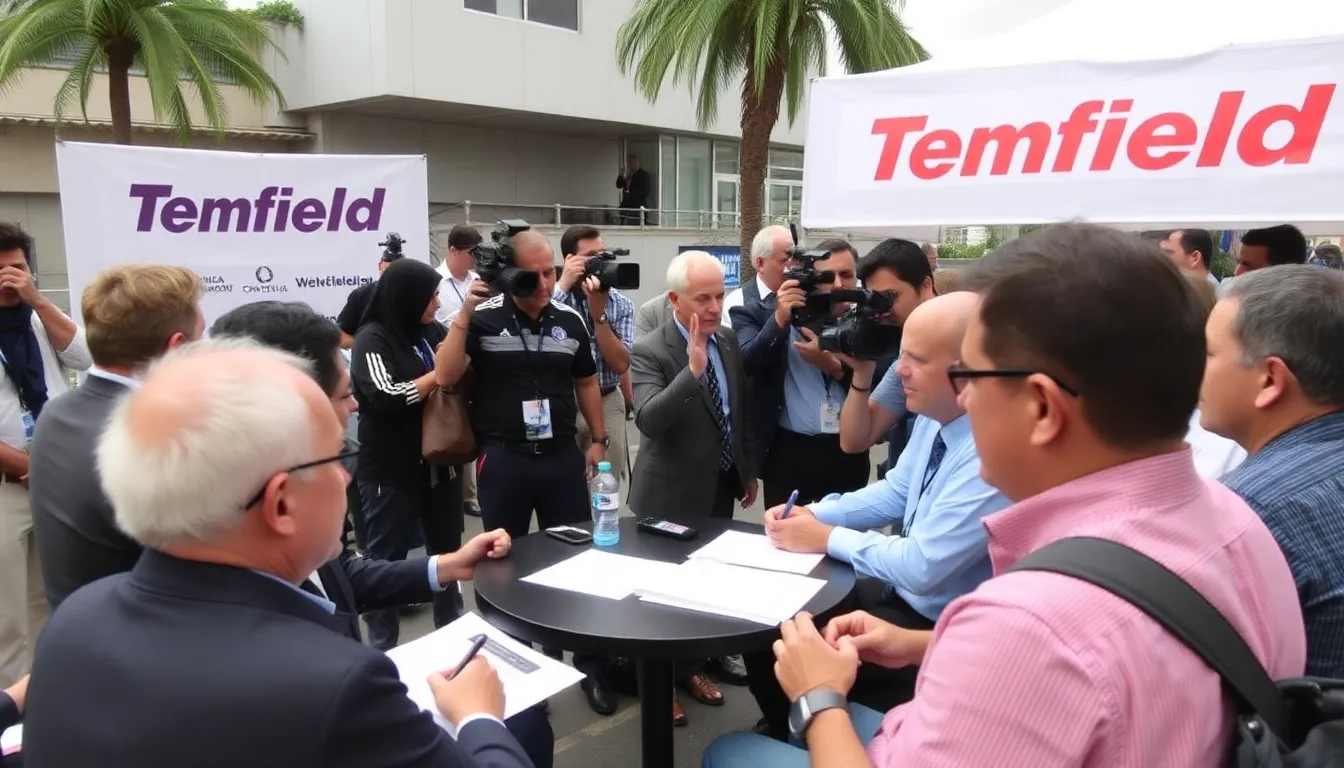
Frequently asked questions about Tenfield and the Uruguayan league contract
Future outlook on Tenfield’s role in Uruguayan football broadcasting
Tenfield’s successful use of the ‘matching right’ clause to retain its TV production contract for the Uruguayan league underscores the strategic importance of contractual agreements in sports broadcasting. This move not only solidifies Tenfield’s position in the market but also reflects the growing significance of media rights in shaping the landscape of football in Uruguay. As the industry evolves, stakeholders will need to closely monitor how such rights are negotiated and leveraged for competitive advantage.
Looking ahead, the implications of Tenfield’s actions extend beyond immediate contractual obligations. The dynamics of sports broadcasting are shifting, with potential impacts on revenue generation, fan engagement, and the overall visibility of the league. Understanding these trends will be crucial for both existing and emerging players in the market.
- Watch for potential shifts in broadcasting strategies as other companies may seek to challenge Tenfield’s dominance.
- Consider the implications of media rights negotiations on the financial health of clubs within the Uruguayan league.
- Monitor fan engagement metrics to see how broadcasting changes affect viewership and support for local teams.
- Evaluate the impact of international broadcasting partnerships on the global visibility of Uruguayan football.
- Stay informed about technological advancements that may influence the production and distribution of football content.