This year’s final is particularly notable as it features a clash between familiar rivals, underscoring the intense competition that has characterized English football in recent years. With Manchester City facing Inter Milan, the stakes are high, and the outcome could have lasting implications for both clubs. A victory for City would mark their first Champions League title, while Inter aims to reclaim glory on a continental level.
The significance of this match extends beyond the trophy itself, as it represents a culmination of years of investment and development within English football. The financial backing of clubs, coupled with strategic management, has transformed the Premier League into a powerhouse, making it a focal point for top talent worldwide. As the final draws near, fans and analysts alike are keenly observing how this match will impact the future landscape of European football.
Additionally, the final is expected to attract millions of viewers globally, highlighting the enduring appeal of the Champions League. The match will take place at the Atatürk Olympic Stadium in Istanbul, Turkey, a venue steeped in football history, adding to the excitement surrounding the event. As the day approaches, anticipation builds for what promises to be a thrilling encounter between two formidable sides.
Historical Rivalries and Their Significance
The Champions League final day is not just a culmination of the season’s efforts; it is steeped in a rich tapestry of historical rivalries that have shaped English football. Over the decades, clubs such as Manchester United, Liverpool, Chelsea, Arsenal, Manchester City, and Tottenham Hotspur have not only vied for domestic supremacy but have also clashed on the European stage, creating narratives that resonate with fans and players alike.
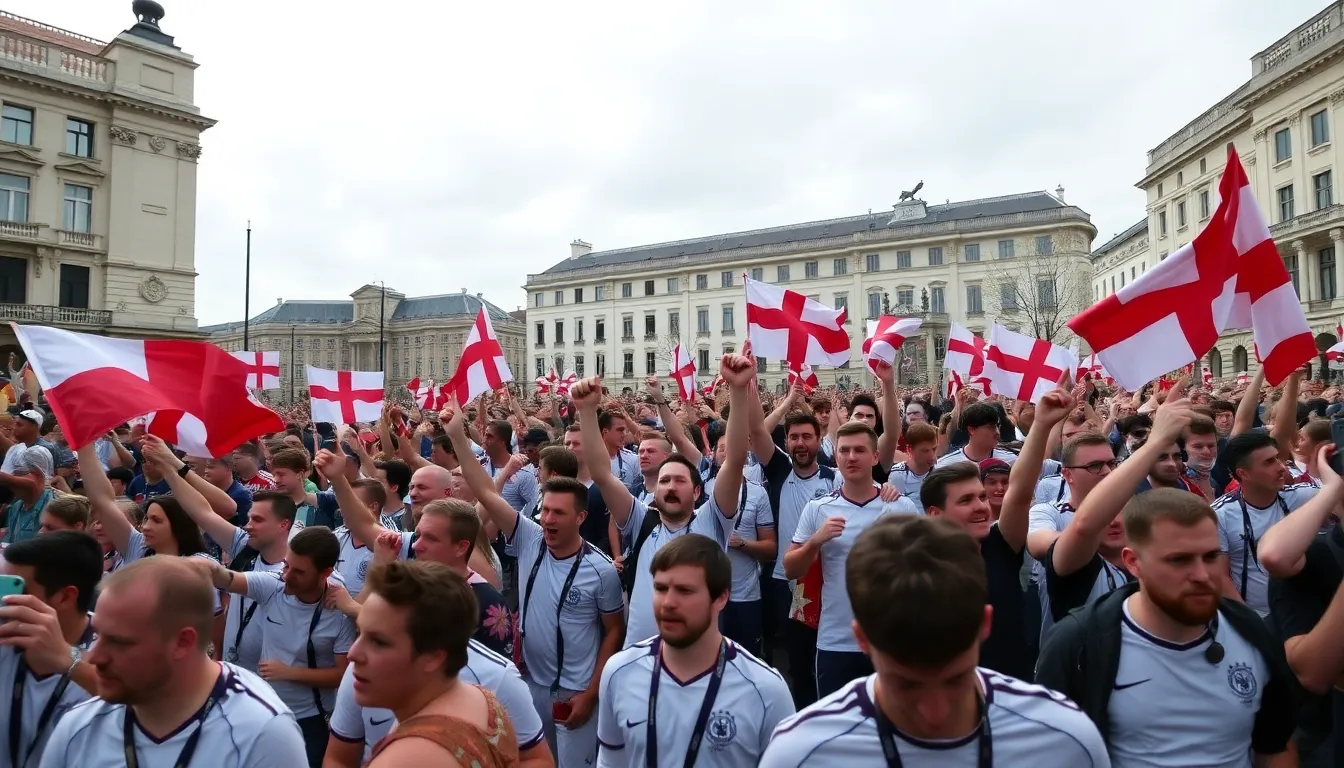
These rivalries are often rooted in geographical, social, and economic factors. For instance, the fierce competition between Liverpool and Manchester United is emblematic of the historical industrial rivalry between the two cities. Liverpool, once a major port city, and Manchester, the heart of the industrial revolution, have long been interconnected yet fiercely competitive, with football serving as an outlet for regional pride.
Key milestones in these rivalries have often coincided with significant events in English history. The Heysel Stadium disaster in 1985, which involved Liverpool fans, cast a long shadow over English clubs in Europe, leading to a ban that affected the reputation and performance of English teams on the continental stage. This incident not only highlighted the need for improved fan safety but also intensified the scrutiny of English clubs in European competitions.
The Economic Impact of Success
Success in the Champions League has profound economic implications for English clubs. Winning the prestigious trophy can lead to increased revenue through prize money, enhanced sponsorship deals, and greater global visibility. For clubs like Chelsea and Manchester City, significant investments in their squads have been justified through the financial windfall that comes with success in Europe. This cycle of investment, success, and revenue generation has further entrenched the competitive landscape, making the Champions League final a battleground for both glory and financial gain.
As the Champions League final approaches, the historical context of these rivalries adds layers of intrigue and anticipation. Each match is not merely a contest for a trophy but a continuation of stories that have been told for generations, reflecting the evolving landscape of English football and its impact on society.
Key Players and Strategies to Watch
The Champions League final day is not just a culmination of sporting excellence but also a complex interplay of various stakeholders, each with distinct interests and strategies. Among the main actors are the six English clubs competing, UEFA as the governing body, and the fans who passionately support their teams. Each club’s management aims to secure not only the prestigious trophy but also the financial rewards and global recognition that come with it.
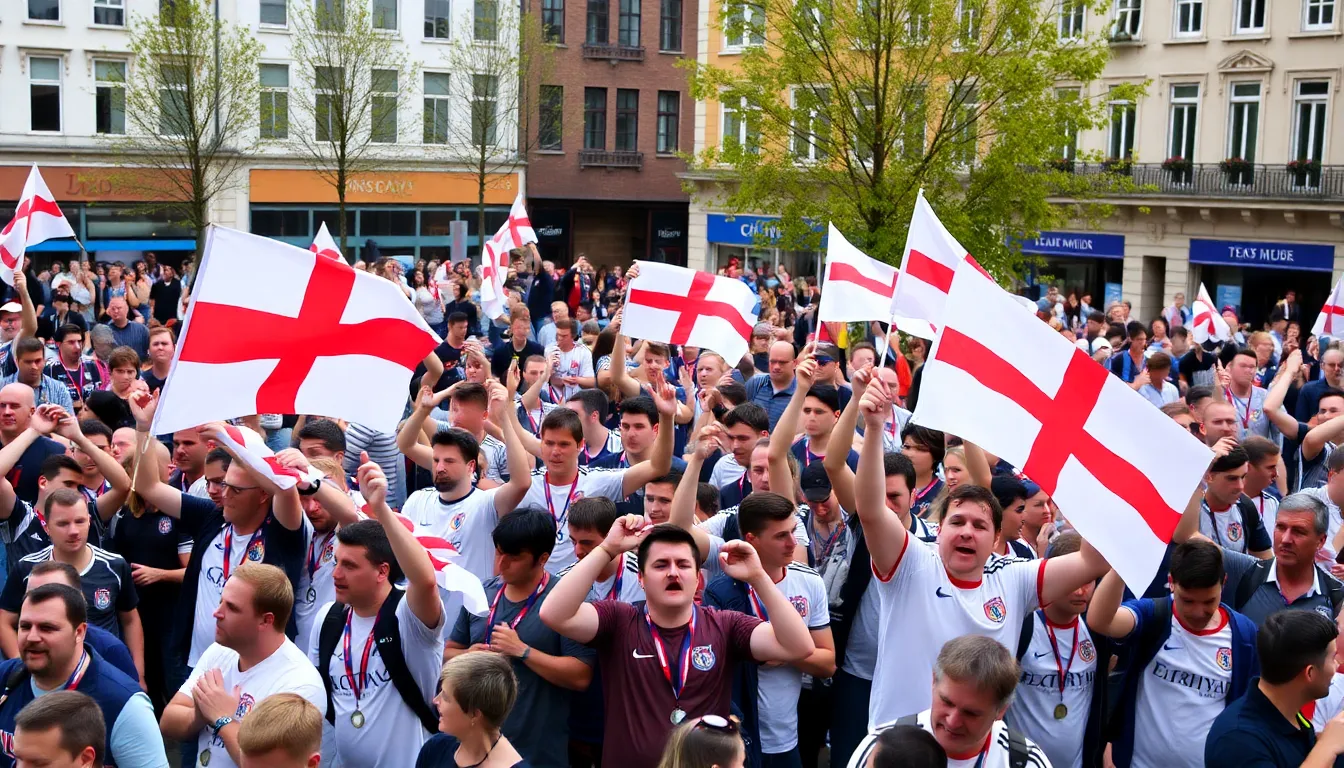
Clubs like Manchester City, Liverpool, and Chelsea are not only vying for the title but also for lucrative sponsorship deals and increased television revenue that a Champions League victory can bring. The economic stakes are high, as success on this stage can significantly boost a club’s marketability and financial stability.
However, the competition is not without its conflicts. The interests of the clubs often clash with UEFA’s regulations, especially concerning financial fair play. Clubs may seek to invest heavily in player acquisitions to enhance their squads, but they must navigate the legal implications of these financial decisions. The potential for sanctions looms large, creating a delicate balance between ambition and compliance.
- Financial Interests: Success can lead to increased revenues from ticket sales, merchandise, and broadcasting rights.
- Regulatory Challenges: Clubs must adhere to UEFA’s financial fair play rules while trying to enhance competitiveness.
- Fan Engagement: Clubs need to maintain strong connections with their fan base, as support can influence performance.
- Media Coverage: The role of media in shaping narratives around the clubs can impact public perception and sponsorship opportunities.
- Historical Rivalries: The longstanding rivalries among these English clubs add an emotional layer to the competition, affecting strategies and outcomes.
In summary, the Champions League final day serves as a microcosm of the broader football landscape, where financial aspirations, regulatory frameworks, and fan loyalty intersect. Understanding the motivations of these key players provides a clearer picture of the stakes involved in this high-profile event, highlighting the importance of success in the Champions League.
Potential Impacts on Clubs and Fans
The Champions League final day is poised to affect a diverse range of stakeholders, including clubs, fans, local businesses, and the broader football industry. As six English clubs vie for glory, the excitement and competition will reverberate through various sectors, creating both opportunities and challenges.
Fans are at the heart of this event, with millions expected to tune in globally. The heightened interest can lead to increased spending on merchandise, food, and beverages, both at home and in local pubs. This surge in consumer activity can significantly benefit the hospitality and retail sectors, particularly in cities with clubs participating in the final.
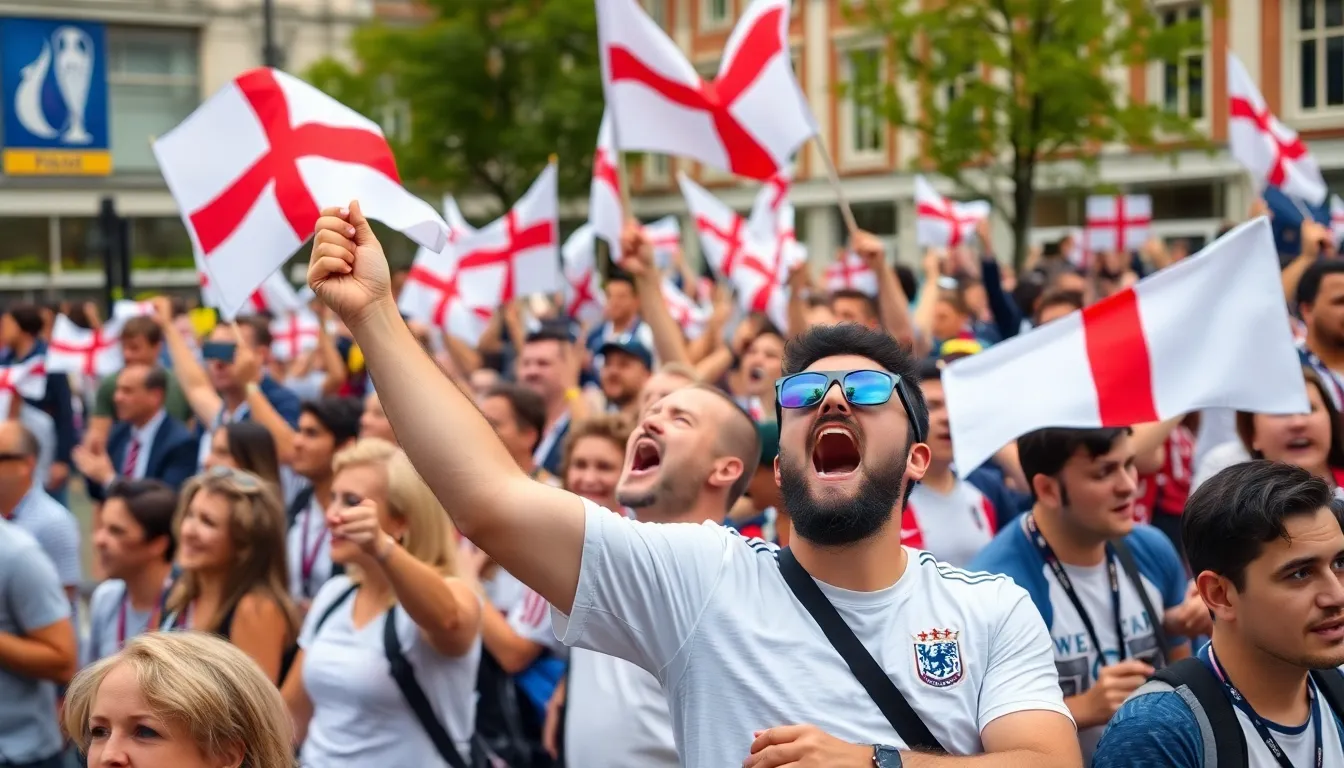
Local businesses near stadiums and fan zones may experience a short-term boom, as supporters flock to these areas for viewing parties and celebrations. However, this influx can also pose logistical challenges, including crowd management and increased demand for services, which may strain resources.
- Short-term benefits: Increased sales for local businesses and merchandise.
- Mid-term impacts: Potential shifts in club policies regarding fan engagement and community involvement.
- Risks: Overcrowding and safety concerns during events may lead to negative experiences.
From a broader perspective, the outcome of the final could influence club revenues through prize money, sponsorship deals, and television rights. Success on such a prestigious platform can enhance a club’s brand and marketability, attracting new fans and investors. Conversely, failure to perform may lead to financial setbacks and a reevaluation of strategies moving forward.
In conclusion, while the Champions League final day presents numerous opportunities for economic and community engagement, it also carries risks that must be managed to ensure a positive experience for all involved. The interplay of these factors will shape the landscape of English football in the short and mid-term.
A: The final features six English clubs, each with a rich history and rivalry in European competitions. A: Success in the final can lead to increased revenue, enhanced reputation, and greater player recruitment opportunities. A: The final will showcase longstanding rivalries that add an extra layer of intensity to the matches. A: The final is scheduled for a specific date and will be held at a prestigious venue, drawing fans from all over. A: Fans can catch the action live through various broadcasting channels and streaming services.
Frequently Asked Questions About the Final
Looking Ahead to the Future of European Football
The Champions League final day represents not only a culmination of the season but also a pivotal moment for the future of European football. With six English clubs vying for glory, the landscape of the competition is changing, reflecting the growing dominance of Premier League teams on the continental stage. This shift has implications for club finances, player recruitment, and overall competition dynamics.
As these clubs prepare to battle it out, there are several critical factors to consider that could shape the future of the tournament and the clubs involved. Observing how these teams perform under pressure will provide insights into their strategies moving forward and the potential for further English dominance in Europe.
- Watch for tactical innovations that may emerge as clubs adapt to the high stakes of the final.
- Player performances could influence transfer market dynamics, with standout players attracting interest from top clubs.
- The financial ramifications of success or failure in the Champions League will impact club budgets and future investments.
- Monitor the fan engagement and support, as the outcomes may shift loyalties and influence local and global followings.
- Consider the implications for UEFA’s regulations and future reforms in response to the evolving competition landscape.