In response to the disturbances, the Czech Football Association has imposed a hefty fine of £357,000 on Slavia Prague. This decision reflects the governing body’s commitment to maintaining order and ensuring the safety of players and spectators alike. The fine serves as a reminder of the consequences clubs face for failing to manage crowd behavior effectively, similar to the recent situation faced by FC Basel after a stadium incident.
The abandonment of the match has sparked widespread debate among fans, analysts, and officials regarding the underlying issues of fan violence in football. Many are calling for stricter regulations and better security measures to prevent such incidents from occurring in the future, reminiscent of the discussions surrounding governance in sports.
As Slavia Prague navigates the aftermath of this incident, the club faces not only financial penalties but also potential reputational damage. The derby abandonment has placed a spotlight on the need for a collaborative approach between clubs, authorities, and fans to foster a safer environment for everyone involved in the sport.
The events leading to the abandonment of the match and the subsequent fine
The recent abandonment of the Prague derby between Slavia Prague and Sparta Prague has reignited discussions about fan behavior and the responsibilities of football clubs in maintaining safety during matches. This incident, which occurred during a high-stakes rivalry, saw the match halted after a series of violent altercations broke out in the stands, leading to a chaotic environment that made it impossible to continue, further highlighting the need for better regulation as seen in other leagues.
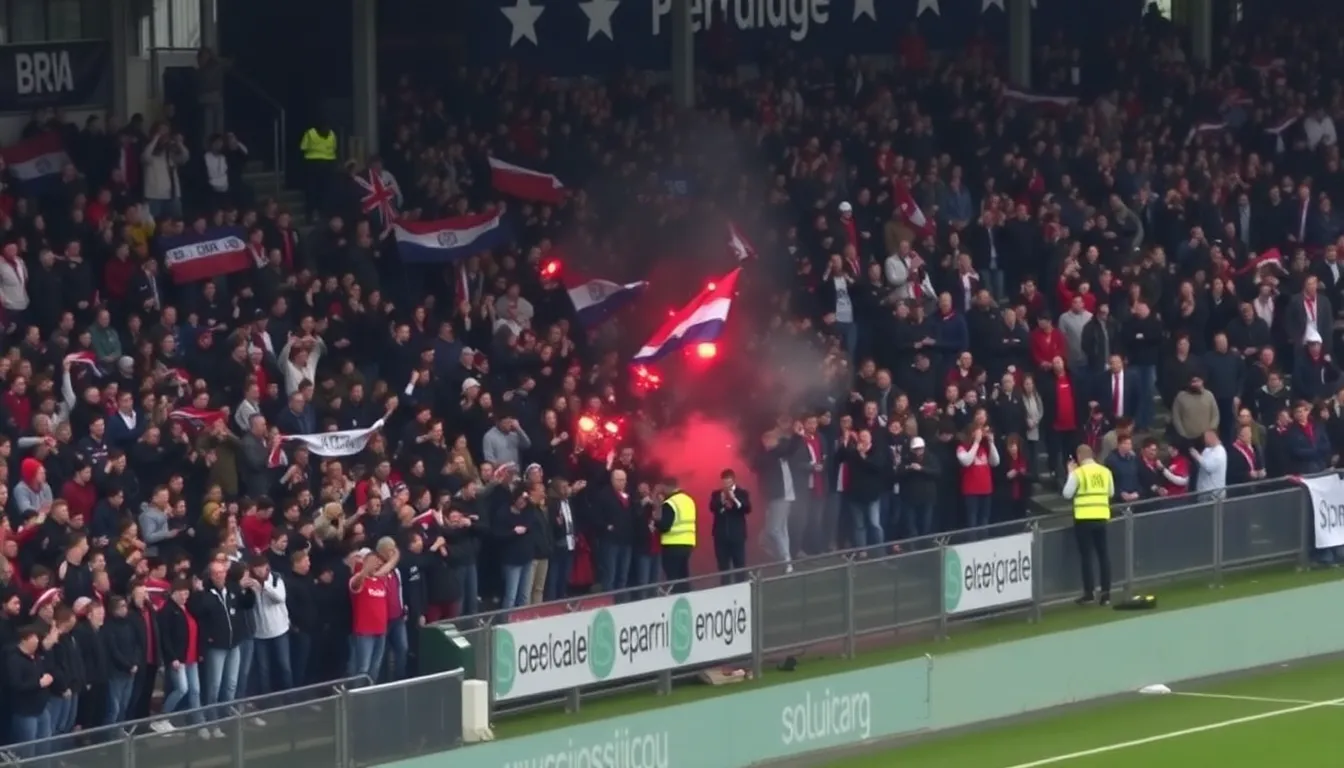
Historically, the rivalry between Slavia and Sparta, two of the oldest and most successful clubs in Czech football, has been marked by intense passion and, at times, violence. The clubs have a long-standing tradition of fierce competition, which has often spilled over into unrest among their supporters. This has led to increased scrutiny from authorities and calls for clubs to take more proactive measures to ensure the safety of all attendees.
In response to the abandonment, the Czech football association imposed a hefty fine of £357,000 on Slavia Prague, citing their failure to adequately manage the situation and prevent the escalation of violence. This decision reflects a broader trend in European football, where governing bodies are increasingly holding clubs accountable for the actions of their fans. The fine serves as a warning that clubs must take responsibility for the conduct of their supporters and implement effective crowd control measures.
Historical Context of Fan Violence in Czech Football
Fan violence is not a new phenomenon in Czech football, with incidents dating back decades. Previous matches have seen similar disruptions, prompting authorities to implement stricter regulations regarding fan behavior and stadium security. The frequency of such events has led to a societal debate about the role of football in Czech culture and the need for clubs to foster a more positive environment for supporters. The current situation with Slavia Prague highlights the ongoing struggle to balance passionate support with the need for safety and order in the sport.
Analyzing the implications of the fine for Slavia Prague and the league
The recent decision to fine Slavia Prague £357,000 following the abandonment of a derby match has significant implications for various stakeholders within the football community. Key actors include the club itself, the Czech Football Association, fans, and sponsors, each with their own interests and concerns regarding the incident and its aftermath.
Slavia Prague, as one of the leading clubs in the Czech Republic, faces not only a financial burden from the fine but also potential reputational damage. The club’s management may be concerned about the long-term impact on their fanbase and sponsorship deals, especially if the incident is perceived negatively by the public. Their primary interest lies in maintaining a positive image while ensuring compliance with league regulations to avoid further penalties.
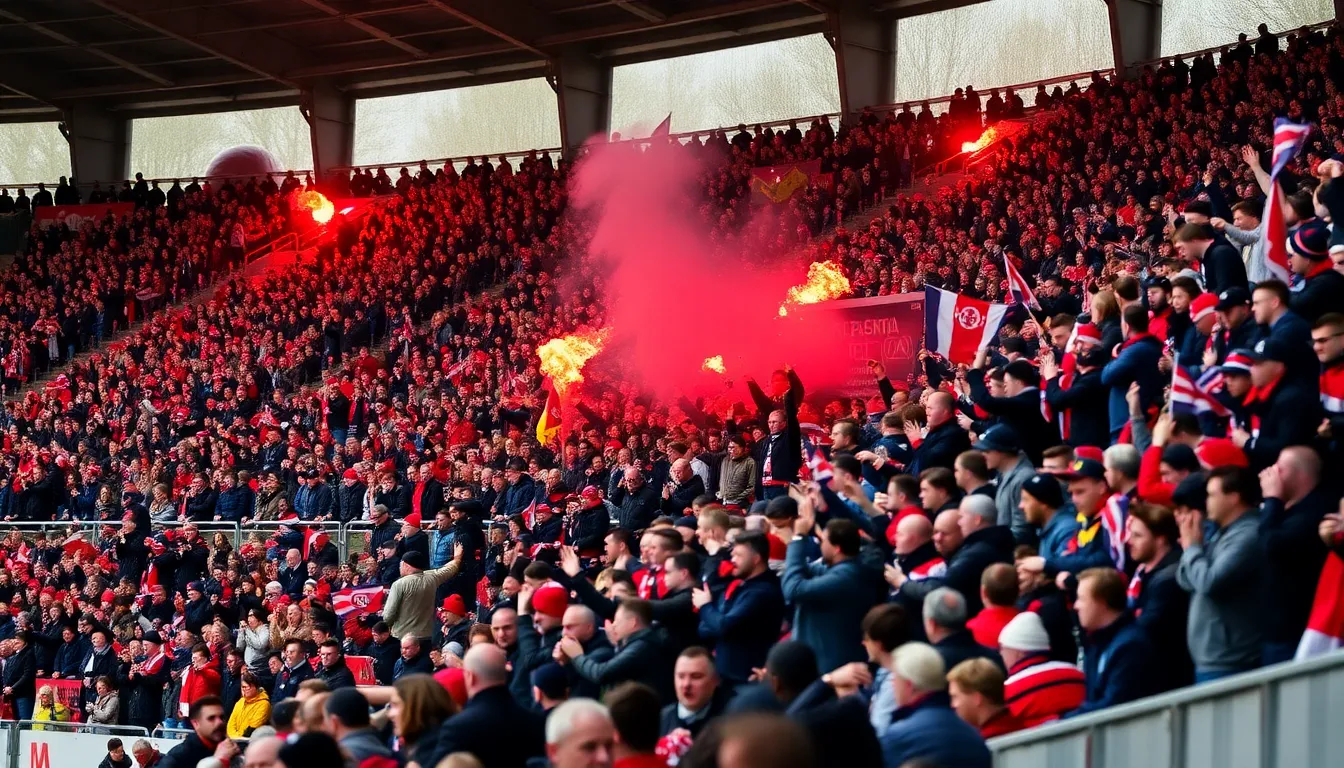
On the other hand, the Czech Football Association (FAČR) has a vested interest in upholding the integrity of the league. By imposing a significant fine, the association aims to deter future incidents of violence or misconduct during matches. This action reflects their commitment to ensuring player and fan safety, which is crucial for maintaining the sport’s popularity and financial viability.
- Fan Reactions: The incident may polarize fans, with some supporting the club and others calling for stricter measures against violence in football.
- Potential Legal Issues: The fine could lead to appeals or further legal challenges, depending on how Slavia Prague decides to respond.
- Economic Impact: The financial strain from the fine might affect the club’s budget for player acquisitions and other operational expenses.
- Sponsorship Concerns: Sponsors may reassess their partnerships with Slavia Prague in light of the negative publicity surrounding the incident.
Ultimately, the interplay between these stakeholders highlights the complex nature of governance in sports, where the actions of one entity can ripple through the entire ecosystem, affecting relationships, finances, and reputations across the board.
The financial and reputational impact on Slavia Prague and its supporters
The recent decision to fine Slavia Prague £357,000 following the abandonment of a derby match has far-reaching implications not only for the club but also for its supporters and the broader football community. This hefty penalty highlights the potential consequences of crowd disturbances and the importance of maintaining order during sporting events.
Supporters of Slavia Prague are directly affected, as the financial burden may lead to increased ticket prices or reduced investment in fan engagement initiatives. Furthermore, the club’s reputation may suffer, impacting its ability to attract new fans and sponsors. In the short term, this could lead to a decrease in match attendance as supporters may feel disillusioned by the club’s situation.
In terms of business impact, local vendors and businesses surrounding the stadium may see a decline in revenue due to reduced matchday attendance. This could result in layoffs or reduced hours for staff, affecting the livelihoods of those who rely on football-related commerce. Additionally, the club may need to reassess its marketing and community outreach strategies to rebuild trust and engagement with its fanbase.
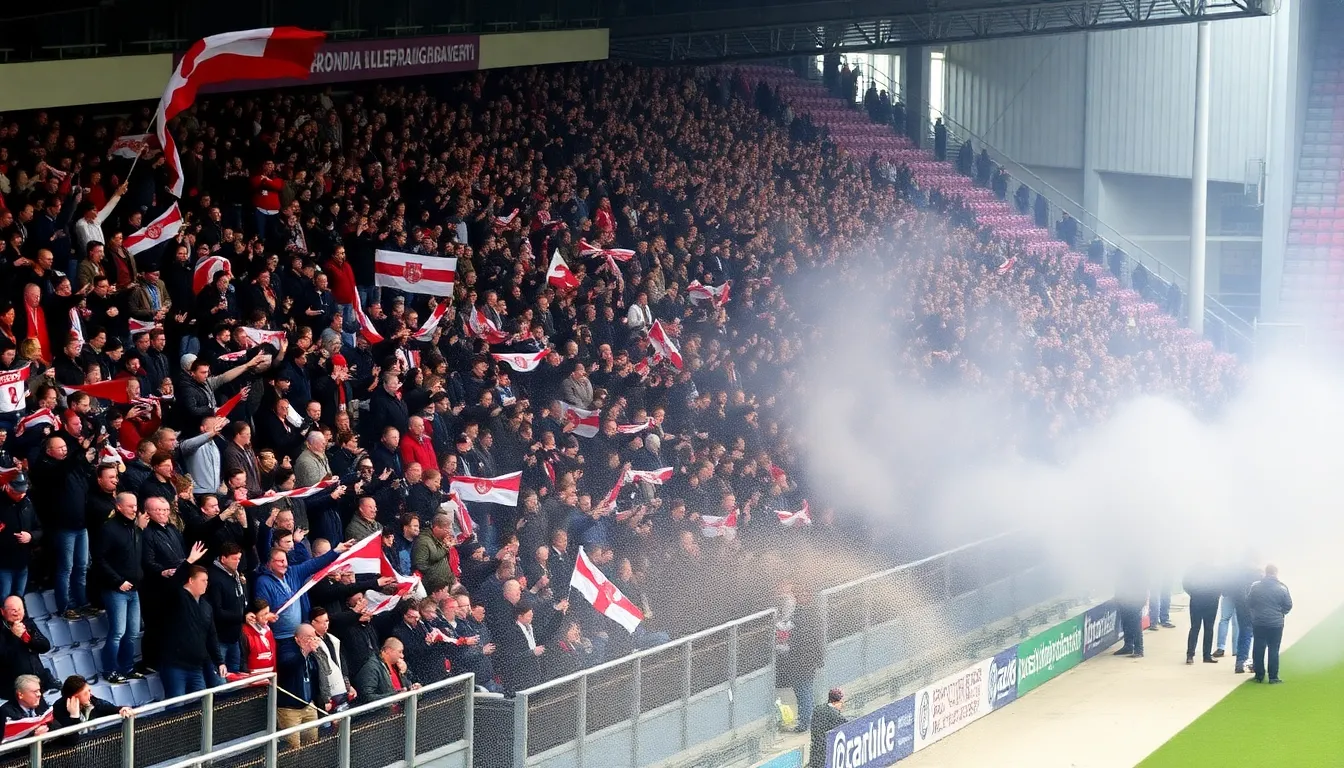
On a broader scale, this incident may prompt policy changes within the Czech football league regarding crowd control and safety measures. Clubs may be compelled to invest more in security and fan management, leading to increased operational costs. However, this could also present opportunities for companies specializing in security services to offer innovative solutions to clubs, potentially leading to a safer environment for fans.
- Increased ticket prices for supporters.
- Potential layoffs in local businesses reliant on matchday revenue.
- Policy changes regarding crowd safety and management.
- Opportunities for security firms to enhance stadium safety.
A: The derby match was abandoned due to significant crowd disturbances that posed safety risks for players and fans alike. A: The fine may affect Slavia Prague’s financial standing and could lead to stricter regulations on crowd control in future matches. A: Such incidents can tarnish the league’s image, raising concerns about safety and the management of fan behavior. A: Enhanced security protocols and fan engagement initiatives may be necessary to ensure safer match environments. A: It remains to be seen if Slavia Prague will appeal the decision, as they may seek to contest the severity of the penalty.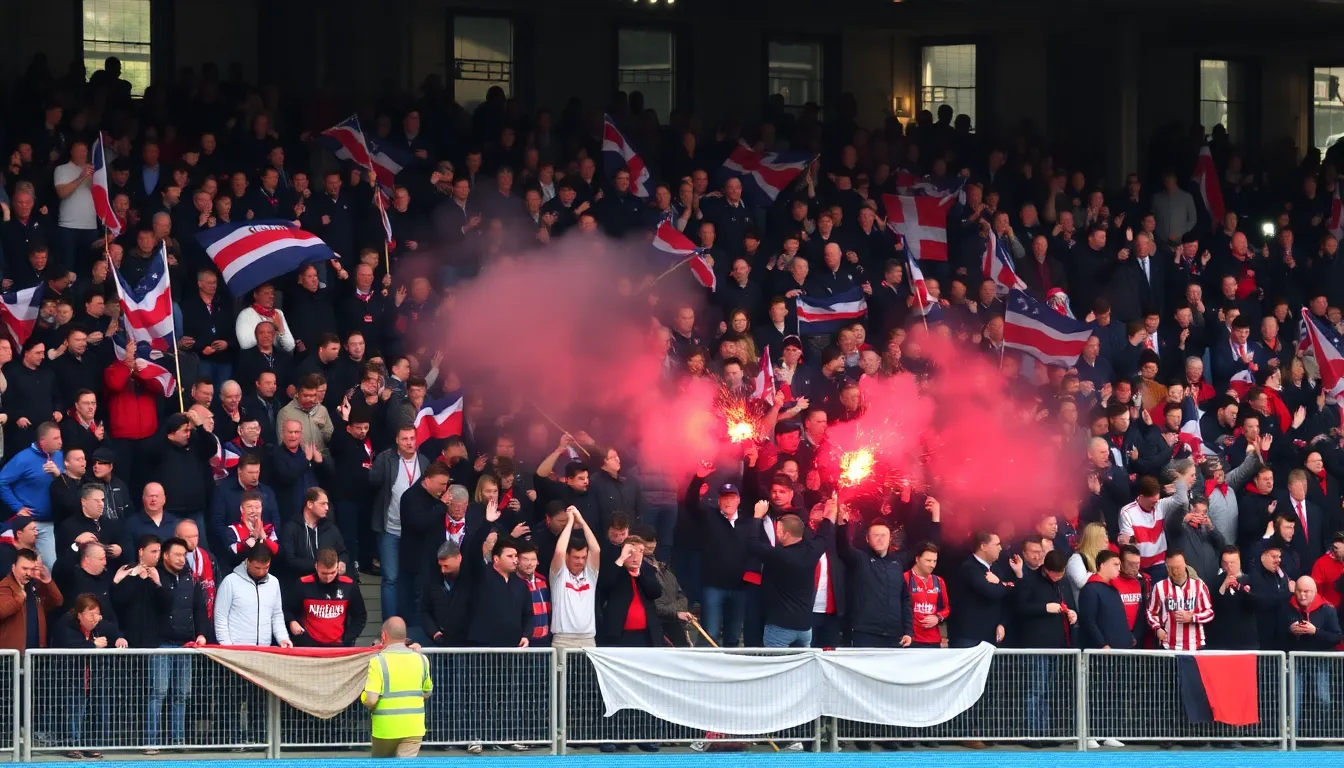
Frequently asked questions about the derby incident and fine
Key takeaways and future implications for Slavia Prague
The recent decision to fine Slavia Prague £357,000 following the abandonment of the derby highlights the significant financial and reputational repercussions that can arise from incidents of violence and disorder in football. This situation underscores the need for clubs to implement robust measures to ensure safety and maintain the integrity of the sport. Moving forward, Slavia Prague will need to reassess their security protocols and fan engagement strategies to mitigate the risk of similar incidents occurring in the future.
Additionally, this event may serve as a catalyst for broader discussions within the league regarding fan conduct and the responsibilities of clubs in managing their supporters. The potential for increased scrutiny from governing bodies could lead to stricter regulations and penalties, impacting not only Slavia Prague but the league as a whole.
- Increased focus on security measures at matches to prevent future incidents.
- Potential for higher fines and penalties for clubs failing to control fan behavior.
- Opportunities for Slavia Prague to enhance community engagement and promote positive fan culture.
- Impact on the club’s financial planning and budget allocation in light of the fine.
- Possibility of league-wide initiatives aimed at improving safety and fan experience.