Infantino has been in charge of FIFA since 2016 and has overseen significant changes in the organization, including the expansion of the World Cup and increased financial support for member associations. ASEAN’s backing is seen as a strategic move to ensure that the interests of Southeast Asian nations are represented in global football governance, particularly as the region prepares to host more international events. For more on the impact of FIFA’s decisions, see our article on federal tax exemptions for World Cup nations.
The support from ASEAN comes at a crucial time, as FIFA’s presidential elections are scheduled for March 2024. Infantino’s leadership has been met with both praise and criticism, but ASEAN’s endorsement signals a unified regional stance that may influence other member associations’ decisions in the lead-up to the elections.
Additionally, the ASEAN ministers highlighted the need for greater collaboration between FIFA and regional football bodies to develop the sport in Southeast Asia. This partnership is expected to enhance the capacity of local leagues and improve the overall standard of football in the region, making ASEAN’s endorsement of Infantino not just a political gesture but a commitment to the future of the sport. For insights on regional collaborations, check out our piece on AFC support for FIFA calendar changes.
The significance of ASEAN’s support in the global football landscape
The Association of Southeast Asian Nations (ASEAN) has emerged as a crucial player in the global football arena, particularly with its recent pledge to support Gianni Infantino for another four-year term as FIFA President. This endorsement not only reflects ASEAN’s growing influence in international sports governance but also highlights the region’s commitment to enhancing its presence in the world of football.
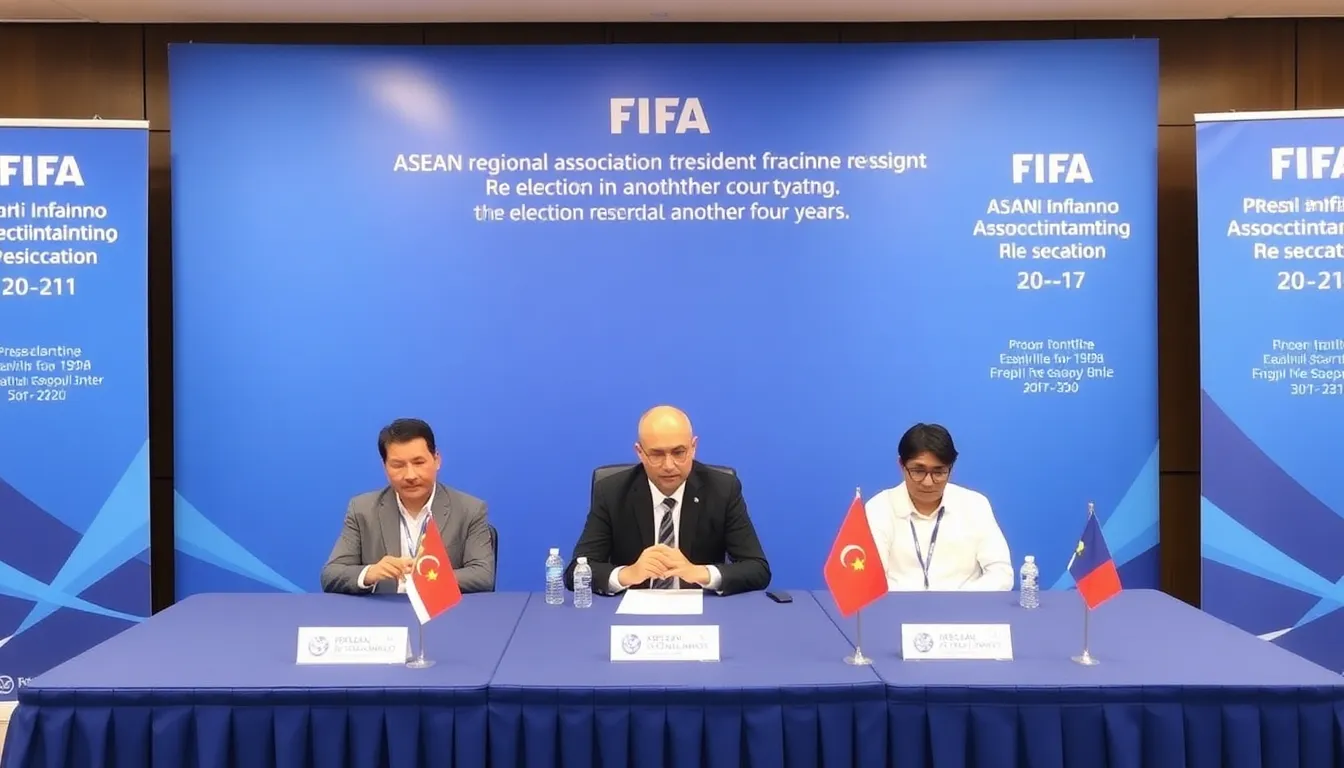
Historically, ASEAN nations have faced challenges in establishing a unified voice in global sports, often overshadowed by larger football associations from Europe and South America. However, the collective support for Infantino signifies a strategic shift towards greater collaboration among member states, aiming to leverage their collective strength to influence decision-making processes within FIFA.
Infantino’s tenure has been marked by initiatives aimed at expanding football’s reach, particularly through the introduction of the FIFA World Cup expansion and various developmental programs. ASEAN’s backing is seen as a recognition of these efforts and a desire to further integrate Southeast Asia into the global football framework, ensuring that the region benefits from increased investment and infrastructure development.
Key milestones in ASEAN’s football journey
Over the years, ASEAN has made significant strides in football, with the establishment of the AFF Suzuki Cup and the ASEAN Football Federation that promote regional competitions. These events have not only fostered local talent but have also attracted international attention, paving the way for ASEAN to play a more prominent role in global football governance. The support for Infantino may lead to more opportunities for ASEAN nations to host international tournaments, thereby enhancing their visibility on the world stage.
Key stakeholders and implications of Infantino’s leadership
The recent pledge of support from the ASEAN regional association for Gianni Infantino’s re-election as FIFA President highlights a complex web of stakeholders with varying interests. Key actors include national football associations within ASEAN, Infantino himself, and larger global football entities. Each of these stakeholders has distinct motivations that shape their support or opposition to his continued leadership.
ASEAN member states, through their football associations, seek to enhance their visibility and influence within the global football landscape. By backing Infantino, they aim to secure more resources, funding, and opportunities for development programs that can elevate the standard of football in their regions. This support is not without trade-offs, as it may necessitate alignment with FIFA’s broader strategic goals, which may not always resonate with local interests.
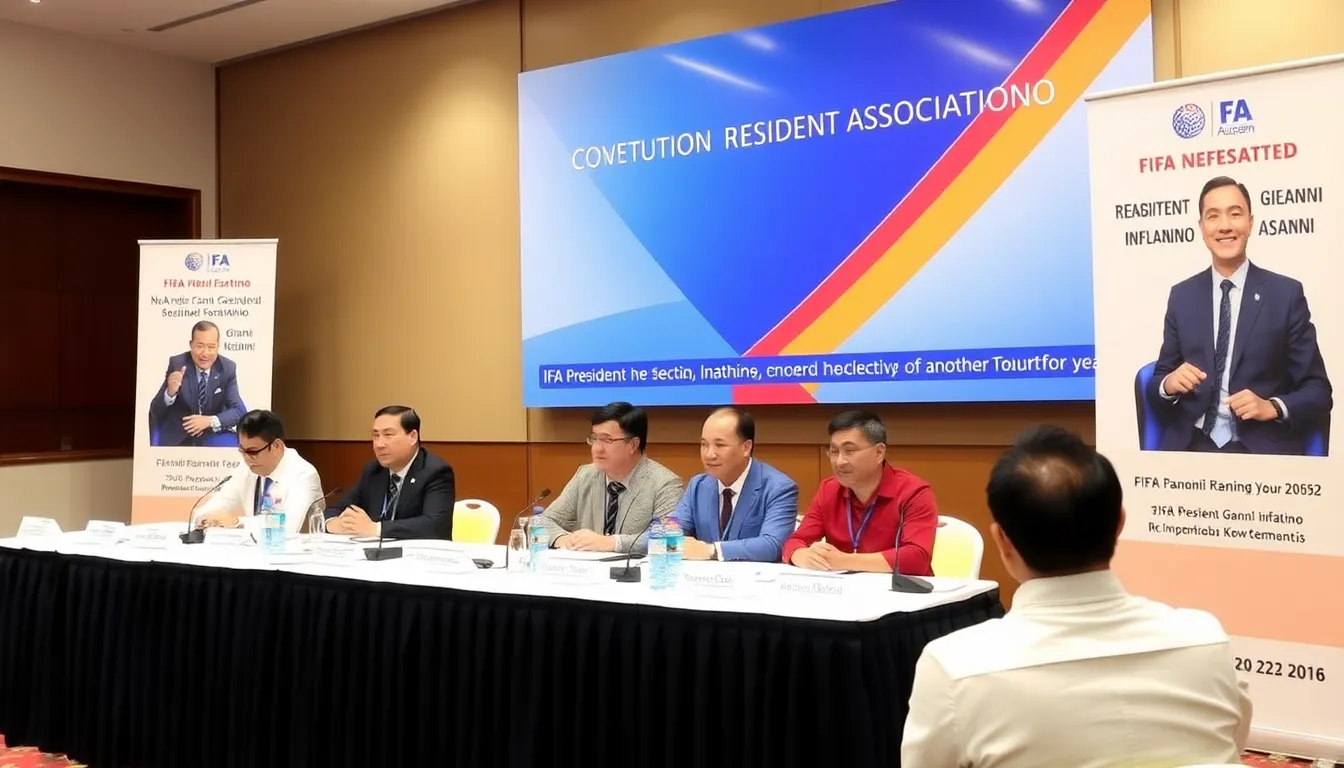
On the other hand, Infantino’s leadership has faced criticism regarding governance and transparency within FIFA. Stakeholders concerned about ethical issues may find themselves at odds with ASEAN’s support, highlighting a potential conflict between regional aspirations and global scrutiny. This tension underscores the need for a careful balancing act as ASEAN navigates its relationship with FIFA and its leadership.
- Resource Allocation: ASEAN countries may gain increased funding for grassroots initiatives.
- Governance Challenges: Continued support for Infantino may raise questions about FIFA’s commitment to transparency.
- Regional Influence: ASEAN’s backing could enhance its bargaining power in future FIFA decisions.
- Development Programs: Infantino’s leadership could lead to more tailored programs for developing football in Southeast Asia.
- Public Perception: The support may affect how local fans view both ASEAN and FIFA, impacting their engagement with football.
In conclusion, the implications of ASEAN’s support for Infantino’s re-election extend beyond mere political alignment; they reflect deeper economic and ethical considerations that will shape the future of football in the region. As these dynamics unfold, the interplay between local aspirations and global governance will continue to be a focal point of analysis for stakeholders involved. For a broader perspective on changes in football leadership, refer to our coverage on recent player transfers influencing football strategies.
How this decision affects football in the ASEAN region
The endorsement of Gianni Infantino for another four-year term by the ASEAN regional association brings significant implications for various stakeholders in the football ecosystem. This decision primarily impacts national football federations, local clubs, players, and fans across the ten ASEAN member states.
In the short term, the reaffirmation of Infantino’s leadership may lead to increased investment in football infrastructure and grassroots programs within the region. This could enhance the quality of training facilities and coaching, benefiting aspiring players and elevating the overall standard of the sport. Additionally, it may foster stronger collaboration between ASEAN countries in organizing tournaments and sharing best practices.
However, there are also risks associated with this decision. The potential for continued favoritism towards larger football markets could exacerbate the existing disparities within the region. Smaller nations may struggle to gain equal footing, leading to a lack of competitive balance in regional competitions.
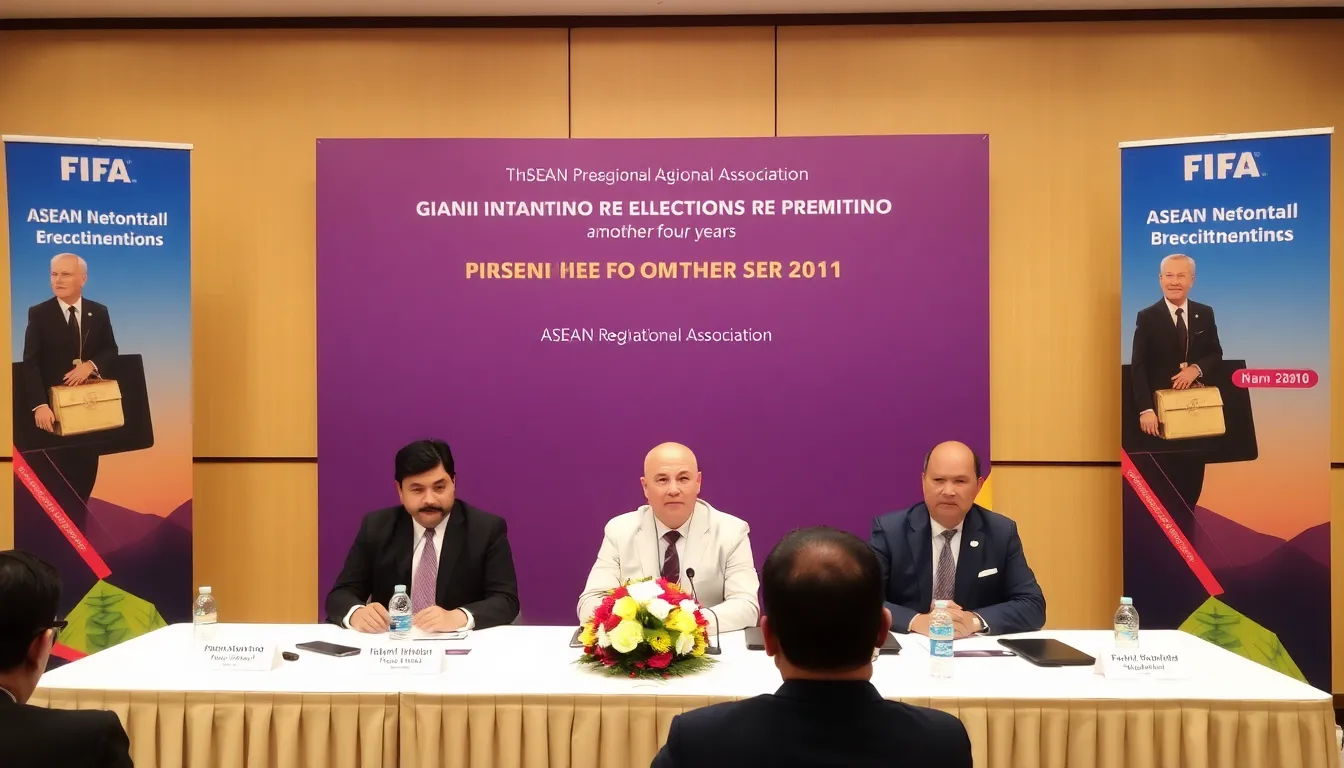
- Opportunities: Enhanced funding for youth programs and infrastructure development.
- Risks: Increased disparity between larger and smaller football nations.
- Long-term impacts: Potential for a more unified ASEAN football identity.
In the mid-term, the focus on regional cooperation could open doors for ASEAN teams to participate in more international competitions, thus raising their profiles on the global stage. This may lead to increased sponsorship opportunities and greater fan engagement, ultimately benefiting local economies.
A: ASEAN believes that Infantino’s leadership has positively impacted football development in the region, and they want to continue this progress. A: Infantino aims to enhance global football governance, promote inclusivity, and ensure sustainable growth for football worldwide. A: ASEAN’s backing may encourage other regional associations to express their support, potentially shaping the election dynamics. A: Infantino will need to address issues like financial transparency, governance reforms, and the ongoing impact of global events on football. A: Continued support for Infantino may lead to increased funding and resources for grassroots initiatives, benefiting local football communities.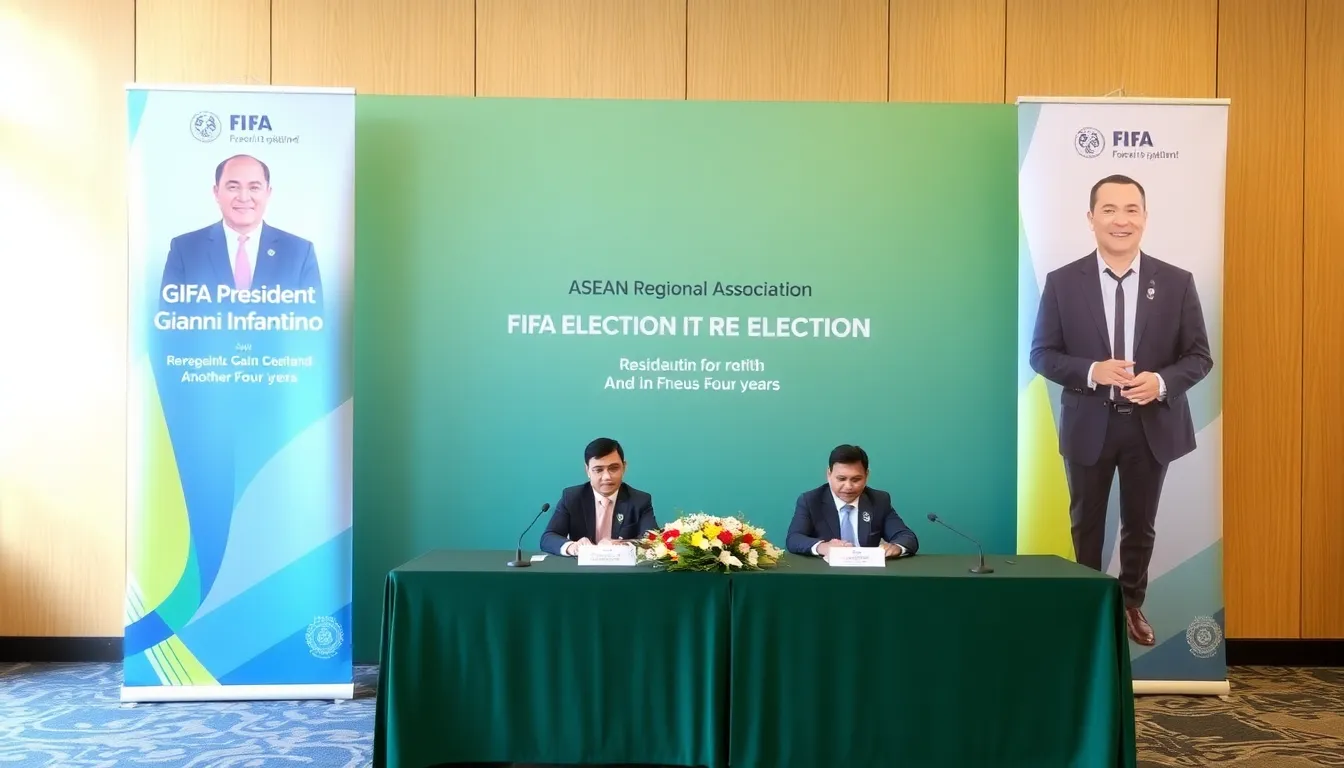
Frequently asked questions about the support for Infantino
Looking ahead: What this means for FIFA and ASEAN
The ASEAN regional association’s pledge of support for Gianni Infantino’s candidacy for another four-year term as FIFA president signifies a strengthening of ties between the organization and the football governing body. This endorsement not only reflects the confidence ASEAN has in Infantino’s leadership but also suggests a commitment to collaborative growth in football across the region. As ASEAN nations continue to develop their football infrastructure and talent, this backing may lead to increased investment and resources flowing into Southeast Asian football.
Furthermore, this decision could influence FIFA’s strategic focus on expanding its global reach, particularly in emerging markets like ASEAN. The region’s support may encourage FIFA to prioritize initiatives that promote the sport’s growth, enhance competitive standards, and foster greater participation at all levels. Observers should monitor how this relationship evolves and the tangible benefits it brings to both ASEAN countries and FIFA as a whole.
- Increased Investment: Expect more funding directed towards football development programs in ASEAN countries.
- Enhanced Collaboration: Look for joint initiatives between FIFA and ASEAN aimed at improving coaching, training, and infrastructure.
- Regional Competitions: Anticipate the introduction or enhancement of regional tournaments that could elevate the profile of ASEAN football.
- Player Development: Watch for initiatives aimed at nurturing young talent within ASEAN, potentially leading to greater representation in international competitions.
- Strategic Partnerships: Monitor how ASEAN’s support for Infantino could lead to partnerships with other global football entities to boost the region’s visibility.