The new pricing structure has raised concerns among fans and local communities, especially given that there will be no concessions or discounts available for early bookings or group purchases. With the tournament scheduled to take place from June to July 2026, many are questioning the affordability of attending matches, particularly for families and budget-conscious fans.
FIFA’s decision to implement such high parking fees also reflects the increasing costs associated with hosting large-scale sporting events, similar to the factors influencing F1’s seven title hopefuls as they prepare for the 2026 season.
This move has sparked discussions about the balance between generating revenue and ensuring accessibility for fans. As the countdown to the World Cup continues, stakeholders are closely monitoring the potential effects of these parking fees on attendance and overall fan experience.
Understanding the reasons behind the price hike
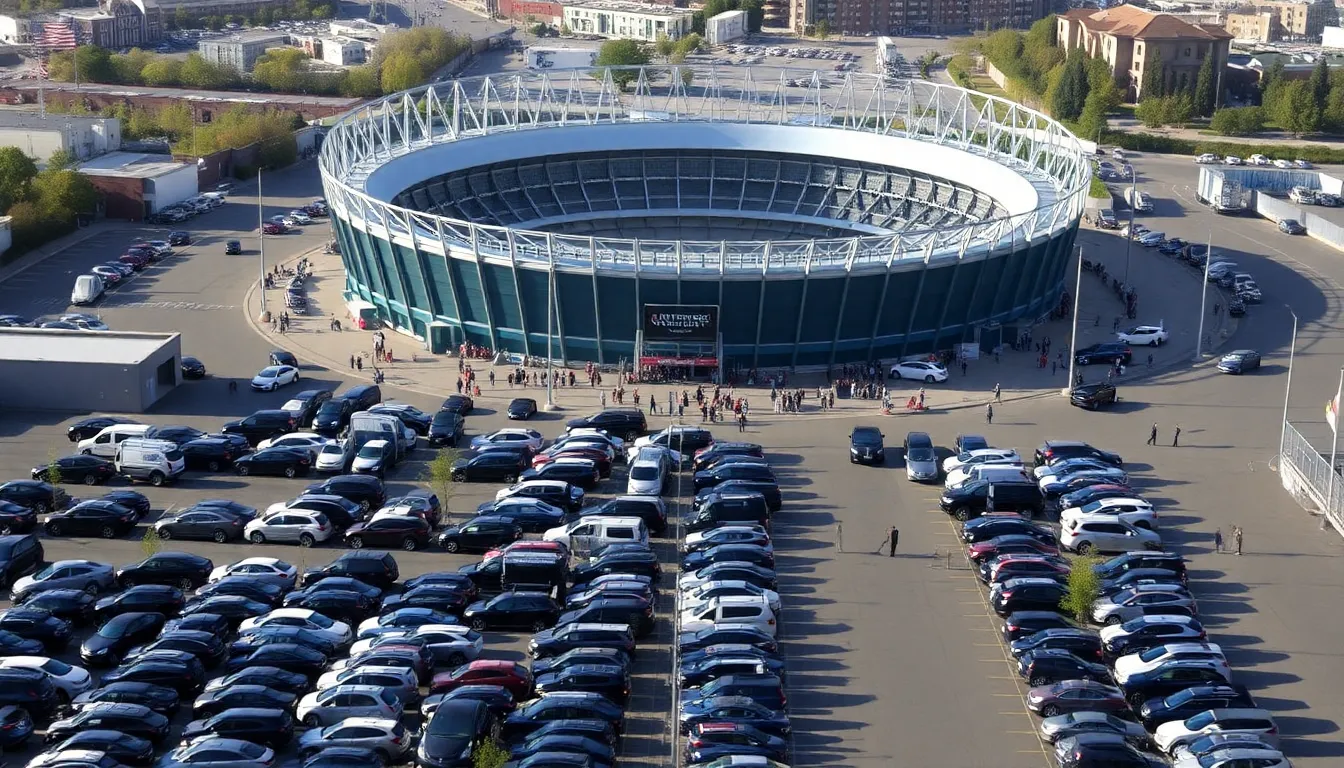
The decision by FIFA to raise parking prices to an average of $175 for the 2026 World Cup has sparked considerable debate among fans and stakeholders. This increase can be traced back to a combination of historical precedents, economic pressures, and the evolving landscape of major sporting events. As the world anticipates the first World Cup hosted across three countriesCanada, Mexico, and the United Stateslogistical challenges and heightened demand for services have played a significant role in shaping this pricing strategy.
Historically, FIFA has faced scrutiny over its pricing policies, particularly in relation to fan accessibility, and as seen in the upcoming Women’s World Cup Brazil 2027, similar concerns about affordability are being raised.
The Economic Landscape
The economic environment leading up to the 2026 World Cup is marked by inflation and rising costs across various sectors. As cities prepare to host millions of visitors, the financial burden on local governments and businesses has increased, prompting them to pass costs onto consumers. This economic strain is compounded by the fact that the World Cup is expected to attract a record number of attendees, further intensifying demand for parking and other services. Consequently, FIFA’s decision to set higher prices reflects a broader trend where major events are increasingly viewed as opportunities for revenue generation rather than as platforms for inclusivity.
Moreover, the strategic partnerships formed between FIFA and local sponsors have influenced pricing structures. With significant investments at stake, there is a push to maximize profits, which can lead to higher costs for fans. This shift in focus raises concerns about the long-term implications for the sport and its relationship with its audience, particularly as fans grapple with the reality of attending a global event that may be financially out of reach for many.
Examining the implications for fans and stakeholders
The recent announcement by FIFA regarding the hike in parking prices for the 2026 World Cup has sparked a range of reactions from various stakeholders. As parking fees soar to an average of $175, fans, local businesses, and governing bodies are all affected, each with their own interests and concerns.
For fans, the increased cost of parking poses a significant financial burden, particularly for families and individuals who may already be facing high ticket prices and travel expenses. The lack of concessions or discounts further exacerbates the situation, leading to discontent among supporters who feel that their loyalty is being exploited.
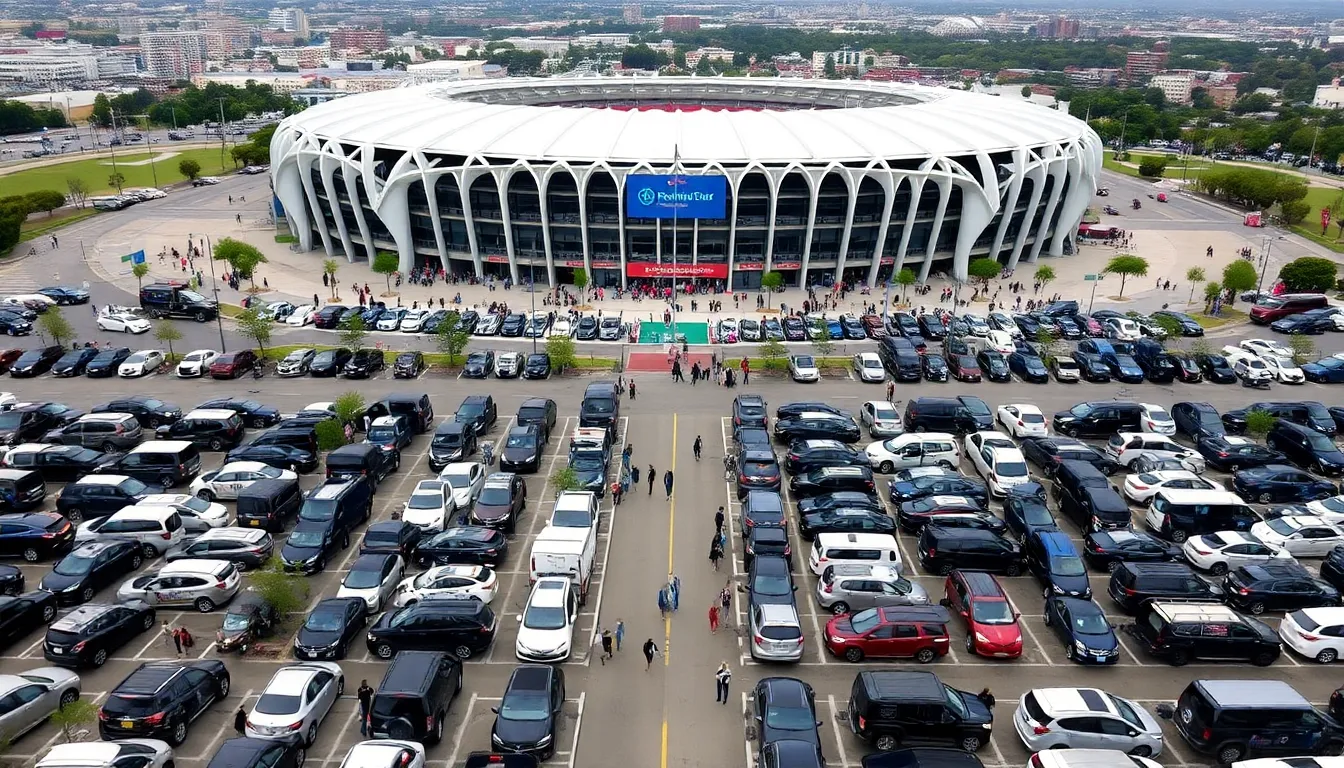
Local businesses, especially those in proximity to stadiums and event venues, have a vested interest in the World Cup’s success. While higher parking prices could deter some fans from attending, it might also drive them to seek alternative means of transportation, potentially benefiting local restaurants and shops. However, if attendance drops due to high costs, these businesses could suffer economically.
Governments and city officials are also key players in this scenario, especially when considering how this impacts local businesses that may thrive on the tourism generated by the World Cup, emphasizing the need for a balance similar to the one seen during events like the recent record-breaking matches.
- Economic Impact: Higher parking fees could reduce overall attendance, affecting local economies reliant on tourism.
- Fan Experience: Increased costs may lead to a diminished experience for fans, impacting their willingness to attend future events.
- Stakeholder Relations: FIFA’s decisions may strain relationships with local governments and businesses, leading to conflicts over event logistics.
- Long-term Effects: The actions taken during this World Cup could set a precedent for future events, influencing pricing and fan engagement strategies.
How the price increase affects attendees and local economies
The recent decision by FIFA to hike parking prices to an average of $175 for the 2026 World Cup is set to impact various groups, particularly attendees, local businesses, and residents in host cities. Fans traveling from around the globe will face higher costs, which could deter attendance or alter travel plans. This shift may disproportionately affect lower-income fans and families, who may struggle to afford the increased expenses associated with attending the event.
Local economies in host cities, such as hotels, restaurants, and retail shops, may experience a mixed impact. While the influx of tourists typically boosts sales, the high parking fees could lead to reduced foot traffic and spending, as visitors may opt for alternative accommodations or dining options that are less expensive. In the short term, businesses reliant on event-related traffic might see a dip in revenue, leading to potential layoffs or reduced hours.
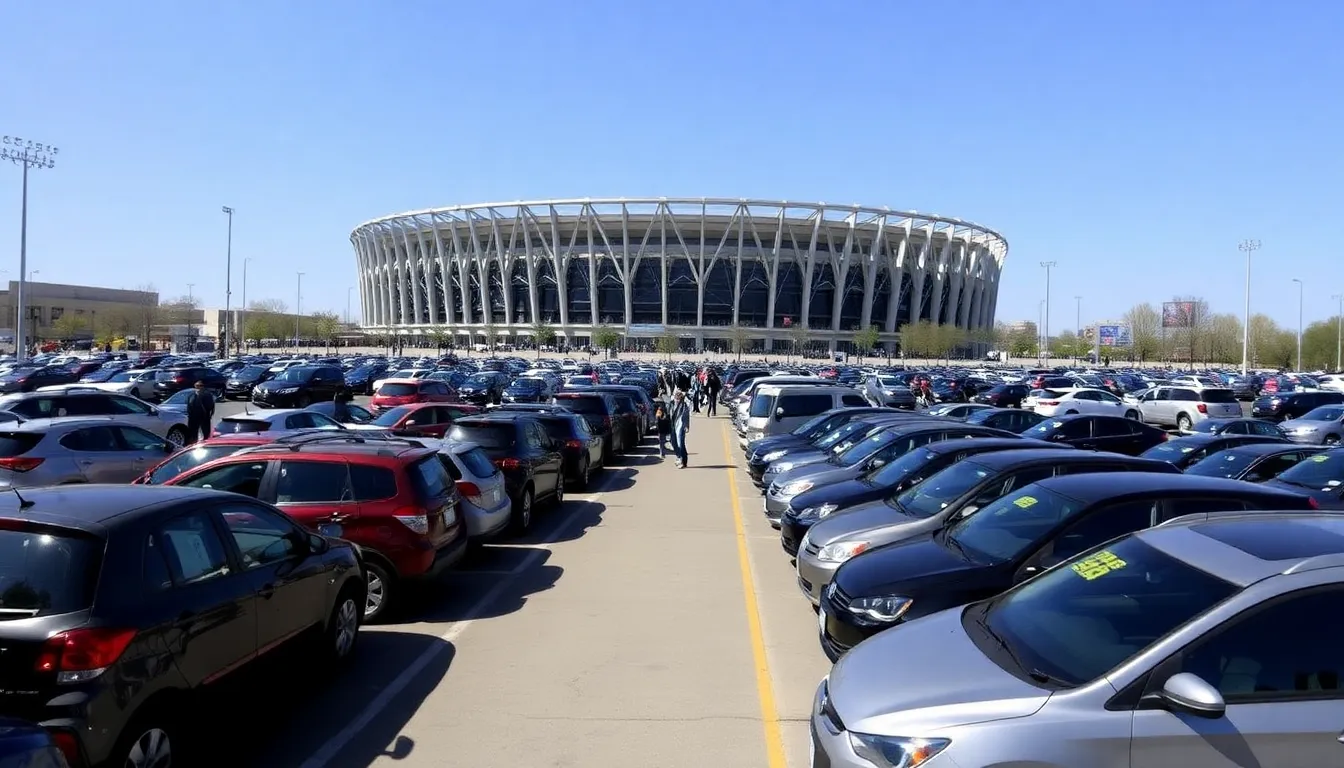
Moreover, the price hike could influence local policies regarding transportation and infrastructure. Cities may need to reconsider their parking strategies, potentially investing in public transit options to accommodate those deterred by high parking costs. This could lead to long-term improvements in urban transport systems, benefiting residents beyond the World Cup.
- Increased financial burden on fans.
- Potential decline in local business revenue.
- Shift in transportation policies and investments.
- Opportunities for alternative transport services to flourish.
- Increased demand for affordable accommodations and services.
While the parking price increase poses risks for attendance and local economies, it also opens avenues for innovation in transportation and hospitality services. Companies that provide shuttle services or rideshare options may find new opportunities to cater to the needs of fans looking to avoid high parking fees. Additionally, local businesses that adapt by offering package deals or promotions may still thrive amidst the challenges posed by the price hike.
A: The new average parking price has been set at $175, reflecting a substantial increase from previous events. A: Unfortunately, there are no concessions or discounts available for parking during the 2026 World Cup. A: The price increase may deter some fans from attending, as parking costs can significantly add to the overall expenses of the trip. A: FIFA cites increased operational costs and the need to enhance infrastructure as key reasons for the price hike. A: Yes, fans are encouraged to explore public transportation and rideshare options to mitigate parking costs.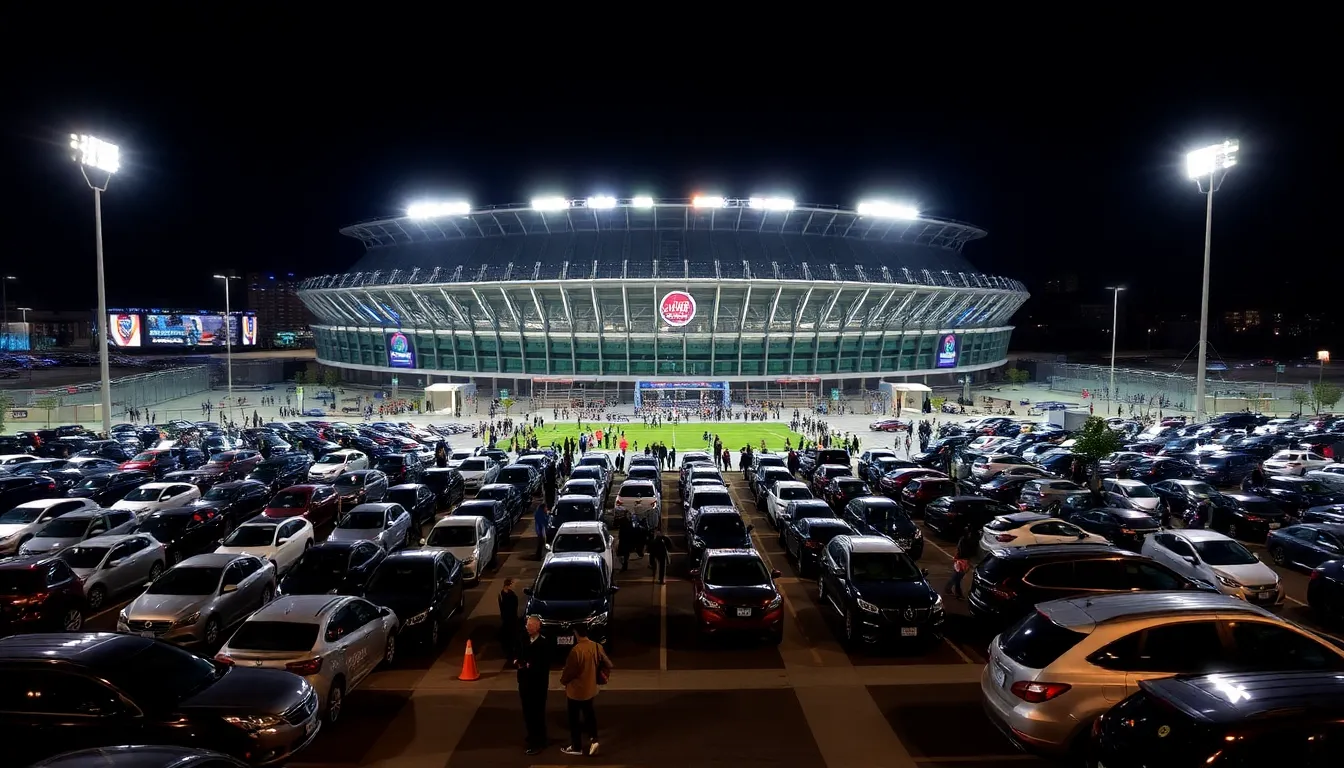
Frequently asked questions about parking for the World Cup
Key takeaways and future outlook on parking costs
The decision by FIFA to increase parking prices to an average of $175 for the 2026 World Cup reflects the growing demand and financial implications of hosting such a major international event. This pricing strategy, coupled with the absence of concessions, raises questions about accessibility for fans and the overall experience during the tournament. As cities prepare for the influx of visitors, the impact on local economies and transportation infrastructures will be significant.
<pStakeholders, including local businesses and event organizers, will need to adapt to these changes. Fans may seek alternative transportation options, leading to a potential shift in how attendees navigate the event. Monitoring the reactions from the public and local authorities will provide insight into the effectiveness of FIFA's pricing model and its implications for future events.
- Monitor fan reactions to high parking costs and potential shifts to alternative transportation methods.
- Assess the impact on local businesses and tourism as fans adapt to new parking realities.
- Watch for possible adjustments in pricing strategies from FIFA or local organizers in response to public feedback.
- Evaluate the long-term effects on event accessibility and inclusivity for a diverse fanbase.
- Consider the implications for future major sporting events and their approach to fan engagement and logistics.