The upcoming races are crucial for drivers and teams alike, as they will significantly impact the championship standings. Currently, Max Verstappen leads the drivers’ championship, but his main competitors, including Lewis Hamilton and Charles Leclerc, are eager to close the gap and capitalize on any mistakes that may arise during these high-pressure events. For more information on how these rivalries affect the overall dynamics, check out our article on team strategies.
Teams are also focused on optimizing their performance, with recent upgrades being tested in preparation for the unique challenges each circuit presents. The street circuit in Singapore, for example, is known for its tight corners and humidity, while the high-speed layout of Suzuka in Japan demands precision and skill.
Moreover, the fan engagement is expected to peak during this period, with increased viewership and attendance at the races. The excitement surrounding these key events not only fuels the competitive spirit among teams but also enhances the overall spectacle of the sport, drawing in both dedicated fans and new audiences alike.

Understanding the significance of the upcoming races
The Formula 1 season has always been a spectacle of speed, strategy, and skill, but this year it holds particular significance as four key races are set to unfold in just five weeks. This intense schedule not only heightens the excitement for fans but also plays a crucial role in shaping the championship standings. Historically, these races have been pivotal in determining the trajectory of the season, often leading to dramatic shifts in driver and constructor standings.
The backdrop of this year’s races is steeped in a rich history of competition and innovation. The F1 calendar has evolved over the decades, with races being added, removed, and reshaped to enhance the overall spectacle. The introduction of new circuits and the return to historic tracks have created a dynamic environment where teams must continuously adapt. The upcoming races, including iconic venues, are expected to test the limits of both drivers and their machines, making every point earned invaluable. For further insights, you can see how these changes impact local economies in our piece on economic implications.
The economic impact of F1
Beyond the thrill of competition, the economic implications of these races are significant. Formula 1 is not just a sport; it is a global business that generates billions in revenue through sponsorships, broadcasting rights, and tourism. The concentration of races in a short period can lead to heightened economic activity in host cities, as fans flock to the venues. This influx of visitors supports local economies and showcases the cultural significance of F1 around the world.
Moreover, the political landscape surrounding F1 cannot be overlooked. The sport often serves as a platform for countries to showcase their technological advancements and hospitality. As nations invest heavily in hosting races, they also engage in a form of soft diplomacy, aiming to strengthen international relations through the global audience that F1 attracts. The upcoming races are not just about competition; they are also about national pride and the desire to be recognized on the world stage.

As the countdown to these pivotal races begins, fans and teams alike are bracing for an exhilarating showdown. The historical context, economic stakes, and political undertones all contribute to why this season is set to ignite, making it a must-watch for motorsport enthusiasts around the globe.
Key teams and drivers to watch in these pivotal events
The upcoming F1 season is poised to capture the attention of fans and stakeholders alike, with four key races scheduled within a five-week span. This period is critical as it could significantly influence the championship standings and the dynamics between teams and drivers. Key actors in this scenario include the teams, drivers, sponsors, and governing bodies like the FIA.
One of the primary stakeholders is the F1 teams, each with their own interests in securing points and enhancing their standings. Teams like Mercedes, Red Bull Racing, and Ferrari are under pressure to perform, not only for championship points but also for securing lucrative sponsorships and maintaining their competitive edge. The rivalry between these teams often leads to intense on-track battles, but it also raises issues related to resource allocation and strategic decisions.
Drivers are another crucial element in this analysis. Stars like Lewis Hamilton and Max Verstappen are not just competitors; they are brand ambassadors and key influencers in the sport. Their performances can impact team morale and fan engagement, making them central to their teams’ strategies. However, conflicts can arise, especially when aggressive driving leads to collisions or controversial decisions by race officials, which can have broader implications for team dynamics and public perception. For a different perspective, you might explore our coverage on athlete recoveries.
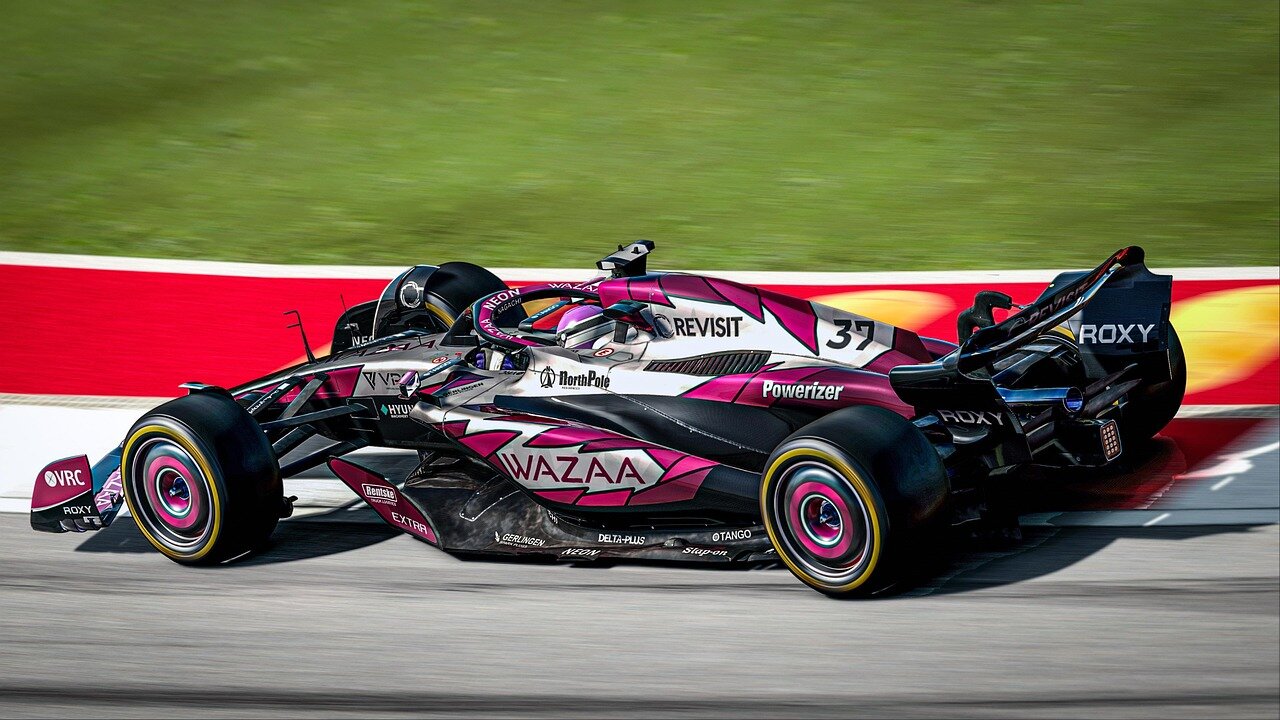
- Economic Interests: Teams are vying for financial stability through sponsorship deals and prize money, making performance in these races critical.
- Legal Considerations: The FIA’s regulations on car specifications and driver conduct can lead to disputes, particularly when teams interpret rules differently.
- Fan Engagement: The excitement of these races can enhance fan loyalty and engagement, which is vital for the sport’s growth and revenue generation.
- Environmental Concerns: As F1 moves towards sustainability, teams must balance performance with environmental responsibilities, which can create tension in decision-making.
In summary, the interplay between these stakeholders and the issues at hand will shape the narrative of the upcoming races. The stakes are high, and how these dynamics unfold will not only affect the championship standings but also the broader landscape of Formula 1 racing.
How these races will affect the championship standings
The upcoming four key races in five weeks are set to have a significant impact on various groups and industries, particularly those directly linked to Formula 1. Fans, teams, sponsors, and local economies in the host regions will all feel the effects as the championship battle intensifies.
In the short term, local businesses surrounding the race venues, such as hotels, restaurants, and retail stores, are likely to experience a surge in activity. The influx of fans and teams will boost tourism and create temporary job opportunities, providing a much-needed economic lift for these areas. However, this can also lead to increased congestion and strain on local infrastructure.
Mid-term, the results of these races could influence team strategies and sponsorship deals. Teams that perform well may attract more investment and support, while those struggling might face financial challenges. This dynamic can lead to shifts in team personnel and technology investments, which could reshape the competitive landscape of F1.
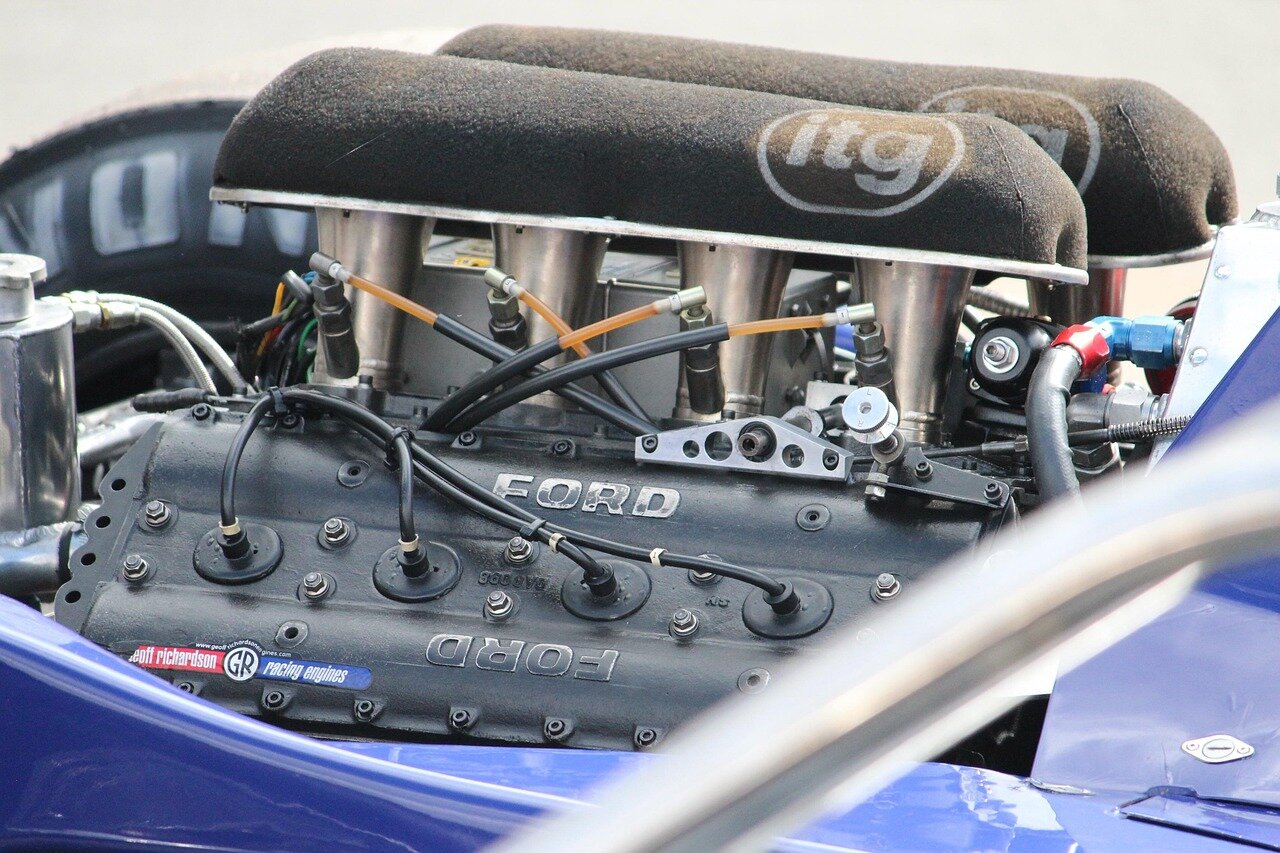
- Economic Boost: Increased spending in local economies during race weekends.
- Team Dynamics: Potential shifts in sponsorship and investment based on race outcomes.
- Fan Engagement: Heightened interest and participation from fans, both on-site and through media.
- Infrastructure Strain: Potential challenges for local services due to increased visitor numbers.
Moreover, the heightened visibility of Formula 1 during this critical period can lead to increased engagement from sponsors and advertisers, creating new opportunities for partnerships. Brands looking to capitalize on the excitement of the races may invest more heavily in marketing campaigns, potentially leading to innovative collaborations within the sport.
A: The key races include the Monaco Grand Prix, the Canadian Grand Prix, the British Grand Prix, and the Hungarian Grand Prix. Each of these races is crucial for the championship standings. A: These races are pivotal because they occur in quick succession and can significantly impact the points standings. Drivers and teams will be under immense pressure to perform. A: Fans can watch the races live on various sports networks and streaming platforms. Check local listings for broadcast times and channels. A: Fans can expect intense competition as teams bring upgrades and strategies tailored for each circuit. The performance of the cars will be closely scrutinized. A: Favorites often include top teams like Mercedes, Red Bull, and Ferrari, but surprises can always happen in F1. Watch for emerging talents as well.
Frequently asked questions about the F1 season
Looking ahead to the thrilling conclusion of the F1 season
The upcoming weeks promise to be pivotal in shaping the outcome of the F1 season, with four key races scheduled in just five weeks. Each of these events presents unique challenges and opportunities for teams and drivers, making it essential for fans and analysts alike to closely monitor the developments. The intensity of competition is expected to rise, as teams push their limits to secure vital points that could determine the championship standings.
As the season reaches its climax, several factors will play a crucial role in influencing the results. From tire strategies to weather conditions, and the ever-present possibility of unexpected incidents, the next few races will test the mettle of both drivers and teams. Observers should remain vigilant, as the outcomes may not only affect the championship race but also set the stage for future seasons.
- Watch for strategic tire choices: Teams may adopt varying tire strategies based on track conditions, which could significantly impact race outcomes.
- Driver performance under pressure: Key contenders will need to demonstrate resilience and skill, particularly in high-stakes situations.
- Impact of team dynamics: Internal team relationships and decision-making processes could influence performance, especially when points are on the line.
- Weather variability: Unpredictable weather conditions may play a crucial role, affecting race strategies and outcomes.
- Potential for surprises: With the competitiveness of the grid, unexpected results are likely, making each race a potential game-changer.