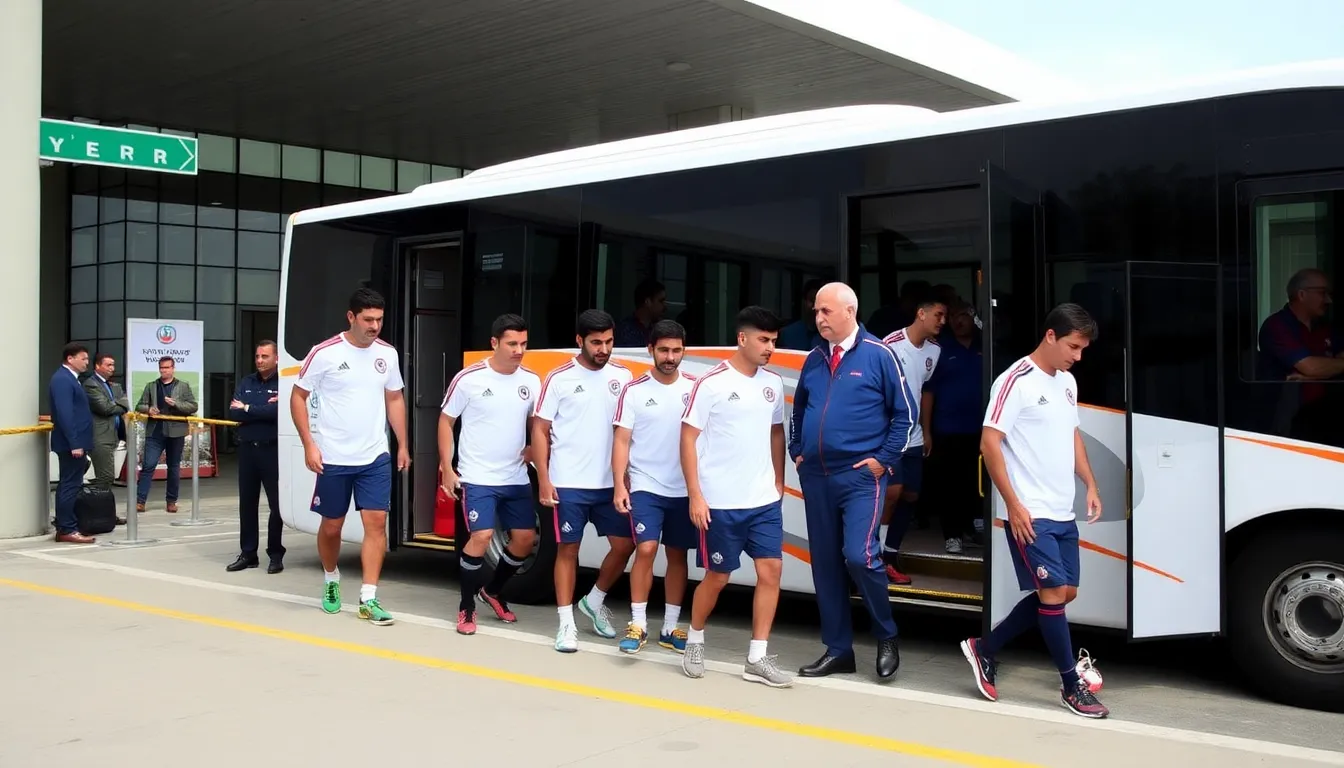
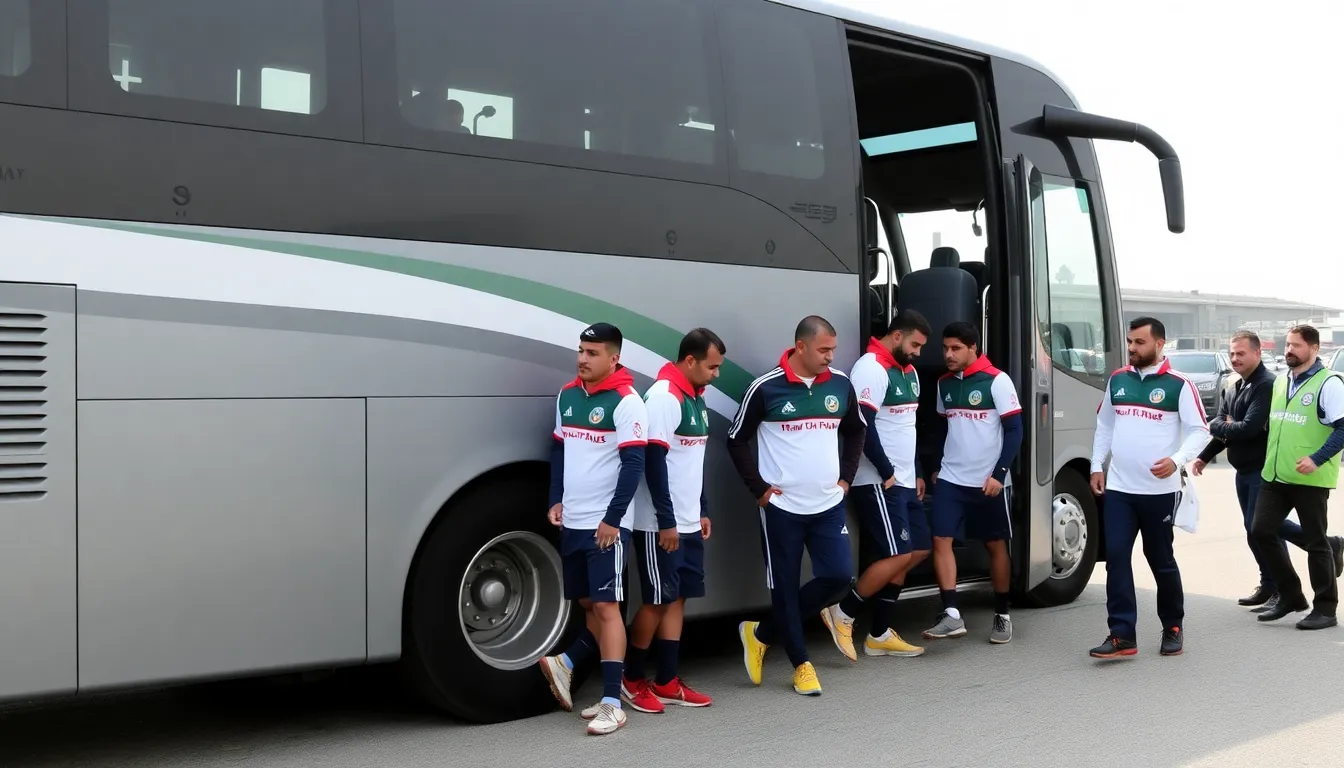
The Iranian national football team is currently preparing for a training camp in Turkey, set to begin on October 15, 2023. This training session is seen as a critical step for the team as they gear up for upcoming international competitions, including World Cup qualifiers. The presence of American representatives at the FIFA meetings underscores a willingness to engage in dialogue beyond the sports arena.
Key figures from both sides participated in the discussions, emphasizing the importance of sports as a unifying force. The meetings not only addressed football-related issues but also touched on broader themes of cooperation and understanding, suggesting that both nations may be open to further engagement in various sectors.
As the Iranian team heads to Turkey, the implications of these talks could extend beyond the pitch, potentially influencing future diplomatic interactions. Observers are keenly watching how this newfound momentum in sports diplomacy might pave the way for more significant discussions on pressing geopolitical issues.
Understanding the significance of FIFA talks in international relations
The recent FIFA talks have opened a new chapter in the relationship between Iran and the United States, highlighting the potential for diplomatic engagement through the universal language of sports. Historically, the two nations have had a tumultuous relationship, marked by decades of political tension and economic sanctions. However, the realm of sports, particularly football, has often served as a bridge for dialogue and understanding, allowing for interactions that transcend political boundaries.
The backdrop of these talks is rooted in the broader context of U.S.-Iran relations, which have been strained since the 1979 Iranian Revolution. The overthrow of the Shah, a U.S. ally, led to the establishment of the Islamic Republic of Iran, resulting in the severance of diplomatic ties. Since then, various events, including the Iran Hostage Crisis and ongoing disputes over Iran’s nuclear program, have further complicated relations.
Iran’s national football team, known as Team Melli, has historically been a source of national pride and unity. Their participation in international tournaments has often been accompanied by calls for greater recognition and dialogue with the West. The recent positive discussions during FIFA meetings have been seen as a potential thawing of relations, with both sides recognizing the power of sports to foster goodwill and cooperation. This shift could pave the way for more comprehensive discussions on pressing political and economic issues.
Milestones in U.S.-Iran Sports Diplomacy
Several key milestones illustrate the role of sports in U.S.-Iran relations. Notably, during the 1998 FIFA World Cup, the Iranian team’s victory over the U.S. team was celebrated in Iran as a moment of national pride, while also prompting discussions about sportsmanship and mutual respect. More recently, the 2018 World Cup saw a similar dynamic, where both nations’ fans expressed hopes for peace through football. These instances demonstrate how sporting events can serve as a platform for dialogue and understanding, even amidst broader geopolitical tensions.
Key stakeholders and issues surrounding Iran’s FIFA engagement
The recent positive discussions between Iran and FIFA have opened a new chapter in the relationship between Iran and the United States. This development involves multiple stakeholders, including the Iranian government, the U.S. government, FIFA, and the Iranian national football team. Each actor has distinct interests that influence their engagement in this dialogue.
The Iranian government is keen to leverage sports diplomacy to improve its international standing and ease economic sanctions. By engaging positively with FIFA, Iran aims to showcase its commitment to international norms and potentially gain favor with Western nations, particularly the U.S. This could lead to broader discussions on diplomatic relations and economic cooperation.
On the other hand, the U.S. government has its own set of interests. While it seeks to maintain pressure on Iran regarding its nuclear program and regional activities, it also recognizes the potential for sports to act as a bridge for dialogue. The U.S. may view these FIFA talks as an opportunity to engage with Iran in a less contentious arena, which could pave the way for future negotiations.
- FIFA’s Role: As the governing body of football, FIFA aims to promote the sport globally while ensuring compliance with its regulations. It has an interest in maintaining a positive relationship with all member nations, including Iran.
- Economic Implications: The potential easing of sanctions could lead to economic benefits for both nations, impacting trade and investment opportunities.
- Public Sentiment: The Iranian national football team’s performance and international engagement can influence public opinion domestically and internationally, affecting the political landscape.
- Legal Considerations: Any agreements or concessions made during these talks must navigate complex legal frameworks related to sanctions and international law.
- Geopolitical Dynamics: The outcome of these discussions could alter the existing geopolitical landscape, affecting relationships with other regional players.
In summary, the intersection of sports diplomacy and international relations presents a complex scenario where various stakeholders must navigate their interests and the potential conflicts that arise from them. The ongoing FIFA talks represent a significant moment that could have lasting implications for Iran-U.S. relations and beyond.
Potential impacts on sports diplomacy and international relations
The recent positive talks between Iran and the USA regarding FIFA have the potential to impact various groups and industries significantly. The most immediate beneficiaries are the athletes and sports organizations involved in football, as well as fans who have long awaited a thaw in relations. This development may also resonate with broader diplomatic circles, influencing how other nations perceive and engage with both Iran and the USA.
In the short term, the Iranian football team’s training camp in Turkey could enhance the visibility of Iranian athletes on the international stage, fostering goodwill and potentially leading to increased sponsorship and investment opportunities in sports. This could also encourage other sports teams and organizations to explore collaborations with Iranian counterparts, paving the way for more inclusive sports diplomacy.
In the mid-term, the implications may extend beyond sports, as improved relations could lead to a ripple effect in trade and tourism. Regions with strong ties to Iran, such as the Middle East, may see increased economic activity as a result of a more open dialogue. However, this also brings risks, including the possibility of backlash from groups opposed to rapprochement, which could lead to political instability.
- Risks: Potential backlash from hardline factions within Iran and the USA.
- Opportunities: Increased investment in sports and tourism; enhanced international cooperation.
- Impact on policy: Possible shifts in diplomatic strategies and foreign relations.
As these developments unfold, the interplay between sports and diplomacy will be closely monitored, with both short-term gains and long-term challenges likely to arise. The evolving landscape may redefine how nations engage with one another, particularly in the realm of sports, which often serves as a bridge for dialogue and understanding.
A: The FIFA talks resulted in positive discussions that may lead to improved diplomatic relations between Iran and the USA, highlighting the role of sports in diplomacy. A: The training camp in Turkey is part of Iran’s preparation for upcoming international competitions, which coincides with their efforts to enhance relations with the USA. A: The national team may benefit from increased support and visibility, which could strengthen their performance and international standing. A: Yes, there are potential risks, including backlash from hardliners within Iran and the USA who may oppose closer ties. A: Sports can serve as a platform for dialogue and cooperation, helping to bridge gaps between nations and foster mutual understanding.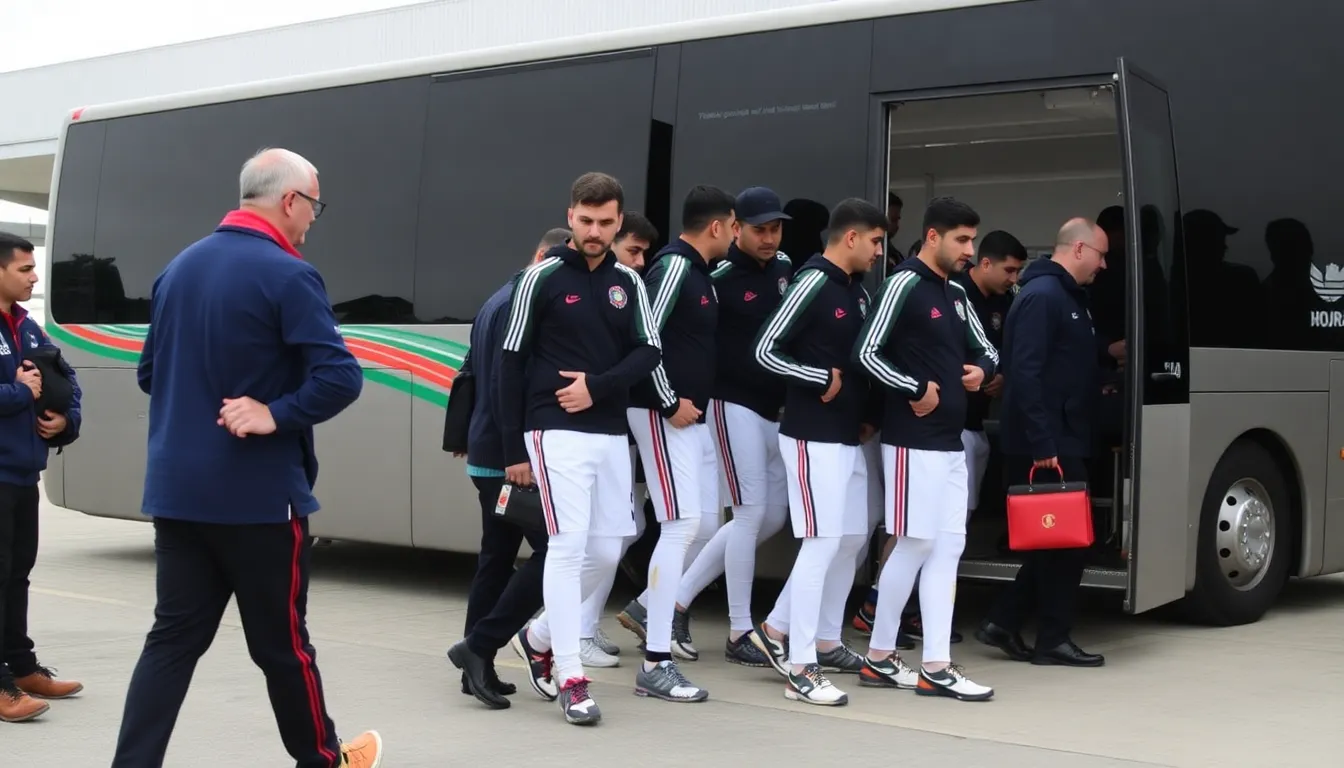
Frequently asked questions about Iran’s FIFA talks
Looking ahead: implications of Iran’s evolving relationship with the USA
The recent positive discussions between Iran and the USA during FIFA talks could signal a shift in diplomatic relations, particularly in the realm of sports and culture. As the Iranian national team embarks on its training camp in Turkey, the backdrop of these discussions may influence broader geopolitical dynamics, potentially fostering a more cooperative atmosphere.
As both nations navigate this evolving relationship, several scenarios could emerge, impacting not only sports diplomacy but also future negotiations on various fronts. Observers should remain vigilant as these developments unfold, as they may pave the way for more significant engagements between the two countries.
- Increased cultural exchanges between Iran and the USA, potentially leading to improved public perceptions.
- Potential for enhanced cooperation in sports, serving as a diplomatic bridge for broader discussions.
- Monitoring of any shifts in policy or rhetoric from both governments following these talks.
- Implications for regional stability as Iran’s relationship with the USA evolves.
- Impact on international sporting events and Iran’s participation in future competitions.