The issue gained traction following a series of contentious calls in matches throughout October 2023, where teams faced penalties for actions deemed fouls during corner kicks and free kicks. Nuno emphasized that the lack of clarity is affecting the integrity of the game and the players’ ability to compete fairly, as highlighted in Arsenal’s set-pieces create beauty in a tough match.
During a press conference, Nuno stated, “We don’t know what is a foul anymore,” highlighting the varying interpretations by referees. This ambiguity has led to increased tensions among teams and has sparked debate among fans regarding the fairness of officiating in high-stakes situations.
As discussions continue, the football community is calling for a standardized approach to set-piece officiating. Stakeholders, including league officials and referees, are being urged to revisit the guidelines to ensure that all teams understand the criteria for fouls, ultimately aiming to enhance the overall quality of the sport.
Understanding the rules surrounding fouls in football
The concept of fouls in football has evolved significantly since the sport’s inception in the late 19th century. Initially, the rules were ambiguous, leading to varied interpretations by referees and players alike. Over the years, governing bodies like FIFA and UEFA have implemented clearer guidelines to define what constitutes a foul, particularly in the context of set-pieces, which are crucial moments in any match.

Historically, the lack of consistency in officiating fouls has been a point of contention among players, coaches, and fans. The introduction of the Laws of the Game by the International Football Association Board (IFAB) in 1886 marked a pivotal moment in standardizing rules. However, the interpretation of these laws has often been influenced by the evolving nature of the game, leading to ongoing debates about what constitutes a foul, especially during set-pieces where physicality is more pronounced.
The impact of technology on officiating
In recent years, the introduction of video assistant referees (VAR) has aimed to reduce controversy surrounding foul decisions. However, this technology has also sparked its own debates, as the subjective nature of certain fouls can still lead to disagreements among officials and analysts. Coaches like Nuno Espírito Santo have voiced concerns about the clarity of foul definitions, particularly in set-piece situations, where the fine line between a fair challenge and a foul can be blurred, similar to the scrutiny surrounding Severe punishment for Kervin Arriaga with three match ban.
Economically, the stakes surrounding foul decisions have risen, with clubs increasingly reliant on performance metrics to secure sponsorships and broadcasting deals. A single foul call can significantly impact match outcomes, influencing league standings and financial implications for clubs. As such, the demand for a more transparent and consistent approach to officiating has never been more pressing.
Socially, the discourse surrounding fouls in football reflects broader issues of fairness, accountability, and the integrity of the sport. Fans and players alike are calling for reforms that ensure that the rules are applied uniformly, fostering a sense of trust in the officiating process. Nuno’s call for a review of set-piece fouls is indicative of a larger movement advocating for clarity and consistency in the beautiful game.
Key stakeholders and their perspectives on foul interpretations
The ongoing debate surrounding the interpretation of fouls in football has drawn attention from various stakeholders, each with distinct interests and viewpoints. At the forefront of this discussion is Nuno Espírito Santo, the head coach advocating for a more consistent review of set-piece decisions. His primary concern lies in the fairness of the game, as inconsistent foul calls can significantly impact match outcomes.
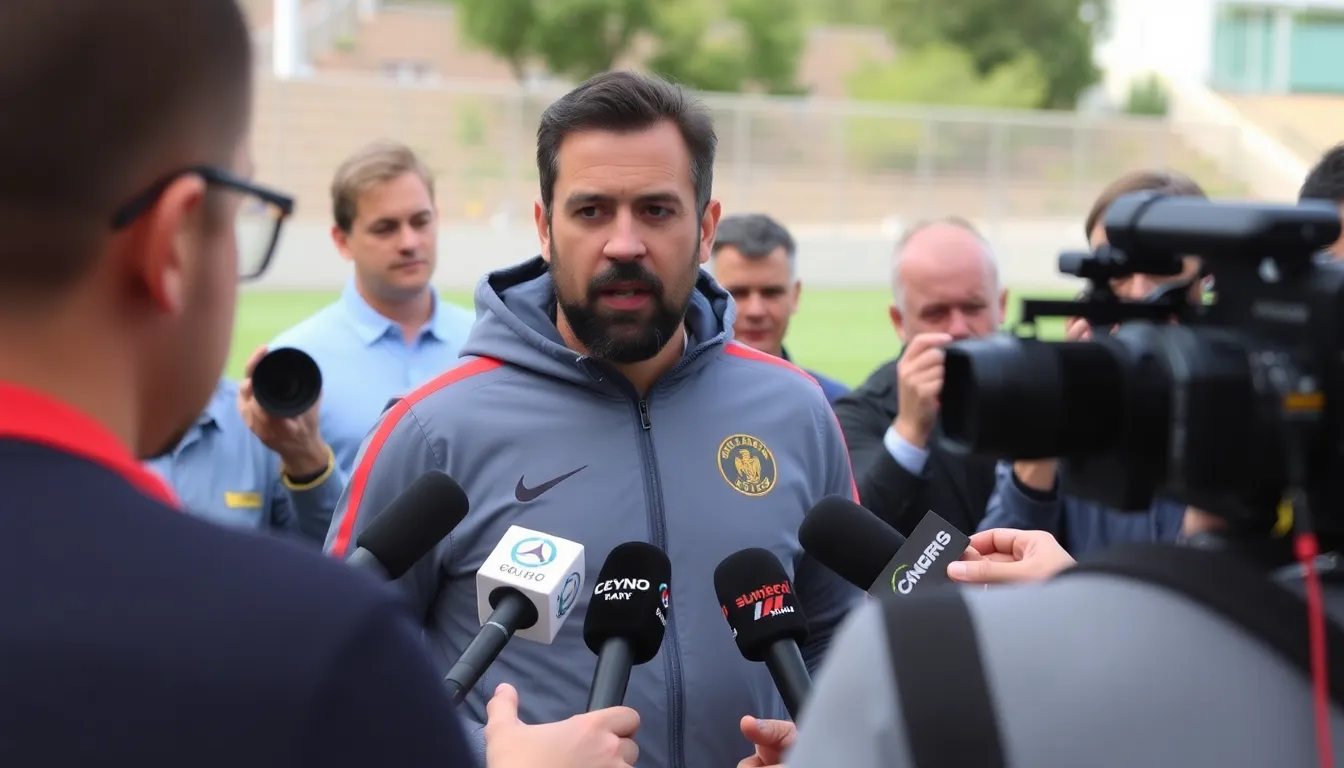
Another critical stakeholder is the governing body of football, FIFA, which oversees the rules of the game globally. FIFA’s interest is to maintain the integrity of the sport while ensuring that the rules are applied uniformly across different leagues and competitions. This creates a tension between the need for clarity in officiating and the traditional interpretation of the laws of the game.
Clubs and players also play a significant role in this discourse. Coaches and athletes often express frustration over ambiguous foul interpretations that can lead to injuries or unfair advantages. For instance, clubs may push for stricter regulations on physical play during set pieces to protect their players, while simultaneously seeking to maximize their competitive edge.
- Inconsistent officiating: Varying interpretations of fouls can lead to disputes over match outcomes.
- Player safety: A clear definition of fouls is essential to protect players from dangerous play.
- Economic implications: Clubs affected by controversial decisions may face financial repercussions from lost matches.
- Fan engagement: Confusion over foul calls can diminish the viewing experience for supporters.
- Legal ramifications: Potential for disputes arising from contentious officiating decisions.
Furthermore, referees and officiating bodies are crucial in this dialogue. They must balance the enforcement of rules with the flow of the game, often leading to difficult decisions under pressure. The potential for training and technology to improve decision-making processes is a topic of interest among many stakeholders, as advancements could lead to greater consistency and clarity in foul interpretations, which echoes the ongoing discussions sparked by Injured Kane’s league record comes to an end.
The potential effects on teams and match outcomes
The call for a review of set-piece decisions by Nuno Espírito Santo highlights a critical issue affecting teams across various leagues. Players, coaches, and fans are all stakeholders in this debate, as the ambiguity surrounding fouls can drastically alter match outcomes. Teams that rely on set-pieces for scoring may find themselves at a disadvantage if the rules remain unclear.
In the short term, confusion over what constitutes a foul during set-pieces can lead to inconsistent officiating, resulting in frustration among players and coaches. This inconsistency may also affect fan engagement, as supporters become disillusioned with the unpredictability of match results. Additionally, teams may need to adjust their strategies, which could disrupt their performance and lead to unexpected losses.
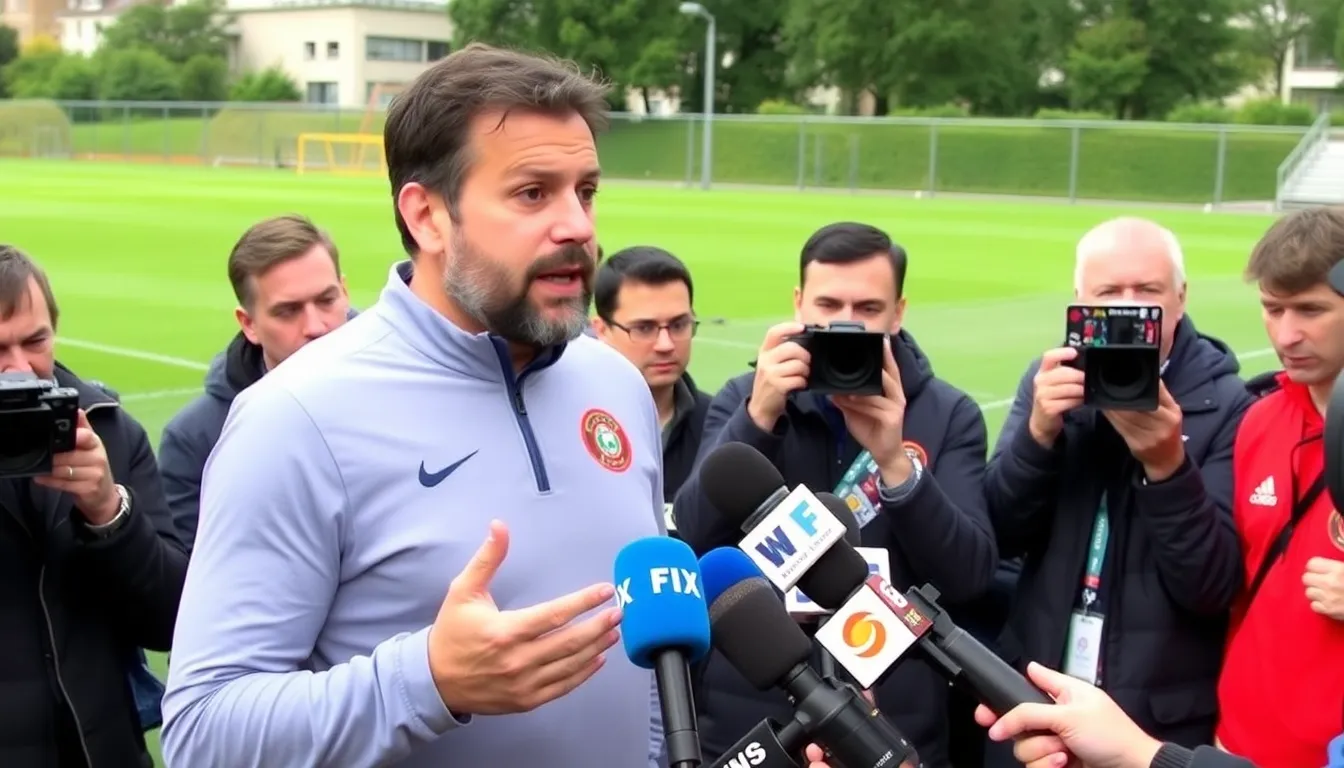
In the mid-term, the potential for policy changes regarding foul calls could reshape training regimens and tactical approaches. Coaches may invest more time in educating players about the nuances of set-piece rules, leading to a possible shift in how teams prepare for matches. This could also create opportunities for specialized training programs or consulting services focused on set-piece execution and defensive strategies.
- Short-term risks: Inconsistent officiating leading to match disruptions.
- Mid-term opportunities: Development of new training programs focused on set-pieces.
- Fan engagement: Potential decrease in support due to dissatisfaction with officiating.
Moreover, the broader impact on the industry could be significant. If governing bodies respond to these concerns by implementing clearer guidelines, it may lead to a more standardized approach across leagues. This could enhance the overall quality of officiating, benefiting not only teams but also sponsors and broadcasters who rely on the integrity of the game to maintain viewer interest.
A: Nuno’s concerns arose from ongoing confusion and inconsistency in foul calls during set-pieces, impacting game fairness. A: Set-piece fouls can lead to critical scoring opportunities, making their accurate adjudication vital for fair competition. A: Key stakeholders include coaches, players, referees, and governing bodies who all influence and are affected by foul interpretations. A: Nuno suggests a review of the current rules to provide clearer definitions and guidelines on what constitutes a foul during set-pieces. A: Yes, several coaches have voiced frustrations over the inconsistency of foul calls, indicating a broader issue in officiating.
Frequently asked questions about set-piece fouls
Looking ahead: the need for clearer guidelines in football
Nuno Espírito Santo’s call for a review of set-piece regulations highlights a growing concern within the sport regarding the inconsistency of foul judgments. As teams navigate the complexities of defending and attacking during set plays, the ambiguity surrounding what constitutes a foul can lead to frustration and controversy. The push for clearer guidelines not only aims to enhance the fairness of the game but also to provide players and coaches with a better understanding of the rules that govern their actions on the field.
As discussions around this topic gain momentum, it becomes imperative for governing bodies to consider the implications of their current regulations. A more defined framework could lead to improved player safety, a reduction in contentious decisions, and a more fluid style of play. Observing how these changes unfold will be crucial for fans, analysts, and stakeholders alike.
- Watch for potential changes in officiating protocols that may emerge from Nuno’s advocacy.
- Consider how clearer guidelines could impact defensive strategies during set pieces.
- Monitor reactions from players and coaches as they adapt to any new regulations.
- Evaluate the role of technology in assisting referees with set-piece decisions.
- Stay informed on discussions within football governing bodies regarding rule modifications.