As of October 2023, CBF officials have held multiple meetings with club representatives to discuss strategies for collaboration. These discussions aim to address key issues such as revenue sharing, marketing efforts, and infrastructure improvements, which are essential for elevating the league’s profile and ensuring sustainable growth.
Prominent figures within Brazilian football, including club presidents and former players, have expressed their support for the CBF’s initiative. They emphasize the importance of collective action to tackle the disparities between wealthier and smaller clubs, thereby fostering a more competitive environment that benefits all stakeholders.
The CBF’s push for unity is particularly timely, given the upcoming season and the need for a cohesive strategy to attract sponsorships and international partnerships. By aligning interests and resources, the CBF believes that the Brasileirão can achieve greater success both domestically and internationally.
Understanding the historical challenges faced by Brasileirão
The Brasileirão, officially known as the Campeonato Brasileiro Série A, has a rich history that reflects the complexities of Brazilian football. Established in 1971, the league has undergone numerous transformations, influenced by political, economic, and social factors. Over the decades, it has faced challenges ranging from corruption scandals to disputes over revenue sharing, which have often hindered its growth and stability.
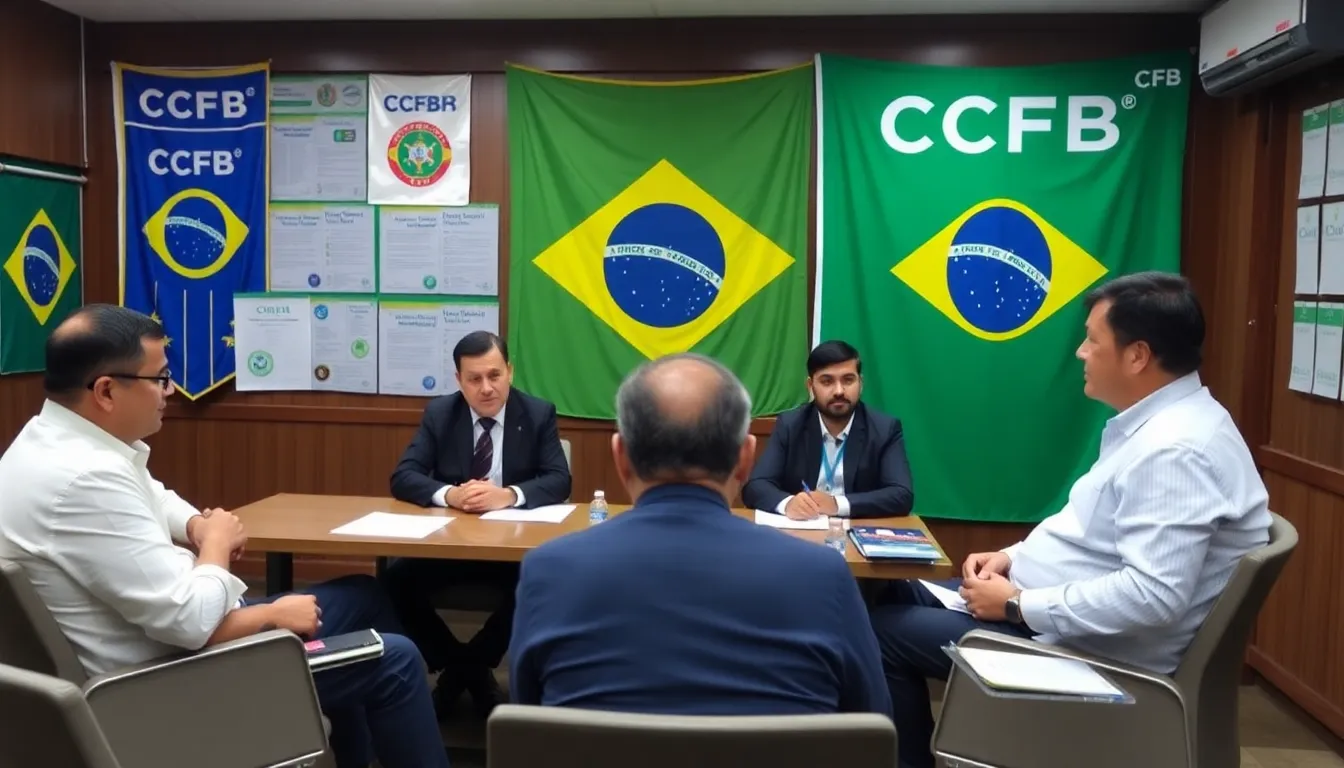
One of the most significant milestones in the league’s history occurred in the early 2000s when the introduction of a new format aimed at improving competitiveness led to the emergence of several clubs as powerhouses. However, this was also a period marked by controversies, including the infamous 2005 match-fixing scandal, which not only tarnished the league’s reputation but also sparked debates about governance and integrity in Brazilian football.
In recent years, the economic landscape has shifted dramatically, with the influx of foreign investment and the globalization of football. This has created a competitive imbalance, as wealthier clubs can attract top talent, leaving smaller teams struggling to compete. The Brazilian Football Confederation (CBF) has recognized the need for reform and unity among clubs to address these disparities and ensure a more equitable league structure.
The Role of CBF in Promoting Unity
The CBF has taken a proactive stance in promoting unity among clubs to develop the Brasileirão. Efforts have included negotiating television rights deals that benefit a broader range of teams and establishing frameworks for financial transparency. By fostering collaboration, the CBF aims to create a more sustainable league that not only enhances the quality of football but also strengthens the overall brand of Brazilian football on the global stage.
Key stakeholders and their roles in the Brasileirão development
The development of the Brasileirão, Brazil’s top football league, involves a complex web of stakeholders, each with their distinct interests and influence. The primary actor in this scenario is the Brazilian Football Confederation (CBF), which oversees the league’s operations and governance. The CBF aims to enhance the league’s global reputation and financial viability while ensuring fair play and competitive balance among clubs.
Clubs participating in the Brasileirão are another critical group. Each club has its own agenda, often focused on maximizing revenue through ticket sales, broadcasting rights, and sponsorships. These clubs range from historically successful teams with substantial fan bases to smaller clubs striving for recognition and financial stability. The disparity in resources among clubs can lead to conflicts, particularly regarding revenue sharing and competitive equity.
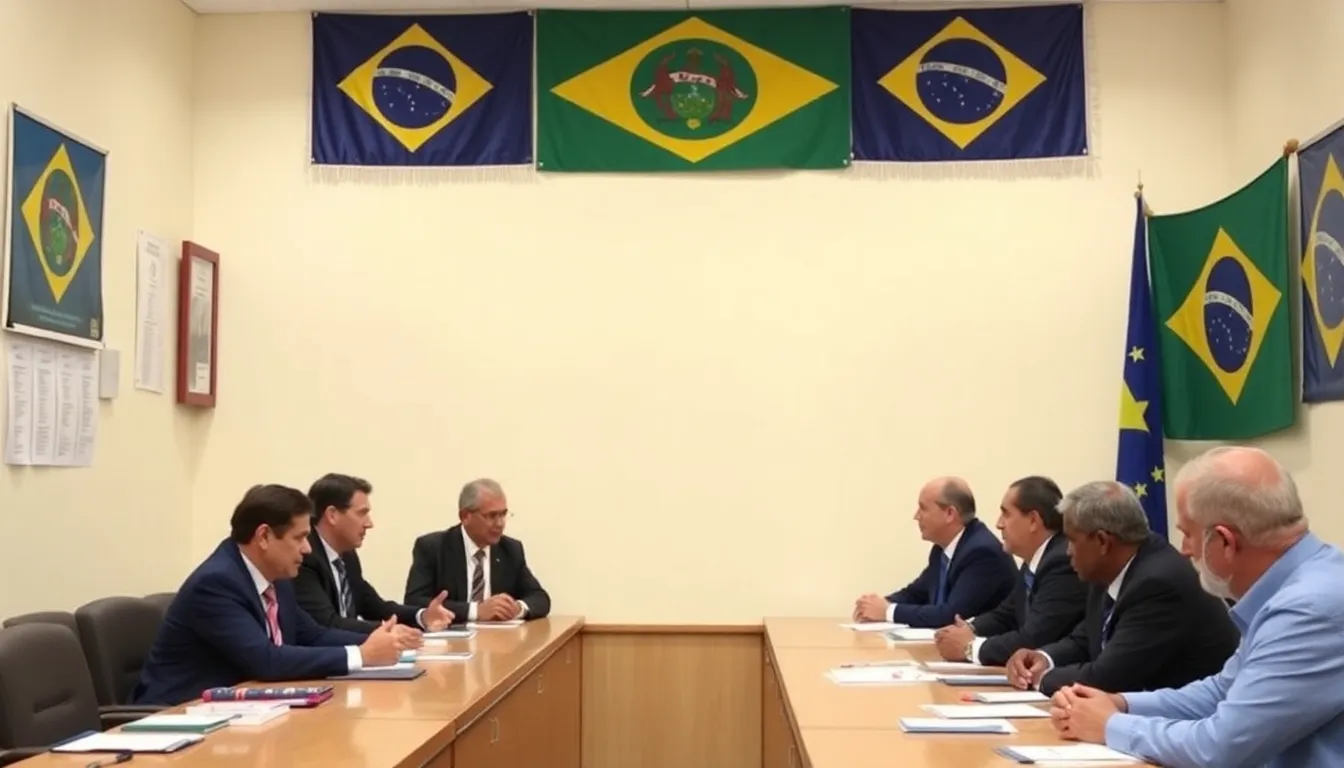
Additionally, players and their unions represent a significant stakeholder group. Players are concerned with their rights, wages, and working conditions. The players’ unions advocate for fair treatment and equitable distribution of financial resources, which can sometimes clash with the interests of club owners, particularly in negotiations over salary caps and contract terms.
Government entities also play a role, particularly in regulatory and financial aspects. The Brazilian government, through sports ministries and local authorities, may influence policies that affect the league, such as tax incentives for clubs or investments in infrastructure. These regulations can create trade-offs between promoting sports development and ensuring fiscal responsibility.
- The CBF’s push for unity aims to streamline decision-making and enhance collaboration among clubs.
- Revenue sharing models are a contentious issue, with larger clubs often resisting changes that would benefit smaller teams.
- Player welfare and rights are increasingly coming to the forefront, impacting negotiations and policies.
- Government involvement can lead to both support and restrictions, affecting the league’s financial landscape.
- International competition and the need for modernization drive clubs to adapt to global standards.
Potential impact on players, clubs, and fans
The push for unity by the Brazilian Football Confederation (CBF) to develop the Brasileirão has significant implications for various stakeholders in the football ecosystem. Key groups affected include players, clubs, fans, and even local businesses that thrive on the football culture. The initiative aims to create a more cohesive framework that benefits all parties involved, promoting a healthier competitive environment.
In the short term, players may experience enhanced training facilities and support systems as clubs invest more in their development. This could lead to improved performance on the field, directly impacting match outcomes and fan engagement. Clubs, particularly those in the lower tiers, might find new opportunities for sponsorship and revenue generation, resulting in a more balanced financial landscape across the league.

Mid-term impacts could see a shift in policy regarding player transfers and club collaborations. The CBF’s efforts may lead to standardized regulations that promote fair play and transparency, reducing the likelihood of corruption or mismanagement. Fans might benefit from a more competitive league, as clubs invest in talent acquisition and retention, leading to higher-quality matches and increased attendance at games.
- Increased investment in player development
- Enhanced fan engagement through competitive matches
- Standardized regulations promoting transparency
- Potential for new sponsorship opportunities
However, there are risks associated with this push for unity. Clubs that are unable to adapt to the new framework may struggle financially, potentially leading to a consolidation of power among the wealthier teams. Additionally, if the CBF fails to implement these changes effectively, it could result in disillusionment among fans and players alike, undermining the very goals of unity and development.
On the upside, this initiative presents opportunities for grassroots movements to flourish, as a more equitable league structure could encourage local talent to emerge. Communities may rally around their clubs with renewed passion, fostering a vibrant football culture that benefits everyone involved, from players to local businesses.
A: The CBF aims to unify various stakeholders to improve the overall quality and competitiveness of Brasileirão, ensuring a better experience for players and fans. A: Clubs will likely benefit from increased collaboration, leading to better resources, shared best practices, and a more competitive league. A: The CBF faces challenges such as differing interests among clubs, financial disparities, and the need for a cohesive vision for the league’s future. A: While immediate changes may be gradual, stakeholders are hopeful that visible improvements will emerge within the next few seasons. A: Fans can support the initiative by engaging with their clubs, participating in discussions, and advocating for a stronger league experience.
Frequently asked questions about CBF’s initiative
Outlook on the future of Brasileirão and CBF’s efforts
The recent push by the CBF for unity among clubs in the Brasileirão highlights the need for collaboration to enhance the league’s competitiveness and global appeal. As stakeholders come together, the potential for innovative strategies and shared resources could lead to a more sustainable and prosperous future for Brazilian football. The emphasis on unity may also foster a more equitable distribution of revenue, which is crucial for the growth of all participating teams.
Looking ahead, the integration of technology and data analytics in player development and match preparation could revolutionize how clubs operate. Moreover, the CBF’s commitment to engaging with fans and enhancing the overall experience will be vital in attracting new audiences and retaining existing supporters. These initiatives signal a transformative period for the Brasileirão, where collective efforts could redefine the landscape of Brazilian football.
- Collaboration among clubs may lead to improved financial stability and competitive balance in the league.
- Increased investment in technology could enhance player performance and fan engagement.
- A focus on equitable revenue sharing might promote a healthier ecosystem for all teams involved.
- Strengthening community ties and fan experiences will be essential for long-term growth.
- Monitoring the impact of these initiatives will provide insights into the evolving dynamics of Brazilian football.