Yassine Bounou, known as Bono, has made headlines for his exceptional displays during the 2022 FIFA World Cup, where he played a crucial role in Morocco’s historic run to the semifinals. His agility and shot-stopping abilities have earned him recognition as one of the top goalkeepers in Europe, especially following his successful stint at Sevilla FC.
Meanwhile, Manuel Neuer, a veteran of the position, continues to be a benchmark for excellence despite facing injury challenges in recent seasons. His leadership on the field and experience with Bayern Munich have kept him in the conversation, particularly after his return to form in the Bundesliga.
On the other hand, Mike Maignan has rapidly established himself as a key player for AC Milan since his transfer from Lille in 2021. His performances in Serie A and the UEFA Champions League have highlighted his reflexes and command of the penalty area, making him a standout figure in the current goalkeeping landscape. Maignan’s rise coincides with a growing emphasis on goalkeepers who can contribute to the team’s play beyond just shot-stopping, as football continues to evolve.
As the football season progresses, the performances of these goalkeepers will be closely monitored, with fans and pundits eager to see who will ultimately claim the title of the world’s best. The ongoing competition among these elite players not only shapes their careers but also influences the tactical approaches of their respective teams.
The Evolution of Goalkeeping in Modern Football
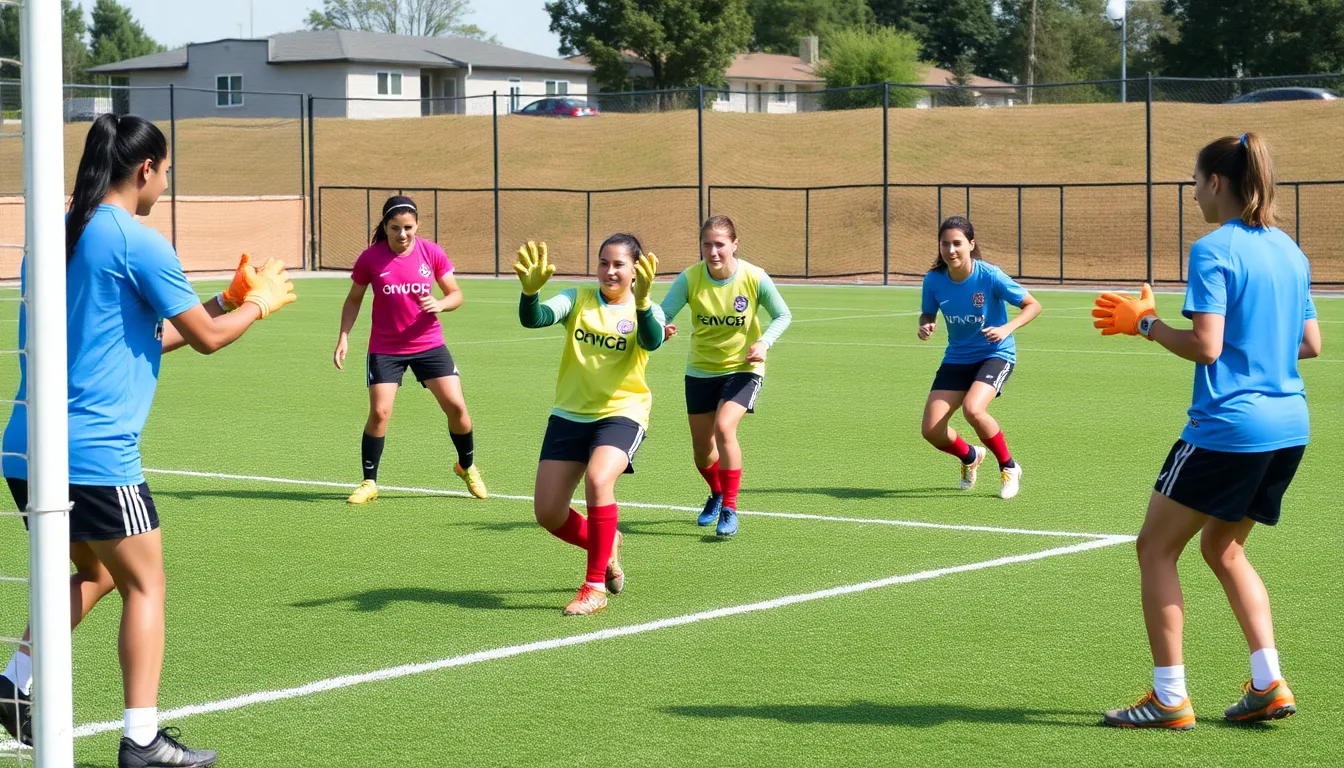
Goalkeeping has undergone a significant transformation over the decades, evolving from a largely reactive role to one that demands proactive decision-making and exceptional technical skills. Historically, goalkeepers were often seen as the last line of defense, primarily tasked with stopping shots. However, the modern game has redefined their responsibilities, integrating them into the build-up play and requiring them to be adept with their feet as well as their hands.
The introduction of tactical innovations, such as the sweeper-keeper role popularized by players like Manuel Neuer, has further changed the landscape. This evolution reflects broader trends in football, where teams increasingly prioritize ball possession and playing out from the back. As a result, goalkeepers are now expected to contribute to their teams’ offensive play, blurring the lines between traditional defensive duties and modern attacking strategies.
Economic factors have also played a crucial role in shaping the goalkeeper position. With the commercialization of football, clubs are investing heavily in scouting and developing talented goalkeepers. The demand for top-tier goalkeepers has surged, leading to record transfer fees for players like Kepa Arrizabalaga and Ederson. This financial investment highlights the growing recognition of goalkeepers as pivotal players who can influence match outcomes.
Key Milestones in Goalkeeping History
Several key milestones have marked the history of goalkeeping. The introduction of the back-pass rule in 1992 fundamentally changed how goalkeepers interact with the ball, forcing them to adapt their skills. Additionally, the rise of analytics in football has provided new insights into goalkeeper performance, enabling clubs to make more informed decisions when it comes to recruitment and training. These milestones illustrate how the role of the goalkeeper has become increasingly complex and vital in the modern game.
As we discuss the current crop of elite goalkeepers, including the likes of Yassine Bounou, Gianluigi Donnarumma, and Mike Maignan, it’s essential to recognize this historical context. Their skills are not merely a product of individual talent but are also shaped by the evolution of the role itself, reflecting broader trends in football that have emerged over the years.
Comparative Analysis of Raya, Neuer, and Maignan
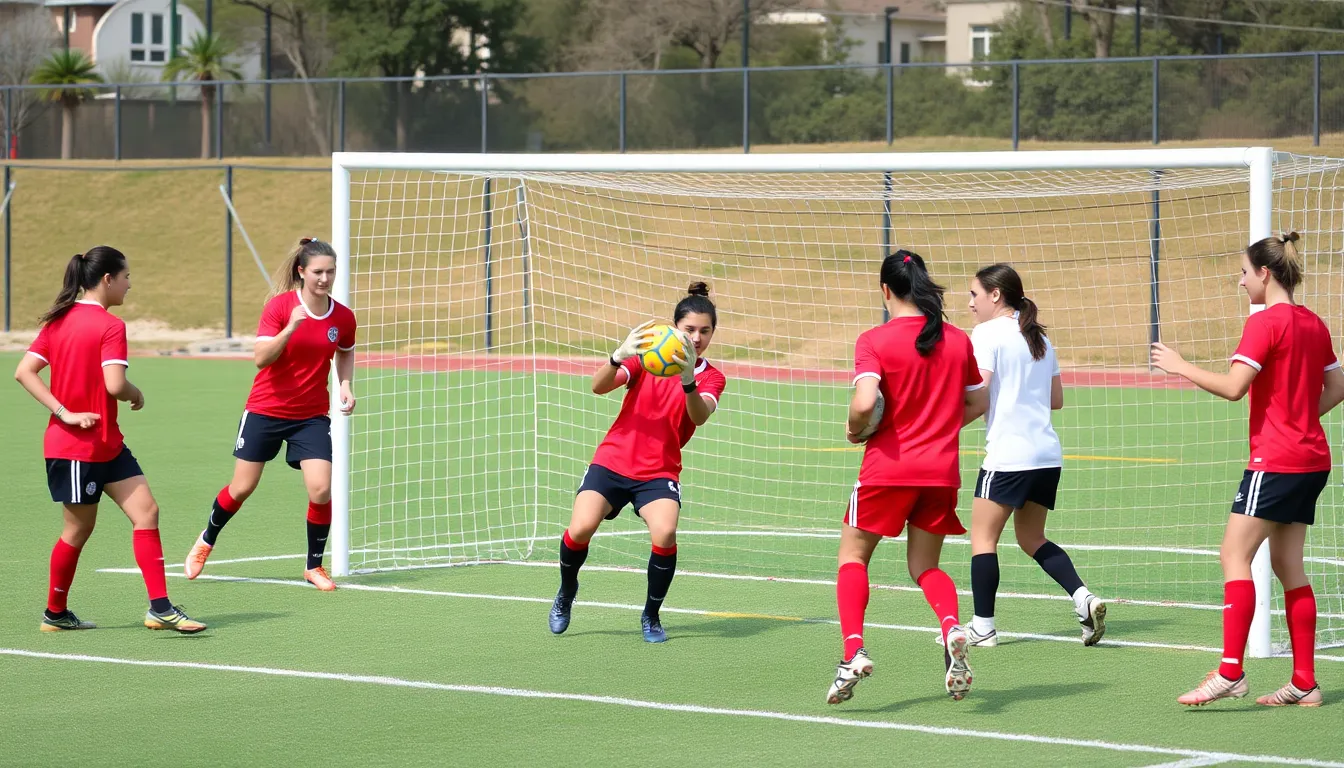
The debate over who ranks as the world’s best goalkeeper often centers around a few standout names, notably David Raya, Manuel Neuer, and Mike Maignan. Each of these players represents different clubs and national teams, bringing unique strengths and styles to the pitch. Their performances not only impact their teams but also influence the broader football landscape, including sponsorship deals and fan engagement.
David Raya has emerged as a key player in the Premier League, showcasing his skills with a focus on distribution and shot-stopping. His club, Brentford, benefits significantly from his ability to initiate plays from the back, which aligns with modern tactical trends. However, his relatively lower profile compared to Neuer and Maignan raises questions about his recognition and marketability.
Manuel Neuer, often regarded as a pioneer of the sweeper-keeper role, has had a storied career with Bayern Munich and the German national team. His experience and leadership on the field are invaluable, yet his recent injury struggles have sparked discussions about his longevity in the sport. This situation creates a trade-off for Bayern Munich, weighing the need for a reliable goalkeeper against the potential for investing in a younger talent.
Mike Maignan, representing AC Milan and the French national team, has quickly gained a reputation for his reflexes and command of the area. His rise to prominence poses challenges for both Neuer and Raya, as clubs increasingly seek goalkeepers who can adapt to high-pressure situations. Maignan’s success highlights the shifting dynamics in the goalkeeping landscape, where clubs prioritize not only talent but also adaptability and mental resilience.
- Raya’s modern playing style aligns with evolving tactical demands, boosting Brentford’s competitive edge.
- Neuer’s experience and leadership are crucial, yet his injury concerns raise questions about his future performance.
- Maignan’s rapid ascent challenges traditional notions of goalkeeping excellence, emphasizing adaptability.
- Marketability and sponsorship potential vary significantly among these goalkeepers, influencing their clubs’ financial strategies.
- Each goalkeeper’s performance affects national team selections and international tournament prospects, impacting their careers.
How Goalkeepers Influence Team Success
The role of a goalkeeper extends beyond mere shot-stopping; they are pivotal in shaping the dynamics of a football team. The influence of elite goalkeepers like Raya, Neuer, and Maignan reaches various stakeholders, including players, coaches, clubs, and fans. Their performances can alter team morale and strategy, making them vital assets in both domestic and international competitions.
In the short term, the presence of a world-class goalkeeper can lead to immediate improvements in a team’s defensive capabilities. This can result in higher win rates, which directly impacts club revenues through increased ticket sales, merchandise, and sponsorships. For players, having a reliable goalkeeper can enhance their confidence, allowing them to perform better and contribute to overall team success.
In the mid-term, the impact of goalkeepers can shape club policies regarding player acquisitions and training methods. Teams may prioritize investing in high-caliber goalkeeping talent, leading to a shift in scouting strategies and resource allocation. Additionally, clubs may experience shifts in fan engagement and loyalty, as supporters often rally behind standout players who deliver exceptional performances.
- Short-term revenue boosts: Increased ticket sales and merchandise due to improved team performance.
- Player development: Enhanced confidence and performance from outfield players.
- Strategic shifts: Changes in club policies regarding player recruitment and training.
- Fan engagement: Heightened support and loyalty towards standout goalkeepers.
However, the reliance on a single goalkeeper also introduces risks. Injuries or loss of form can significantly affect a team’s performance and financial stability. As clubs navigate these challenges, they must also recognize the potential opportunities for innovation in training and player development, ensuring they are prepared for the evolving demands of the sport.
A: The title of the best goalkeeper is subjective and often debated. Currently, players like Manuel Neuer, David Raya, and Mike Maignan are frequently mentioned in discussions. A: A great goalkeeper typically possesses excellent reflexes, strong decision-making skills, and the ability to command the defense. Leadership and communication are also crucial. A: Goalkeepers play a vital role in a team’s defensive strategy. Their ability to make crucial saves can change the outcome of a match and boost team morale. A: Key statistics include save percentage, clean sheets, and goals conceded. Advanced metrics like expected goals against can also provide deeper insights. A: Yes, young talents like Gianluigi Donnarumma and others are making waves in the football world, showcasing potential to become top goalkeepers.
Frequently Asked Questions About Goalkeepers
Key Takeaways and Future Outlook for Goalkeeping
The ongoing debate surrounding the world’s best goalkeepers highlights a dynamic landscape where talent, skill, and adaptability are paramount. With players like Raya, Neuer, and Maignan showcasing their unique strengths, the evolution of goalkeeping continues to shape team strategies and match outcomes. As clubs invest in advanced training techniques and technologies, the role of the goalkeeper is becoming increasingly pivotal in modern football.
Looking ahead, it is essential to monitor how emerging talents will challenge established stars and how the integration of analytics will influence goalkeeping performance. The next few seasons promise to reveal new contenders for the title of the world’s best goalkeeper as the sport evolves.
- Watch for emerging talents: New goalkeepers are likely to rise through the ranks, challenging established stars and altering the competitive landscape.
- Technological advancements: The use of data analytics and performance tracking will continue to enhance goalkeeping training and decision-making.
- Team strategies: As teams adapt their playing styles, the role of the goalkeeper will evolve, affecting how they are evaluated and valued.
- Injury management: Monitoring the physical demands on goalkeepers will be crucial, as injuries can impact team performance significantly.
- International competitions: Major tournaments will provide a stage for goalkeepers to showcase their abilities, influencing their reputations and market value.