Concacaf House will feature a series of workshops, discussions, and networking opportunities that bring together players, coaches, and soccer administrators. The event is designed to foster relationships and share insights in preparation for the 2026 FIFA World Cup, which will be co-hosted by Canada, the United States, and Mexico. This collaborative effort is crucial as it sets the stage for the tournament’s success.
Among the notable attendees will be representatives from national federations, sports organizations, and local community leaders. Their participation underscores the importance of unity and shared goals within the soccer community in North America. The discussions will likely cover topics such as player development, infrastructure improvements, and fan engagement strategies.
The significance of this event extends beyond just soccer; it represents a commitment to elevating the sport in the region. As Concacaf House unfolds, it will provide a platform for innovative ideas and collaborative efforts that can shape the future of soccer in North America. With only a few years until the World Cup, the timing of this gathering is particularly pertinent.
Understanding the significance of Concacaf House
The upcoming launch of Concacaf House in Vancouver marks a pivotal moment for soccer in North America. This initiative is not only a celebration of the sport but also a strategic move to bolster the region’s position within the global soccer landscape. As the 2026 FIFA World Cup approaches, the establishment of Concacaf House serves as a hub for collaboration, innovation, and community engagement among the member associations of the Confederation of North, Central America, and Caribbean Association Football (Concacaf).
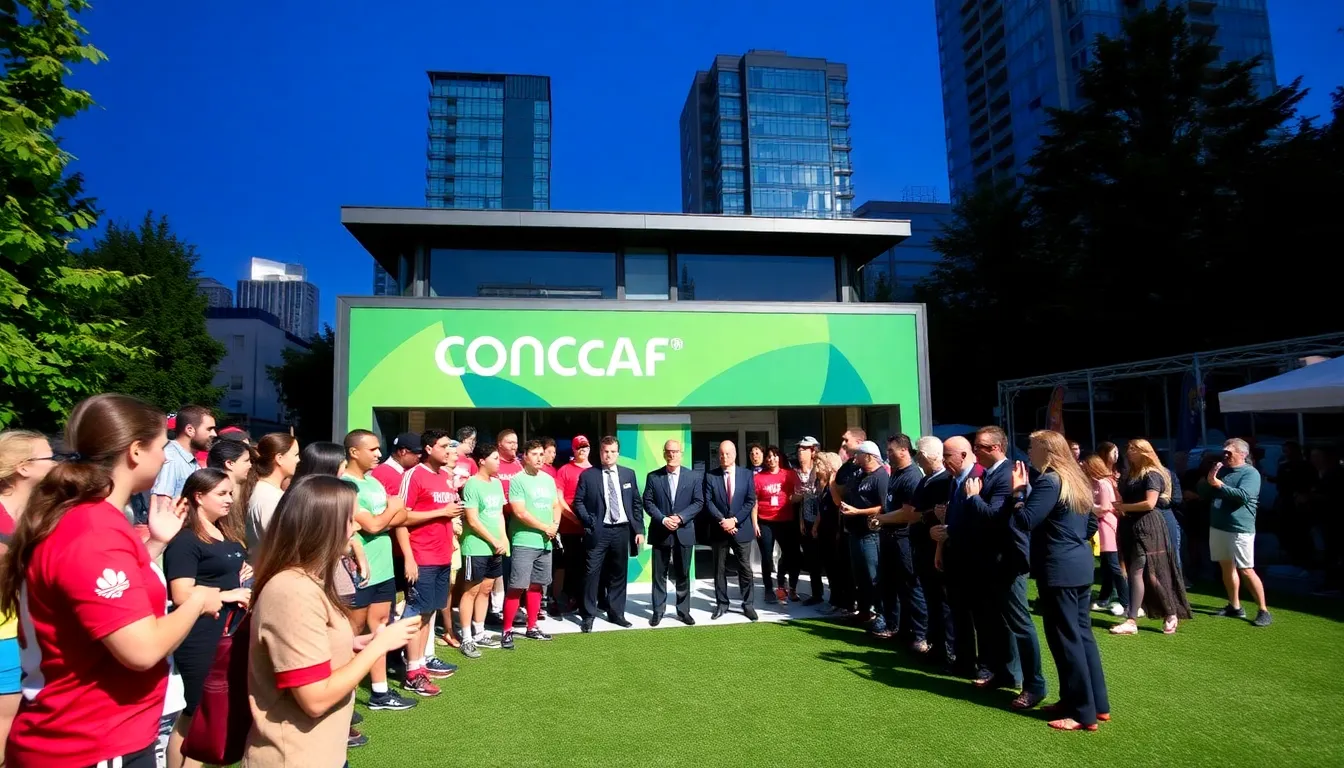
Historically, Concacaf has faced challenges in unifying its diverse member nations, each with distinct soccer cultures and varying levels of investment in the sport. The confederation’s commitment to fostering a sense of unity and shared purpose is evident in this initiative, which aims to provide resources and support for both grassroots and professional soccer development across the region. The construction of Concacaf House is a testament to the evolving dynamics of soccer governance and the importance of creating a collaborative environment.
Economically, the establishment of Concacaf House is expected to attract investment and sponsorship opportunities, particularly as the World Cup draws near. The event is projected to generate significant revenue for host cities, and Concacaf House will play a crucial role in leveraging these economic benefits. By positioning itself as a central hub for soccer-related activities, Vancouver is set to enhance its profile as a key player in the global sports arena.
A Milestone for North American Soccer
The launch of Concacaf House coincides with several key milestones in the development of soccer in North America. In recent years, the growth of Major League Soccer (MLS) and the increasing popularity of women’s soccer have contributed to a vibrant soccer culture. Additionally, the joint bid by the United States, Canada, and Mexico to host the 2026 World Cup signifies a turning point for the sport, highlighting the region’s potential to host large-scale international events. Concacaf House is poised to be at the forefront of this transformation, fostering collaboration and innovation among soccer stakeholders, much like the recent AFC initiative supporting women in football.
Key stakeholders involved in the Concacaf House initiative
The Concacaf House initiative is a collaborative effort involving various stakeholders, each with distinct interests and motivations. Key players include the Confederation of North, Central America and Caribbean Association Football (Concacaf), local government entities, corporate sponsors, and community organizations. Understanding their roles is crucial for grasping the broader implications of this event.
Concacaf serves as the primary governing body for soccer in the region and is focused on promoting the sport and enhancing its visibility ahead of the World Cup. This initiative aims to create a centralized hub for soccer-related activities, fostering engagement and support for the tournament. Local governments, particularly the City of Vancouver, are interested in the economic benefits associated with increased tourism and local business activity during the World Cup period.
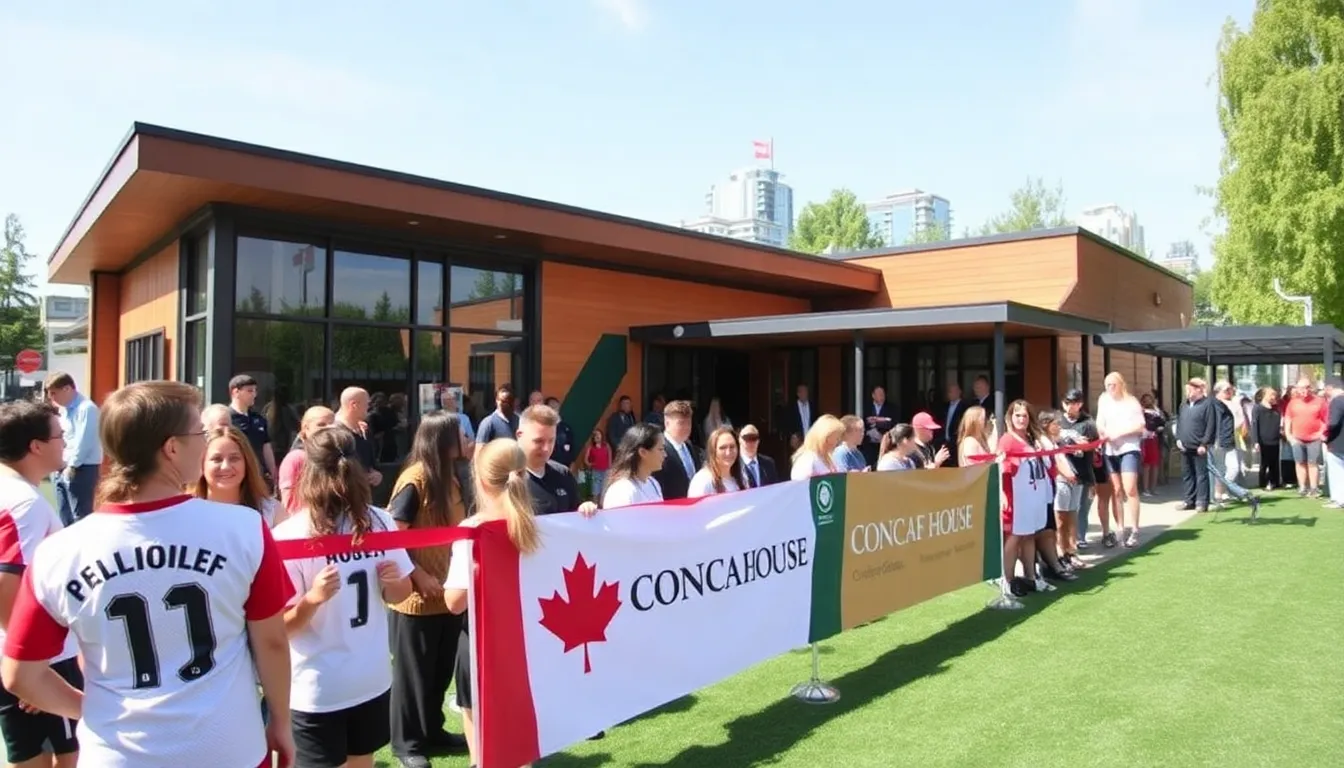
Corporate sponsors also play a significant role, as they seek to leverage the visibility of the event to promote their brands. Their investment in the Concacaf House is driven by the potential for high return on investment through advertising and brand association with a globally recognized event. Community organizations, on the other hand, are focused on ensuring that local voices are heard and that the benefits of the event are distributed equitably among residents.
- Economic Impact: The Concacaf House is expected to generate significant revenue for local businesses and create temporary jobs.
- Cultural Exchange: The event will facilitate cultural interactions among fans from diverse backgrounds, enhancing community cohesion.
- Infrastructure Strain: Increased foot traffic and visitors may put pressure on local infrastructure and services.
- Environmental Concerns: The initiative raises questions about sustainability and the environmental impact of hosting large-scale events.
Conflicts may arise between the interests of commercial sponsors and local communities, particularly regarding the prioritization of profit over community needs. Additionally, legal issues surrounding zoning, permits, and public safety are critical considerations that local governments must navigate as they prepare for the influx of visitors. Overall, the Concacaf House initiative represents a complex interplay of interests that will shape the landscape of soccer in Vancouver and beyond.
Potential impacts on local communities and businesses
The upcoming Concacaf House event in Vancouver is set to influence various groups and industries, particularly those involved in tourism, hospitality, and local commerce. As the first edition of this event coincides with the lead-up to the World Cup, it presents both opportunities and challenges for the region.
In the short term, local businesses, especially restaurants, hotels, and retailers, are likely to experience an influx of visitors. This surge can lead to increased revenue and heightened visibility for local brands. However, the demand for services may also strain resources, leading to potential service delays and higher prices.
Mid-term impacts could include a shift in local policies aimed at accommodating increased tourism. This might involve adjustments in transportation infrastructure or city planning to ensure that both locals and visitors can navigate the area effectively. While these changes can enhance the city’s appeal, they may also lead to disruptions in daily life for residents.
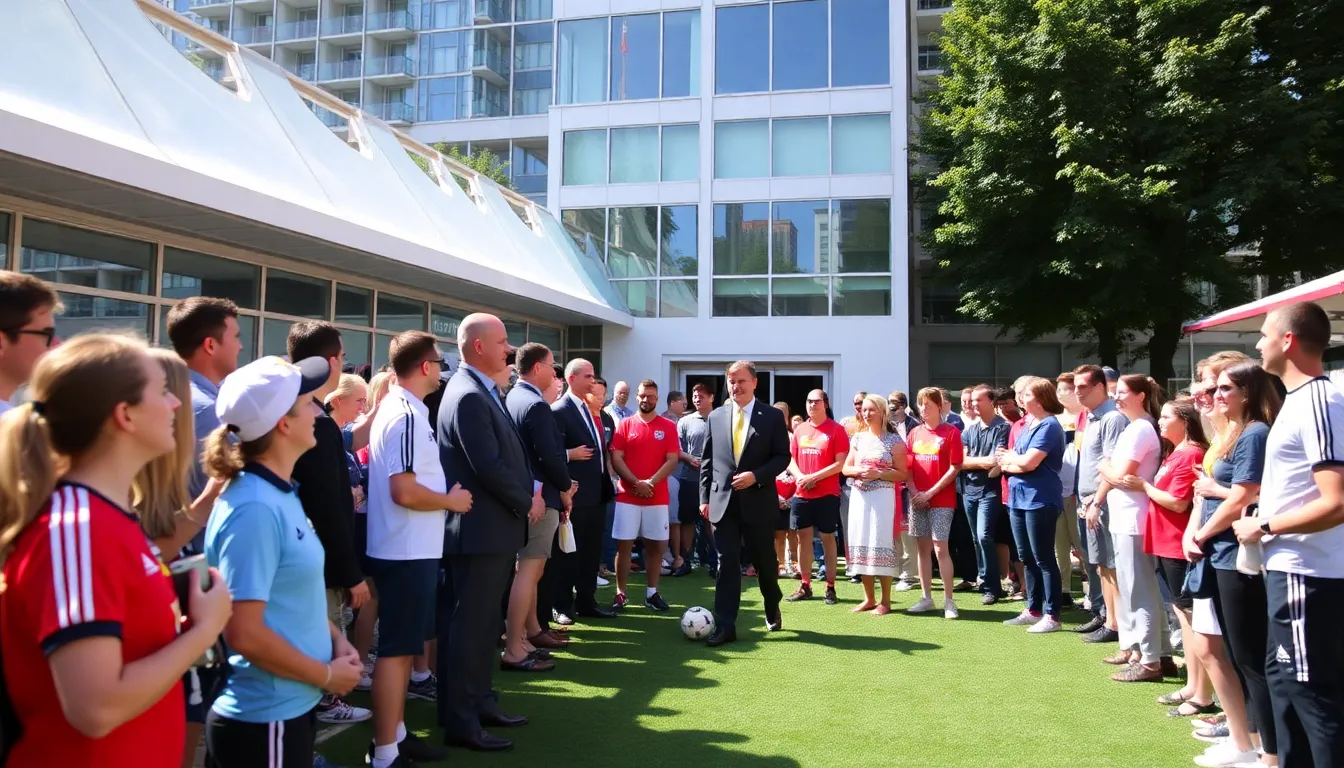
- Increased foot traffic in downtown areas
- Short-term job creation in hospitality and retail sectors
- Potential strain on local infrastructure and services
- Long-term tourism growth opportunities
Moreover, the event can serve as a platform for local businesses to network and collaborate, potentially leading to lasting partnerships. However, there are risks involved, such as the possibility of over-commercialization, which may detract from the community’s cultural identity and lead to discontent among residents.
A: Concacaf House is a special event space created to celebrate and promote the upcoming World Cup. It will host various activities and events leading up to the tournament. A: The first edition of Concacaf House will take place next week in Vancouver, coinciding with the build-up to the World Cup. A: Concacaf House events are open to the public, allowing fans and community members to engage with the World Cup festivities. A: The event will include fan engagement activities, cultural showcases, and opportunities to meet players and officials from the participating teams. A: Concacaf House is expected to boost local tourism and economy by attracting visitors and generating excitement around the World Cup.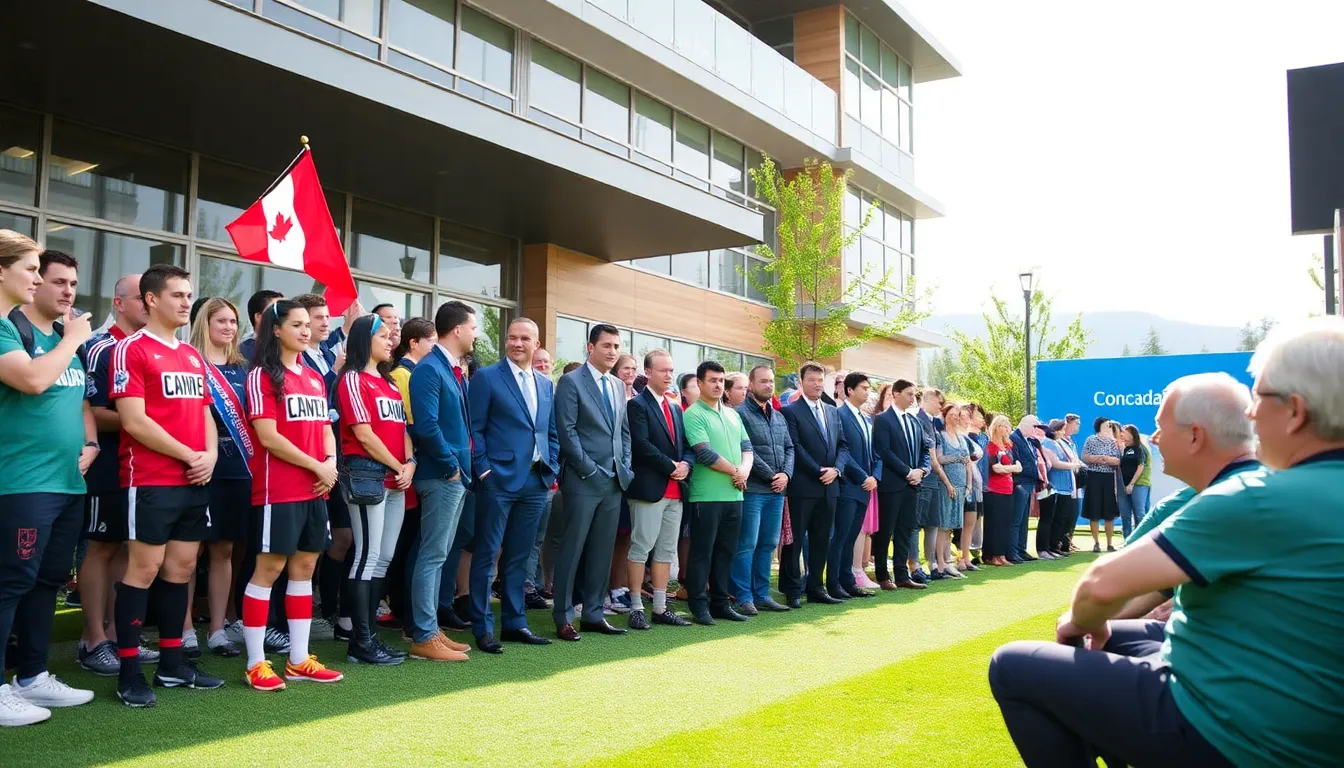
Frequently asked questions about Concacaf House
Looking ahead: The future of Concacaf House and the World Cup
As Vancouver prepares to host the inaugural edition of Concacaf House, the event marks a significant milestone in the lead-up to the World Cup. This initiative not only aims to foster community engagement but also serves as a platform to enhance the visibility of soccer in the region. The collaboration among various stakeholders will be crucial in shaping a successful atmosphere for fans and players alike.
In the coming days, the focus will shift to how well the event can galvanize local support and set the stage for the World Cup. Observing the outcomes of this gathering will provide insights into the broader implications for soccer’s growth in North America and the effectiveness of such initiatives in promoting the sport.
- Community Engagement: Watch for how local communities interact with the event and the potential long-term impact on soccer culture in Vancouver.
- Brand Partnerships: The success of partnerships formed during Concacaf House could influence future sponsorship opportunities and collaborations.
- Fan Experience: Assessing fan engagement strategies will be vital in understanding how to enhance the overall experience leading up to the World Cup.
- Media Coverage: The extent and nature of media attention on Concacaf House could shape public perception and interest in the World Cup.
- Legacy Planning: Consideration of how the event contributes to the legacy of soccer in the region will be important for future events and infrastructure development.