The Fan Fest is expected to be a central hub for soccer fans, featuring live screenings of matches, entertainment, and cultural activities. By adjusting the ticket prices, which were initially criticized for being too high, city officials aim to attract a broader audience, ensuring that more residents and visitors can partake in the festivities surrounding the World Cup.
This price adjustment reflects a growing awareness of the financial barriers that can prevent fans from engaging in major sporting events. Stakeholders, including local businesses and community leaders, have expressed support for the decision, emphasizing the importance of inclusivity during such a high-profile occasion. The move is seen as a means to foster community spirit and enhance the overall experience for attendees.
As Toronto prepares to welcome thousands of visitors for the World Cup, this change in ticket pricing could set a precedent for how large-scale events are managed in the future.
Understanding the background of the ticket pricing controversy
The decision by Toronto to revise its ticket pricing strategy for the 2026 FIFA World Cup Fan Fest has sparked considerable debate, reflecting a complex interplay of historical, political, and economic factors. The World Cup, one of the most prestigious sporting events globally, has always been a focal point for cities vying to showcase their cultural and economic vitality. Toronto’s initial pricing model aimed to capitalize on this opportunity, but it quickly faced backlash from fans and community advocates.

In Toronto’s case, the city had initially set high ticket prices, which many perceived as exclusionary, particularly in a diverse city where income levels vary significantly. The backlash against these prices highlighted a growing sentiment that such events should prioritize community engagement over profit, resonating with discussions seen in major sporting events.
Politically, the decision to adjust the ticket prices reflects a broader trend in governance where public sentiment plays a crucial role in policy-making. Following public outcry and social media campaigns advocating for more affordable access, city officials recognized the need to reassess their stance. This shift not only aims to appease frustrated fans but also to align with Toronto’s reputation as an inclusive city that values diversity and community participation.
Economic Implications
The economic ramifications of the ticket pricing decision are significant. While higher ticket prices could have generated immediate revenue, the potential long-term benefits of increased attendance and local engagement may outweigh short-term gains. By lowering prices, Toronto aims to attract a larger audience, fostering a festive atmosphere that could enhance tourism and local business revenues during the World Cup. This strategic pivot underscores the importance of balancing financial objectives with community interests in major events.
Key stakeholders and their positions on the ticket price changes
The decision by the City of Toronto to reverse its stance on ticket prices for the 2026 FIFA World Cup has generated a complex web of reactions from various stakeholders. These include local government officials, FIFA representatives, local sports organizations, fans, and businesses. Each group has its own interests and concerns regarding the implications of the ticket pricing strategy.
Local government officials, including the Mayor and city council members, are primarily concerned with ensuring that the event is accessible to a broad audience while also maximizing economic benefits for the city. They face the challenge of balancing affordability for fans with the potential revenue that higher ticket prices could generate. This reversal may be seen as an effort to maintain public support and avoid backlash from constituents who might feel alienated by high costs.

FIFA, as the governing body of the tournament, has its own set of interests. The organization aims to ensure a successful event that meets its financial expectations and global standards. FIFA’s position may conflict with local desires for affordability, as higher ticket prices are often seen as a means to enhance revenue streams. This tension highlights the trade-offs between local accessibility and international revenue generation.
Local sports organizations and community groups are also significant stakeholders, advocating for fair access to the event for all Toronto residents. They may argue that the initial price hikes could disproportionately affect lower-income fans, thus creating a divide in who can attend the games. Their push for more inclusive pricing reflects broader concerns about social equity and community engagement during a high-profile international event.
- Local government aims to balance economic gain with public accessibility.
- FIFA prioritizes revenue generation and global standards, which may conflict with local interests.
- Community organizations advocate for affordable ticket prices to ensure inclusivity.
- Businesses are interested in the economic boost from increased tourism and local spending.
- Fans are concerned about affordability and access to the event, impacting their overall experience.
How the ticket price changes affect fans and local businesses
The recent decision by Toronto to adjust ticket prices for the 2026 FIFA World Cup Fan Fest has significant implications for various stakeholders. Fans, local businesses, and the broader community are all impacted by these changes, which may bring both challenges and opportunities.
In the short term, fans who previously found the initial ticket prices prohibitive may now have access to more affordable options, fostering greater participation and enthusiasm for the event. This shift can lead to increased foot traffic in the city as more attendees engage with local attractions, restaurants, and shops. The influx of visitors is likely to boost the economy, particularly in areas near Fan Fest locations.
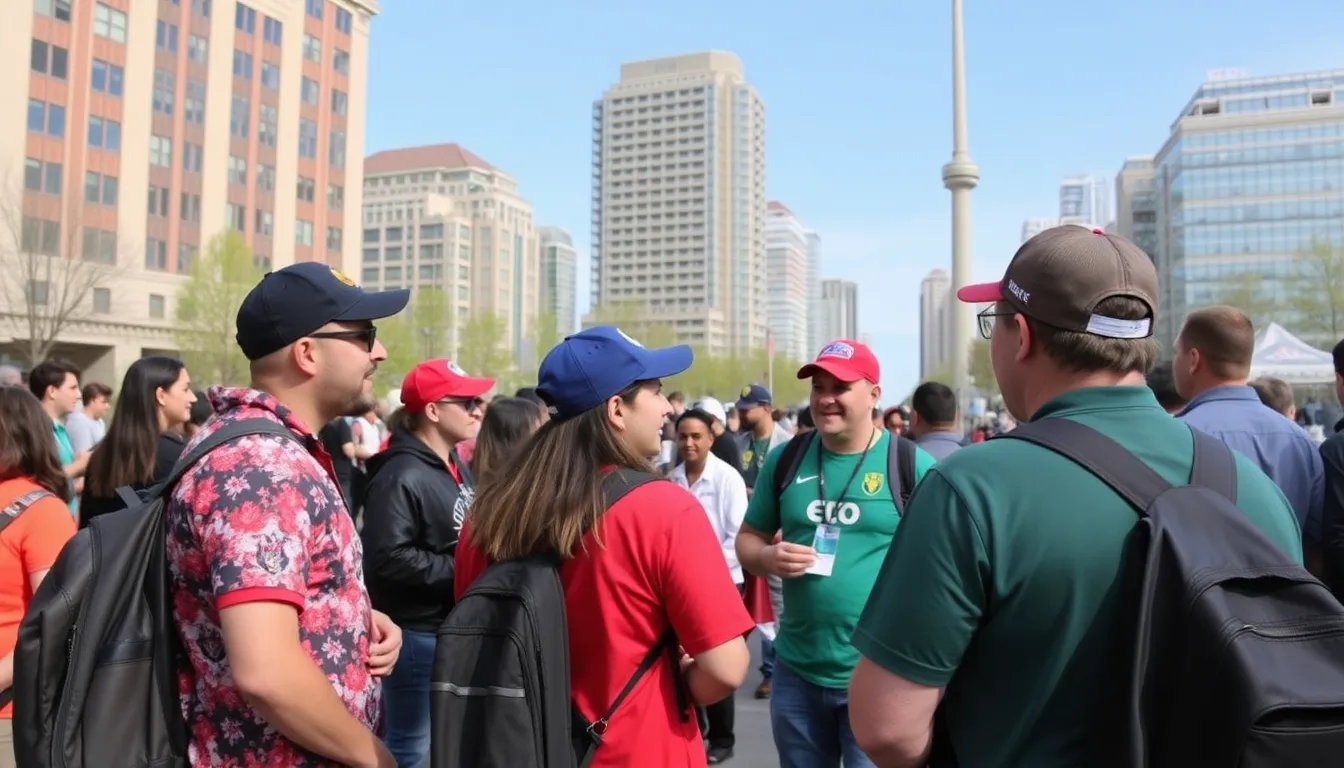
Local businesses, especially those in the hospitality and retail sectors, stand to benefit from the revised pricing strategy. Increased attendance at Fan Fest can translate into higher sales and greater visibility for small businesses. However, there is a risk that the influx of fans could overwhelm some establishments, leading to potential service challenges and customer dissatisfaction if not managed appropriately.
- Short-term increase in local economic activity.
- Potential strain on infrastructure and services.
- Long-term brand visibility and loyalty for local businesses.
- Opportunities for promotional partnerships and collaborations.
In the mid-term, the impact on daily life may include a shift in public policy as city officials reassess resource allocation for events of this scale. There may be increased investment in public transport and infrastructure to accommodate the larger crowds. Furthermore, the success of the Fan Fest could lead to Toronto positioning itself as a prime destination for future international events, enhancing its global reputation.
While the changes present risks, such as the potential for overcrowding and logistical challenges, they also pave the way for new opportunities. The city can leverage the excitement surrounding the World Cup to promote local culture and attractions, creating a lasting legacy that benefits both residents and businesses long after the event concludes.
A: The city received significant backlash from fans and stakeholders regarding the initial pricing, prompting a review and subsequent reversal. A: The revised ticket prices will be announced shortly, aiming to make the event more accessible to a broader audience. A: Currently, there are no plans to change the event schedule, but adjustments may be made based on ticket sales and public response. A: Tickets will be available through the official FIFA website and local vendors once the new pricing is confirmed. A: Fan Fest is a designated area where fans can gather to watch matches live, enjoy entertainment, and celebrate the World Cup atmosphere.
Frequently asked questions about the ticket pricing changes
Future implications and key takeaways from the ticket pricing debate
The recent decision by Toronto to reverse its stance on ticket pricing for the 2026 FIFA World Cup Fan Fest has significant implications for both local organizers and fans. This shift reflects a broader understanding of the need for accessibility in major sporting events, especially in a diverse city like Toronto. The move not only aims to enhance the fan experience but also sets a precedent for how other cities might approach similar challenges in the future.
As the World Cup approaches, stakeholders will need to remain vigilant about the evolving landscape of ticket pricing and fan engagement strategies. This situation serves as a reminder of the delicate balance between revenue generation and ensuring that events remain inclusive for all segments of the population.
- Monitor how other host cities respond to Toronto’s pricing model and whether they adopt similar strategies to enhance fan accessibility.
- Watch for potential changes in sponsorship and partnership dynamics as organizations align their interests with more inclusive ticketing practices.
- Consider the long-term impact on fan loyalty and engagement, particularly among demographics that may have felt excluded by previous pricing structures.
- Assess the role of social media and public sentiment in shaping future ticketing policies as fans voice their opinions more loudly than ever.
- Evaluate the potential economic implications for local businesses surrounding the event, given the increased accessibility of tickets.