BBC will air a selection of matches, including key fixtures and the final, ensuring extensive coverage for its audience. ITV, on the other hand, will also broadcast a range of matches, providing viewers with multiple options to catch the action. This collaboration between the two networks allows for a comprehensive viewing experience, catering to a diverse audience across the UK. For those interested, you can also check out how to watch highlights of World Cup matches.
As the tournament approaches, both broadcasters are ramping up their promotional efforts, highlighting their unique programming and expert analysis. Viewers can expect in-depth coverage, including pre-match discussions, post-match analysis, and special features that delve into the tournament’s history and significance. This focus on quality broadcasting is crucial, as fans seek to engage with the event beyond just the matches themselves.
In addition to traditional television broadcasts, both BBC and ITV are enhancing their digital platforms to reach a broader audience. Live streaming options will be available, allowing fans to watch matches on various devices, ensuring that no one misses out on the excitement of the World Cup. This adaptability in broadcasting is significant, especially in an era where digital consumption continues to rise, mirroring trends seen in the recent Saudia collaboration with Sport24 to enhance in-flight World Cup experience.
Understanding the significance of BBC and ITV in sports broadcasting
The BBC and ITV have long been at the forefront of sports broadcasting in the United Kingdom, shaping how millions of viewers engage with major sporting events. Their rivalry and collaboration have created a unique landscape for sports viewership, ensuring that iconic tournaments, such as the FIFA World Cup, are accessible to a broad audience. This accessibility is rooted in a historical commitment to public service broadcasting, where the aim has been to provide comprehensive coverage that serves the interests of the public.
Historically, the BBC has held a dominant position in sports broadcasting since its inception in the 1920s. The corporation’s commitment to broadcasting major events, including the World Cup, has established it as a trusted source for sports coverage. ITV, which began broadcasting in the 1950s, introduced commercial competition that further enriched the sports broadcasting landscape. The partnership between these two networks has often resulted in a rotation of rights to major events, ensuring that viewers have multiple options for accessing live coverage, which is particularly relevant as discussions about the broadcasting rights for the 2026-27 season, including the Honduran league expansion, come into play.
In recent years, the political landscape surrounding broadcasting rights has evolved, with discussions about the importance of free-to-air coverage becoming more prominent. The UK government’s “crown jewels” list, which includes significant sporting events, mandates that certain key events must be available on free-to-air channels. This policy has directly impacted how the World Cup is broadcast, as both the BBC and ITV have worked to secure rights that allow them to reach as many viewers as possible, reflecting the social importance of these events.
Key milestones in broadcasting rights
Over the decades, several key milestones have marked the evolution of broadcasting rights for the World Cup in the UK. Notably, the 1966 World Cup, hosted in England, was a turning point that solidified the BBC’s role in sports broadcasting. The event captivated the nation and set a precedent for future coverage. In subsequent tournaments, the competition between the BBC and ITV intensified, leading to a more dynamic broadcasting environment where both networks sought to innovate and enhance viewer experience.
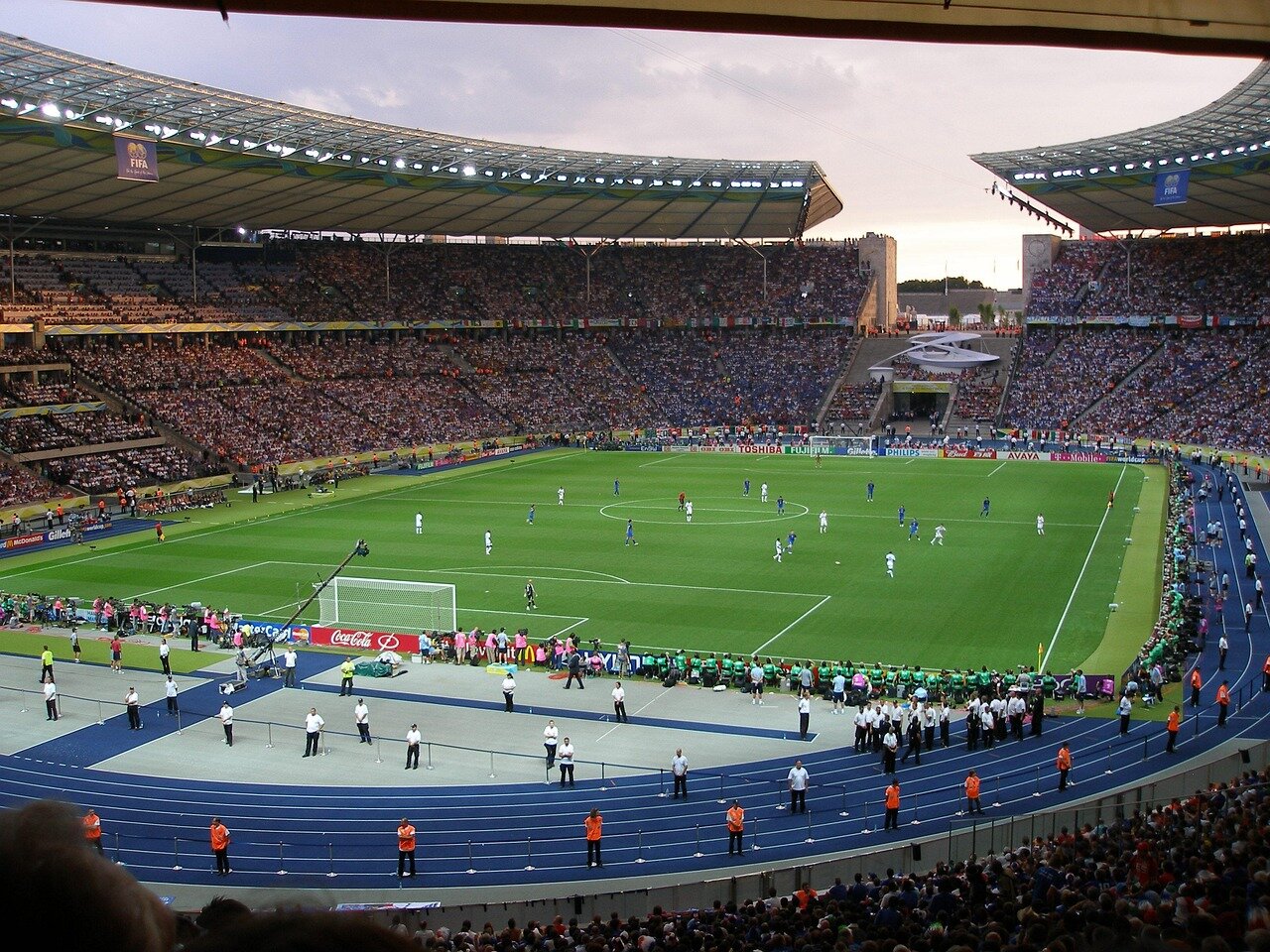
As the digital age progressed, the emergence of streaming services and online platforms has further transformed how audiences consume sports content. The BBC and ITV have adapted by integrating digital offerings, allowing viewers to watch matches on various devices. This evolution reflects broader trends in media consumption and underscores the ongoing importance of these two broadcasters in shaping the future of sports viewing in the UK.
Key issues surrounding World Cup viewership and broadcasting rights
The FIFA World Cup is one of the most-watched sporting events globally, drawing millions of viewers and significant attention from various stakeholders. The primary broadcasters in the UK, the BBC and ITV, play crucial roles in delivering the tournament to audiences. Their interests revolve around maximizing viewership, advertising revenue, and maintaining public engagement with the sport.
One of the main actors in this scenario is FIFA, the governing body of football, which holds the rights to the tournament and negotiates broadcasting deals. Their interest lies in securing lucrative contracts that ensure widespread access to the tournament while also maximizing revenue from broadcasting rights. This can lead to tensions with broadcasters who aim to balance cost and viewer accessibility.
Additionally, the UK government has a stake in ensuring that major sporting events like the World Cup remain accessible to the public. This is particularly relevant given the UK’s commitment to public service broadcasting. The government’s interest aligns with the BBC’s mission to provide free-to-air content, but it may conflict with commercial interests that favor subscription-based models.
- Viewership Access: Ensuring that the tournament is accessible to a broad audience without the barrier of subscription fees.
- Advertising Revenue: Balancing viewer engagement with the need to generate income through advertisements during broadcasts.
- Broadcasting Rights Negotiations: The complexities involved in negotiating rights that satisfy both FIFA and the UK broadcasters.
- Public Interest vs. Commercial Interests: Navigating the tension between public service obligations and the commercial realities of broadcasting.
- Technological Advancements: Adapting to new viewing habits, including streaming and digital platforms, which may change traditional broadcasting dynamics.
Overall, the interplay between these stakeholders highlights the challenges and opportunities within the broadcasting landscape for the World Cup. As the event approaches, ongoing negotiations and public discourse will shape how audiences engage with this globally significant tournament.
How viewers are affected by the broadcasting choices
The decision to broadcast the World Cup on BBC and ITV significantly impacts a diverse range of viewers across the UK. Football fans, families, and casual viewers alike will have access to the matches, which can enhance their viewing experience and foster community engagement. This accessibility is particularly beneficial for those who may not have subscriptions to other sports networks, ensuring that the excitement of the tournament reaches a broader audience.
In the short term, the increased viewership can lead to heightened social interactions as fans gather in homes and public venues to watch the games together. Pubs and restaurants may experience a surge in business, capitalizing on the influx of patrons eager to enjoy the matches in a communal atmosphere. This can provide a much-needed boost to local economies, especially in areas with a strong football culture.
In the mid-term, the broadcasting of the World Cup may influence advertising and sponsorship strategies. Brands looking to capitalize on the heightened interest in football may invest more in targeted advertising during match times, potentially leading to increased revenue for both the broadcasters and the companies involved. Additionally, businesses in related sectors, such as merchandise sales and hospitality, could see a positive impact from the increased visibility of football during this period.
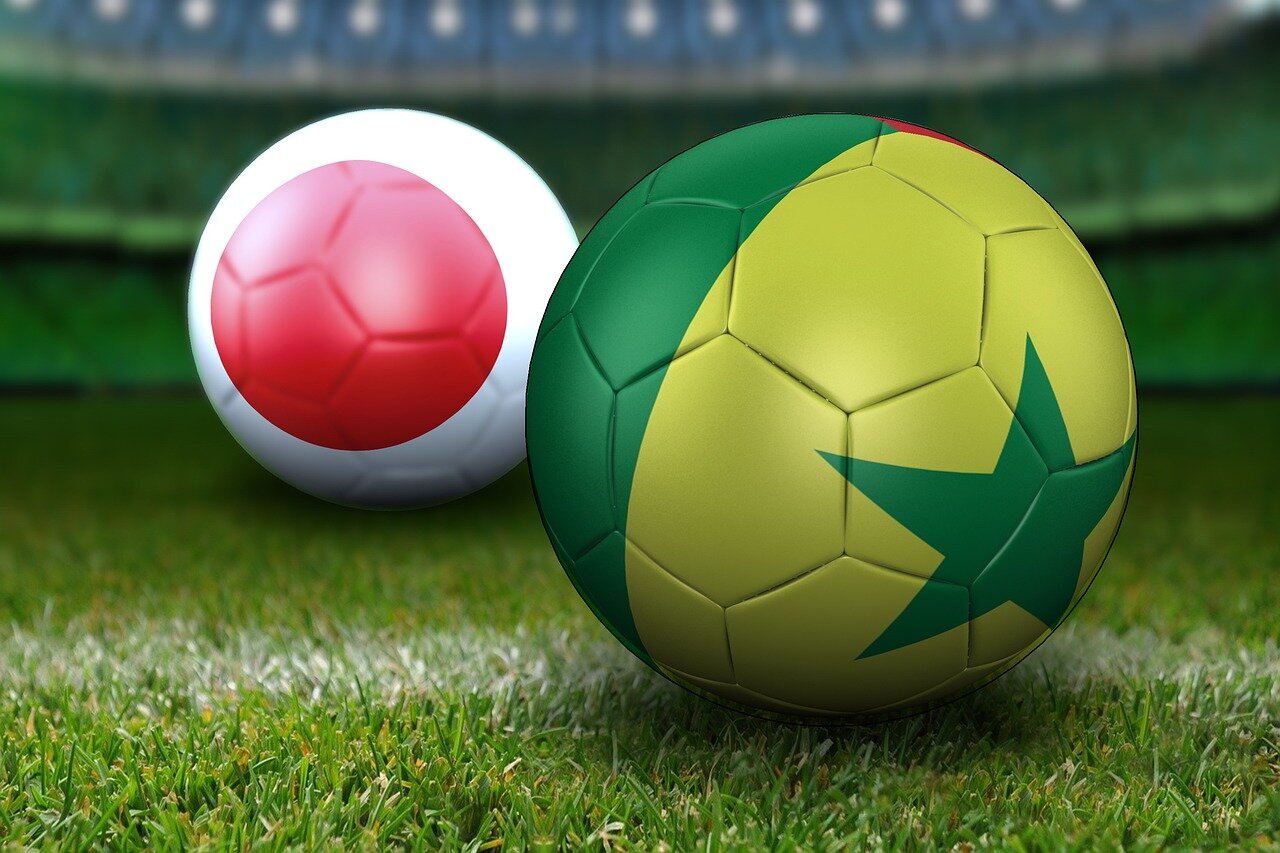
- Increased viewership: Greater access for fans and potential for communal viewing experiences.
- Boost to local businesses: Pubs and restaurants may see higher foot traffic and sales.
- Advertising opportunities: Brands may increase investments in football-related marketing.
However, there are risks associated with such a large-scale event. The potential for overcrowding in public spaces could lead to safety concerns, and the pressure on local infrastructure may strain resources. Additionally, the focus on football could overshadow other cultural events or issues, leading to a temporary shift in public discourse. Balancing these risks with the opportunities presented by the World Cup will be crucial for communities and businesses alike.
Frequently asked questions about World Cup viewing options
A: The World Cup matches will be aired according to the official schedule, which is usually announced prior to the tournament. Both BBC and ITV will provide live coverage of key matches.
A: Yes, both BBC iPlayer and ITV Hub offer streaming services for viewers to watch the World Cup matches live online. You will need a valid TV license to access BBC content.
A: Yes, certain matches may be exclusive to either BBC or ITV, depending on the broadcasting rights agreements. It is advisable to check the schedule for specific match details.
A: Both BBC and ITV provide options to catch up on missed matches through their respective catch-up services, allowing viewers to watch replays after the live broadcast.
Key takeaways and future outlook on World Cup broadcasts
The upcoming World Cup presents a unique opportunity for viewers in the UK, with both the BBC and ITV providing extensive coverage. As audiences prepare to engage with the tournament, understanding the broadcasting landscape is crucial for maximizing the viewing experience. With both networks offering different features and match coverage, fans will benefit from being aware of their options.
Looking ahead, the integration of digital platforms alongside traditional broadcasting will likely enhance accessibility and viewer engagement. As technology continues to evolve, the way fans consume sports content is set to change, offering diverse ways to follow the action.
- Multiple Viewing Options: Fans can choose between BBC and ITV, allowing them to select the commentary and presentation style they prefer.
- Live Streaming: Both broadcasters will provide online streaming options, making it easier for viewers to watch matches on various devices.
- Additional Content: Expect pre-match analysis, post-match discussions, and highlights, enhancing the overall viewing experience.
- Engagement through Social Media: Both networks will likely leverage social media platforms to engage viewers, providing real-time updates and interactive content.
- Future Broadcast Innovations: Anticipate advancements in broadcasting technology that could change how fans experience the World Cup in subsequent tournaments.