Wales currently sits at the bottom of their qualifying group, having secured only two points from their last five matches. Northern Ireland, on the other hand, has fared slightly better but remains in the lower half of the standings. As a result, the match is being dubbed as one that lacks significant competitive stakes, which has contributed to a lack of enthusiasm among fans and pundits alike. For a deeper dive into similar challenges faced by other teams, check out Gattuso faces challenges as Italy prepares for Northern Ireland.
Adding to the tension, both teams have experienced a series of disappointing performances in recent international fixtures. This situation has raised questions about the future of their respective managers, with speculation surrounding potential changes if results do not improve. The match is therefore not only a contest on the field but also a reflection of the broader challenges facing both national teams.
Despite the lack of stakes, the match will still take place at Cardiff City Stadium, with both teams hoping to salvage some pride. Fans are expected to turn out, but the atmosphere may be tempered by the realization that this encounter might not alter their teams’ fates in the qualifying campaign. The significance of the match lies more in its implications for future development rather than immediate results.
Understanding the background of the teams and their rivalry
The match between Wales and Northern Ireland is often dubbed “the match nobody wants,” a phrase that encapsulates the complex historical and political tensions that surround both teams. While both nations share a rich sporting heritage, their footballing encounters have frequently been overshadowed by the broader socio-political contexts that define their identities. The rivalry, while not as fierce as others in the UK, carries with it an undercurrent of historical grievances and national pride.
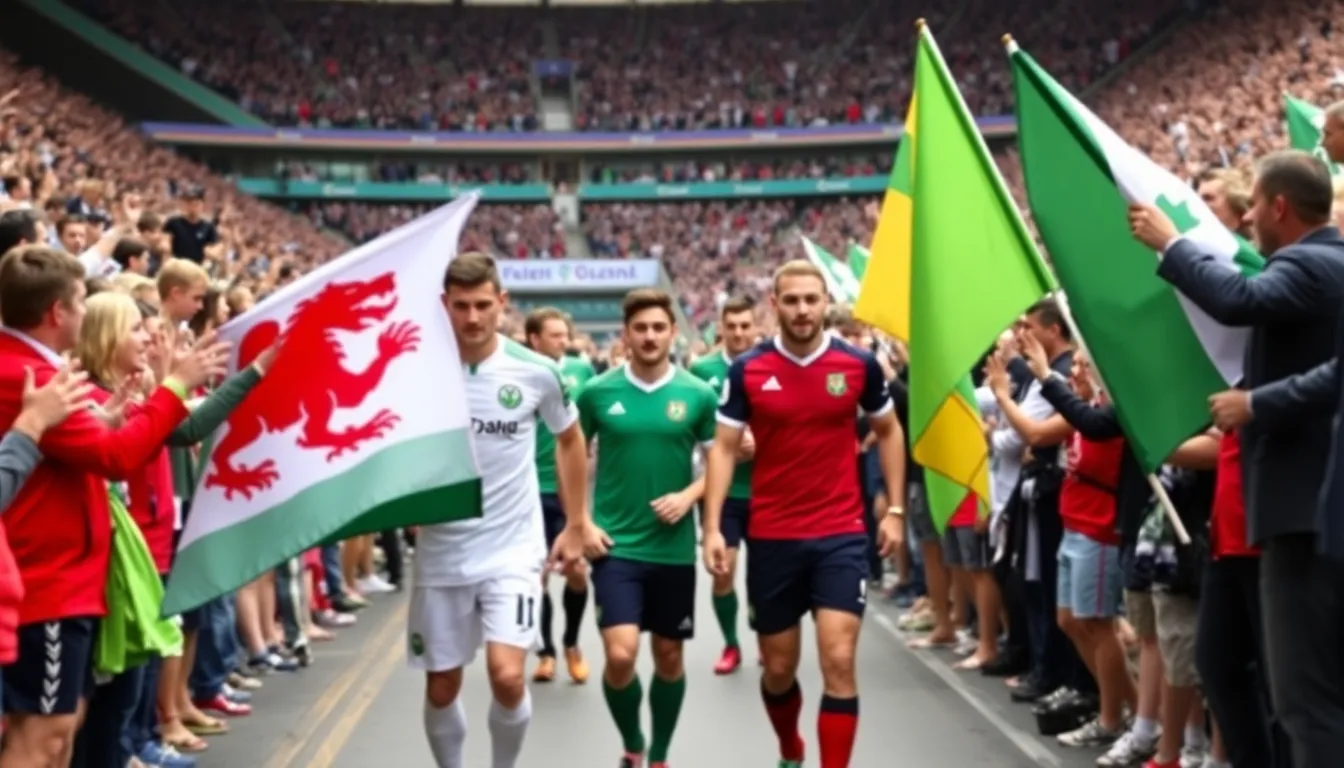
Wales and Northern Ireland have faced each other on the football pitch numerous times, but the significance of these encounters extends beyond mere competition. The political landscape of both regions has been shaped by their unique histories, with Wales grappling with issues of identity and autonomy within the UK, while Northern Ireland has been marked by its tumultuous past, particularly during the Troubles. This backdrop has often influenced the atmosphere surrounding their matches, making them more than just sporting events. For further insights on how these factors play out in other matches, you might find interesting the Villarreal Elche match preview and analysis.
The socio-political context
The socio-political context of both teams adds layers to their rivalry. In Wales, the push for devolution and recognition of the Welsh language has fostered a sense of national identity that is reflected in their footballing spirit. Conversely, Northern Ireland’s footballing history is intertwined with its sectarian divides, where sporting events can evoke strong emotions and historical memories. These elements create a unique dynamic that can make matches between the two sides a reflection of deeper societal issues.
Key milestones in the footballing histories of both nations have also contributed to the current scenario. For instance, Wales’ qualification for major tournaments has been a source of national pride, while Northern Ireland has had its own moments of glory, such as their successful campaigns in the 1980s. However, the lack of significant success in recent years has led to a sense of apathy among fans, making the prospect of a match between the two teams less appealing.
Ultimately, the match serves as a reminder of the intertwined fates of Wales and Northern Ireland, reflecting broader themes of identity, pride, and the impact of history on contemporary sporting rivalries. The complexities of their relationship mean that while the match may not be eagerly anticipated, it remains a significant event in the football calendar, highlighting the ongoing narrative of both nations within the context of the UK. For further reflections on competitive sports under pressure, refer to how Glasner discusses Palace’s urgent quest for a winning goal.
Key issues and stakeholders involved in the match
The upcoming match between Wales and Northern Ireland has drawn attention not only for its sporting implications but also for the various stakeholders involved and the underlying issues at play. Key actors include the national football associations of both countries, the players, fans, and local governments, each with distinct interests and concerns.
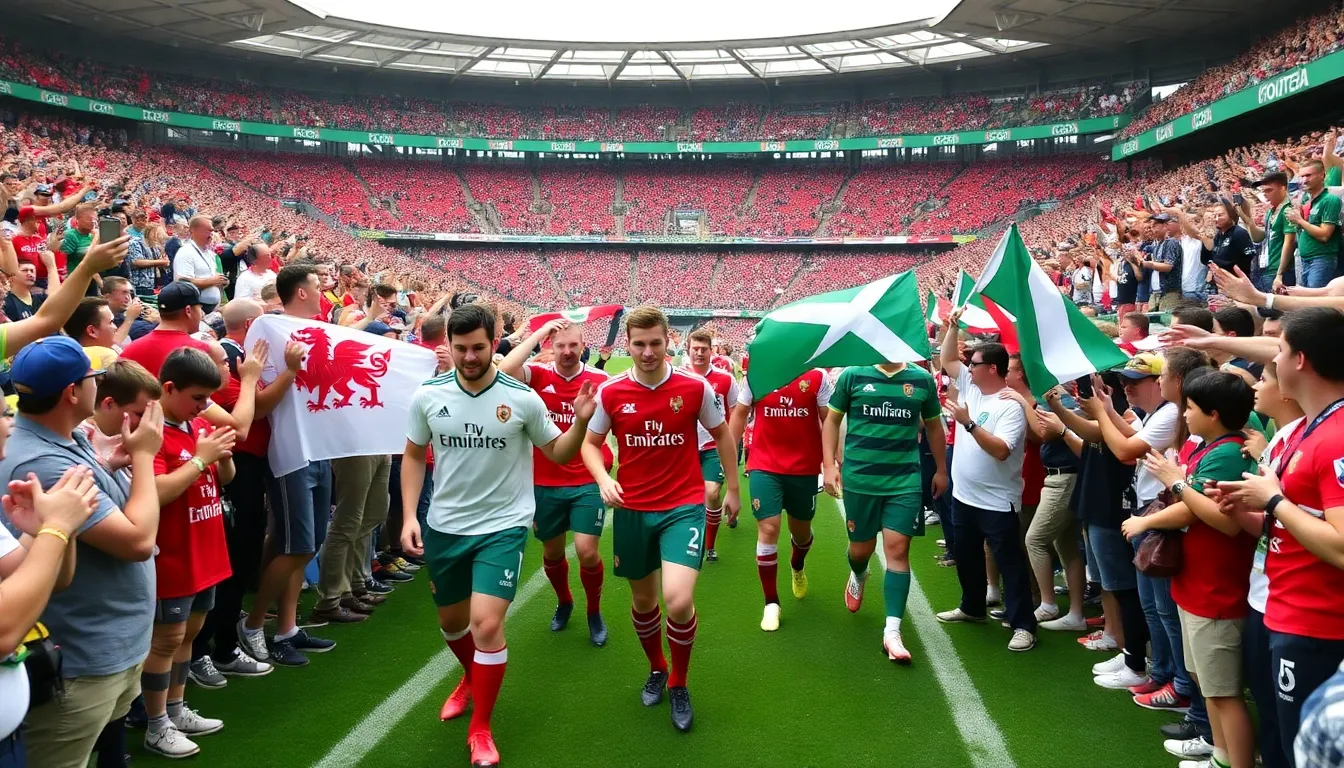
The Football Association of Wales (FAW) and the Irish Football Association (IFA) are central to the organization of the match. Their primary interest lies in promoting football in their respective regions and ensuring a successful event that boosts local engagement and revenue. However, the match is also set against a backdrop of political tensions and historical rivalries, which complicates the dynamics between the two associations.
Players from both teams are another critical stakeholder group. While they are focused on performing well and representing their nations, they may also feel the weight of public sentiment, especially given that this match is perceived by some as lacking significance in the broader context of international football. This perception could affect their morale and drive during the game.
- Economic Impact: The match could generate revenue through ticket sales and tourism, but concerns exist about the potential for low attendance and its financial implications.
- Political Context: The historical and political relationships between Wales and Northern Ireland may influence fan behavior and media coverage, potentially overshadowing the sporting aspect.
- Fan Engagement: Both sets of fans have varying levels of interest in the match, which could impact the atmosphere and overall experience of the event.
Legal issues may also arise, particularly regarding crowd control and safety measures, especially if tensions escalate among fans. Local governments must ensure that adequate resources are allocated to manage these concerns effectively, balancing the need for security with the desire for an enjoyable sporting event.
Who is affected by the outcome of this match
The match between Wales and Northern Ireland, often seen as less significant in the grand scheme of international football, still has a variety of stakeholders who are affected by its outcome. Primarily, fans from both regions are emotionally invested, as the match represents national pride and rivalry, albeit on a smaller scale than other tournaments.
Additionally, local businesses in both Wales and Northern Ireland stand to gain or lose based on the match’s outcome. Pubs, restaurants, and retailers that cater to football fans may experience a surge in sales if the match generates excitement, while a lackluster performance could lead to diminished foot traffic and sales.
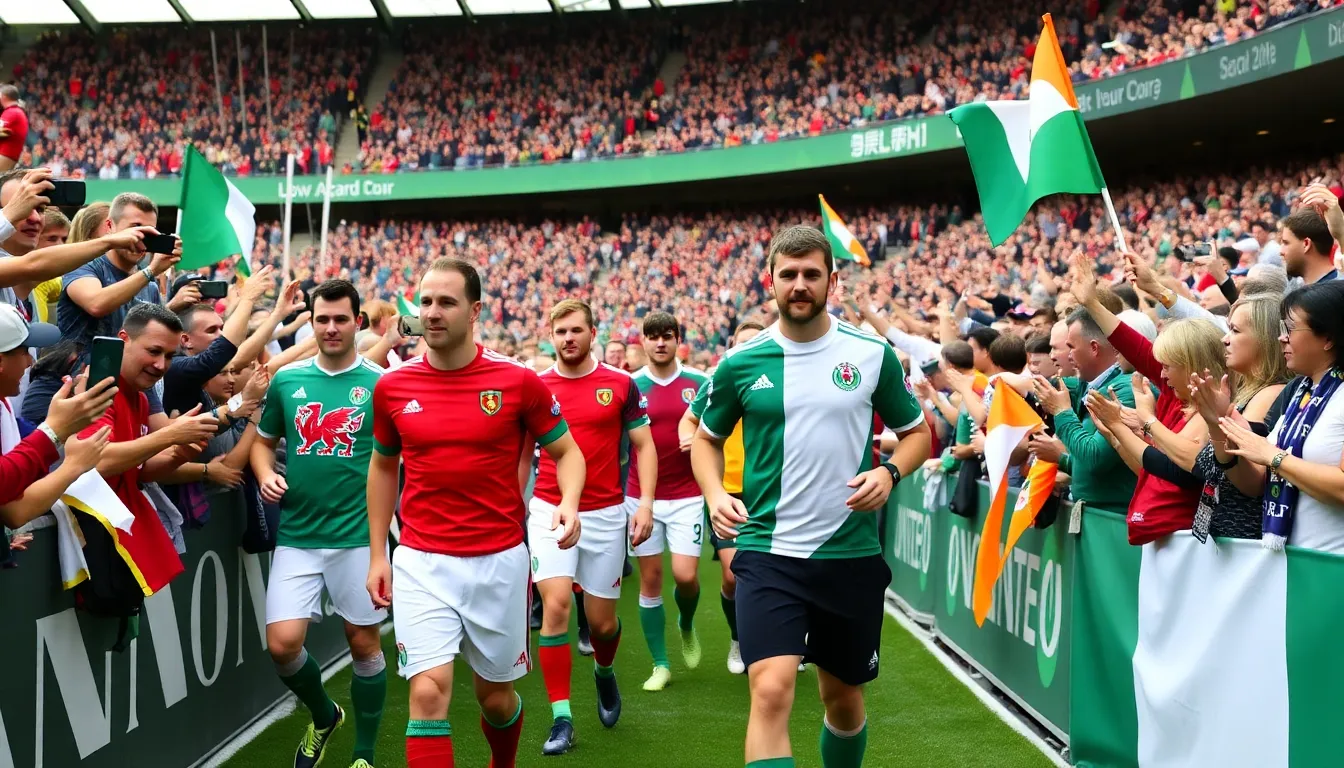
Moreover, the sports industry, including sponsors and broadcasters, is also impacted. A thrilling match could lead to increased viewership and engagement, potentially benefiting advertisers and sponsors looking to connect with passionate fans. Conversely, a dull game may result in lower ratings, affecting revenue streams for broadcasters.
- Fans: Emotional investment and national pride.
- Local Businesses: Potential increase or decrease in sales.
- Sports Industry: Impact on viewership and advertising revenue.
- Local Economies: Economic boost from match-related activities.
In the short term, both regions may see a spike in community engagement as fans come together to support their teams. However, in the mid-term, the match’s outcome could influence future matches and the overall morale of fans, potentially affecting attendance and engagement in subsequent games. While risks include disillusionment among fans and businesses, opportunities lie in increased community spirit and potential growth in local economies through match-related activities.
A: This match is often viewed as lacking excitement due to the teams’ recent performances and the low stakes involved. Fans and analysts alike have expressed indifference towards the outcome. A: Historically, the matches between Wales and Northern Ireland have been closely contested, but recent encounters have seen Wales dominate. However, the overall rivalry remains significant. A: Fan reactions have been mixed, with many expressing disappointment over the lack of competitive spirit. Some are choosing to skip the match altogether. A: While the match may not have immediate implications for rankings, it could influence team morale and future selections for upcoming competitions. A: Yes, both teams have players who could make a significant impact, but their performances will largely depend on the overall team dynamics during the match.
Frequently asked questions about the match
Key takeaways and future outlook for both teams
The match between Wales and Northern Ireland, often seen as a less glamorous fixture, carries significant implications for both teams as they navigate their respective paths in international football. While the stakes may not appear high in terms of tournament progression, the performance in this match could influence team morale, player selection, and future strategies. Both teams are at a crossroads, where a victory could provide much-needed confidence and a sense of direction moving forward.
As they prepare for this encounter, it will be crucial for both squads to assess their strengths and weaknesses, with an eye on building a competitive edge. The outcomes may not just affect rankings but could also have lasting effects on player development and team cohesion.
- Monitor the tactical adjustments made by both coaches, as they may reveal their long-term strategies.
- Watch for emerging talents who could make a case for inclusion in future squads.
- Consider the psychological impact of the match result, particularly on team dynamics and fan engagement.
- Evaluate how the match performance could influence upcoming qualifiers and friendlies.
- Take note of any shifts in player roles that may emerge from this match, indicating future team formations.