The partnership is notable as it marks a shift in how UEFA engages with corporate sponsors, focusing on long-term strategies rather than traditional short-term engagements. This initiative will see the Schwarz Group involved in various UEFA events, including the Champions League and Europa League, allowing for integrated marketing campaigns that align with UEFA’s values of community and sportsmanship.
Furthermore, the collaboration is expected to introduce innovative fan engagement strategies, utilizing digital platforms and interactive experiences. By tapping into UEFA’s vast audience, the Schwarz Group aims to strengthen its brand presence while promoting healthy lifestyles through sports, a core aspect of its corporate philosophy.
This partnership is also significant in the context of the evolving sports marketing landscape, where brands are increasingly seeking deeper connections with fans. As UEFA continues to expand its global footprint, the involvement of a major retailer like the Schwarz Group could set a precedent for future partnerships within the sports industry, reminiscent of recent sponsorship deals being established.
Understanding the background of UEFA’s corporate partnerships
The Union of European Football Associations (UEFA), established in 1954, has long been at the forefront of European football governance. Over the decades, the organization has evolved not only in its regulatory capacity but also in its approach to financial sustainability and partnership strategies. As the landscape of sports marketing has changed, UEFA has sought innovative ways to engage with corporate partners, reflecting broader trends in the sports industry.
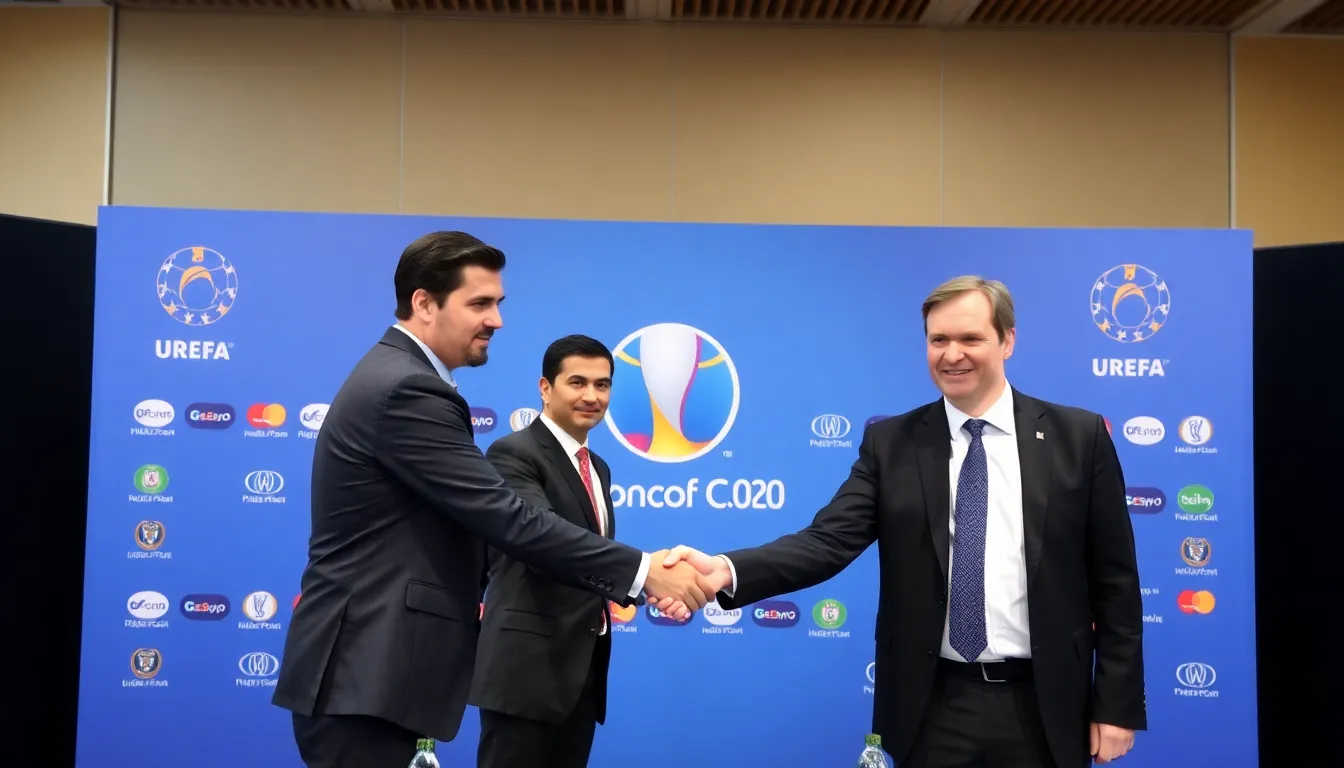
Historically, UEFA’s partnerships have been shaped by the increasing commercialization of football. The introduction of lucrative broadcasting deals and sponsorship agreements in the 1990s marked a significant turning point. These developments not only transformed the financial model of football clubs but also influenced UEFA’s approach to corporate partnerships, paving the way for more strategic alliances that could enhance both revenue and brand visibility.
The Role of Strategic Partnerships
Strategic partnerships have become essential for sporting organizations, particularly in an era where fan engagement and global reach are paramount. UEFA’s collaboration with the Schwarz Group, which owns the Lidl and Kaufland brands, exemplifies this trend. By aligning with a major retail player, UEFA not only secures financial backing but also taps into the extensive consumer base that these brands command, thereby enhancing its marketing capabilities and outreach.
Furthermore, the partnership with the Schwarz Group is indicative of a broader shift towards sustainability and corporate responsibility in sports. As consumers increasingly demand accountability from brands, UEFA’s choice of partners reflects an intention to align with organizations that share similar values, much like the collaboration seen in the Champions League.
In conclusion, the evolution of UEFA’s corporate partnerships is a testament to the dynamic nature of the sports industry. The collaboration with the Schwarz Group marks a significant milestone, showcasing how UEFA is adapting to contemporary challenges while leveraging corporate alliances to foster growth and innovation in European football.
Key stakeholders and implications of the UEFA-Schwarz Group partnership
The recent strategic partnership between UEFA and the Schwarz Group marks a significant shift in the landscape of sports marketing. Key stakeholders in this partnership include UEFA, the Schwarz Group, various national football associations, sponsors, and fans. Each of these entities has distinct interests that could influence the partnership’s outcomes.
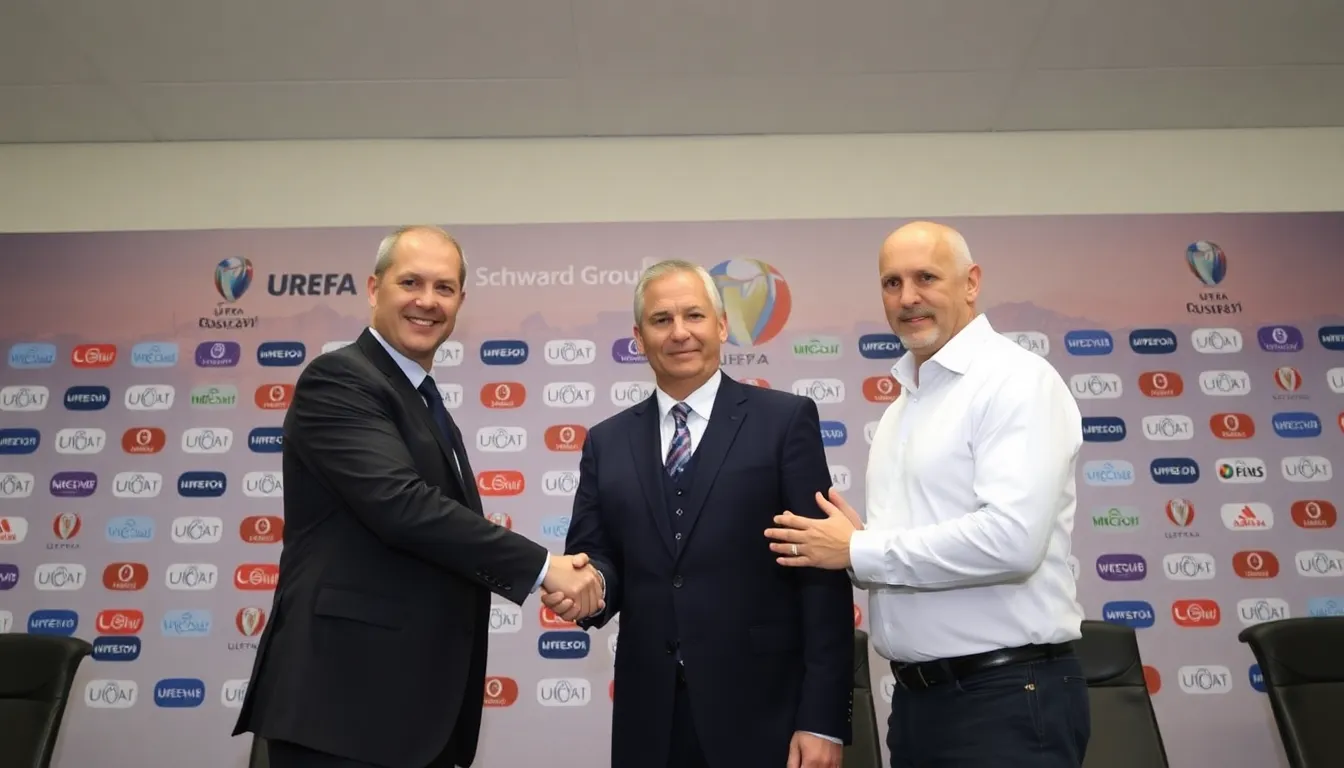
UEFA, as the governing body of European football, is primarily interested in enhancing its brand visibility and generating additional revenue streams. The Schwarz Group, known for its retail operations through Lidl and Kaufland, aims to leverage this partnership to enhance its market presence in the sports domain and connect with a broader audience. National football associations may also benefit from increased funding and resources that could arise from this collaboration.
However, this partnership is not without its challenges. Conflicts may arise over brand alignment and the potential commercialization of football, which could alienate traditional fans who value the sport’s heritage. Additionally, legal issues surrounding sponsorship deals and advertising regulations in different countries could complicate the implementation of marketing strategies.
- Brand Alignment: Ensuring that UEFA’s values align with the commercial aims of the Schwarz Group.
- Fan Engagement: Balancing commercial interests with the expectations and sentiments of football fans.
- Regulatory Compliance: Navigating varying advertising laws across different European markets.
- Financial Gains: Understanding how revenue sharing will impact smaller clubs and associations.
- Long-term Impact: Assessing how this partnership could reshape future sponsorships in sports.
In summary, while the UEFA-Schwarz Group partnership presents opportunities for growth and innovation in sports marketing, it also poses significant challenges that require careful consideration from all stakeholders involved. The balance between commercialization and maintaining the integrity of the sport will be crucial in determining the success of this collaboration.
The potential impact on fans and the sports market
The strategic corporate partnership between UEFA and the Schwarz Group is set to influence various stakeholders within the sports industry. Fans, clubs, and businesses connected to football will experience both immediate and long-lasting effects as this collaboration unfolds.
In the short term, fans may notice enhanced engagement through innovative marketing campaigns and promotional events that leverage the resources of the Schwarz Group. This could lead to increased attendance at matches and heightened excitement around UEFA competitions. Additionally, clubs might see a boost in merchandise sales as new marketing strategies are implemented.
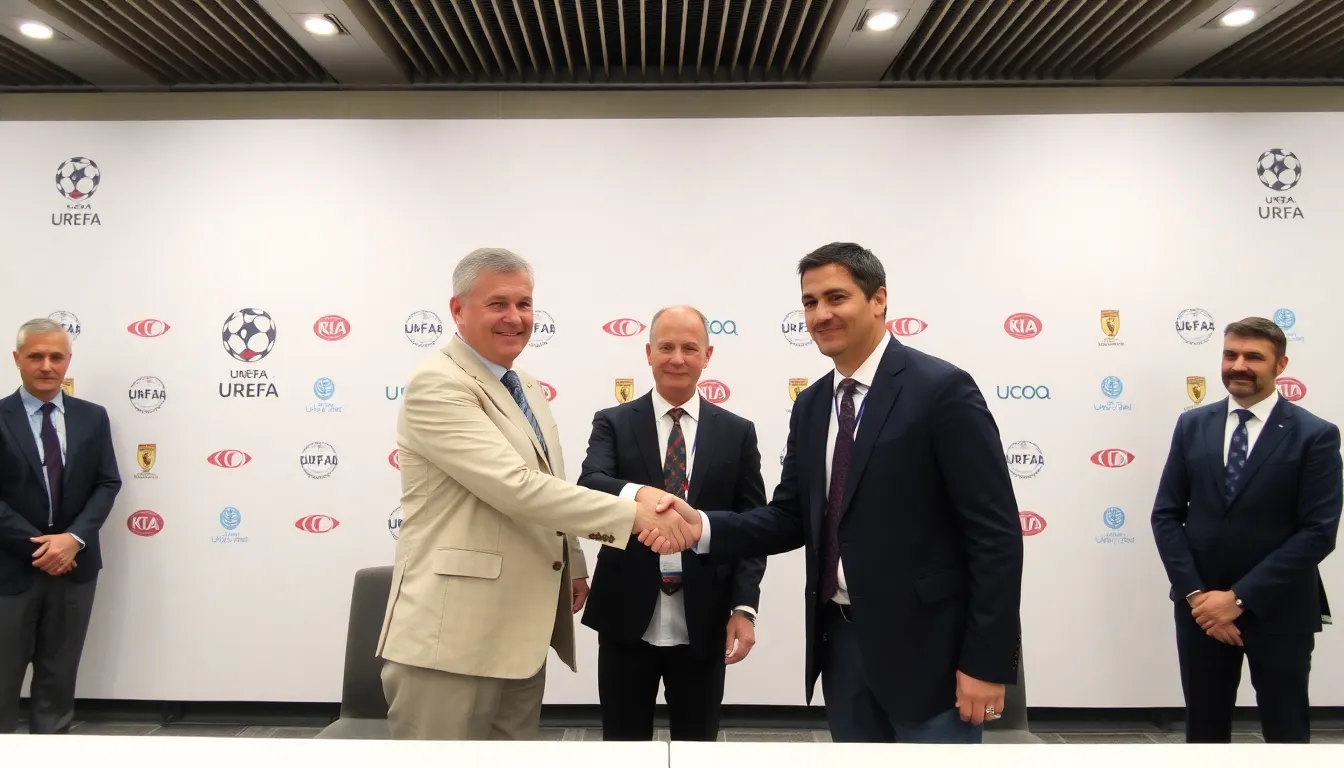
In the mid-term, the partnership has the potential to reshape the landscape of sports sponsorships and advertising. As the Schwarz Group introduces new products and initiatives tied to UEFA events, other companies may feel pressured to elevate their marketing efforts, leading to a more competitive environment. This could also incentivize clubs to seek out similar partnerships, thereby diversifying their revenue streams.
- Opportunities: Enhanced fan engagement and loyalty through innovative marketing.
- Risks: Potential over-commercialization of the sport, leading to fan disillusionment.
- Business Impact: Increased competition among sponsors could drive up marketing costs.
Regions with a strong football culture, particularly in Europe, will likely feel the most significant impact as the partnership unfolds. Local businesses may benefit from increased foot traffic during match days, while larger corporations may explore new collaborations with UEFA to capitalize on the partnership’s visibility.
A: The partnership focuses on innovative marketing strategies that leverage Schwarz Group’s extensive reach and resources to enhance UEFA’s brand visibility and engagement. A: Existing sponsors may see new opportunities for collaboration and co-marketing initiatives, as UEFA aims to create a more integrated marketing ecosystem. A: Fans can anticipate enhanced experiences, including better access to events and exclusive promotions resulting from the partnership. A: The official launch date has not been disclosed yet, but both parties are working towards a swift implementation. A: Yes, digital marketing will be a key focus, utilizing innovative technologies to engage with a broader audience.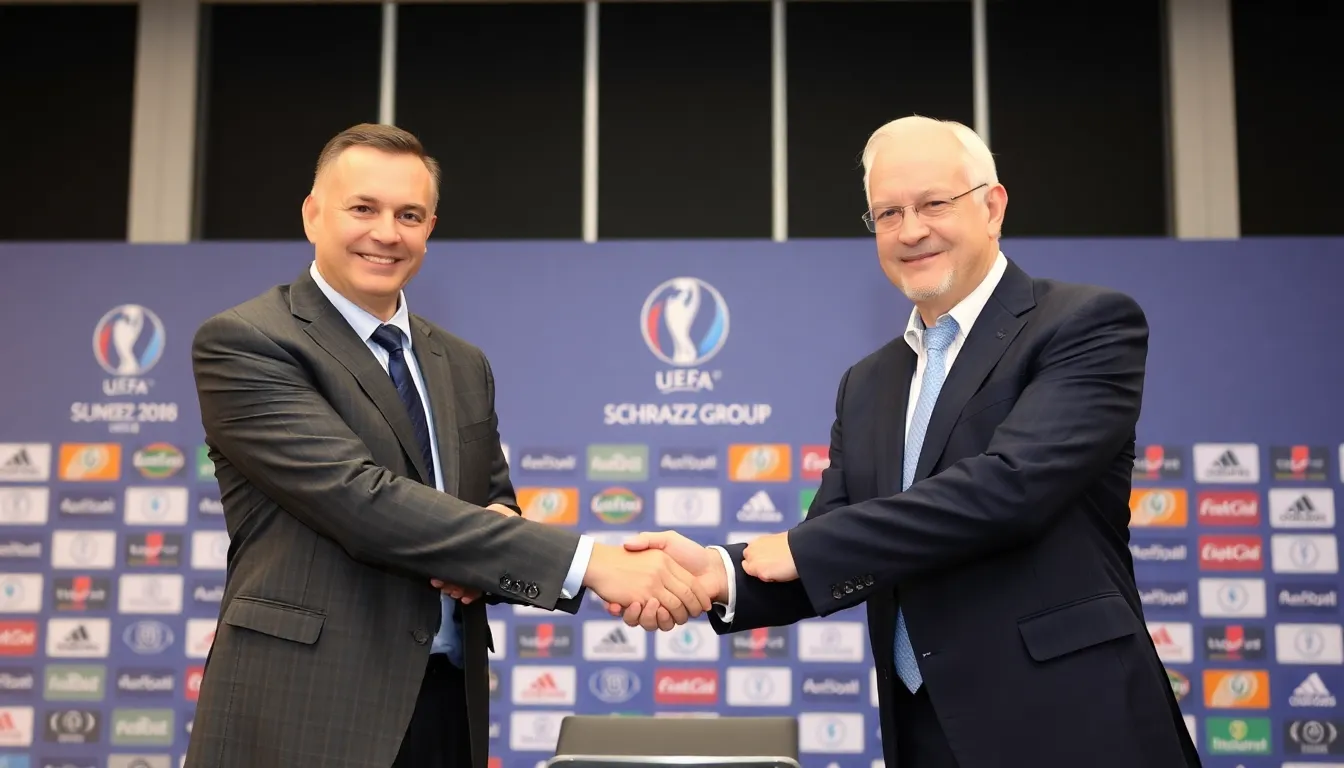
Frequently asked questions about the UEFA and Schwarz Group partnership
Key insights and future outlook on UEFA’s marketing evolution
The recent strategic corporate partnership between UEFA and the Schwarz Group marks a significant shift in how sports organizations approach marketing and sponsorship. This collaboration not only enhances UEFA’s financial stability but also positions it to leverage innovative marketing strategies that resonate with a broader audience. As the landscape of sports marketing continues to evolve, UEFA’s approach could set new benchmarks for engagement and partnership models in the industry.
Looking ahead, the implications of this partnership extend beyond immediate financial benefits. It opens avenues for UEFA to explore new technology-driven marketing initiatives, engage with diverse demographics, and enhance fan experiences. The success of this venture could inspire other sports organizations to rethink their marketing strategies and partnerships in a rapidly changing environment.
- Monitor how UEFA integrates digital platforms and technology in its marketing efforts, potentially setting trends for the industry.
- Watch for the impact of this partnership on fan engagement metrics, as innovative campaigns are likely to attract a younger audience.
- Consider the potential ripple effects on sponsorship deals across other sports organizations, as they may seek similar partnerships to enhance their market presence.
- Evaluate the effectiveness of cross-promotional strategies between UEFA and Schwarz Group, which could redefine collaborative marketing efforts.
- Keep an eye on potential shifts in consumer purchasing behavior as a result of targeted marketing initiatives stemming from this partnership.