Major corporations, including Adidas, Budweiser, and Pepsi, have strategically aligned their marketing efforts with Messi, particularly in the lead-up to the 2026 FIFA World Cup. This collaboration has resulted in record returns on investment (ROI) for these brands, as they tap into Messi’s massive following and positive public perception. For more insights on the impact of brand strategies, visit this related article. The anticipation surrounding the World Cup is amplifying this trend, creating a unique opportunity for brands to capitalize on Messi’s influence.
Recent studies indicate that brands associated with Messi experience a notable increase in consumer trust and purchase intent. For instance, a report from Q2 2023 highlighted that campaigns featuring Messi saw a 30% higher engagement rate compared to those without him. This data illustrates the tangible benefits brands can reap from associating with a global icon.
Furthermore, Messi’s recent transfer to Inter Miami CF has only heightened his visibility in the North American market. This move not only expands his fan base but also presents a lucrative opportunity for brands looking to penetrate the U.S. and Canadian markets. As such, Messi’s role in advertising continues to evolve, reflecting broader trends in marketing and consumer behavior.

The Rise of the Halo Effect in Marketing
The concept of the ‘Halo Effect’ has been a cornerstone in marketing strategies for decades, referring to the phenomenon where the positive attributes of a person or brand influence perceptions of their other qualities. In the realm of sports, few figures embody this effect as profoundly as Lionel Messi. His unparalleled skill, sportsmanship, and global appeal have made him a prime target for brands seeking to enhance their image and reach wider audiences.
Historically, the use of celebrity endorsements dates back to the early 20th century, with brands leveraging the popularity of athletes to sell products. However, it was not until the rise of social media and digital marketing in the 21st century that the Halo Effect truly gained momentum. Brands recognized that associating with icons like Messi could yield significant returns on investment, particularly as consumer behavior shifted towards valuing authenticity and relatability.
Key Milestones in Messi’s Brand Partnerships
Messi’s journey as a brand ambassador began in earnest with his long-standing relationship with Adidas, which started in 2006. This partnership not only amplified his personal brand but also coincided with Adidas’s own marketing campaigns, showcasing Messi as the face of their football products. As Messi’s career progressed, so did his influence, leading to lucrative deals with major corporations such as Pepsi, Budweiser, and Mastercard, each leveraging his image to resonate with diverse consumer demographics.
The economic impact of Messi’s endorsements has been staggering. A report indicated that brands featuring Messi in their advertising campaigns experienced a remarkable increase in consumer engagement and sales, particularly leading up to major tournaments like the FIFA World Cup. This trend highlights a significant shift in marketing paradigms, where the association with a beloved sports figure can translate into tangible financial success for corporations. For those interested in more on World Cup highlights, check out this resource.

As the 2026 World Cup approaches, the stakes are higher than ever. Brands are now investing heavily in Messi-centric campaigns, anticipating a record return on investment. This strategic alignment not only capitalizes on Messi’s existing fanbase but also positions brands to engage with new audiences, making the Halo Effect a crucial element in their marketing playbooks.
Key Stakeholders and Their Strategies
The recent surge in brand advertisements featuring Lionel Messi highlights a complex interplay of stakeholders, each with distinct interests and strategies. Major global brands, including sportswear companies, beverage manufacturers, and automotive firms, have capitalized on Messi’s unparalleled popularity to enhance their market presence and drive sales. By associating their products with Messi, these companies aim to leverage his ‘Halo Effect’ to attract consumers and boost their return on investment (ROI).
On the other hand, Messi himself stands as a pivotal stakeholder, with his brand value significantly impacted by these partnerships. The Argentine football star benefits financially through endorsement deals, while also maintaining his public image as a global icon. His involvement in various advertisements not only reinforces his status but also opens avenues for further lucrative opportunities in the future. If you want to explore more about how different teams are faring, consider reading this prediction.
Additionally, marketing agencies play a crucial role in orchestrating these partnerships, crafting campaigns that resonate with audiences worldwide. Their expertise in consumer behavior and market trends enables them to effectively position brands alongside Messi, maximizing the potential for engagement and sales. However, these agencies must also navigate the challenges of maintaining authenticity and ensuring that the endorsements align with the values of both Messi and the respective brands.
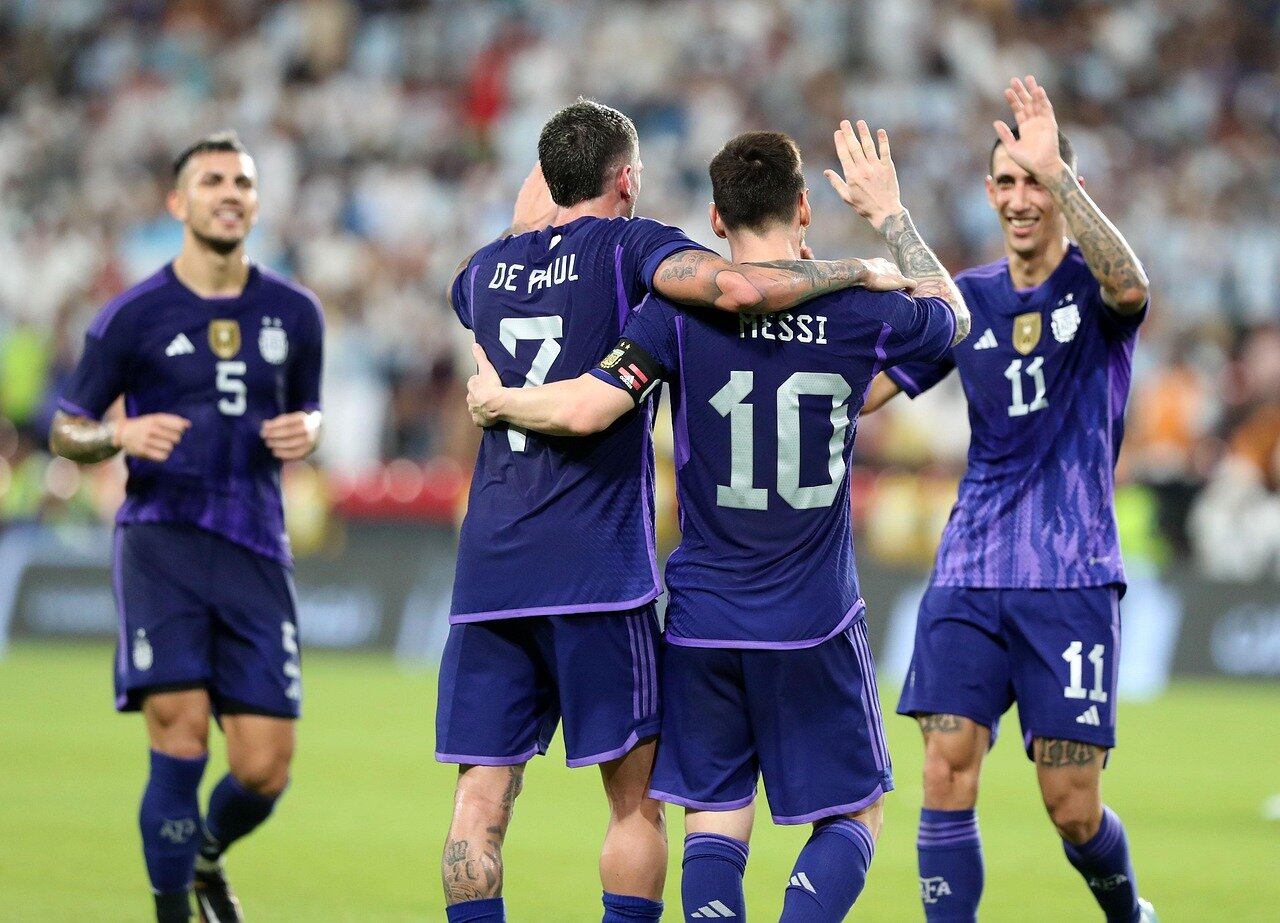
- Brand Interests: Corporations seek to enhance visibility and consumer loyalty through Messi’s image.
- Messi’s Position: He aims to secure profitable endorsements while preserving his reputation.
- Agency Strategies: Marketing firms focus on creating impactful campaigns that leverage Messi’s influence.
- Legal Considerations: Contracts must address intellectual property rights and endorsement terms.
- Economic Impact: The ROI from these advertisements can significantly affect market dynamics and consumer spending.
In this ecosystem, conflicts may arise, particularly concerning the alignment of brand values with Messi’s public persona. Brands that misstep in their messaging risk backlash from consumers, which could tarnish both their reputation and Messi’s. Furthermore, as the 2026 World Cup approaches, the stakes are higher, prompting brands to intensify their marketing efforts while navigating the competitive landscape.
The Market Impact of Messi’s Advertising Presence
The advertising landscape is witnessing a significant transformation due to Lionel Messi’s prominent presence in brand campaigns. Various groups, including marketing professionals, corporate executives, and consumers across multiple demographics, are directly affected. Industries such as sportswear, beverages, and technology are particularly influenced, as they leverage Messi’s global appeal to enhance their brand visibility and customer engagement.
In the short term, businesses that incorporate Messi into their advertising strategies can expect increased brand recognition and consumer interest. This surge in visibility can lead to higher sales and market share, especially in regions where Messi has a substantial fan base, such as Latin America, Europe, and parts of Asia. Brands may also experience a boost in social media engagement, as fans share and interact with Messi-related content.
Mid-term impacts could include shifts in marketing strategies across various sectors, as companies look to replicate Messi’s success by aligning with other influential figures. This trend may lead to a more competitive advertising environment, where brands strive to create innovative campaigns that resonate with consumers. Additionally, we may see a rise in partnerships between sports entities and corporate brands, reshaping sponsorship dynamics.

- Opportunities: Enhanced brand loyalty and customer acquisition.
- Risks: Over-saturation of celebrity endorsements may dilute brand messages.
- Policy Implications: Increased scrutiny on advertising practices and transparency in celebrity endorsements.
While the halo effect generated by Messi’s endorsements presents numerous opportunities, it also poses risks for brands that may over-rely on celebrity influence. Balancing authentic messaging with celebrity appeal will be crucial for long-term success in this evolving market landscape.
A: Messi’s global popularity and positive image create a strong Halo Effect, making brands eager to associate with him for enhanced visibility and credibility. A: The Halo Effect is a cognitive bias where the perception of one positive trait influences the perception of other traits, making Messi’s endorsements particularly powerful. A: Brands typically measure ROI through increased sales, brand awareness metrics, and customer engagement levels following the launch of campaigns featuring celebrities. A: Yes, if a celebrity faces controversy or negative publicity, it can adversely affect the brand’s image and sales, necessitating careful selection. A: Brands in sports, lifestyle, and luxury sectors often leverage Messi’s image to attract consumers who admire his success and persona.
Frequently Asked Questions about Messi and Brand Ads
Future Insights on Messi’s Advertising Impact
As brands increasingly leverage the ‘Halo Effect’ associated with Lionel Messi, the implications for corporate marketing strategies are profound. His presence in 22% of major brand advertisements signals a pivotal shift in how companies engage with consumers, particularly in the lead-up to the 2026 events. This phenomenon not only enhances brand visibility but also promises substantial returns on investment, as evidenced by the record ROI achieved by advertisers utilizing Messi’s image.
Looking ahead, businesses must consider the evolving landscape of celebrity endorsements and the potential for sports figures to drive brand loyalty and consumer engagement. The strategic use of Messi in campaigns highlights the importance of aligning brand values with influential personalities to maximize impact and reach.
- Monitor ROI Metrics: Brands should continuously assess the return on investment from campaigns featuring Messi, adjusting strategies as necessary to optimize performance.
- Explore Diverse Partnerships: Companies can benefit from exploring collaborations with other influential figures in sports and entertainment to broaden their appeal.
- Focus on Authenticity: Ensuring that partnerships resonate authentically with target audiences will be key to sustaining engagement and loyalty.
- Leverage Social Media: Utilizing Messi’s extensive social media following can amplify brand messages and create more impactful advertising campaigns.
- Adapt to Market Trends: Staying attuned to changing consumer preferences and trends in celebrity endorsements will help brands remain relevant and competitive.