The pressure is mounting as the January transfer window approaches, with club management reportedly considering a change if results do not improve. Chelsea’s ownership, led by Todd Boehly, has emphasized a commitment to success, and the team’s lackluster form has raised concerns about Maresca’s ability to lead effectively. For more on the club’s management dynamics, see our article on Maresca’s discussions regarding potential links to Manchester City.
Key matches in January, including a critical fixture against Manchester United on January 14, could prove pivotal for Maresca’s future. Fans and analysts alike are watching closely, as a failure to secure vital points may lead to a reassessment of his position at the club. This situation echoes the sentiments expressed in our overview of the Cordón Market Review.
In addition to internal pressures, external factors such as potential candidates for the managerial role are also in play. Names like Mauricio Pochettino and Julian Nagelsmann have surfaced as possible replacements, further intensifying the scrutiny on Maresca as the clock ticks down to the new year.
Understanding the challenges faced by Chelsea this season
Chelsea Football Club, one of the most storied teams in English football, has found itself in a precarious position this season. Following a series of underwhelming performances, the pressure is mounting on head coach Enzo Maresca to deliver results. The club’s ambitious expectations, coupled with a turbulent managerial history, have set the stage for a challenging environment.
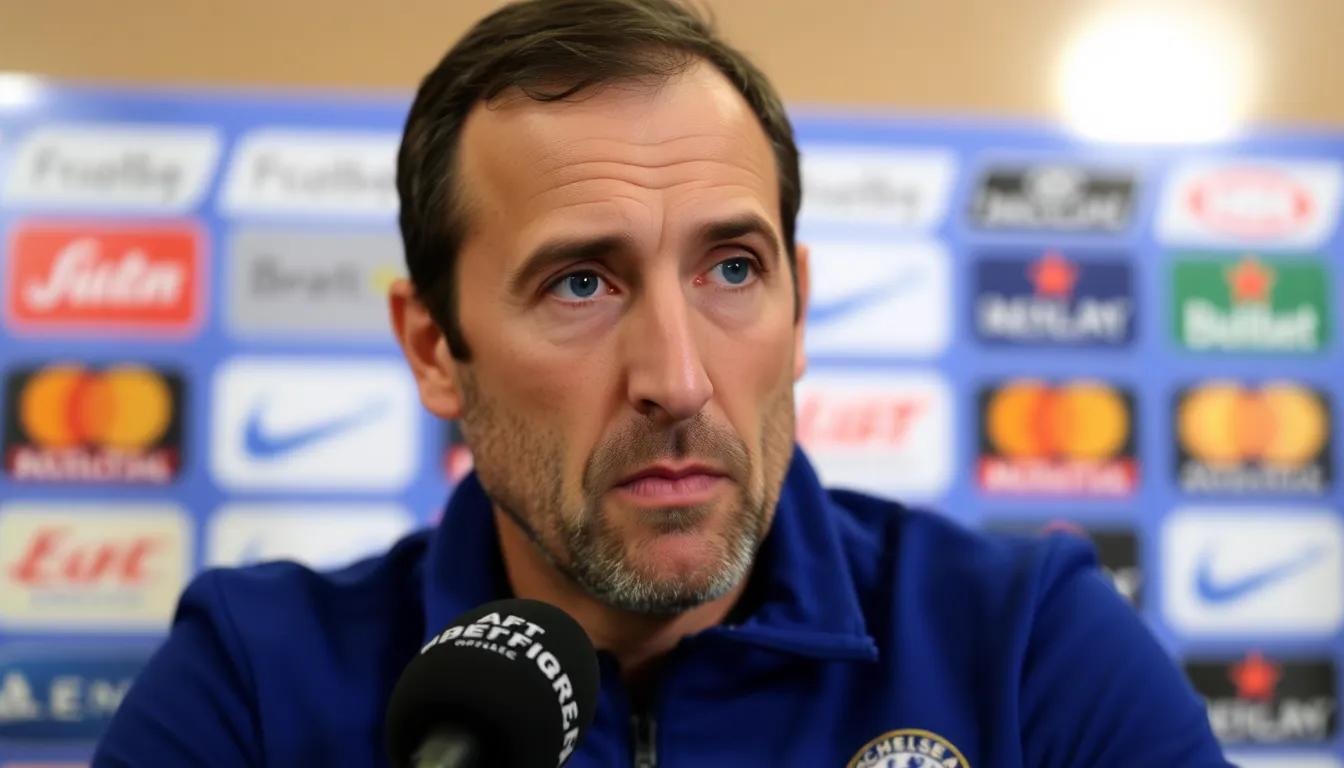
The club’s recent struggles can be traced back to a series of managerial changes that have disrupted team cohesion and strategy. Since the departure of Thomas Tuchel in September 2022, Chelsea has seen multiple coaches come and go, each bringing their own philosophies and tactical approaches. This instability has made it difficult for players to adapt and perform consistently, leading to a decline in form.
Economically, Chelsea has invested heavily in player acquisitions, particularly during the 2022 and 2023 transfer windows. Despite spending over £600 million on new talent, the expected results have not materialized on the pitch. The financial pressure to perform, especially in the Premier League, adds another layer of urgency to Maresca’s situation, as fans and owners alike expect a return on their investment.
Key milestones in Chelsea’s recent history
The club’s recent history is marked by significant milestones that have shaped its current predicament. The 2021 UEFA Champions League victory under Tuchel brought hope and restored faith in the club’s direction. However, the subsequent managerial changes and inconsistent performances have overshadowed that success. Additionally, the club’s ownership transition in 2022 has introduced new dynamics, with the new owners eager to establish their legacy through immediate success. More on this topic can be found in our article about Aritz’s impending farewell.
As Chelsea enters January, a crucial period for transfers and potential squad reshaping, the stakes could not be higher for Maresca. The upcoming fixtures will not only define the team’s season but also determine the future of its head coach. The combination of historical pressures, financial expectations, and the need for stability creates a perfect storm that could see Maresca’s tenure at Chelsea come to an abrupt end if results do not improve.
Key stakeholders and issues surrounding Maresca’s future
As Chelsea navigates a challenging season, several key stakeholders are closely monitoring the situation surrounding head coach Enzo Maresca. The primary actors include the club’s management, players, fans, and the media, each with distinct interests that intertwine with Maresca’s performance.
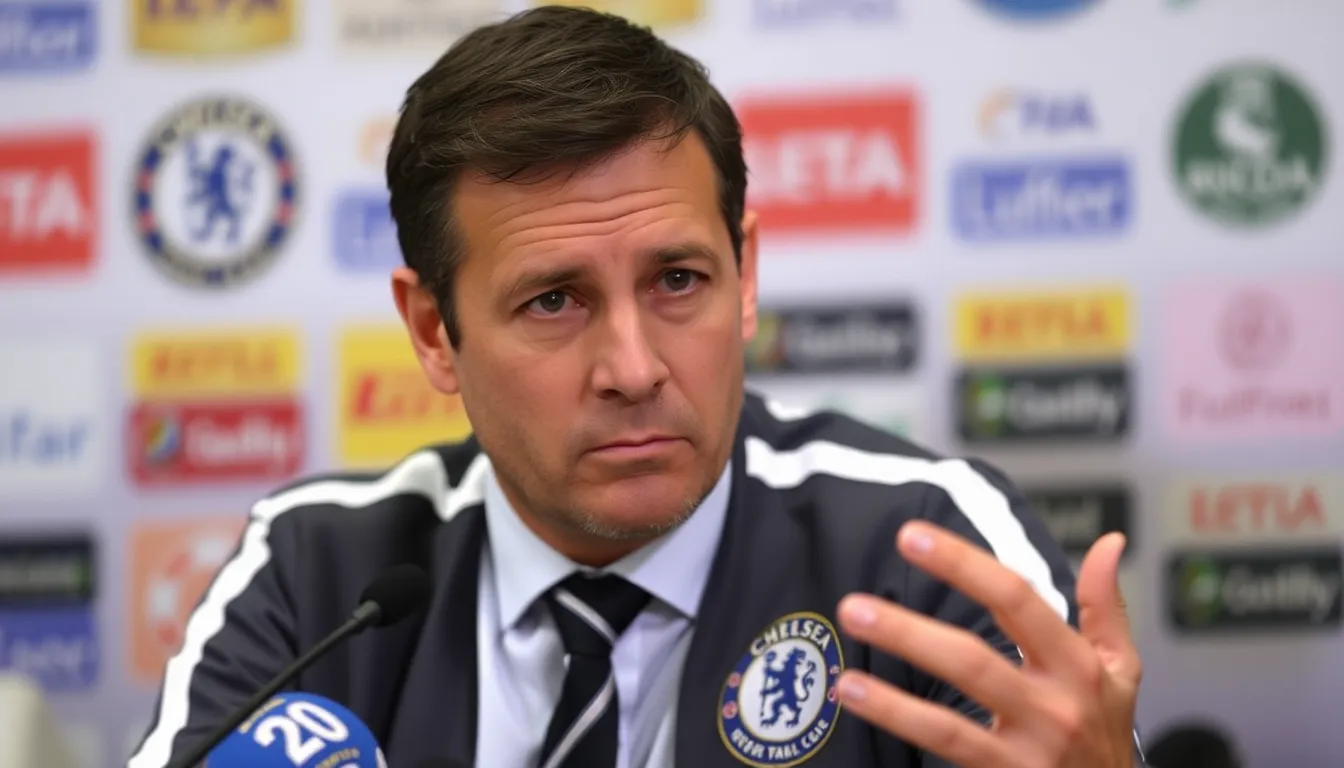
The club’s management, including owner Todd Boehly and the board, is primarily concerned with the team’s performance and financial implications. A poor run of results could jeopardize their investment and diminish the club’s brand value. The pressure to deliver results is amplified by the expectations of fans who demand a competitive squad capable of challenging for top honors.
Players also play a crucial role in this scenario. Their morale and performance on the pitch can significantly influence the team’s overall success. If players lose faith in Maresca’s tactics or leadership, it could lead to a decline in performance, further endangering his position. Moreover, the players’ relationships with the coaching staff can create internal conflicts that may affect team cohesion.
- Management’s financial stakes: A poor performance could lead to significant financial losses for the club.
- Fan expectations: Supporters are increasingly vocal about their dissatisfaction, which can pressure the management to make changes.
- Player dynamics: The relationship between Maresca and his squad is critical; discontent among players can lead to underperformance.
- Media scrutiny: The press plays a significant role in shaping public perception, often amplifying the pressure on management to act.
- Potential replacements: Speculation about potential successors can create uncertainty and further complicate Maresca’s position.
In summary, the interplay between these stakeholders creates a complex web of interests and pressures that could determine Maresca’s future at Chelsea. The club must carefully navigate these dynamics to ensure both immediate results and long-term stability.
Potential consequences for Chelsea and its players
The potential departure of coach Maresca from Chelsea could have significant ramifications for various stakeholders, including the players, coaching staff, and the club’s broader fan base. The immediate concern is the impact on team morale and performance, which could lead to a downward spiral in results if not addressed swiftly.
In the short term, players may experience heightened pressure to perform, as uncertainties around Maresca’s position could create an unstable environment. This instability can lead to decreased focus during training and matches, ultimately affecting the team’s performance in crucial fixtures. Additionally, the coaching staff may face increased scrutiny, leading to potential changes in their roles or responsibilities.
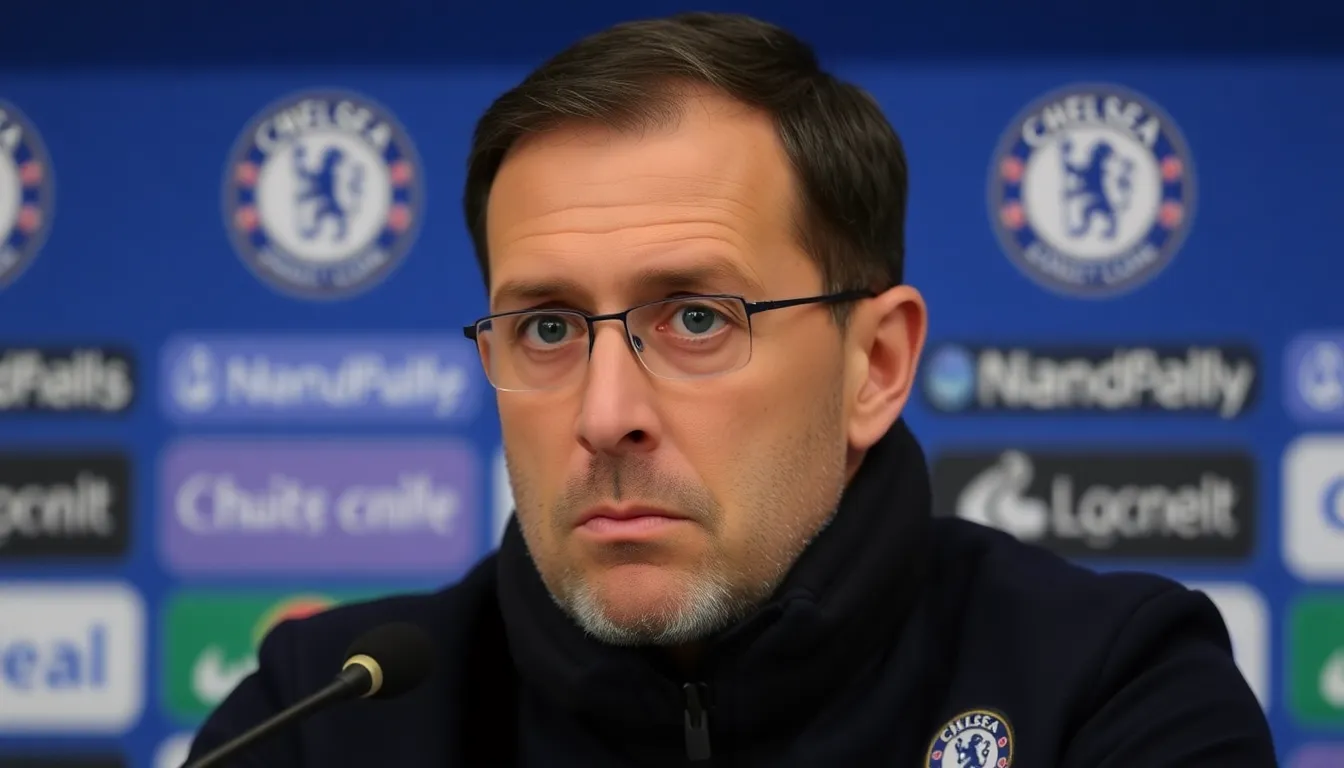
From a business perspective, the club’s financial health could be at risk if results do not improve. Poor performance can lead to lower matchday revenues, decreased merchandise sales, and diminished sponsorship appeal. Fans may become disillusioned, impacting attendance and engagement levels.
- Short-term impacts: Decreased player morale, potential loss of fan support, and reduced matchday revenue.
- Mid-term impacts: Changes in coaching staff, potential player transfers, and a shift in club strategy.
- Risks: Long-term damage to club reputation and financial instability.
- Opportunities: Potential for new leadership and fresh tactics that could rejuvenate the team.
Furthermore, the uncertainty surrounding Maresca’s future could also influence recruitment strategies. If the club decides to part ways with him, they may seek a coach with a different philosophy, which could attract new talent or alienate existing players who thrive under the current system. This transitional phase presents both risks and opportunities for Chelsea as they navigate the complexities of team dynamics and performance expectations.
A: If Chelsea continues to underperform and fails to secure positive results in January, the club may consider a change in management. A: Chelsea’s performance has been inconsistent, leading to mounting pressure on Maresca as the team struggles to find form. A: Several names have been speculated, including experienced managers who could bring a fresh approach to the team. A: A change in management could disrupt team dynamics but may also provide a much-needed boost if a new coach can inspire the players. A: The club is likely to assess performance closely throughout January, with decisions potentially being made shortly after the transfer window closes.
Frequently asked questions about Maresca’s situation
Looking ahead: What does the future hold for Maresca?
As Chelsea navigates a challenging season, the pressure is mounting on manager Enzo Maresca. With disappointing results in recent matches, the club’s management may soon have to make difficult decisions regarding his future. January presents a critical juncture, not only for the team’s performance but also for Maresca’s tenure. The upcoming fixtures will be pivotal in determining whether he can turn the tide or if a change is necessary.
Key factors to monitor include the team’s response to adversity, potential reinforcements during the transfer window, and the overall morale within the squad. A series of poor performances could lead to a swift reassessment of Maresca’s position, while a turnaround might bolster his standing and lead to a more stable environment at Stamford Bridge.
- Watch for Chelsea’s performance in January; results will be crucial for Maresca’s future.
- Monitor potential transfer activity that could impact the squad’s dynamics.
- Evaluate player response to Maresca’s tactics and management style in upcoming matches.
- Consider the implications of a managerial change on team morale and performance.
- Keep an eye on statements from the club’s hierarchy regarding their support for the manager.