This increase in attendance can be attributed to several factors, including the competitive nature of the league, which has seen a tight race for the championship. Clubs such as Paris Saint-Germain and Olympique Marseille have drawn significant crowds, bolstered by high-profile signings and exciting matchups that have captivated fans across the country.
Moreover, the league’s strategic marketing efforts and improvements in stadium facilities have made attending matches more appealing. Initiatives aimed at enhancing the overall matchday experience have contributed to this uptick, with clubs investing in fan engagement activities and better amenities.
As the season progresses, the implications of these attendance records are significant for the financial health of the clubs and the league as a whole. Increased ticket sales and merchandise revenue can provide clubs with additional resources to invest in talent and infrastructure, potentially elevating the league’s profile on the international stage.
Understanding the factors behind increased attendance
France’s Ligue 1 has witnessed a remarkable surge in mid-season attendance figures, a trend that can be attributed to a confluence of historical, social, and economic factors. Over the past decade, the league has undergone significant transformations, both on and off the pitch, that have enhanced its appeal to fans. The revitalization of stadiums, coupled with strategic marketing initiatives, has played a crucial role in drawing larger crowds to matches.
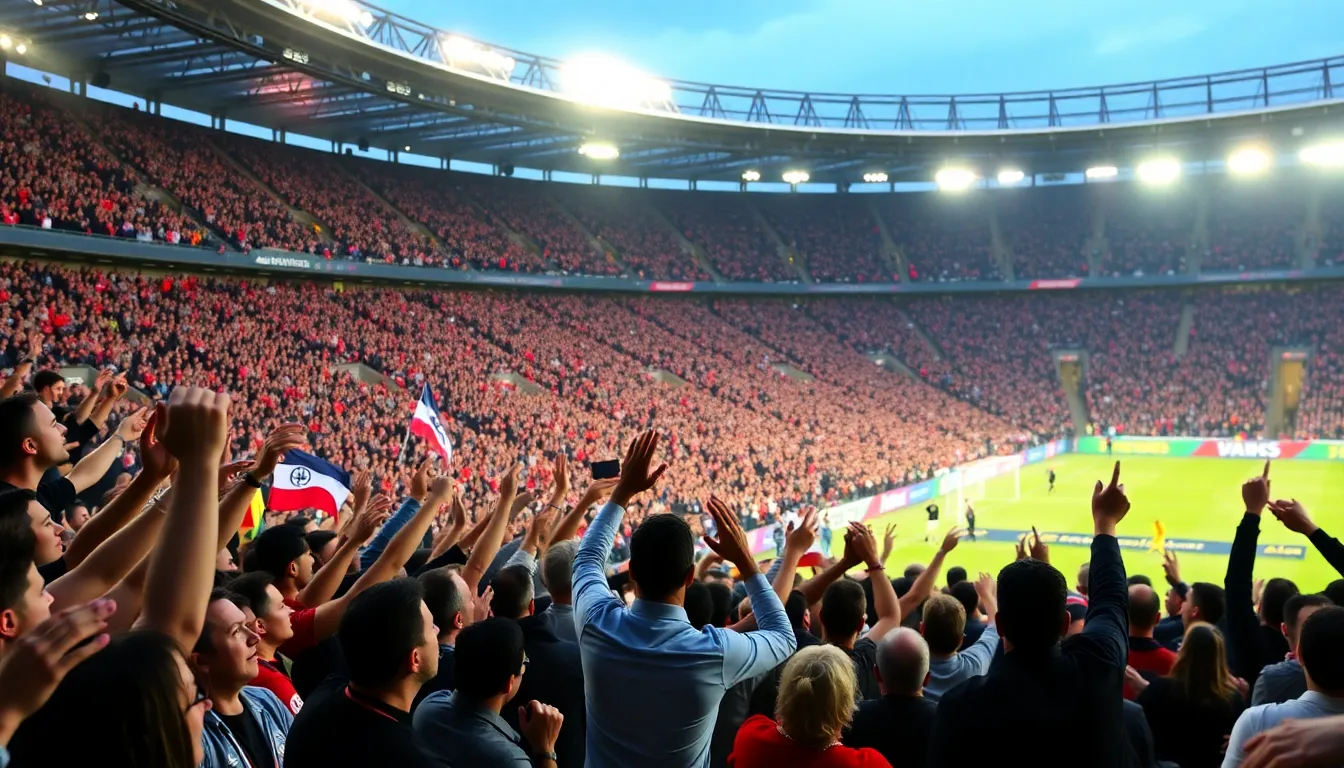
Historically, French football has enjoyed a passionate fan base, yet it faced challenges in the early 2000s, including financial instability among clubs and a lack of competitive balance. However, the introduction of the Ligue 1 Conforama brand in 2016 and the influx of foreign investments have revitalized the league’s image. Clubs like Paris Saint-Germain and AS Monaco have attracted international stars, elevating the quality of play and increasing the league’s visibility globally.
The impact of socio-economic factors
The socio-economic landscape in France has also influenced attendance. With the easing of COVID-19 restrictions, fans have eagerly returned to stadiums, craving the communal experience of live sports. Additionally, the rise of affordable ticket pricing and family-friendly initiatives has made attending matches more accessible to a broader audience. The league’s commitment to enhancing the matchday experience, including improved facilities and entertainment options, has further incentivized attendance.
Moreover, the cultural significance of football in France cannot be overlooked. As a sport deeply embedded in the national identity, Ligue 1 matches serve as social events that foster community and pride. The resurgence of local rivalries and the promotion of grassroots initiatives have rekindled interest among younger demographics, ensuring a vibrant future for the league, as discussed in related articles.
In summary, the record mid-season attendances in Ligue 1 are the result of a multifaceted approach that combines historical evolution, strategic marketing, and a keen understanding of socio-economic dynamics. As the league continues to grow, it remains essential for clubs and stakeholders to maintain this momentum and build on the successes achieved in recent years.
Key stakeholders and issues influencing attendance growth
The remarkable rise in mid-season attendances for France’s Ligue 1 can be attributed to a variety of stakeholders, each with distinct interests and influences. Key actors include the league’s governing body, club owners, local governments, and fans, all of whom play critical roles in shaping the matchday experience and overall attendance figures.
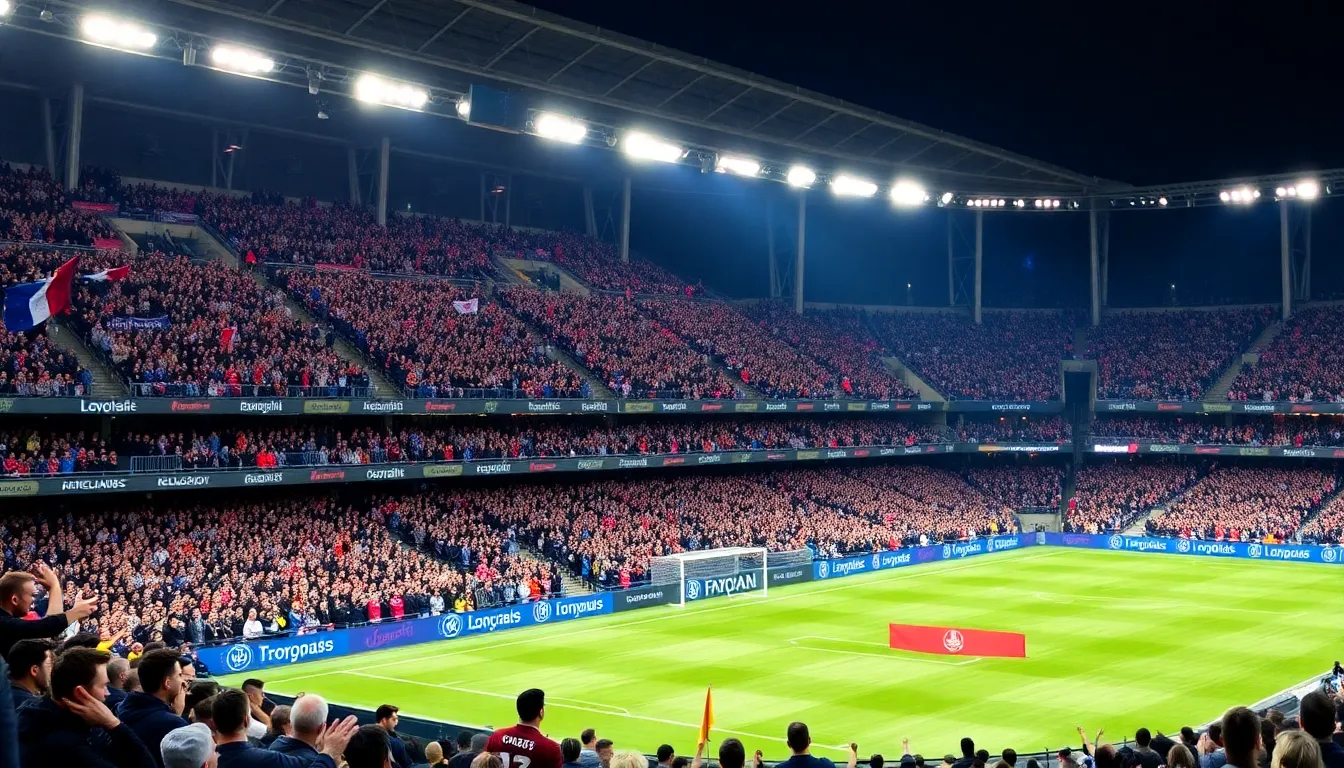
Firstly, the Ligue de Football Professionnel (LFP), which governs Ligue 1, is primarily focused on increasing the league’s visibility and profitability. This organization aims to enhance the overall quality of the league, which in turn can attract more fans and sponsors. The LFP’s initiatives, such as improving broadcasting deals and marketing strategies, are essential to maintaining and growing attendance levels.
Club owners are another significant stakeholder group. Their interests often revolve around maximizing revenue through ticket sales, merchandise, and concessions. The financial health of clubs can directly impact their ability to invest in player acquisitions and facilities, which can enhance the matchday experience. However, there may be conflicts between short-term financial goals and long-term investments in infrastructure that could ultimately benefit attendance.
Local governments also play a vital role, as they can influence attendance through policies on public transportation, safety regulations, and community engagement initiatives. Their support can facilitate better access to stadiums and create a more welcoming environment for fans. However, there may be trade-offs, such as balancing public safety concerns with the desire to create vibrant matchday atmospheres.
- Economic Factors: Ticket pricing and economic conditions can significantly affect attendance, with higher prices potentially deterring fans.
- Fan Engagement: Clubs that successfully engage with their fanbase through social media and community initiatives tend to see higher attendance.
- Competition: The performance of clubs in both domestic and international competitions can influence fan interest and attendance.
- Infrastructure Development: Investments in stadium facilities and accessibility can enhance the overall experience for attendees.
- Legal Regulations: Compliance with safety and health regulations can impact how many fans can attend matches.
Who benefits from the rising attendance figures?
The surge in mid-season attendances at France’s Ligue 1 matches brings a wave of benefits to various stakeholders. Fans are the most immediate beneficiaries, experiencing the thrill of live sports and the communal atmosphere that comes with attending matches. This increased attendance also fosters a stronger sense of community among supporters, enhancing local pride and engagement.
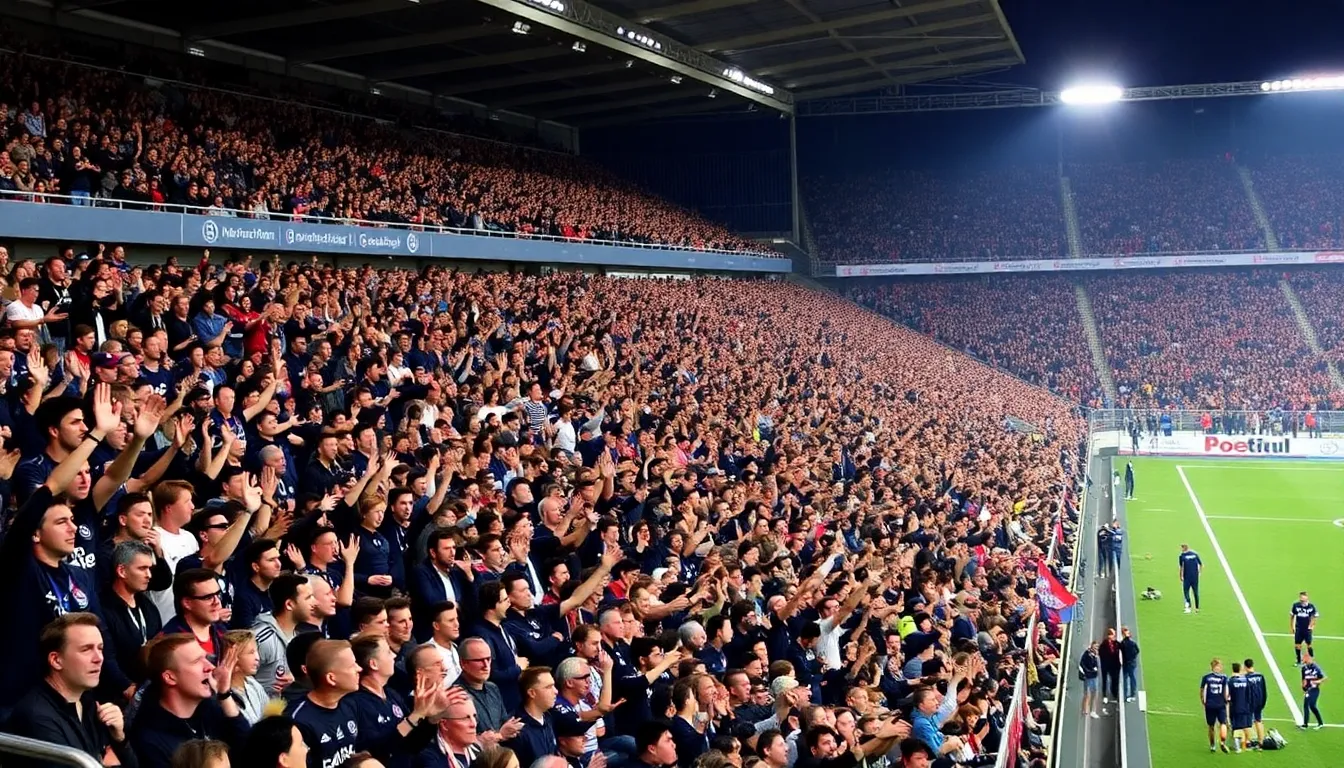
Local businesses, particularly those in the hospitality and retail sectors, stand to gain significantly from the influx of fans. Bars, restaurants, and shops near stadiums often see a boost in sales on match days as spectators look to enjoy pre- and post-game activities. This can lead to job creation and increased revenues for small businesses, contributing positively to the local economy.
Moreover, the rising attendance figures can influence the broader sports industry, encouraging sponsorship deals and partnerships. Brands may seek to align themselves with the growing popularity of Ligue 1, leading to increased investment in the league. This influx of capital can improve the quality of the game, enhance facilities, and provide better experiences for fans.
- Short-term impacts: Increased local business revenue, enhanced fan experience, and immediate community engagement.
- Mid-term impacts: Potential for job creation in hospitality, growth in sponsorship opportunities, and improvements in league infrastructure.
- Risks: Overcrowding, potential for increased ticket prices, and the challenge of maintaining a positive fan environment.
- Opportunities: Strengthening of local economies, enhanced brand partnerships, and increased media attention on Ligue 1.
While the benefits are substantial, there are also risks associated with rising attendance. Overcrowding at matches can lead to safety concerns, and the potential for ticket price inflation may alienate some fans. Balancing these challenges with the opportunities presented by increased interest in Ligue 1 will be crucial for stakeholders moving forward.
A: This season, Ligue 1 has recorded an average attendance of over 30,000 fans per match, surpassing previous mid-season figures significantly. A: Factors include improved team performances, increased marketing efforts, and a growing fan engagement strategy by clubs. A: Higher attendance leads to increased matchday revenue, which can significantly boost a club’s financial health and ability to invest in players. A: Yes, several key matches, including rivalries and high-stakes games, have drawn in crowds exceeding stadium capacity. A: The sustained growth in attendance suggests a bright future for Ligue 1, potentially attracting more sponsorships and enhancing the league’s global profile.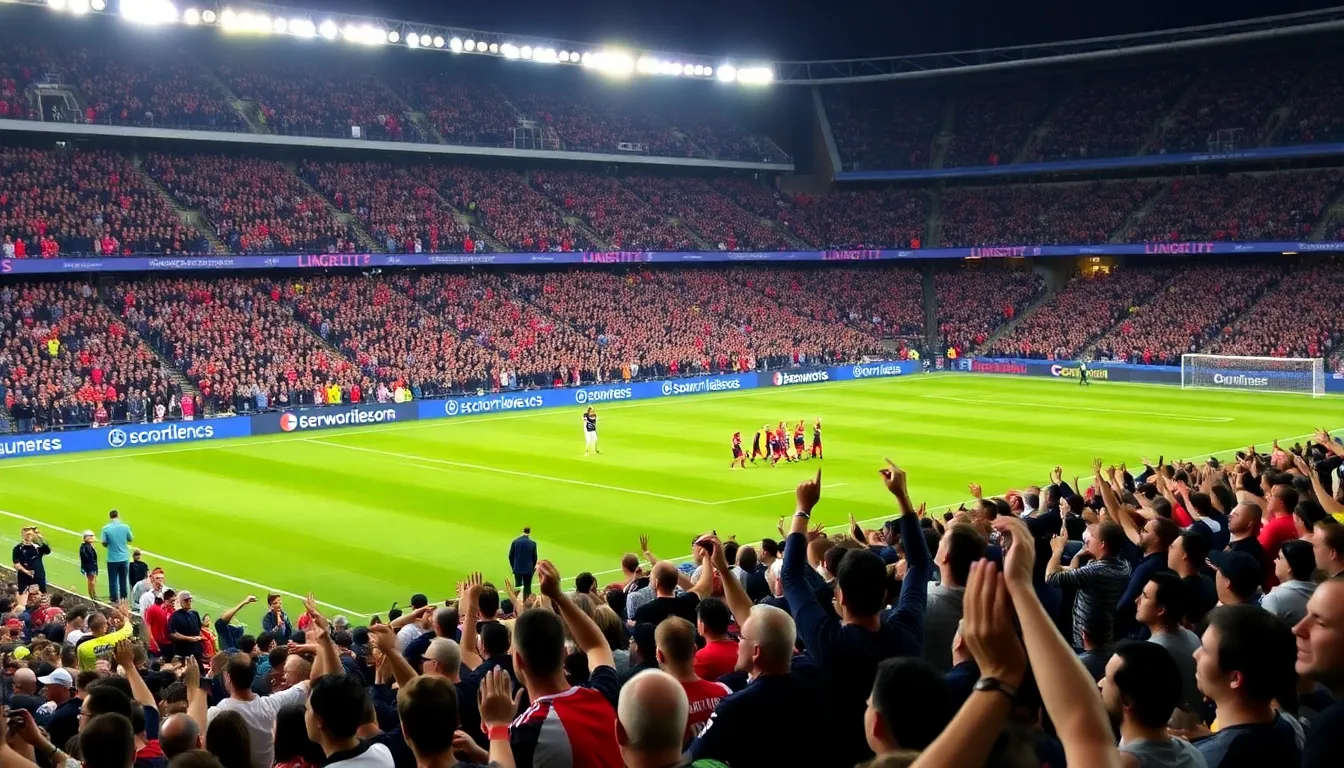
Frequently asked questions about Ligue 1 attendances
Future outlook for Ligue 1 attendance trends
The record mid-season attendances in France’s Ligue 1 signal a growing enthusiasm for football in the country, reflecting not only the league’s competitive nature but also the increasing investment in club facilities and fan engagement initiatives. This trend suggests that clubs may continue to see rising attendance figures as they enhance the matchday experience and foster a stronger connection with their communities.
As the league progresses, it will be important to monitor how these attendance figures impact club revenues, player recruitment, and overall league branding. The ongoing commitment to improving stadium experiences, alongside strategic marketing efforts, could further solidify Ligue 1’s position as a premier football destination in Europe.
- Clubs that prioritize fan engagement and experience are likely to see sustained attendance growth.
- Increased attendance may lead to higher matchday revenues, allowing clubs to invest more in talent and infrastructure.
- Monitoring the impact of attendance on local economies can provide insights into the broader social implications of the league’s success.
- As more international stars join Ligue 1, global interest and attendance could continue to rise, enhancing the league’s profile.
- Future marketing strategies will need to adapt to changing demographics and preferences of fans to maintain this upward trend.