During his previous tenure from 2003 to 2010, Laporta was credited with overseeing one of the most successful periods in the club’s history, including multiple UEFA Champions League titles. For fans interested in recent performances, a Quiz on Champions League Last 16 Teams offers insights into the current state of European football. His leadership style and vision for Barcelona’s future have garnered both support and criticism, making his re-election a pivotal moment for the club’s direction.
Laporta’s immediate challenges include addressing the club’s financial instability, which has been exacerbated by the COVID-19 pandemic and poor management decisions in recent years. Despite these issues, he has promised to focus on rebuilding the squad and restoring Barcelona’s competitive edge in both domestic and European competitions, similar to strategies he implemented during his prior terms.
As he embarks on this new term, Laporta’s strategic decisions will be closely monitored by fans, players, and stakeholders alike. The outcomes of these decisions will not only impact Barcelona’s performance on the pitch but also its financial health and global standing in the world of football.
Understanding the significance of Laporta’s leadership
Joan Laporta’s re-election as president of FC Barcelona marks a pivotal moment in the club’s storied history, reflecting a blend of political maneuvering and deep-rooted fan loyalty. Laporta first took the helm in 2003, a time when the club was struggling both on and off the pitch. His tenure was characterized by significant successes, including the acquisition of key players and the establishment of a winning culture that culminated in multiple championships.
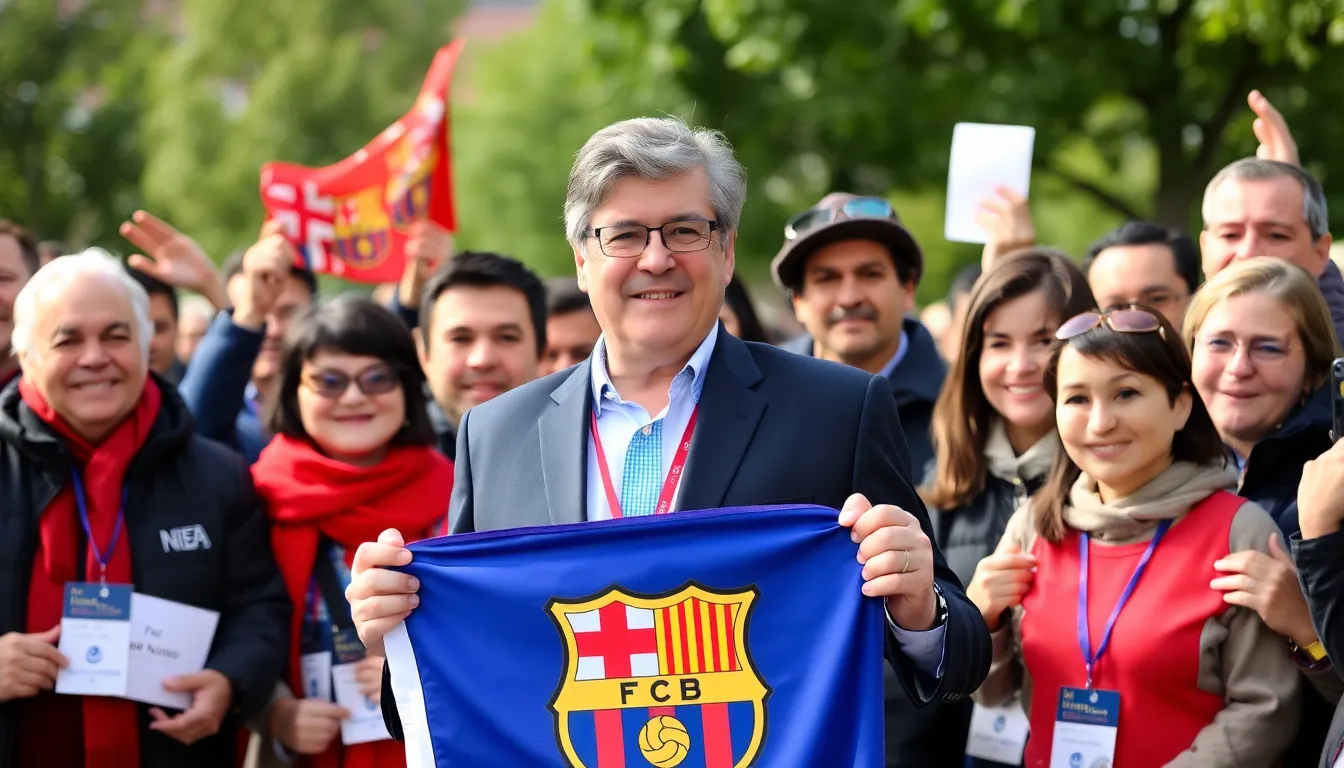
However, Laporta’s journey has not been without its challenges. His initial term ended in 2010, and since then, the club has experienced fluctuating fortunes, including financial turmoil and administrative controversies. The rise of rival clubs, coupled with the economic impact of the COVID-19 pandemic, added layers of complexity to the club’s operations. Laporta’s return to power in 2021 came at a time when the club was grappling with a staggering debt of over €1 billion, prompting urgent calls for effective leadership.
The Political Landscape of FC Barcelona
The political dynamics within FC Barcelona are unique, as the club is owned by its members, known as “socios.” This structure creates a distinct electoral process that is heavily influenced by the club’s historical legacy and the emotional ties of its supporters. Laporta’s ability to connect with the fanbase and navigate internal politics has been crucial to his electoral success. His re-election is indicative of a broader desire among fans for stability and a return to the club’s glory days.
Key milestones during Laporta’s previous terms include the signing of Lionel Messi in 2004, which not only transformed the team but also solidified Laporta’s reputation as a visionary leader. Fans can reflect on the impact of player acquisitions by exploring the analysis of Chelsea’s Unexpected Exit from PSG for context on player dynamics. The club’s financial recovery plan, initiated under his guidance, aims to restore Barcelona’s status as a footballing powerhouse.
In summary, Laporta’s re-election is a reflection of the club’s complex history, the passionate involvement of its members, and the pressing need for effective management in challenging economic times. His leadership will be closely scrutinized as he seeks to navigate the club through its current difficulties and towards a brighter future.
Key issues and stakeholders surrounding Laporta’s presidency
Joan Laporta’s re-election as president of FC Barcelona marks a significant moment for the club, its supporters, and various stakeholders involved in its operations. His leadership comes at a time when the club faces numerous challenges, including financial instability, competitive pressure, and the need for strategic direction.
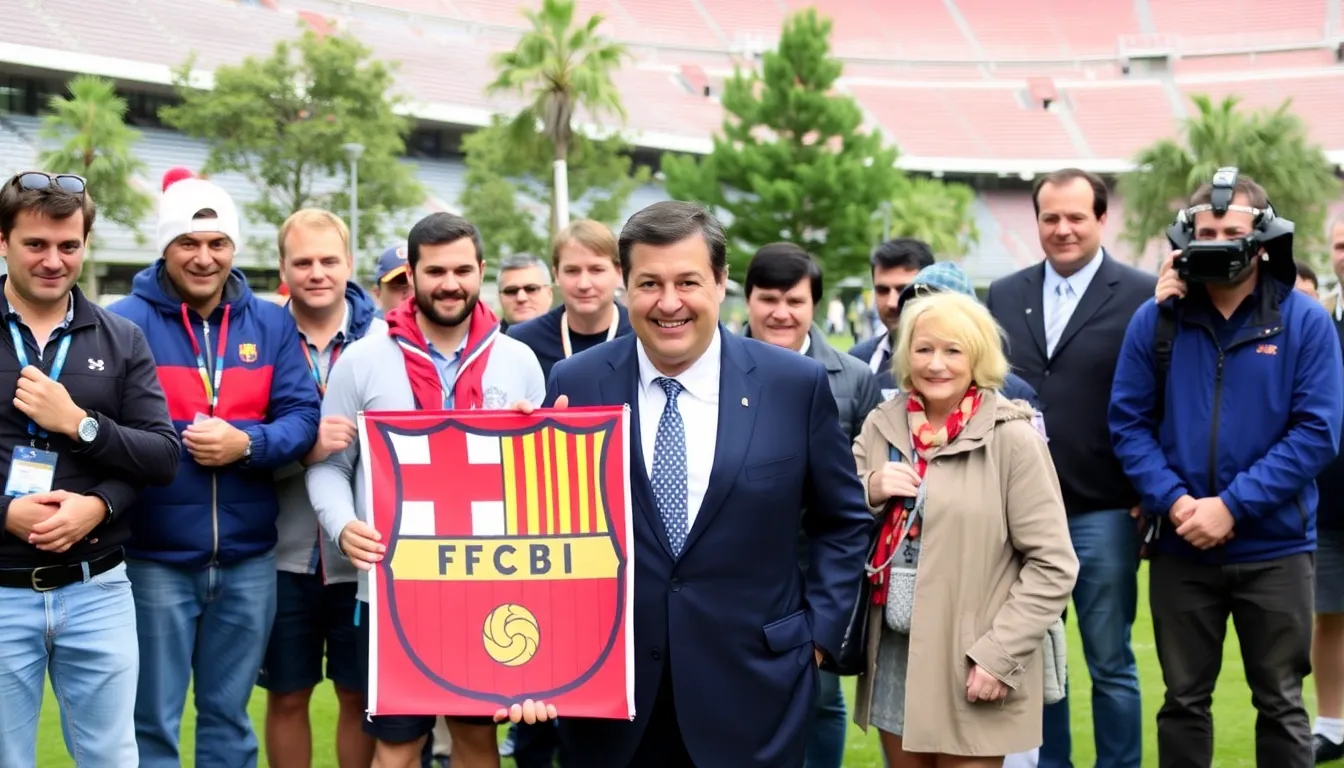
The primary stakeholders in this scenario include Laporta himself, the FC Barcelona board, the players, the fans, and external entities such as sponsors and broadcasters. Each of these groups has distinct interests that shape their positions regarding Laporta’s presidency.
- Joan Laporta: As president, he aims to restore the club’s financial health, enhance its competitive edge, and rebuild its reputation following recent controversies.
- FC Barcelona Board: The board members seek stability and strategic direction, while balancing the interests of various factions within the club.
- Players: The athletes desire a supportive environment that prioritizes their performance and welfare, while also ensuring fair compensation.
- Fans: Supporters demand transparency, success on the pitch, and a commitment to the club’s values and traditions.
- Sponsors and Broadcasters: These external stakeholders are interested in the club’s marketability and financial viability, as it directly impacts their investments.
Conflicts may arise between Laporta’s ambitious plans and the financial realities of the club. The need for austerity measures could clash with fans’ expectations for high-profile signings and competitive success. Additionally, the board’s decisions regarding player contracts and transfers may lead to tensions with the squad, particularly if players feel undervalued or unsupported.
Key legal issues also loom, particularly concerning financial regulations imposed by La Liga and UEFA. Compliance with financial fair play rules is critical for Barcelona, especially given its recent financial struggles. Balancing compliance with the desire to invest in talent and infrastructure will be a significant challenge for Laporta and his administration.
The potential impact of Laporta’s re-election on the club and its fans
Joan Laporta’s re-election as president of FC Barcelona is set to influence various groups, including the club’s supporters, local businesses, and the broader football industry. Fans will be particularly affected as they anticipate changes in team performance and club management, while local businesses may experience fluctuations in revenue tied to matchday attendance and merchandise sales.
In the short term, Laporta’s leadership could lead to an increase in optimism among fans, potentially boosting ticket sales and merchandise purchases. The re-establishment of a strong leadership could also enhance the club’s brand, attracting new sponsorship deals and partnerships. However, the pressure to deliver immediate results on the pitch could create tension and disappointment if expectations are not met.
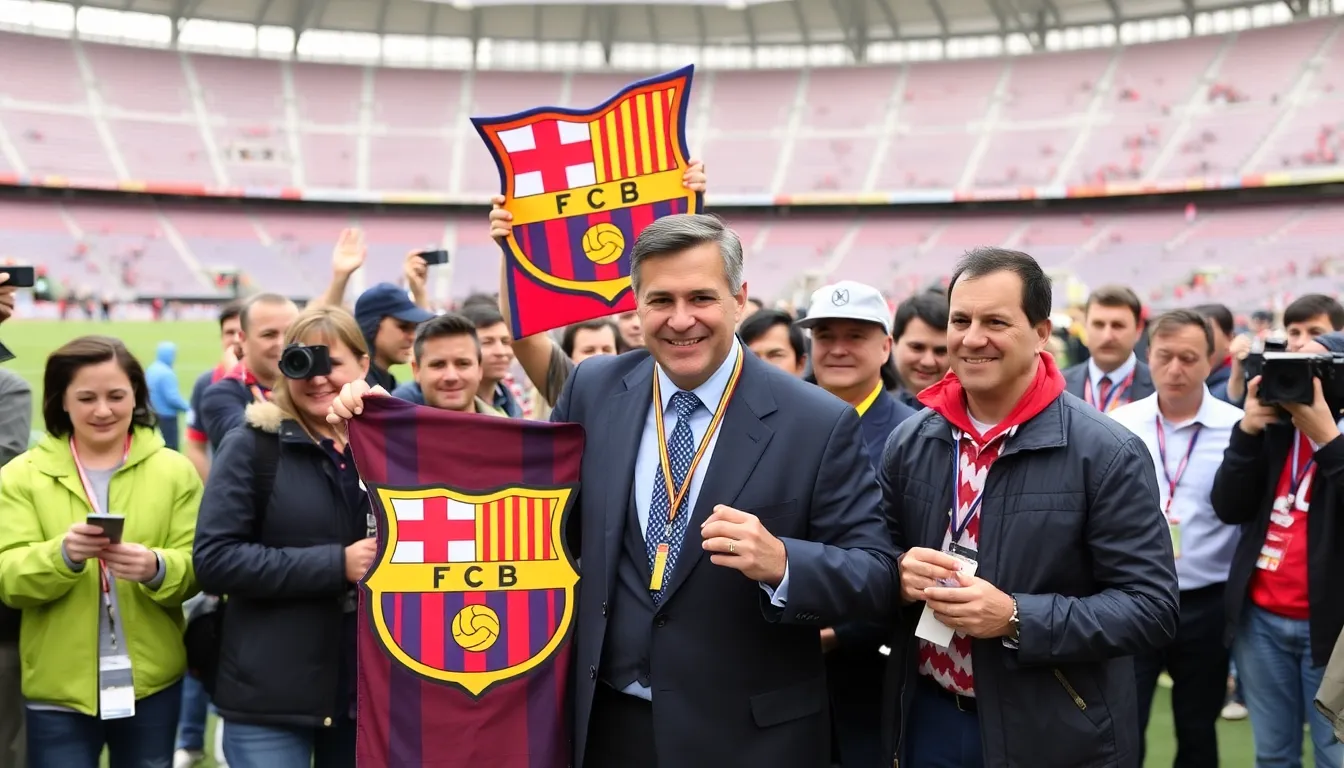
In the mid-term, the impact on policy and club operations may become more pronounced. Laporta’s administration might prioritize financial stability and strategic investments in youth development, which could reshape the club’s identity. This shift may also affect the local economy, as increased investment in training facilities and community programs could create job opportunities.
- Positive Opportunities: Enhanced sponsorship deals, increased merchandise sales, and improved fan engagement.
- Risks: Pressure to perform leading to potential instability, and financial challenges if investments do not yield immediate results.
- Community Impact: Job creation through investments in local infrastructure and youth programs.
Ultimately, Laporta’s re-election brings both challenges and opportunities that will resonate through the club, its supporters, and the surrounding community, influencing various aspects of daily life and business in the region.
A: Laporta aims to stabilize the club’s finances, enhance the team’s performance, and strengthen its global brand. He also plans to focus on youth development and improving the club’s infrastructure. A: During his previous terms, Laporta was instrumental in bringing success to the club, including multiple trophies and a strong financial foundation. His leadership style is known for fostering a winning culture. A: Laporta faces significant challenges including financial constraints, competitive pressures from rival clubs, and the need to rebuild the team after recent struggles. Addressing these issues will be crucial for his success. A: Many fans are optimistic about Laporta’s return, as he is seen as a strong leader with a clear vision for the club. However, there are also concerns regarding the current state of the team and finances. A: Laporta’s initiatives are expected to unfold over the next few seasons, with immediate actions focusing on financial recovery and team performance. Long-term plans will be developed as the situation evolves.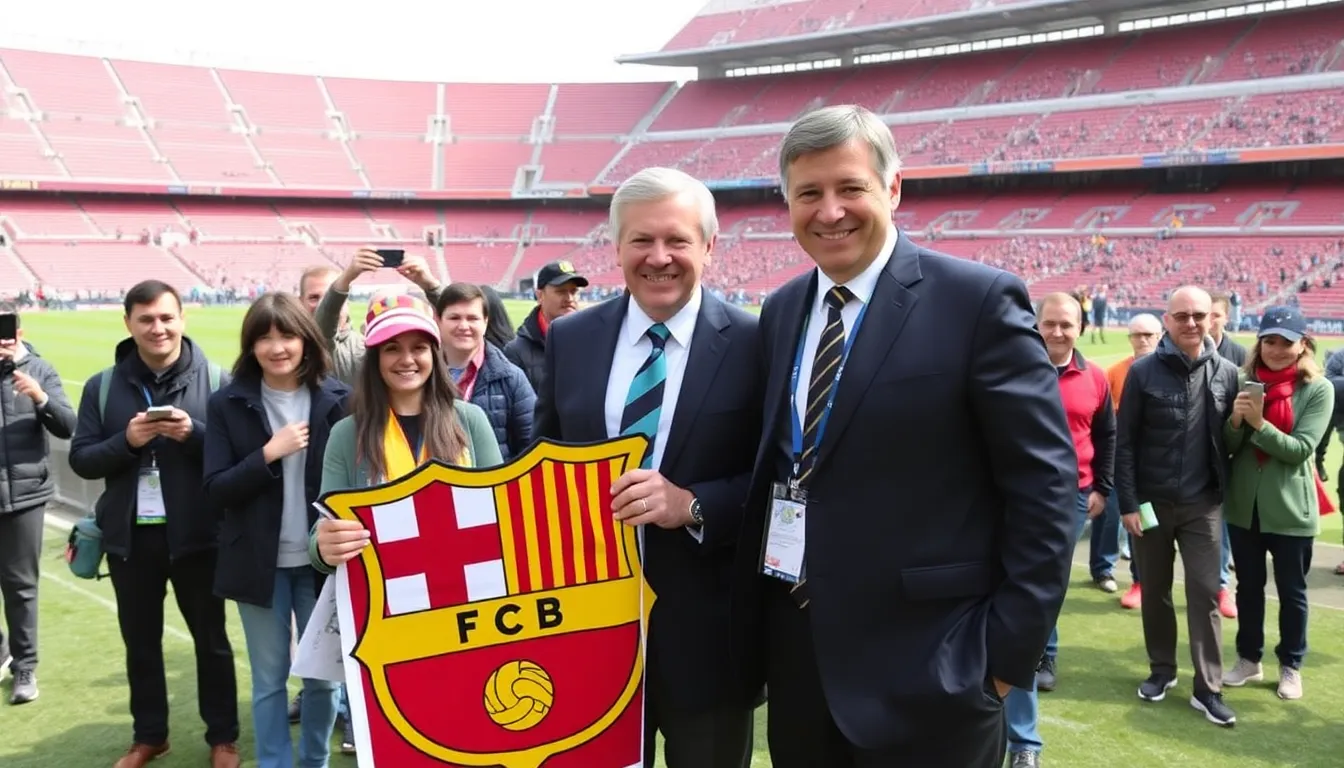
Frequently asked questions about Laporta’s presidency
Looking ahead: what Laporta’s fourth term means for Barcelona
Joan Laporta’s re-election as president of FC Barcelona marks a pivotal moment for the club, especially in light of the financial challenges and competitive landscape that lie ahead. His previous tenure was characterized by significant successes, but also by controversies that tested the club’s resilience. As he embarks on his fourth term, the focus will likely shift towards stabilizing the club’s finances, enhancing its global brand, and nurturing young talent to secure a sustainable future.
With a renewed mandate, Laporta has the opportunity to implement strategic decisions that could redefine Barcelona’s trajectory. The emphasis on youth development and prudent financial management will be crucial in navigating the complexities of modern football, particularly in an era dominated by wealthy competitors. Observers should closely monitor how Laporta balances these priorities while fostering a competitive squad capable of reclaiming its place at the top of European football.
- Financial Stability: Watch for initiatives aimed at reducing debt and improving revenue streams, particularly through commercial partnerships and enhanced matchday experiences.
- Youth Development: The promotion of La Masia graduates to the first team will be a key focus, as Laporta aims to maintain the club’s tradition of nurturing homegrown talent.
- Squad Reinforcements: Anticipate strategic signings that complement the existing squad while adhering to financial constraints, especially in the transfer market.
- Global Brand Expansion: Look for efforts to enhance Barcelona’s global presence through marketing campaigns and international tours that engage a broader fan base.
- Community Engagement: Increased initiatives to strengthen ties with local and global supporters could be a priority, aiming to foster a deeper connection with fans.