McLaren’s management has been actively working on upgrades to their vehicle, with a focus on enhancing aerodynamics and engine performance. The team plans to introduce a series of updates over the next few races, starting with the next Grand Prix scheduled for late October. These changes are expected to bolster their competitiveness and help Norris and his teammate secure better finishes, which is crucial as Matarazzo emphasizes the importance of consistent performance.
As the season progresses, the pressure is mounting for McLaren to close the gap with rivals such as Red Bull and Ferrari. Norris’s predictions highlight a growing belief within the team that they can reclaim their status as a top competitor in Formula 1. With the right adjustments and continued dedication, McLaren aims to turn the current season around and restore its legacy in the sport.
The upcoming races will be crucial for McLaren, as they seek to capitalize on any momentum gained from recent developments. Norris’s confidence could serve as a motivating factor for the team, as they strive to achieve their ambitious goals and improve their standings in the championship. The next few weeks will be pivotal in determining whether McLaren can indeed emerge as a formidable force in the racing world.
Understanding McLaren’s recent performance challenges
McLaren Racing, one of the most storied teams in Formula 1 history, has faced significant performance challenges in recent years. After a period of dominance in the late 1980s and 1990s, the team has struggled to keep pace with the rapid advancements made by rivals such as Mercedes and Red Bull Racing. This decline can be attributed to a combination of factors, including technical missteps, management changes, and financial constraints.
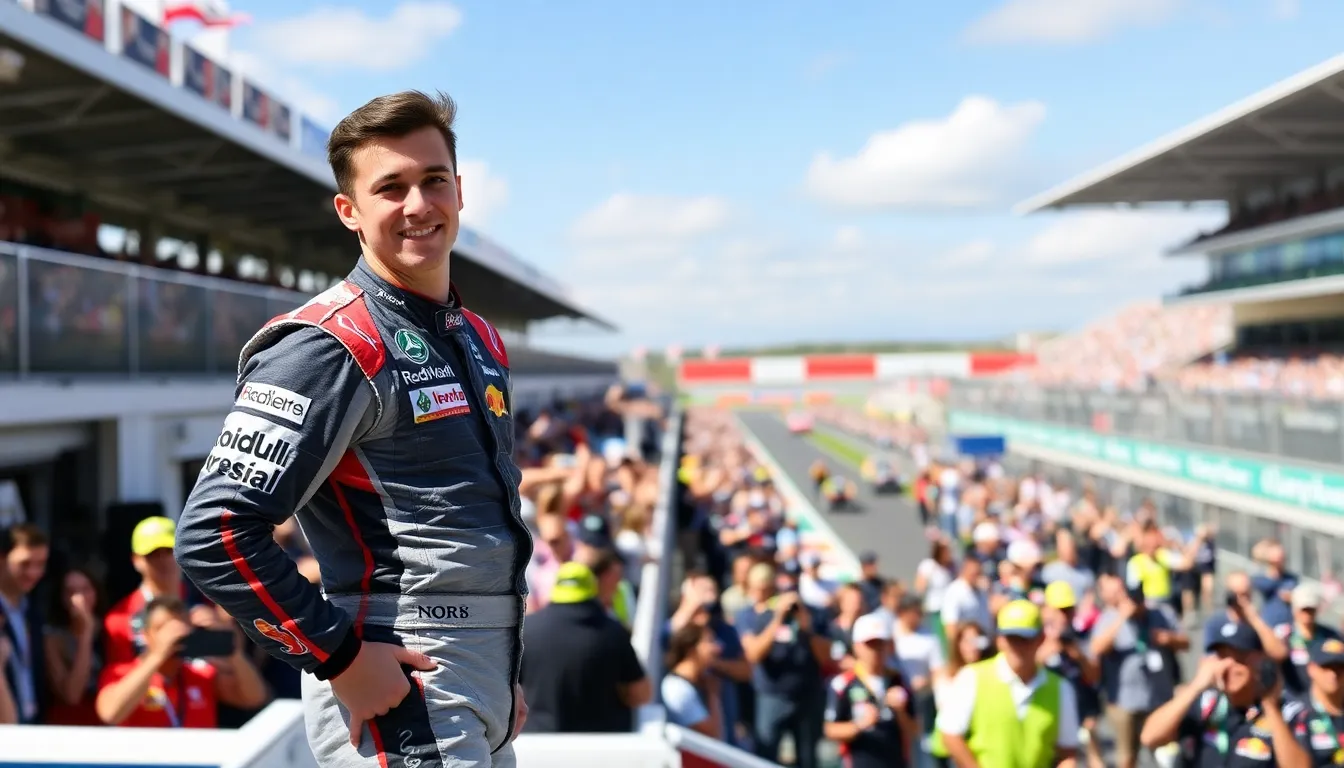
Historically, McLaren’s success was built on a foundation of innovative engineering and strong driver talent. However, since the introduction of hybrid power units in 2014, the team has battled to adapt to the new regulations. The transition was particularly challenging, leading to a series of underwhelming seasons that saw McLaren consistently finishing in the lower half of the grid. This period of struggle culminated in a significant overhaul of their technical team and strategy.
Key milestones in McLaren’s journey
One of the pivotal moments for McLaren came in 2018 when they made the decision to switch to Renault power units after a troubled partnership with Honda. This change marked a turning point, as the team began to see improvements in performance, culminating in a third-place finish in the Constructors’ Championship in 2020. However, the gains were not consistent, and the team continued to oscillate between promising performances and disappointing results.
In 2021, McLaren celebrated a significant milestone by securing their first podium finish since 2014 at the Italian Grand Prix, signaling a resurgence in form. Yet, the following seasons have been marked by ongoing challenges, including fluctuating competitiveness and the need for continuous investment to keep up with the top teams. As they look to the future, McLaren’s recent predictions about their car’s potential reflect a renewed optimism and a commitment to reclaiming their status as a leading force in Formula 1, which aligns with Kofane’s insights on achieving success through determination.
As McLaren navigates these complexities, the team’s ability to foster a culture of innovation and resilience will be crucial in their fightback strategy. With drivers like Lando Norris expressing confidence in the team’s direction, the upcoming seasons will be critical in determining whether McLaren can return to its former glory.
Key factors influencing McLaren’s fightback strategy
As McLaren aims to regain its competitive edge in Formula 1, several key stakeholders play pivotal roles in shaping the team’s strategy. The primary actors include McLaren Racing, its drivers, sponsors, and the regulatory bodies governing the sport. Each of these stakeholders has distinct interests that influence the team’s approach to its performance and future development.
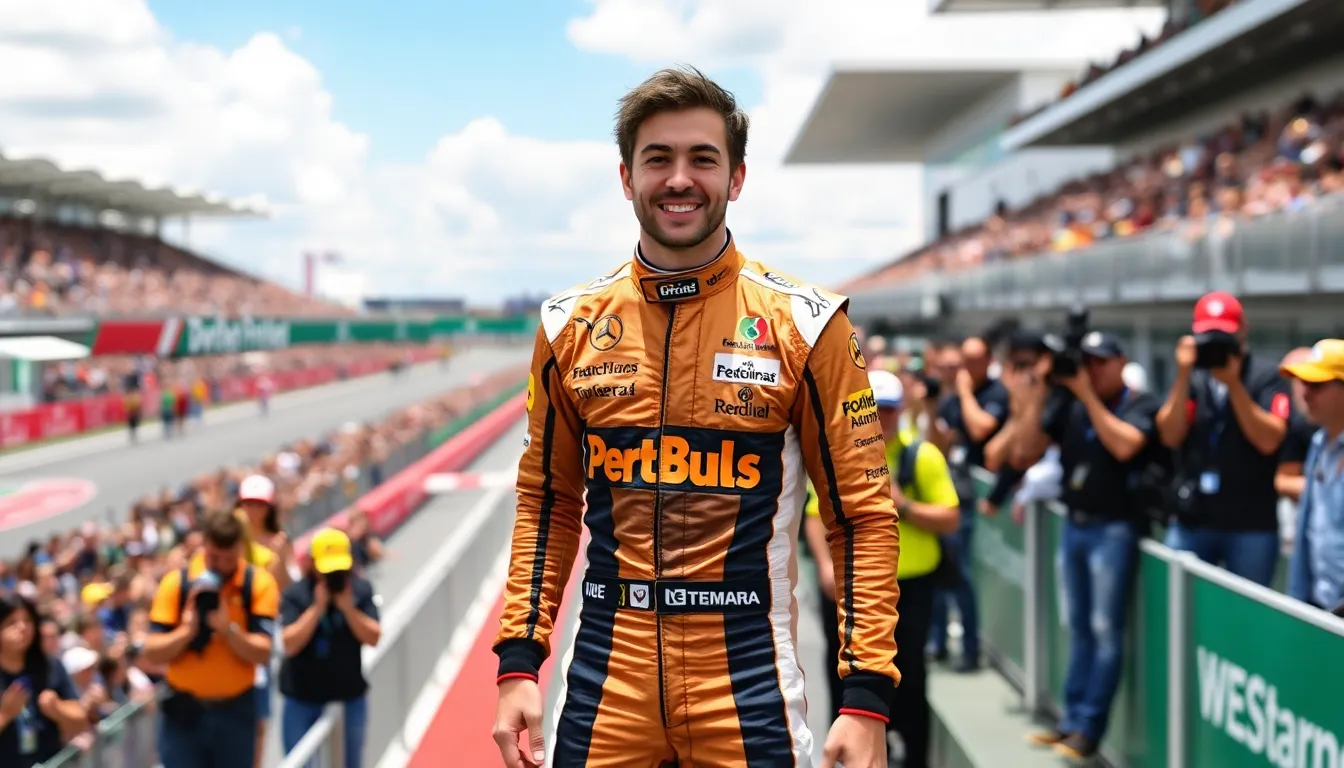
McLaren Racing, as the organization at the forefront of this fightback, is focused on improving its car’s performance to attract more sponsors and enhance its position in the Constructors’ Championship. The team’s management is under pressure to deliver results that can justify investments in technology and talent, while also maintaining a strong brand presence in the highly competitive Formula 1 landscape.
The drivers, particularly Lando Norris, are crucial to McLaren’s aspirations. Their performance on the track directly impacts the team’s reputation and financial stability. Norris’s recent prediction about the team’s potential for improvement indicates a shared optimism within the team, which can boost morale and fan support. However, this optimism must be tempered with realistic expectations, as the competition remains fierce, reminiscent of how Arsenal creates beauty in their tough matches.
Furthermore, sponsors have a vested interest in the team’s success, as their investments hinge on McLaren’s visibility and performance in races. The financial backing from sponsors is essential for funding research and development efforts, which are necessary for creating a competitive car. The relationship between McLaren and its sponsors can be seen as a trade-off, where the team must deliver results to secure ongoing financial support.
Lastly, regulatory bodies, such as the FIA, impose rules that can significantly affect the design and performance of the cars. McLaren must navigate these regulations carefully, balancing innovation with compliance to avoid penalties that could hinder their fightback efforts. The interplay between technological advancement and regulatory constraints represents a critical legal issue that McLaren must address in its strategy.
- McLaren’s need to attract sponsors through improved performance.
- The impact of driver performance on team morale and competitiveness.
- Financial implications of regulatory compliance and innovation.
- The relationship dynamics between McLaren and its partners.
- Strategic decisions regarding resource allocation for development.
How this prediction affects fans and the F1 market
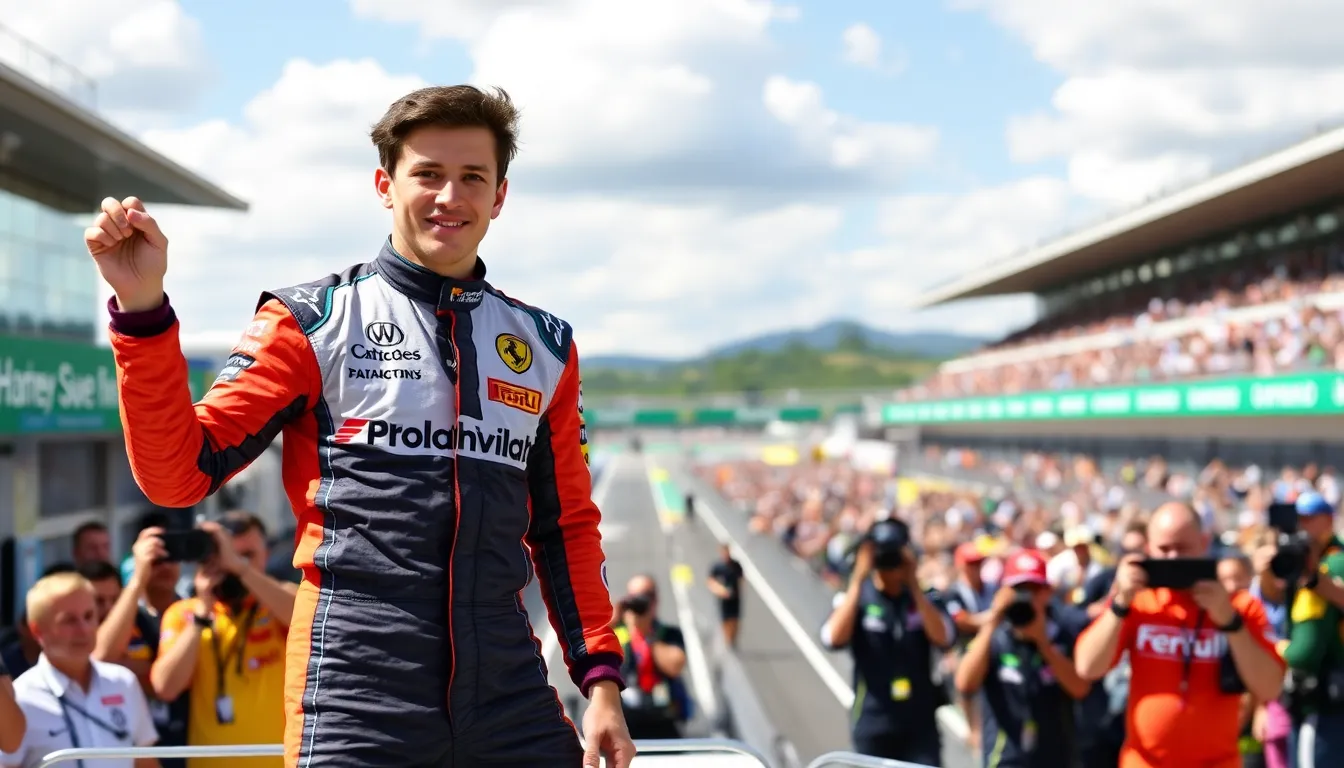
The recent prediction by Lando Norris regarding McLaren’s potential to produce the ‘best car’ has stirred excitement among fans and stakeholders in the Formula 1 (F1) market. This statement not only raises expectations for the McLaren team but also resonates with a broader audience that includes fans, sponsors, and automotive industries. The implications of this prediction extend beyond the racetrack, affecting various groups and sectors.
In the short term, fans of McLaren and F1 enthusiasts are likely to experience a surge in excitement and anticipation as the racing season unfolds. Increased media coverage and social media discussions will create a buzz, driving engagement and potentially attracting new fans. This heightened interest can lead to increased ticket sales for races and higher viewership numbers, benefiting broadcasters and sponsors alike.
From a business perspective, McLaren’s improved performance could lead to a revitalization of its brand image, attracting new sponsorship deals and partnerships. Companies looking to associate with a competitive team may see this as an opportunity to invest, thus injecting capital into the F1 ecosystem. Conversely, if McLaren fails to deliver on these predictions, it could damage their reputation and lead to a loss of sponsorships.
In the mid-term, the automotive industry may also feel the effects of Norris’s prediction. If McLaren successfully develops a competitive car, it could influence technological advancements in electric and hybrid vehicle development, as F1 often serves as a testing ground for innovations. This could lead to collaborations between McLaren and automotive manufacturers, fostering opportunities for research and development.
- Increased fan engagement and ticket sales.
- Potential for new sponsorship and partnership opportunities.
- Influence on automotive technology innovations.
- Risks of damaged reputation if expectations are not met.
Ultimately, while the prediction brings with it a wave of optimism, it also carries risks that could impact McLaren and its stakeholders significantly. The balance between expectation and reality will play a crucial role in shaping the future of both the team and the broader F1 market.
Frequently asked questions about McLaren’s future
A: Lando Norris stated that he believes McLaren has the potential to develop the best car in the upcoming seasons, showcasing his optimism for the team’s future.
A: McLaren has faced various challenges, including performance issues and competition from other teams, which have hindered their ability to secure better results.
A: McLaren is investing in research and development, as well as refining their engineering processes to enhance their competitiveness on the track.
A: Many fans are excited and hopeful about Norris’s prediction, seeing it as a sign of McLaren’s commitment to returning to the top of Formula 1.
A: Improvements are expected to be seen in the next few seasons as McLaren continues to develop their car and implement new strategies.
Looking ahead at McLaren’s potential in Formula 1
As McLaren gears up for a competitive resurgence in the Formula 1 landscape, Lando Norris’s optimistic prediction about the team’s capabilities highlights a pivotal moment for the organization. With significant investments in technology and talent, McLaren appears poised to challenge the status quo and potentially reclaim its place among the front-runners. The upcoming races will be critical in determining whether this ambition translates into tangible results on the track.
Fans and analysts alike will be keen to observe how McLaren’s strategic decisions unfold in the coming months. The team’s ability to adapt to the evolving dynamics of the sport and leverage its resources effectively will be crucial for a successful fightback. As the season progresses, several factors will play a significant role in shaping McLaren’s trajectory.
- Monitor the performance of McLaren’s upgraded car in upcoming races, as this will be a key indicator of their competitiveness.
- Watch for potential partnerships or sponsorships that could enhance McLaren’s technological capabilities and financial backing.
- Keep an eye on the development of young drivers within the team, as their growth could impact McLaren’s long-term strategy.
- Evaluate how McLaren’s approach to race strategy evolves, particularly in response to rival teams’ tactics.
- Assess the impact of regulatory changes in Formula 1, which may create new opportunities or challenges for McLaren’s performance.