Yamal, who is a rising star in Spanish football and a vocal advocate for inclusivity, took to social media shortly after the match to denounce the behavior of the fans. He emphasized the need for respect and understanding among different cultures, stating that such expressions of hate have no place in sports or society. The recent anti-Muslim chants during the Spain-Egypt match have sparked widespread condemnation, affecting various groups and communities within Spain and beyond.
The chants have sparked widespread criticism from various sectors, including sports organizations and civil rights groups. Many have called for stronger measures to combat hate speech in football, urging authorities to take decisive action against those responsible for promoting intolerance during sporting events.
This incident highlights ongoing issues related to racism and xenophobia in sports, particularly in Europe, where similar occurrences have been reported in recent years. As Spain continues to grapple with its multicultural identity, the response to such incidents will be crucial in shaping the future of inclusivity in the nation’s sports culture.
Understanding the background of the incident
In recent years, Spain has witnessed a rise in anti-Muslim sentiments, reflecting broader trends across Europe. This has been fueled by various factors, including economic challenges, political rhetoric, and social tensions. The incident during the Spain-Egypt match, where anti-Muslim chants were directed at players, particularly highlighted the intersection of sports and societal issues, prompting significant backlash and condemnation.
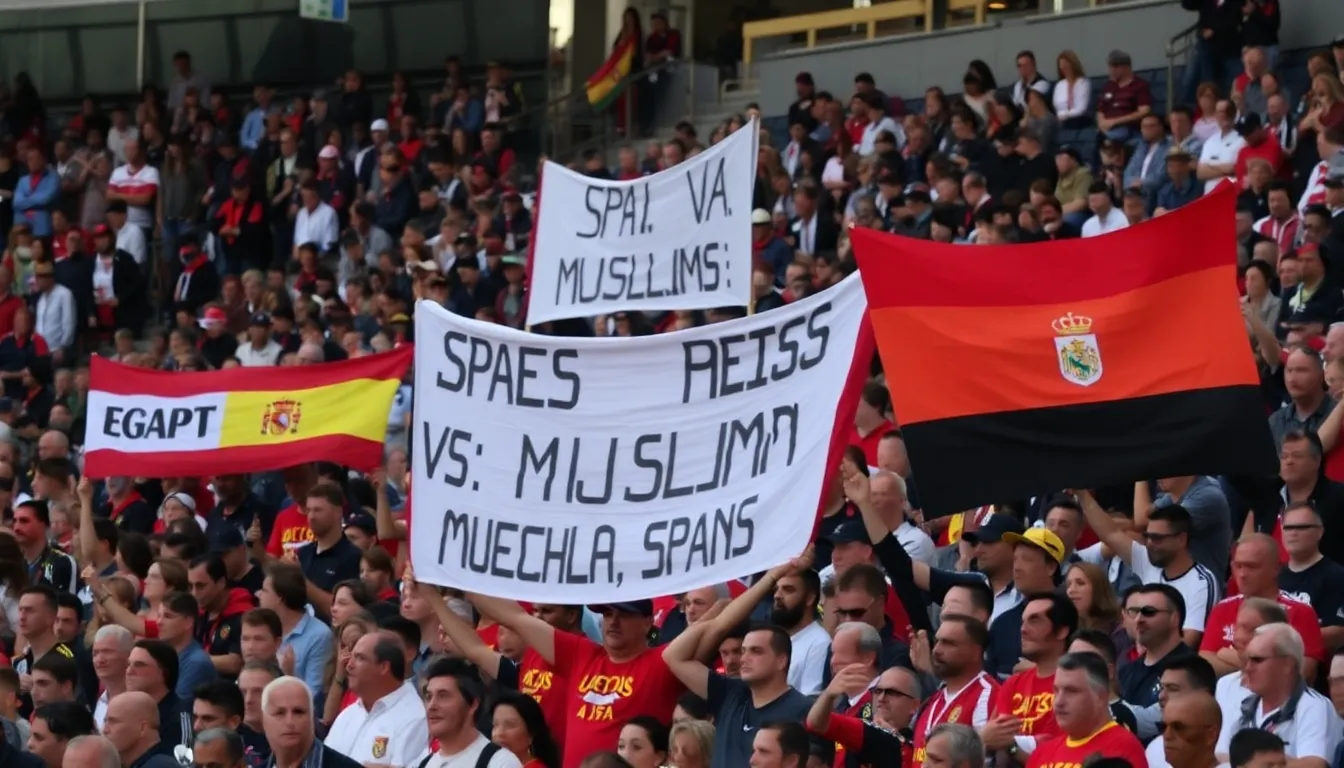
The historical context of Spain’s relationship with Islam dates back centuries, marked by the Reconquista and the subsequent expulsion of Muslims and Jews in the late 15th century. This historical backdrop has contributed to lingering prejudices and cultural misunderstandings that continue to affect contemporary society. The increasing visibility of Muslim communities in Spain, particularly due to immigration and globalization, has sometimes sparked xenophobic reactions from segments of the population, prompting discussions around trends in football and community integration.
Politically, the rise of far-right parties in Spain, such as Vox, has amplified anti-immigrant and anti-Muslim narratives. These parties have gained traction by capitalizing on fears surrounding terrorism and economic instability, often framing Muslims as outsiders. This political climate creates an environment where discriminatory attitudes can flourish, as seen in the chants during the football match, which serve as a reminder of the challenges faced by minority communities in Spain.
Recent Incidents and Responses
In addition to the chants during the Spain-Egypt match, there have been other notable incidents that reflect growing intolerance. For instance, protests against the construction of mosques and the vandalism of Islamic centers have occurred in various parts of the country. In response, civil society organizations and some political leaders have called for greater tolerance and understanding, emphasizing the importance of unity in a multicultural society. The condemnation from players like Lamine Yamal is a crucial step in raising awareness and promoting dialogue against hate speech, which aligns with the ongoing discussions on societal issues in sports.
Examining the reactions from players and officials
The recent friendly match between Spain and Egypt has sparked significant controversy, particularly due to anti-Muslim chants that emerged during the game. Lamine Yamal, a young Spanish player of Moroccan descent, publicly condemned these chants, highlighting the importance of unity and respect in sports. His stance reflects a growing recognition among athletes of their role in advocating for social justice and inclusivity.
Key stakeholders in this situation include not only the players and their respective national football associations but also various human rights organizations and the broader public. The Spanish Football Federation (RFEF) has a vested interest in maintaining a positive image, especially given Spain’s diverse demographic. Their response to the incident will be scrutinized, as it may set a precedent for how similar issues are handled in the future.
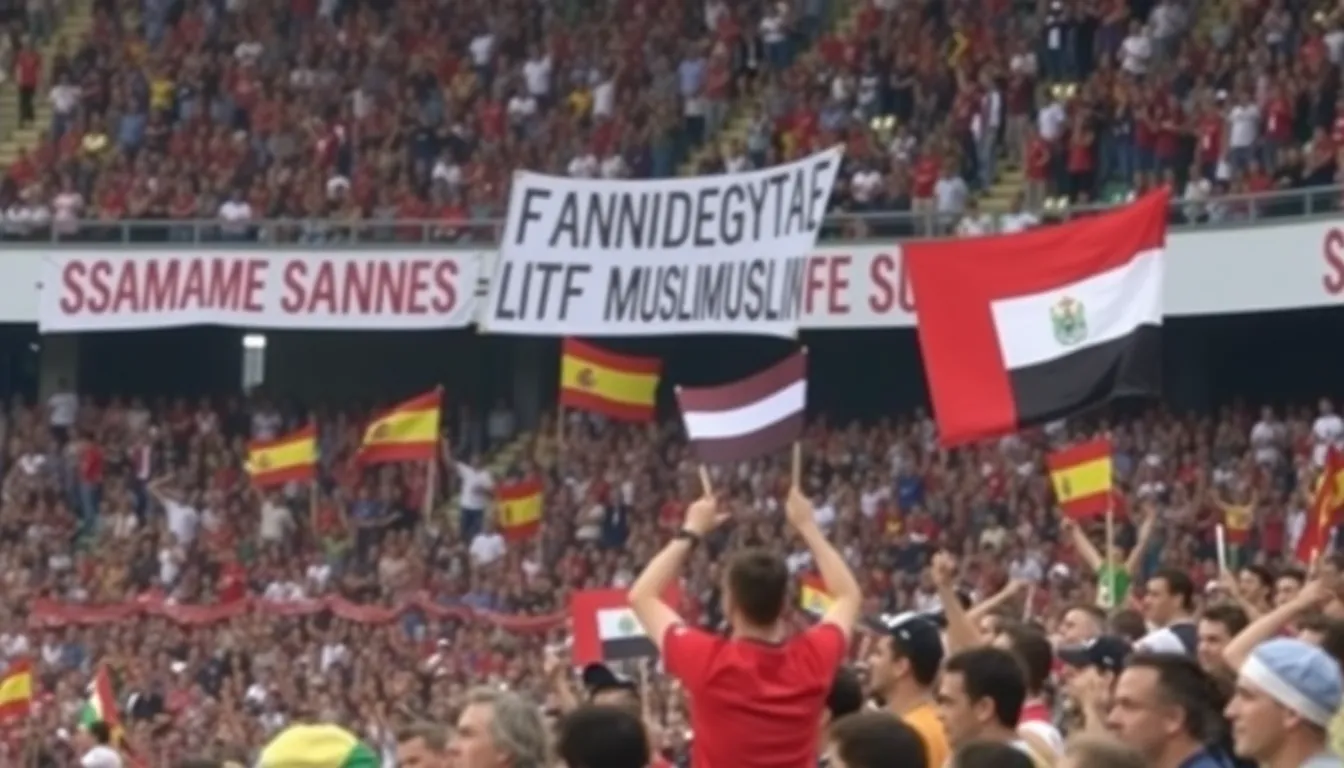
Furthermore, the incident raises critical legal and economic issues related to hate speech and the responsibilities of sporting organizations. Spain has laws against hate speech, but enforcement can be inconsistent. This situation may compel the RFEF and other governing bodies to reevaluate their policies and implement stricter measures against discriminatory behavior in stadiums.
- Player Reactions: Many players are increasingly vocal about social issues, influencing public opinion.
- Organizational Responsibility: The RFEF faces pressure to take decisive action against hate speech.
- Legal Implications: The incident may highlight gaps in Spain’s hate speech laws and their enforcement.
- Economic Impact: Ongoing issues of racism and discrimination can affect sponsorships and fan engagement.
- Public Sentiment: Growing awareness and condemnation of discrimination may shift cultural attitudes in Spain.
This incident underscores the complex interplay between sports, culture, and societal values. As Spain grapples with its identity and the influence of multiculturalism, the reactions from players like Yamal are pivotal in shaping the narrative around inclusivity in football and beyond.
The broader implications for society and sports
The recent anti-Muslim chants during the Spain-Egypt match have sparked widespread condemnation, affecting various groups and communities within Spain and beyond. The immediate impact is felt by the Muslim community, who may experience heightened feelings of vulnerability and discrimination. Additionally, this incident has implications for the broader sports community, including athletes, fans, and organizations that promote inclusivity and diversity.
In the short term, the backlash against such behavior could lead to increased scrutiny of fan conduct during sporting events. Sports clubs and organizations may feel pressured to implement stricter policies against hate speech and discrimination, potentially altering the atmosphere at future games. This could also influence how sponsors and advertisers approach partnerships with sports teams, as they may seek to align with organizations that promote positive social values.
In the mid-term, there may be broader societal implications as discussions around racism and discrimination gain momentum. Policymakers might be prompted to introduce new regulations aimed at combating hate speech in public spaces, including sports venues. This could result in changes to existing laws, potentially affecting freedom of expression in the context of sporting events.
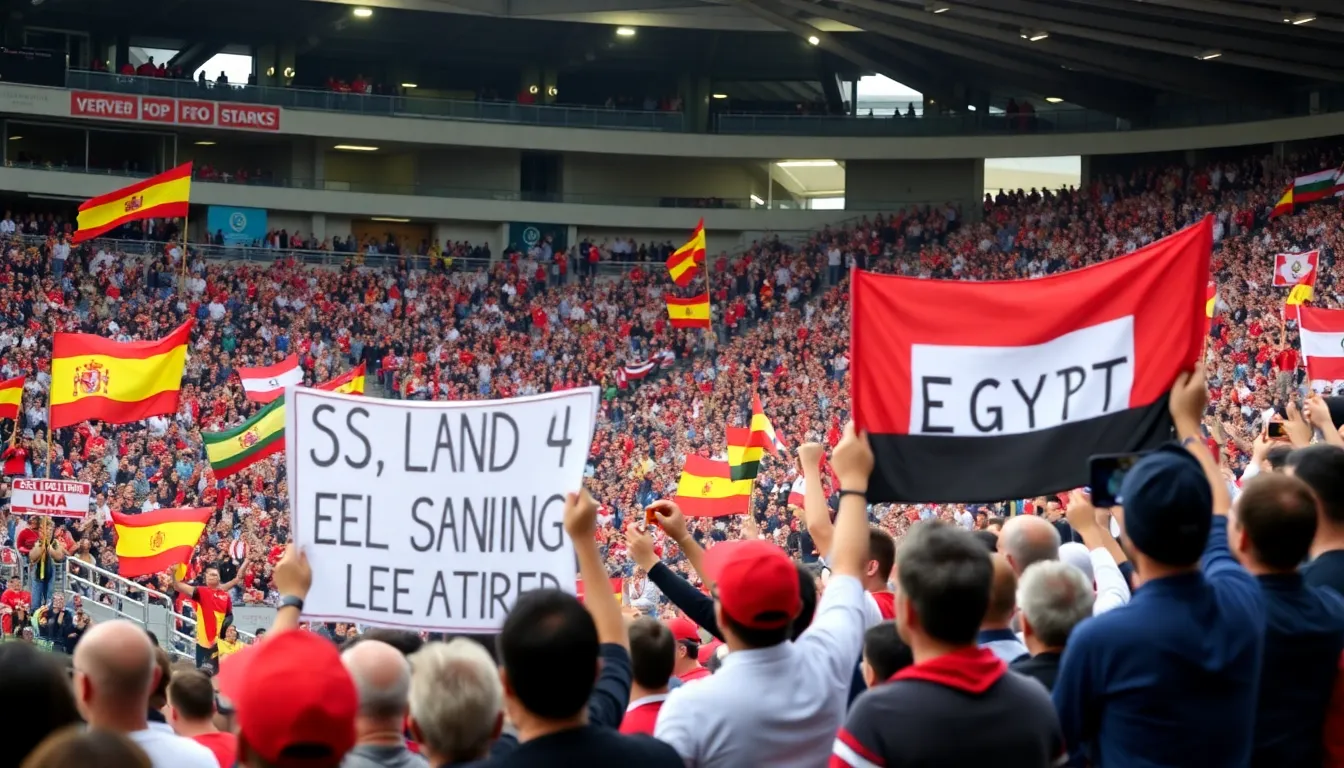
- Risks: Increased division within communities, potential boycotts of events, and reputational damage to sports organizations.
- Opportunities: Enhanced community engagement initiatives, partnerships with anti-discrimination organizations, and a stronger commitment to diversity in sports.
Ultimately, the incident serves as a critical reminder of the need for ongoing dialogue and action against discrimination in all its forms. It highlights the responsibility of athletes, fans, and organizations to foster a more inclusive environment in sports and society as a whole.
A: Lamine Yamal condemned the anti-Muslim chants, emphasizing the importance of respect and unity among fans and players alike. A: The football community, including players and officials, expressed their disapproval of the chants, calling for a more inclusive environment. A: Education and awareness campaigns, along with stricter enforcement of anti-discrimination policies at sporting events, can help mitigate such issues. A: Yes, clubs and organizations may impose bans or penalties on fans who participate in discriminatory chants or actions. A: This incident highlights ongoing challenges in addressing discrimination and promoting inclusivity within Spanish society.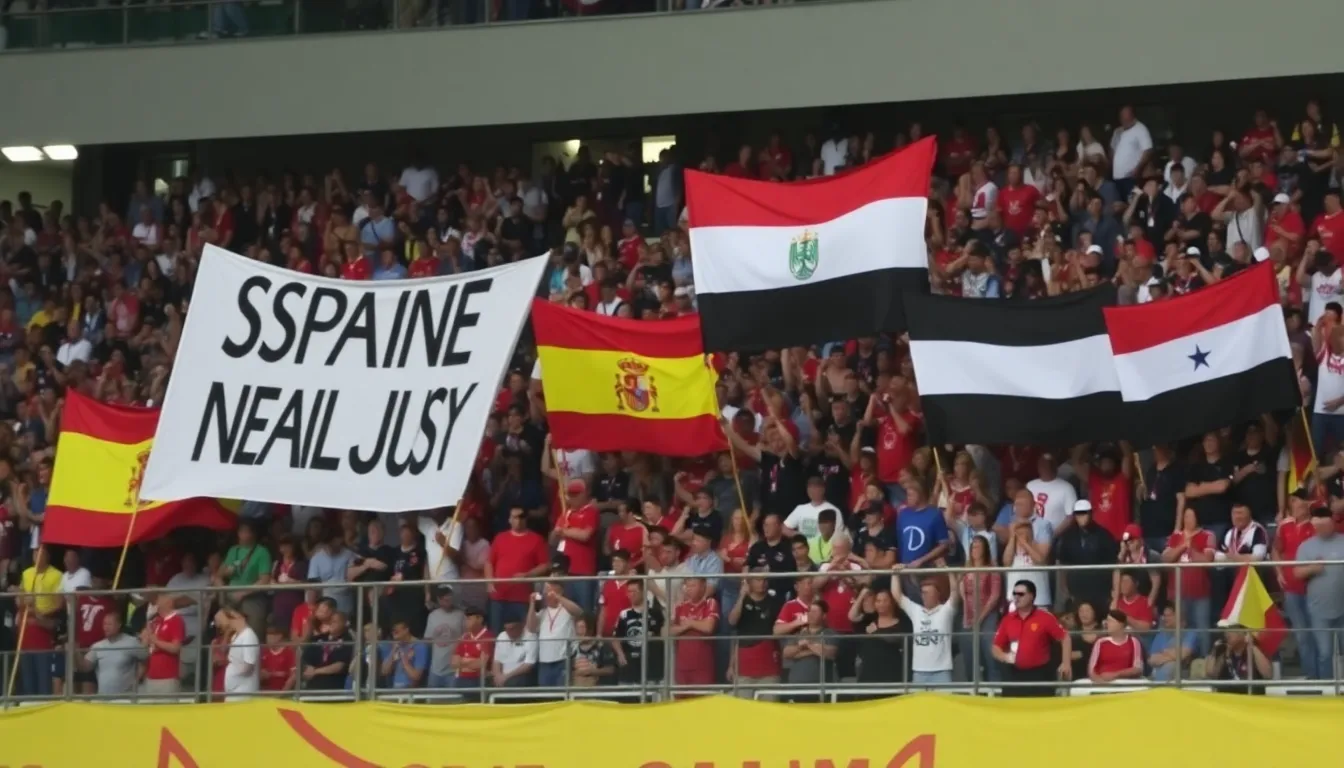
Frequently asked questions regarding the incident
Key takeaways and future outlook on inclusivity in sports
The recent incident during the Spain-Egypt match, where anti-Muslim chants were directed at players, highlights the ongoing challenges of inclusivity within sports. Lamine Yamal’s condemnation of these actions not only underscores the need for a united front against discrimination but also emphasizes the role of athletes in advocating for social change. This situation serves as a critical reminder that sporting events can be platforms for both celebration and confrontation of societal issues.
As the conversation around inclusivity continues, it is essential for sports organizations, fans, and players to engage in proactive measures that foster an environment of respect and understanding. The implications of this incident extend beyond the pitch and require a collective effort to ensure that all individuals, regardless of their background, feel welcome in the sporting community.
- Increased Awareness: There is a growing recognition of the need to address discrimination in sports, which may lead to more comprehensive policies and initiatives.
- Role of Athletes: Athletes like Lamine Yamal can play a pivotal role in advocating for inclusivity, inspiring others to speak out against intolerance.
- Fan Engagement: Engaging fans in discussions about inclusivity can help cultivate a more supportive environment during events.
- Organizational Responsibility: Sports organizations may implement stricter regulations to combat hate speech and promote diversity within their ranks.
- Future Dialogues: This incident may prompt broader conversations about the intersection of sports, culture, and identity, shaping future policies and practices.