LaLiga, the governing body for professional football in Spain, has taken a firm stance against these offensive remarks. In a statement released shortly after the match, LaLiga expressed its commitment to eradicating hate speech and fostering a respectful environment in football stadiums . This commitment is crucial for maintaining the integrity of the sport.
The incident has sparked a broader discussion about the responsibilities of football clubs and their supporters. Many believe that such behavior not only tarnishes the spirit of the game but also poses a risk to player safety and mental well-being.
In response to the chants, LaLiga has pledged to investigate the matter further and collaborate with local authorities to identify the individuals responsible. The organization aims to implement stricter measures to ensure that similar incidents do not occur in the future.
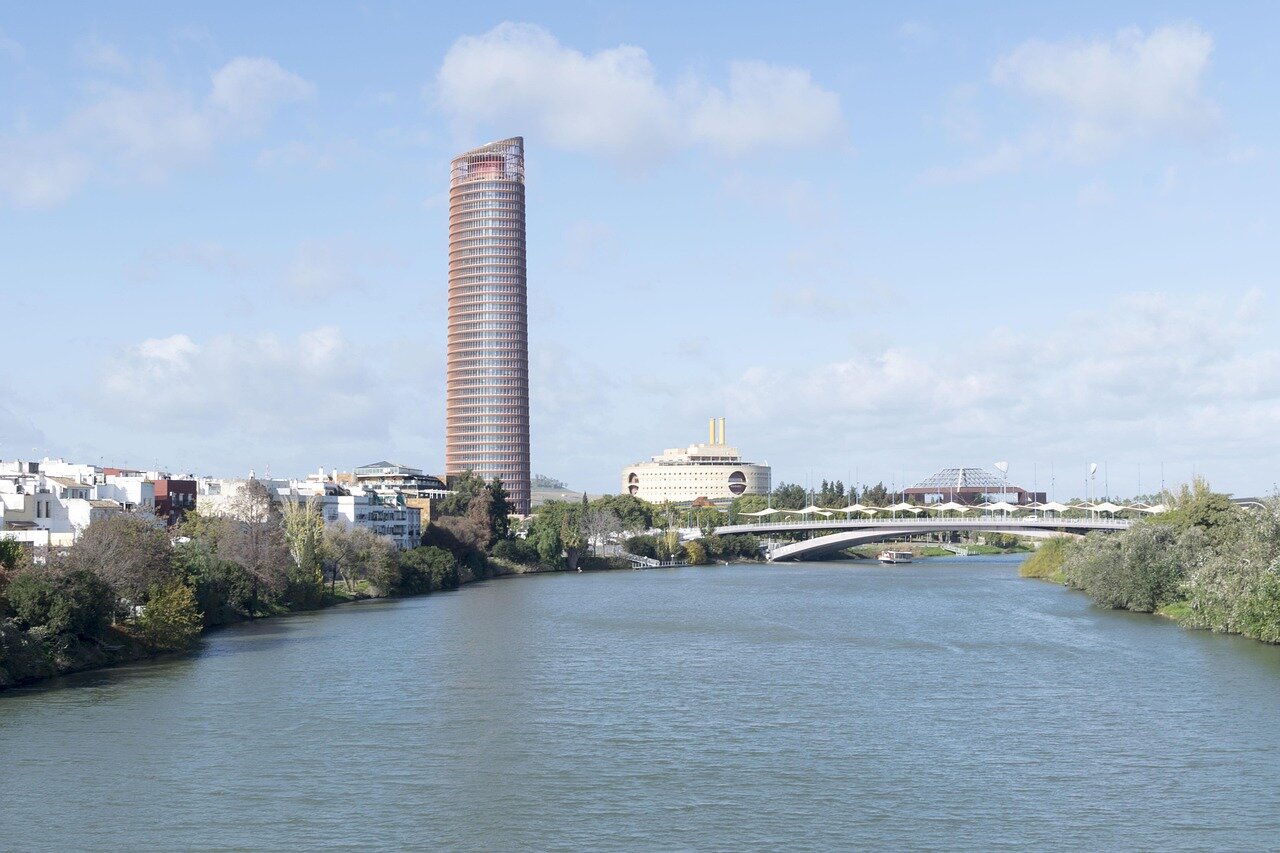
Understanding the background of the Sevilla derby and its significance
The Sevilla derby, known as the ‘Derbi Sevillano’, is one of the most intense rivalries in Spanish football, featuring Sevilla FC and Real Betis. This match is not merely a sporting event; it encapsulates the historical, cultural, and social tensions that have developed over decades in the Andalusian capital. The rivalry dates back to the early 20th century, with both clubs representing different social classes and ideologies, contributing to the fervor that surrounds each encounter.
Historically, Sevilla FC has been associated with the upper classes and a more cosmopolitan identity, while Real Betis has roots in the working-class community, often seen as the people’s club . This socio-economic divide has fueled passionate support for both teams, leading to a vibrant yet volatile atmosphere during matches.
In recent years, the atmosphere surrounding the derby has been further complicated by the rise of nationalism and political tensions in Spain. The chants and behaviors exhibited by fans can often reflect broader societal sentiments, including issues of regional identity and political affiliations. The recent incident involving the chant “Bartra, muérete” directed at Marc Bartra, a player known for his previous stints with both clubs, highlights the troubling intersection of sport and social issues, raising questions about the responsibilities of clubs and their supporters.
The Role of LaLiga and Fan Conduct
LaLiga, Spain’s top professional football division, has increasingly taken a stand against discriminatory behavior among fans. The organization has implemented strict regulations to combat hate speech and violence in stadiums, emphasizing the need for a safe and respectful environment for all participants. The denunciation of the recent chant against Bartra is part of a broader effort to address and mitigate the toxic elements that can overshadow the passion of football rivalries.

Examining the stakeholders involved and the implications of the chants
The recent incident of chants directed at Marc Bartra during the Sevilla derby has sparked significant controversy, drawing attention from various stakeholders within the football community. Key actors include LaLiga, the clubs involved (Sevilla FC and Real Betis), players, fans, and regulatory bodies.
LaLiga, the governing body of professional football in Spain, has a vested interest in maintaining the integrity of the sport and promoting a positive image. The organization aims to eradicate any form of discrimination, violence, or hate speech from the stands, as such behavior can tarnish the league’s reputation and deter sponsors and fans alike.
Clubs like Sevilla FC and Real Betis are also crucial stakeholders. They must navigate the delicate balance between passionate fan engagement and the need to uphold sportsmanship and respect. Both clubs face potential repercussions from LaLiga if such incidents continue, including fines or sanctions, which could impact their financial standing and community relations.
- Fan Dynamics: The chants reflect deeper issues within fan culture, including rivalries that can escalate into hostility.
- Legal Implications: There may be legal consequences for clubs if they fail to address hate speech adequately, leading to further scrutiny from authorities.
- Economic Factors: Ongoing incidents could affect ticket sales, sponsorship deals, and the overall economic health of the clubs involved.
- Player Well-being: Players like Bartra are directly impacted, as such chants can affect their mental health and performance on the field.
- Community Impact: The broader community may feel the effects of these incidents, as they can foster division and detract from the positive aspects of local football culture.
In summary, the implications of the “Bartra, muérete” chants extend beyond the immediate context of the derby. They highlight the ongoing struggle within football to combat hate speech and ensure that the sport remains a source of unity and pride for fans and communities alike.

The impact of these chants on players and the football community
The recent incident of chants directed at player Marc Bartra during the Sevilla derby highlights the broader implications for various groups within the football community. Players, fans, clubs, and governing bodies are all affected by the atmosphere created in stadiums, which can influence the overall experience of the sport.
In the short term, the immediate impact is felt by the players involved, particularly Bartra, who may experience emotional distress and pressure from such hostile expressions. This can lead to decreased performance and mental health challenges. Additionally, clubs may face backlash from sponsors and the media, affecting their public image and potential revenue streams.
In the mid-term, the incident may prompt LaLiga and other governing bodies to implement stricter regulations regarding fan behavior. This could result in increased security measures at matches and a reevaluation of fan engagement strategies. Clubs may also need to invest more in community outreach programs to promote positive fan behavior and inclusivity.
- Players: Emotional distress and performance issues.
- Clubs: Potential loss of sponsorship and revenue.
- Governing bodies: Increased scrutiny leading to policy changes.
While the risks are significant, there are also opportunities for positive change. This incident can serve as a catalyst for broader discussions about sportsmanship and respect in football. Clubs that take proactive steps to address fan behavior may enhance their reputation and build stronger community ties, ultimately fostering a more inclusive environment for all stakeholders involved.

A: The chants directed at Marc Bartra included the phrase ‘Bartra, muérete’, which translates to ‘Bartra, die’. LaLiga found this behavior unacceptable and has taken a stand against it. A: LaLiga has issued a formal condemnation of the chants and emphasized the importance of respect in sports. They are also considering further actions to address such behavior. A: Fans involved in such offensive behavior may face sanctions, including bans from attending matches. LaLiga is committed to ensuring a safe and respectful environment. A: This incident highlights ongoing issues of sportsmanship and respect within football. It serves as a reminder of the responsibility fans have to create a positive atmosphere.
Frequently asked questions about the incident
Key takeaways and future outlook on sportsmanship
The recent incident during the Sevilla derby, where chants directed at Marc Bartra were deemed unacceptable, highlights ongoing concerns about sportsmanship and fan behavior in LaLiga. This situation not only reflects the passionate nature of football rivalries but also underscores the need for clubs and governing bodies to take a proactive stance against abusive language in stadiums.
As the league continues to address these issues, it is essential to consider the broader implications for player welfare and the overall atmosphere of football matches. The response from LaLiga and clubs will be crucial in shaping a more respectful environment for all participants.
- Increased scrutiny on fan behavior could lead to stricter penalties for clubs whose supporters engage in abusive chants.
- Clubs may implement educational programs aimed at promoting sportsmanship and respect among fans.
- Future matches might see enhanced security measures to quickly address and mitigate instances of harmful chanting.
- The league’s response could influence public perception and attendance, as fans seek a more positive matchday experience.
- Continued dialogue between clubs, players, and fans will be essential in fostering a culture of respect within the sport.