Among the clubs participating are FC Barcelona, Real Madrid, and Atlético Madrid, each selecting a notable design from their past. This initiative not only highlights the clubs’ identities but also fosters a sense of nostalgia among fans who cherish the history of their teams. The retro shirts will be worn during regular league matches, creating a visual spectacle for supporters in the stadiums and viewers at home. For more on the importance of connecting with club history, you can check out related articles.
The decision to feature retro kits comes at a time when leagues worldwide are increasingly embracing heritage themes to connect with fans. By celebrating their past, La Liga teams hope to enhance the matchday experience and engage with a broader audience, including younger fans who may not be familiar with the historical significance of these designs. This aligns with trends observed in other leagues, such as the Premier League, where nostalgia plays a significant role in fan engagement.
In addition to the aesthetic appeal, the retro shirts will be available for purchase, with a portion of the proceeds going to various charitable causes supported by the clubs. This initiative reinforces the idea that football transcends mere competition, serving as a platform for community engagement and social responsibility.
The significance of retro shirts in sports culture
Retro shirts have become a powerful symbol in sports culture, representing nostalgia and a connection to the rich history of teams and their loyal fanbases. In the case of La Liga, the decision to don retro kits this weekend is more than just a fashion statement; it is a celebration of the league’s storied past and its impact on Spanish society. These jerseys often evoke memories of legendary players and iconic matches, serving as a reminder of the evolution of the sport over the decades.
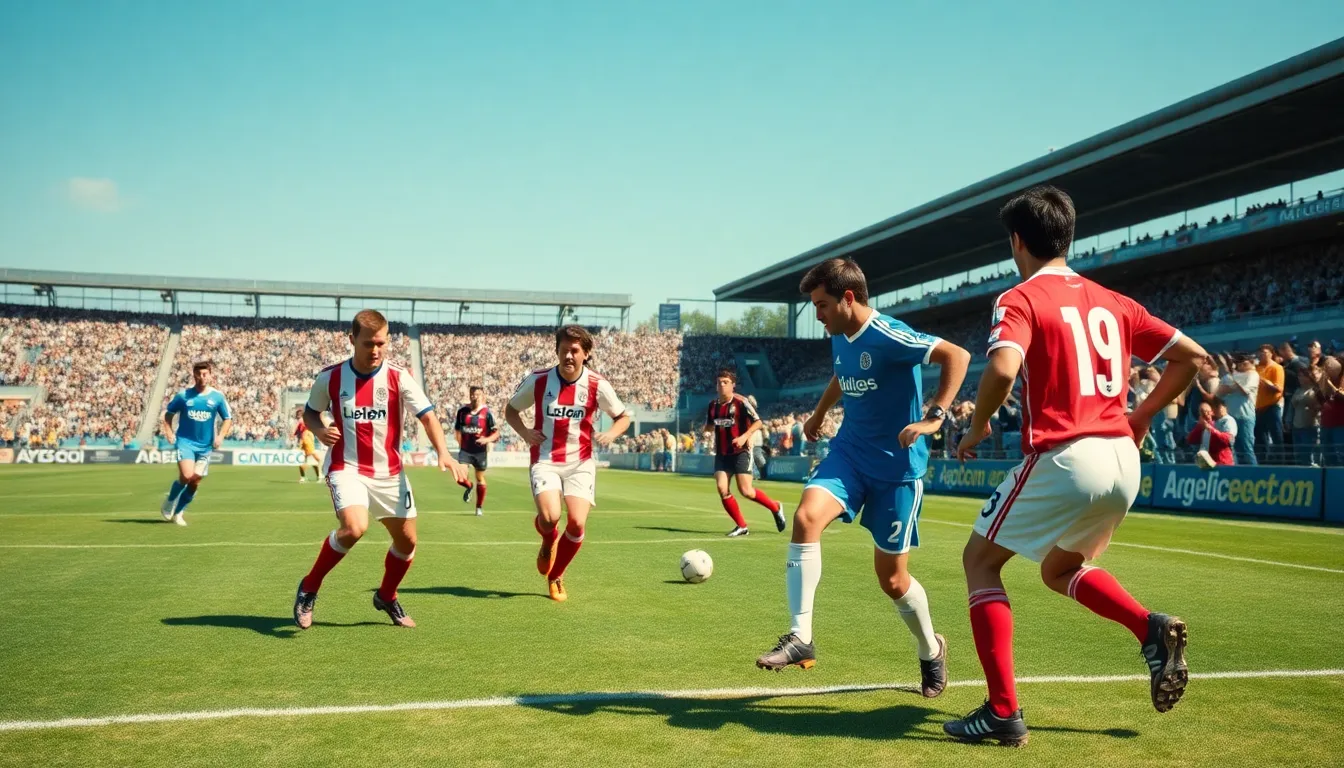
The trend of wearing retro shirts is not new, but it has gained momentum in recent years as clubs seek to engage younger fans while honoring their heritage. For La Liga teams, this weekend’s initiative is a part of a broader movement to connect with supporters on an emotional level, showcasing the unique identity and culture that each club embodies. The use of nostalgic designs allows fans to relive the glory days, fostering a sense of unity and pride.
Historically, La Liga has been a platform for significant political and social events in Spain. The league’s inception in 1929 coincided with a tumultuous period in Spanish history, marked by the rise of fascism and the Spanish Civil War. Teams like FC Barcelona and Real Madrid became symbols of resistance and identity, with their jerseys reflecting the spirit of their respective communities. Wearing retro shirts this weekend serves as a reminder of these historical contexts and the ongoing significance of football in Spanish culture; to learn more about the broader implications of football on society, explore this article.
Key milestones in La Liga’s history
Throughout its history, La Liga has experienced numerous milestones that have shaped its identity. From the introduction of foreign players in the 1980s to the globalization of the league in the 21st century, each era has left its mark on the teams and their apparel. The retro shirts initiative aligns with these key moments, allowing clubs to honor their past while also embracing the future. By revisiting classic designs, teams are not only paying homage to their history but also reinforcing their brand identity in a competitive global market.
Key stakeholders and their roles in this initiative
The initiative for La Liga teams to don retro shirts this weekend involves several key stakeholders, each with distinct interests and motivations. Primarily, the clubs themselves are central actors, as they aim to engage fans, celebrate their historical identities, and generate additional revenue through merchandise sales. This event also serves as a marketing strategy to enhance their brand appeal and connection with a broader audience.
Another significant stakeholder is La Liga, the governing body of professional football in Spain. La Liga’s interest lies in promoting the league’s heritage and fostering a sense of community among fans. By endorsing this initiative, La Liga seeks to strengthen its brand and increase viewership, both domestically and internationally. Additionally, the league hopes to create a festive atmosphere that attracts more spectators to matches.
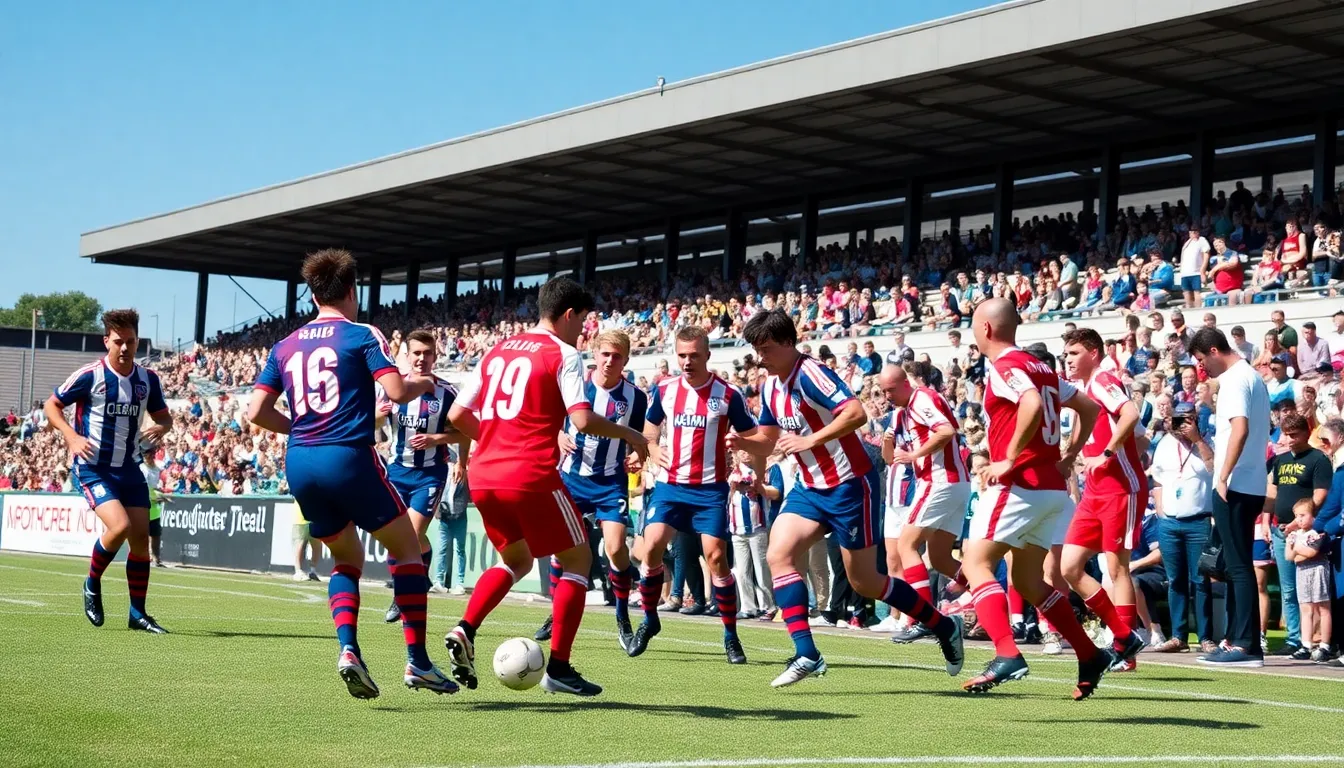
Fans play a crucial role in this initiative, as their participation and enthusiasm can significantly influence its success. Many fans have a deep emotional connection to their clubs’ histories, and wearing retro shirts allows them to express their loyalty and nostalgia. However, there may be varying opinions among fans regarding the appropriateness of the designs and the commercialization of such initiatives.
- Economic implications: The sale of retro shirts can boost club revenues, but it may also raise concerns about the commercialization of football.
- Legal considerations: Copyright issues may arise concerning the designs of retro shirts, especially if they resemble historical kits closely.
- Fan engagement: While many fans may embrace the retro theme, others might feel alienated if the designs do not resonate with their memories or preferences.
- Marketing strategies: Clubs must balance nostalgia with modern branding to ensure that the initiative appeals to both long-time supporters and new fans.
How this event will affect fans and the league
The decision for La Liga teams to don retro shirts this weekend is set to resonate across various groups, particularly fans, local businesses, and the broader football community. Fans, who are often emotionally invested in their teams, will have the opportunity to engage with the nostalgia of past eras, fostering a sense of unity and shared history.
Local businesses, especially those surrounding stadiums, are likely to experience a short-term boost in sales as fans flock to matches wearing these vintage jerseys. This surge in attendance can also lead to increased patronage at nearby restaurants, bars, and shops, creating a ripple effect in the local economy.
On a broader scale, the league itself may see a positive impact in terms of viewership and engagement. The unique appeal of retro shirts can attract both long-time supporters and new fans, potentially increasing television ratings and social media interactions. However, there are risks involved, such as the possibility of backlash from fans who prefer modern designs or feel that the initiative overshadows current team identities.
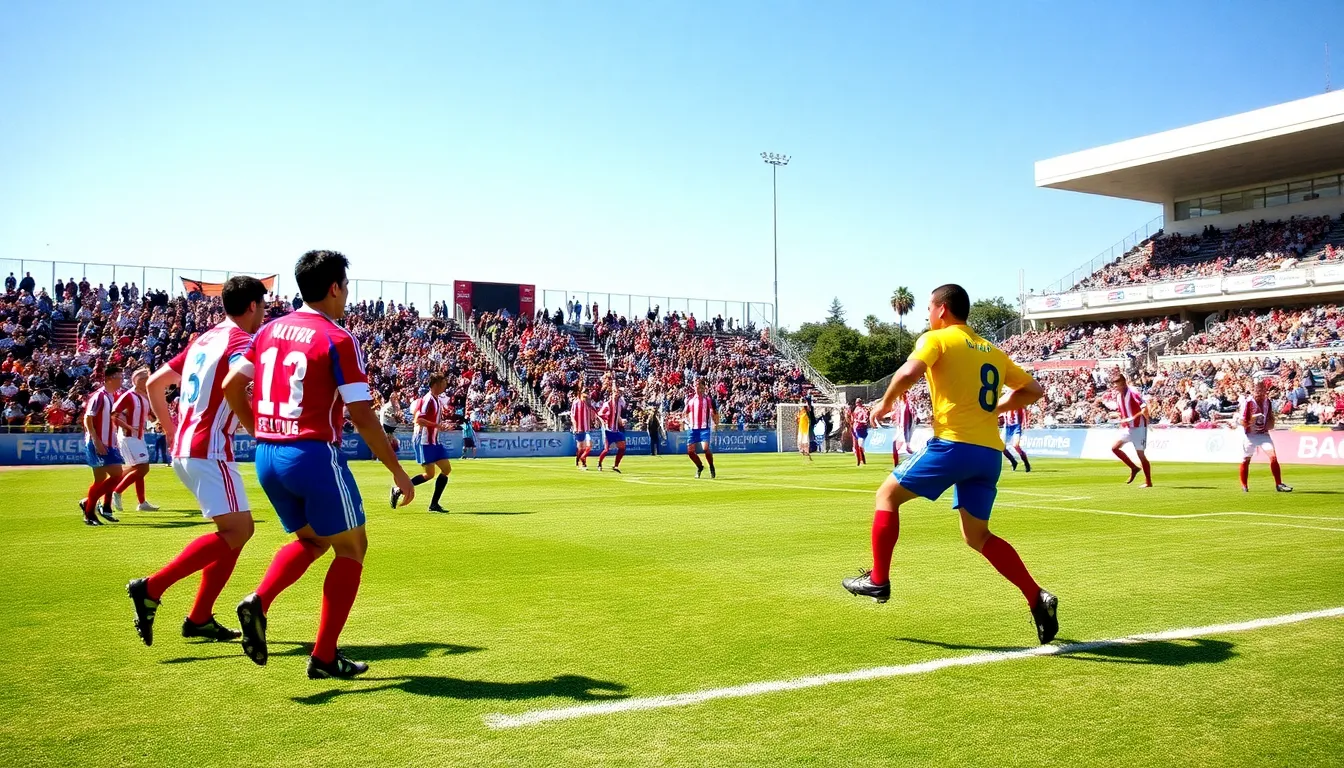
- Short-term impacts: Increased local business sales and heightened fan engagement.
- Mid-term impacts: Potential growth in viewership and fan base expansion.
- Risks: Possible fan discontent regarding team identity.
- Opportunities: Strengthening community ties and promoting local economies.
As teams embrace this nostalgic theme, the potential for collaboration with local artists and businesses also emerges, opening doors for creative partnerships that can enhance the overall matchday experience. This initiative could pave the way for similar events in the future, reinforcing the cultural significance of football in Spain.
A: La Liga teams are wearing retro shirts to celebrate their history and connect with fans on a deeper level. This initiative is part of a broader effort to enhance the matchday experience. A: All teams in La Liga will participate in wearing retro shirts during the designated matches this weekend. Each team will showcase a unique design representing their historical kits. A: Yes, many teams will offer the retro shirts for sale in their official merchandise stores. Fans can also find them online, making it easier to purchase these special items. A: This event is expected to boost fan engagement significantly, as it allows supporters to reminisce about their team’s history. It also encourages conversations around the club’s legacy. A: Yes, many clubs are planning special events, including fan meet-ups and historical exhibitions, to celebrate the occasion and enhance the overall experience.
Frequently asked questions about the retro shirt event
Looking ahead to the impact of retro shirts in La Liga
The decision for La Liga teams to don retro shirts this weekend represents more than just a nostalgic nod to the past; it serves as a strategic move to engage fans and enhance the league’s cultural identity. By embracing historical designs, clubs can strengthen their connection with long-time supporters while also attracting a younger audience interested in vintage aesthetics. This initiative could set a precedent for future promotional events, emphasizing the importance of heritage in modern football.
As teams take to the pitch in these throwback kits, the potential for increased merchandise sales and fan engagement becomes evident. The visual appeal of retro shirts may also influence matchday atmospheres, creating a unique experience that celebrates the rich history of the league. Observing the reactions from fans and the overall impact on match attendance will be crucial in assessing the long-term benefits of this endeavor.
- Expect heightened fan engagement as supporters rally behind their teams in retro attire.
- Monitor merchandise sales, as retro shirts may drive significant revenue for clubs.
- Watch for potential media coverage and social media buzz surrounding the event.
- Consider the implications for future heritage-themed events in La Liga.
- Evaluate the impact on match attendance and atmosphere during the weekend’s games.