Key among the recent adjustments is the introduction of a more rigorous salary cap system, which is designed to ensure that clubs do not exceed their financial limits. This cap will be calculated based on each club’s revenue, allowing for a tailored approach that considers individual financial circumstances. The changes were formally announced on October 15, 2023, and are set to take effect at the beginning of the 2024 season.
Moreover, LaLiga has established a compliance committee tasked with overseeing the implementation of these new rules. This committee will be responsible for evaluating club finances and ensuring adherence to the revised guidelines. The involvement of external financial experts is also expected to bolster the integrity of the economic control framework.
The implications of these changes are substantial, as they aim to foster a more sustainable financial environment within Spanish football. By enforcing stricter economic controls, LaLiga hopes to prevent clubs from accumulating unsustainable debts, ultimately contributing to the long-term health of the league. As clubs adapt to these new regulations, the landscape of Spanish football may see notable shifts in team strategies and financial management practices.
Understanding the Background of LaLiga’s Economic Policies
LaLiga, Spain’s premier football league, has undergone significant transformations in its economic governance over the past two decades. The league’s financial regulations have evolved in response to various challenges, including the economic crisis of 2008, which severely impacted clubs’ revenues and financial stability. This period marked a turning point, prompting LaLiga to implement stricter financial controls to ensure sustainability and competitiveness among its clubs.
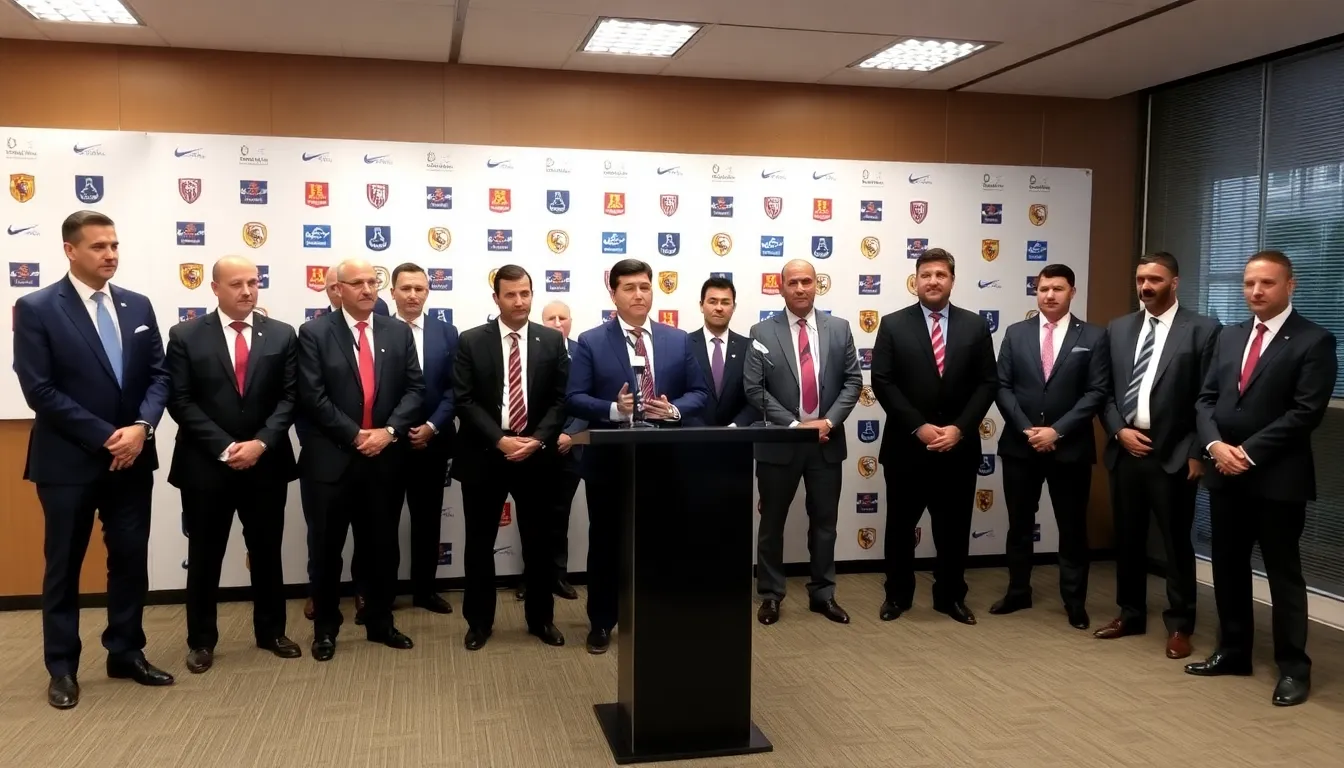
Historically, Spanish football clubs operated with a degree of financial leniency, often leading to substantial debts and mismanagement. The lack of a cohesive economic framework allowed clubs to overspend on player salaries and transfer fees, resulting in a precarious financial landscape. In 2013, LaLiga introduced the Financial Fair Play regulations, aiming to curb excessive spending and promote fiscal responsibility. This initiative was crucial in reshaping the financial health of many clubs, fostering a more balanced competitive environment.
Key Milestones in LaLiga’s Economic Regulation
One of the most notable milestones was the introduction of the ‘Salary Cap’ system in 2021, which established limits on player wages based on clubs’ financial performance. This reform aimed to prevent clubs from accumulating unsustainable debts while also ensuring that they invest in youth development and infrastructure. Additionally, the COVID-19 pandemic further accelerated the need for robust economic policies, as clubs faced unprecedented revenue losses due to match cancellations and restrictions on fan attendance.
In recent months, LaLiga has announced new changes to its economic control measures, responding to ongoing challenges and the evolving landscape of football finance. These changes are expected to enhance transparency and accountability among clubs, ensuring that they operate within their means while remaining competitive on both national and international stages. The league’s commitment to financial prudence reflects a broader shift in football governance, emphasizing sustainability in an industry often criticized for its financial excesses, similar to Newcastle’s ambition to become a top club.
Key Stakeholders and Issues Surrounding the Changes
The recent modifications in the economic control of LaLiga have brought various stakeholders into the spotlight, each with distinct interests and concerns. Among the primary actors are LaLiga itself, individual clubs, players, and regulatory bodies. Each of these entities plays a crucial role in shaping the landscape of Spanish football, and their perspectives on the changes vary significantly.
LaLiga, as the governing body, aims to enhance financial stability and competitiveness among clubs. By implementing stricter financial regulations, it seeks to prevent clubs from overspending and ensure long-term sustainability. However, this approach may conflict with the interests of clubs that rely on significant investments to attract talent and remain competitive in both national and international arenas.
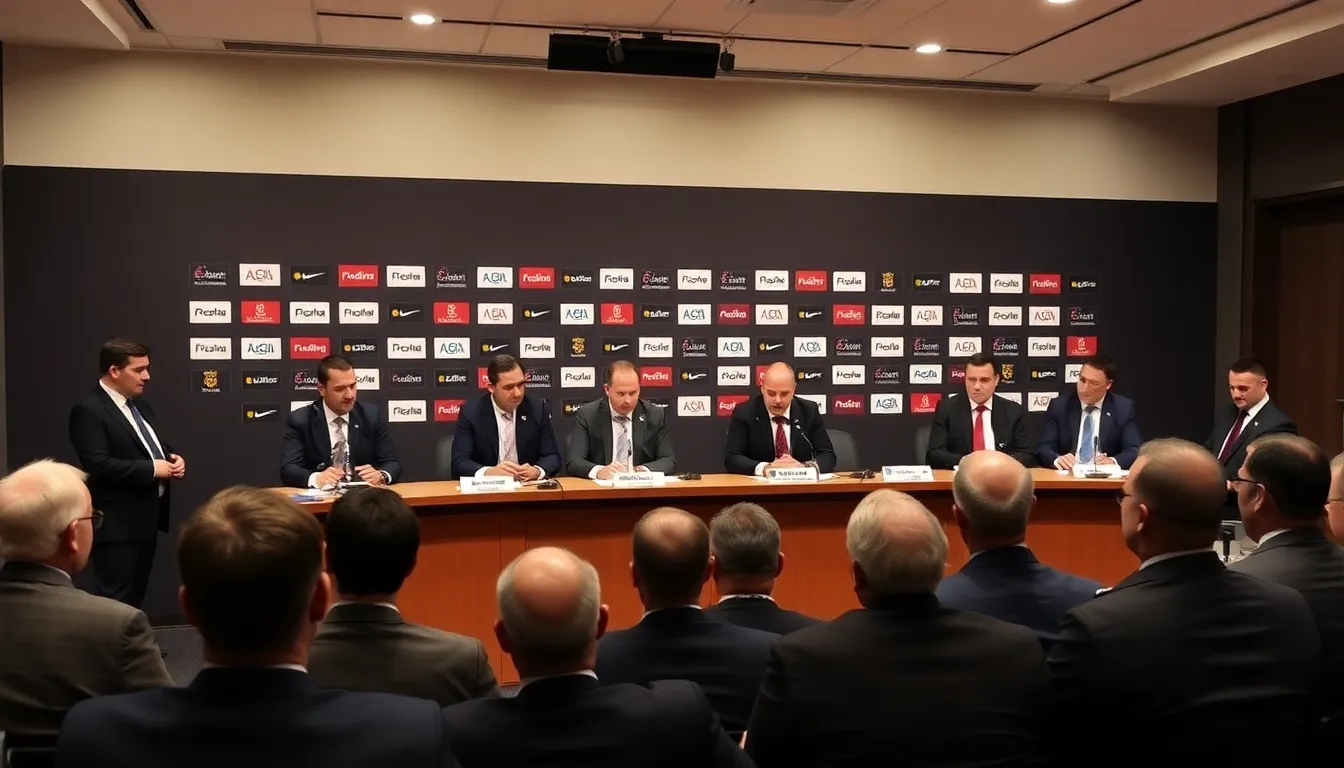
Clubs such as FC Barcelona and Real Madrid, who have historically operated with larger budgets, face challenges in adapting to these new constraints. Their interests lie in maintaining their financial prowess while complying with the new regulations. This situation creates a tension between the desire for financial discipline and the need for clubs to invest in their squads to compete at the highest levels.
- Financial Stability: The new regulations aim to ensure clubs do not exceed their financial limits, promoting overall economic health in LaLiga.
- Competitive Balance: Stricter controls could level the playing field, allowing smaller clubs to compete more effectively against larger ones.
- Player Welfare: Changes in club finances may impact player salaries and contract negotiations, raising concerns about job security.
- Regulatory Compliance: Clubs must navigate the complexities of new rules while striving to maintain their competitive edge.
- Public Perception: The changes could influence fan engagement and support, as clubs adjust their strategies to align with the new financial landscape.
Additionally, players are a significant stakeholder group affected by these changes. Their contracts and potential earnings may be influenced by how clubs adjust to the new financial realities. As clubs strive to balance compliance with competitiveness, players may find themselves in a position where their financial futures are uncertain, leading to potential conflicts between player interests and club strategies.
Impacts on Clubs and the Broader Market
The recent changes in the economic control of LaLiga are set to affect a wide range of stakeholders, including football clubs, players, sponsors, and fans. These adjustments are particularly significant for smaller clubs that may struggle to comply with new financial regulations, potentially leading to a shift in the competitive landscape of Spanish football, reminiscent of the internal challenges faced by Hearts.
In the short term, clubs will need to reassess their financial strategies to align with the updated economic controls. This may result in immediate impacts such as
- reduced player transfers
- altered salary structures
- increased focus on youth development
. Fans may experience changes in team rosters and a potential decline in on-field performance as clubs navigate these new financial realities.
Mid-term impacts could include a consolidation of power among financially stable clubs, creating a wider gap between the elite teams and those struggling to adapt. This could lead to fewer competitive matches and a less engaging league for fans, ultimately affecting viewership and sponsorship deals.
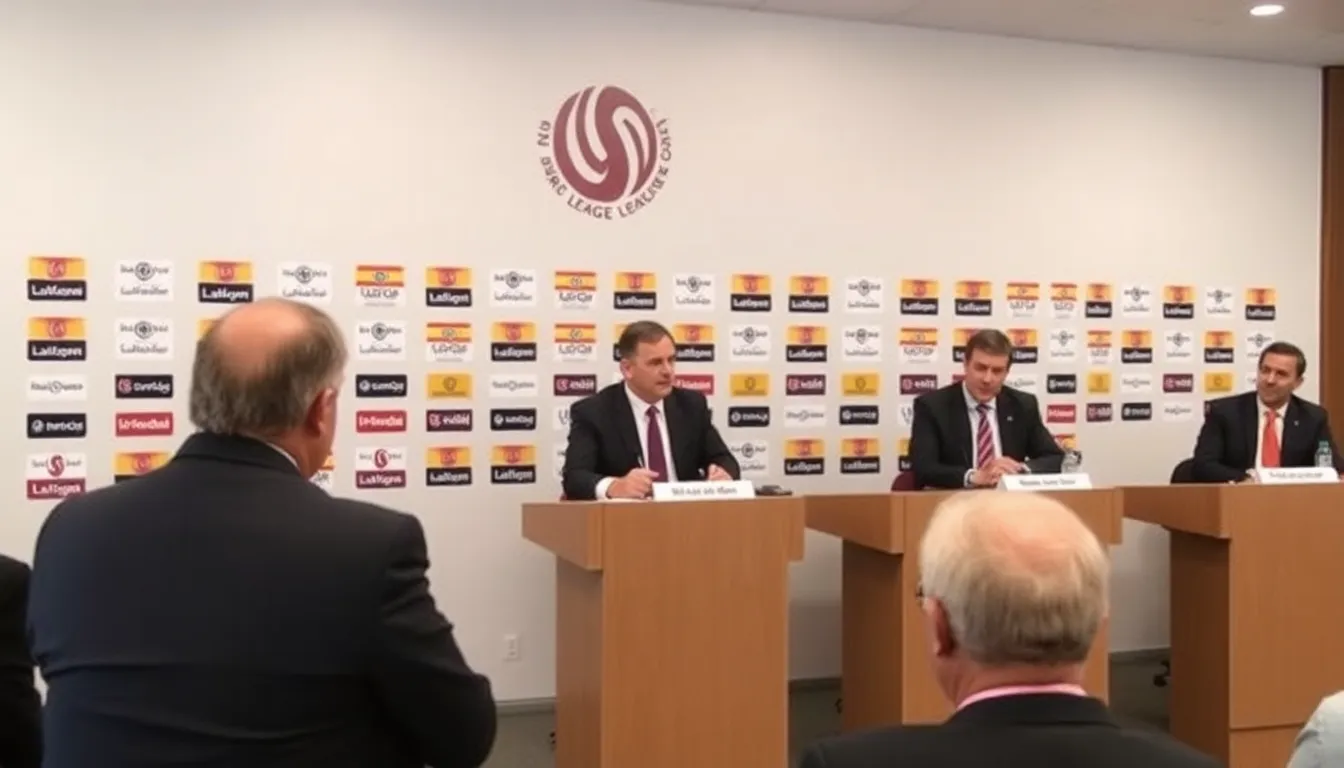
However, these changes also present opportunities. Clubs that successfully adapt to the new economic environment may find themselves in a stronger position to attract investment and sponsorships. Additionally, a focus on financial sustainability could foster a more stable football ecosystem, benefiting the industry in the long run.
In summary, while risks such as financial instability and reduced competitiveness loom, the potential for a more sustainable and balanced league could pave the way for a healthier football culture in Spain.
A: The main changes involve stricter financial regulations aimed at ensuring clubs operate within their means. This includes tighter salary caps and increased oversight on financial transactions. A: Clubs may need to adjust their budgets and player salaries to comply with the new regulations. This could lead to a more sustainable financial environment but may also limit spending on new talent. A: Key stakeholders include LaLiga management, club owners, players, and financial regulators. Each has a vested interest in how these changes impact the league’s competitiveness and financial health. A: Long-term effects could include a more balanced competition among clubs, improved financial stability, and potentially a shift in how clubs approach player acquisitions and contracts.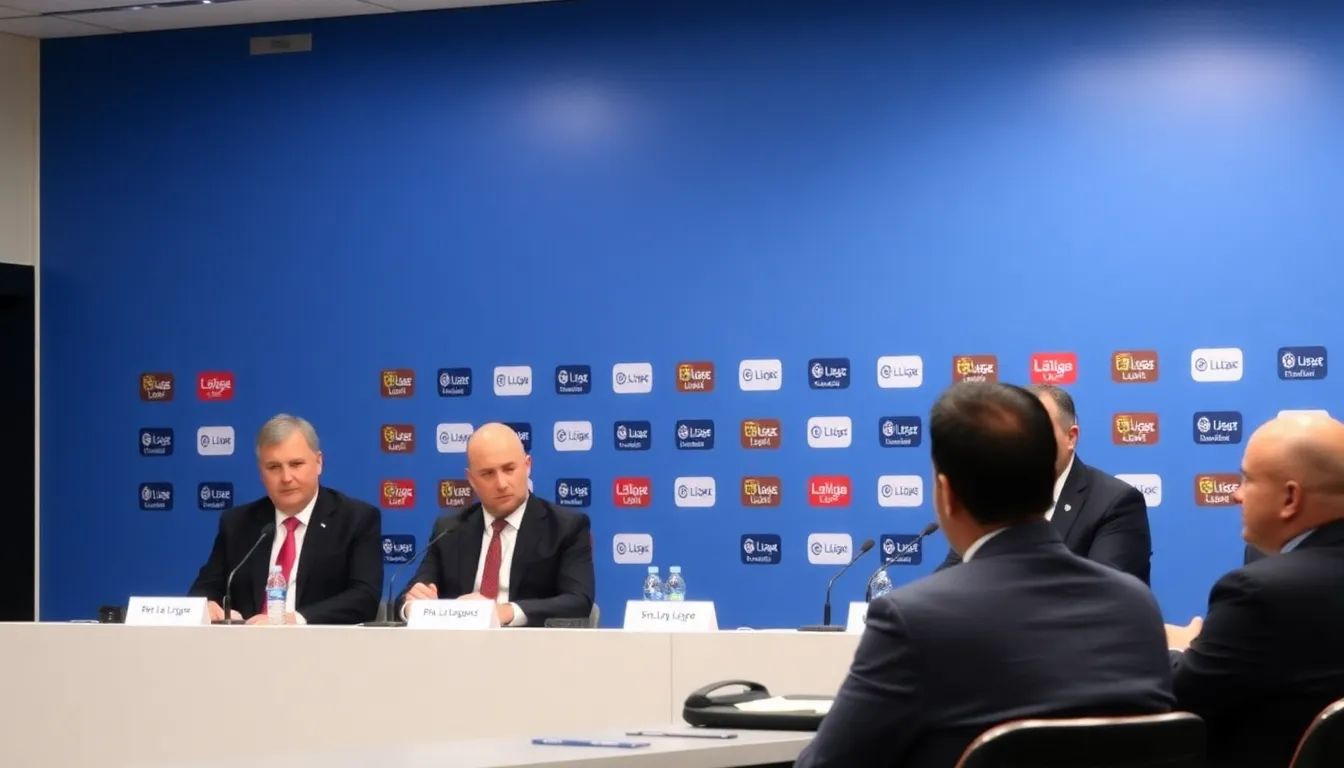
Frequently Asked Questions about LaLiga’s Economic Changes
Key Takeaways and Future Outlook on LaLiga’s Economic Control
The recent changes in LaLiga’s economic control mechanisms are poised to reshape the financial landscape of Spanish football. With stricter regulations and enhanced oversight, clubs will need to adapt their strategies to ensure compliance while remaining competitive. This shift not only aims to foster financial stability but also to promote a more equitable distribution of resources among clubs, potentially leveling the playing field in LaLiga.
As clubs navigate these new regulations, several key implications will emerge. Stakeholders should closely monitor how teams adjust their financial practices and the impact on player acquisitions, wage structures, and overall competitiveness in the league.
- Clubs will likely prioritize sustainable financial practices, leading to a potential decrease in high-profile transfers.
- Increased transparency in financial dealings may enhance fan trust and engagement with their clubs.
- Smaller clubs could benefit from a more equitable distribution of resources, creating a more competitive league overall.
- Monitoring compliance will become a critical focus for LaLiga, impacting club operations and governance.
- Future broadcasting and sponsorship deals may be influenced by the perceived financial health of clubs under these new regulations.