Germany typically receives four Champions League spots based on its UEFA coefficient, which is determined by the performance of its clubs in European competitions over several seasons. However, with Bayern Munich’s potential success this season, the dynamics of these spots could shift, especially if they perform well in both domestic and European competitions, as discussed in the article on PSG and Bayern prepare for clash of titans.
Harry Kane’s impact on the team has been significant, as he has quickly become a key player, scoring crucial goals that not only secure victories but also enhance Bayern’s standing in the league. His contributions might not only help Bayern secure their Champions League spot but could also elevate the overall coefficient for German clubs, potentially leading to an additional spot in future seasons.
The situation is further complicated by the performances of other Bundesliga teams in European tournaments. If clubs like Borussia Dortmund and RB Leipzig also excel in the Champions League, it could bolster Germany’s standing and solidify the argument for an extra spot in the tournament, highlighting the importance of this season’s results.
Exploring the background of the Champions League qualification process
The UEFA Champions League is one of the most prestigious football tournaments in the world, featuring the top clubs from across Europe. The qualification process for this elite competition has evolved over the years, shaped by various historical, political, and economic factors. Understanding how these elements intertwine helps to clarify the implications of recent developments, such as Harry Kane’s potential goal-scoring prowess impacting Germany’s representation in the tournament.

Historically, the Champions League was known as the European Cup, established in 1955. It initially allowed only the champions of each country to compete, but over the decades, the format has changed to include multiple teams from stronger leagues, reflecting the growing financial power and popularity of football. This shift was largely influenced by the increasing commercialization of the sport and the desire for more competitive matches, leading to the current system where league performance directly affects qualification.
In Germany, the Bundesliga has consistently been one of the strongest leagues in Europe, producing teams that regularly reach the latter stages of the Champions League. However, the qualification spots awarded to each league are determined by UEFA’s coefficient system, which assesses the performance of clubs in European competitions over a rolling period. For more insights on how league performances impact European qualifications, you can read about How Aston Villa Could Secure a Sixth Place Finish for Champions League Qualification.
The Impact of Player Transfers
The transfer of star players like Harry Kane to Bundesliga clubs can significantly influence a league’s coefficient. If Kane continues to score goals and lead his team to success in both domestic and European competitions, it could enhance the Bundesliga’s standing. This, in turn, may result in Germany gaining an additional Champions League spot in future seasons, reflecting the ongoing interplay between individual talent and national footballing success.
As clubs invest heavily in talent acquisition and development, the stakes for qualification continue to rise. The potential for Germany to secure an extra Champions League spot due to Kane’s impact underscores the broader implications of player performance on national leagues and their representation on the European stage.
Analyzing the stakeholders involved in the Champions League qualification
The recent goal scored by Harry Kane has sparked a significant discussion regarding its potential impact on Germany’s Champions League qualification. Several key stakeholders are involved in this scenario, each with distinct interests and concerns. These stakeholders include football clubs, the Bundesliga, UEFA, and the players themselves.

Football clubs, particularly those in the Bundesliga, are keenly interested in the implications of Kane’s goal. A higher number of teams qualifying for the Champions League can lead to increased revenue from broadcasting rights, sponsorships, and ticket sales. This financial boost is crucial for clubs looking to enhance their competitiveness both domestically and in European competitions.
On the other hand, UEFA, as the governing body of European football, has its own interests in maintaining a balanced and competitive tournament. The introduction of an additional Champions League spot for Germany could lead to conflicts with other leagues vying for similar opportunities. This could create a perception of imbalance in the qualification process, raising questions about fairness and representation in European football.
- Financial Implications: Increased revenue for clubs from Champions League participation.
- Competitive Balance: Concerns from other leagues over fairness in qualification.
- Player Interests: Players may benefit from more opportunities to compete at higher levels.
- Fan Engagement: Fans may have heightened interest and support for teams competing in Europe.
- Regulatory Challenges: Potential legal issues surrounding changes to qualification rules.
In summary, the situation surrounding Kane’s goal involves a complex web of interests and potential conflicts among stakeholders. As discussions continue, it will be essential to consider how these dynamics shape the future of Champions League qualifications and the broader landscape of European football, especially given the recent concerns raised in the context of Emotional Hellberg expresses concerns over Spygate affecting Premier League aspirations.
Assessing the impact on German clubs and the league
The potential for an extra Champions League spot for Germany, spurred by Harry Kane’s goal-scoring prowess, could significantly affect various stakeholders within the football ecosystem. Primarily, Bundesliga clubs stand to gain from enhanced visibility and financial incentives associated with participating in Europe’s elite competition.
In the short term, clubs may experience increased revenue from ticket sales, merchandise, and sponsorships as they position themselves for a Champions League berth. This influx could lead to a more competitive environment within the league, prompting clubs to invest in better talent and facilities. Fans would also feel the excitement of a more competitive league, leading to increased attendance and engagement.

Mid-term, the impact could extend to local economies surrounding Bundesliga clubs. Increased foot traffic on match days can benefit local businesses, from restaurants to hotels. Moreover, a successful campaign in the Champions League can elevate the profile of German football globally, attracting international investments and partnerships.
- Increased financial resources: Enhanced revenue streams for clubs.
- Local economic boost: Positive effects on businesses near stadiums.
- Heightened competition: Clubs investing more in talent and infrastructure.
- International exposure: Greater visibility for German football on a global stage.
However, there are risks involved as well. The pressure to perform in the Champions League could lead to financial strain for clubs that overextend themselves in pursuit of success. Additionally, the influx of talent may create a disparity within the league, making it harder for smaller clubs to compete. Balancing these risks with the opportunities presented will be crucial for the future of German football.
A: Harry Kane’s goal can impact the overall performance of his team, potentially leading to a higher league finish for German clubs. This could result in an additional Champions League spot for Germany. A: The current format allows the top teams from each league to qualify based on their standings. The number of spots can vary depending on the league’s UEFA coefficient. A: Teams like Bayern Munich and Borussia Dortmund are directly impacted as they are often in contention for the top spots, influencing the overall league performance. A: Yes, a single goal can have significant implications, especially in tightly contested matches that can determine league standings. A: Qualifying for the Champions League can lead to increased revenue, better player recruitment, and enhanced global visibility for clubs.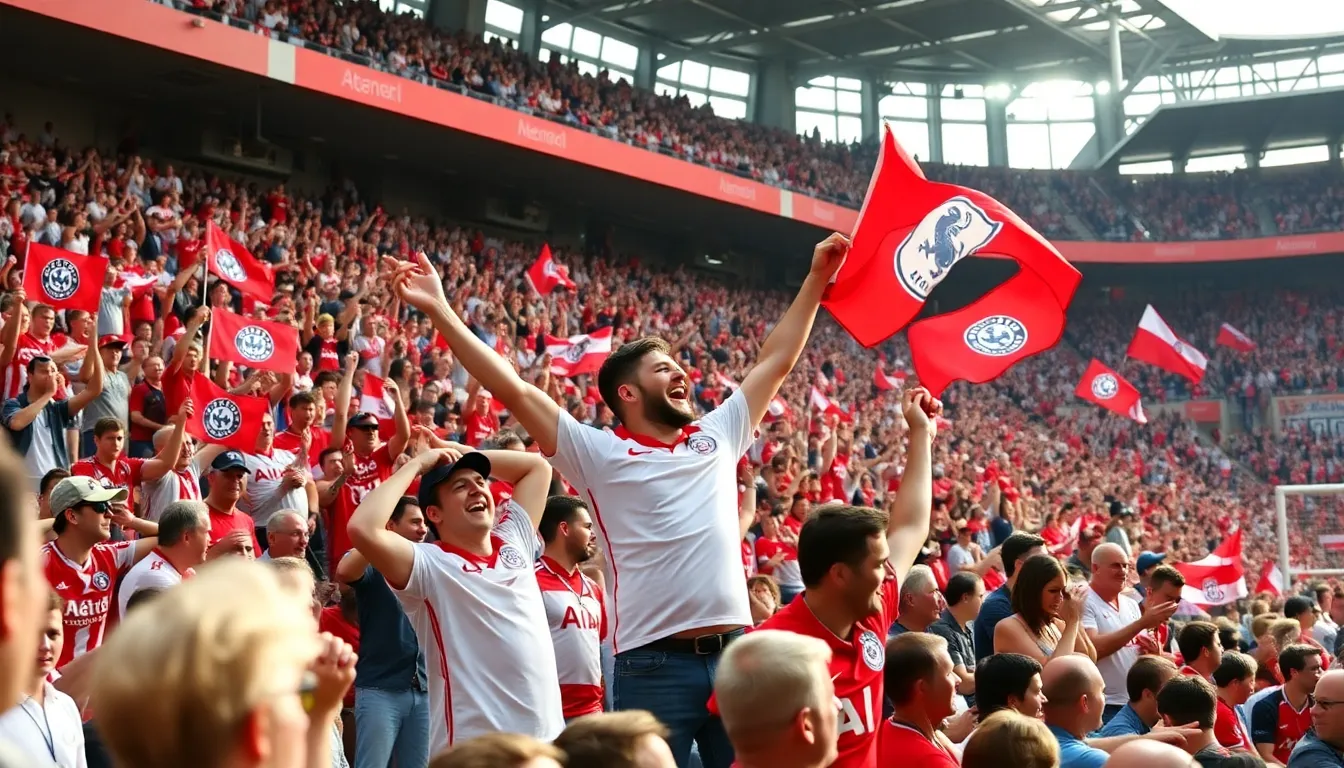
Frequently asked questions about Champions League spots
Key insights and future outlook on Champions League spots
The recent goal by Harry Kane has significant implications for Germany’s representation in the Champions League. As the competition for spots intensifies, this development could reshape the landscape for both clubs and players in the Bundesliga. The potential for an additional Champions League spot not only enhances the prestige of German football but also increases financial incentives for clubs aiming to secure higher placements in the league.
As the season progresses, several factors will determine the ultimate impact of this development. Clubs will need to maintain consistency in performance while also navigating the complexities of European competition. The ripple effect of Kane’s goal may influence recruitment strategies, fan engagement, and overall competitiveness within the league.
- Monitor the performance of Bayern Munich and other top clubs to see how they respond to increased pressure for Champions League qualification.
- Watch for potential shifts in player transfers, as clubs may seek to bolster their squads to secure a coveted Champions League spot.
- Observe fan engagement and attendance at Bundesliga matches, as the prospect of additional European football may drive interest and support.
- Consider the financial implications for clubs, as qualifying for the Champions League can significantly enhance revenue streams.
- Keep an eye on the UEFA regulations regarding league representation, as changes could further affect the number of spots available for German teams.