Officials argue that the ban undermines the spirit of community engagement and support for the tournament, which is set to take place from July 10 to August 20, 2023. Public screenings are seen as a vital way to foster enthusiasm and allow fans to experience the matches together, especially in a sport that has seen a surge in popularity in Australia. For those interested in the economic benefits of such events, there are several discussions around the potential impacts.
In response to the ban, Football Australia highlighted the potential economic benefits of hosting public viewings, including increased tourism and local business support. The organization is advocating for a more inclusive approach that would allow fans to gather and celebrate the event safely, similar to past experiences during events like the 2006 FIFA World Cup.
As discussions continue, the Victorian government faces pressure from various stakeholders, including local businesses and community groups, who are calling for a reversal of the decision. The outcome of this situation could significantly impact the atmosphere surrounding the World Cup and the overall experience for fans across the state.
Understanding the background of the Big Screen ban in Victoria
The recent call by Football Australia for the Victorian government to overturn the Big Screen ban highlights a significant intersection of sports, politics, and community engagement. The ban, which restricts the broadcasting of live sports events on large screens in public spaces, has been a contentious issue since its implementation. This decision was influenced by concerns over public safety and the potential for crowd control issues during high-profile matches, particularly in densely populated areas.
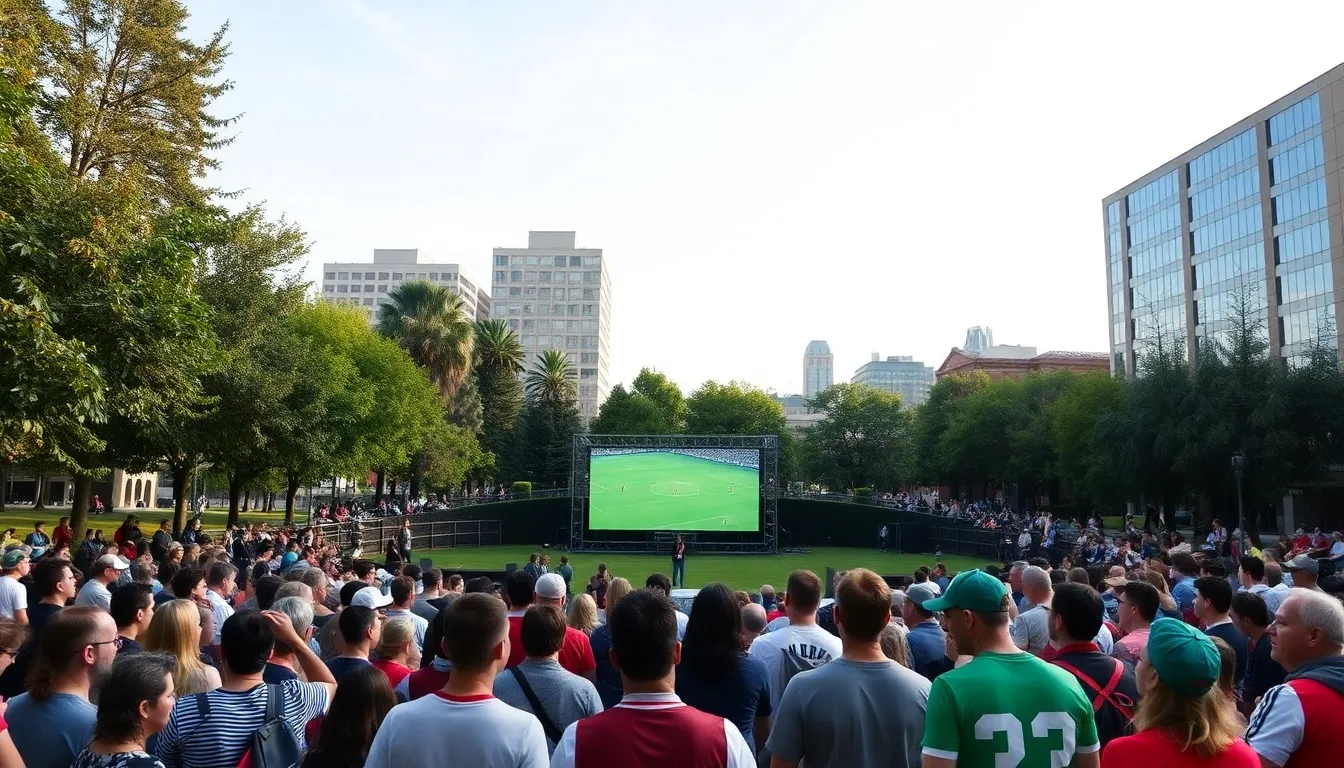
Historically, large public screenings of sporting events have fostered a sense of community and excitement among fans. Events such as the 2006 FIFA World Cup and the 2015 AFL Grand Final saw massive gatherings, promoting local businesses and tourism. However, incidents of unruly behavior and safety concerns during these events led to a more cautious approach by local authorities, culminating in the current ban.
Politically, the ban reflects broader debates about public space usage and government regulation. Advocates argue that the restrictions disproportionately affect sporting events that unite communities, while opponents cite the need for responsible governance in managing large crowds. The Victorian government has faced pressure from various stakeholders, including sports organizations and local businesses, to reconsider the ban in light of its economic implications.
The Economic Impact of the Ban
The economic ramifications of the Big Screen ban are significant. Local businesses, especially those in hospitality, have reported losses due to reduced foot traffic during major sporting events. The potential for increased patronage during public screenings has been stifled, leading to calls for the government to reassess the policy. As the sports industry continues to recover from the impacts of the COVID-19 pandemic, the need for vibrant community events has never been more pressing; therefore, examining similar cases, such as Toronto’s recent changes to Fan Fest ticket pricing for the 2026 FIFA World Cup might provide valuable insights.
Key stakeholders and issues surrounding the Big Screen ban
The ongoing debate over the Big Screen ban in Victoria involves several key stakeholders, each with their own interests and concerns. The primary actors include Football Australia, the Victorian government, local businesses, and the general public. Each of these groups plays a significant role in shaping the discourse around the issue.
Football Australia advocates for the overturning of the ban, citing the potential economic benefits of displaying major football events on large screens. Their interest lies in promoting the sport and enhancing fan engagement, which they believe could lead to increased attendance at matches and greater overall interest in football within the region.
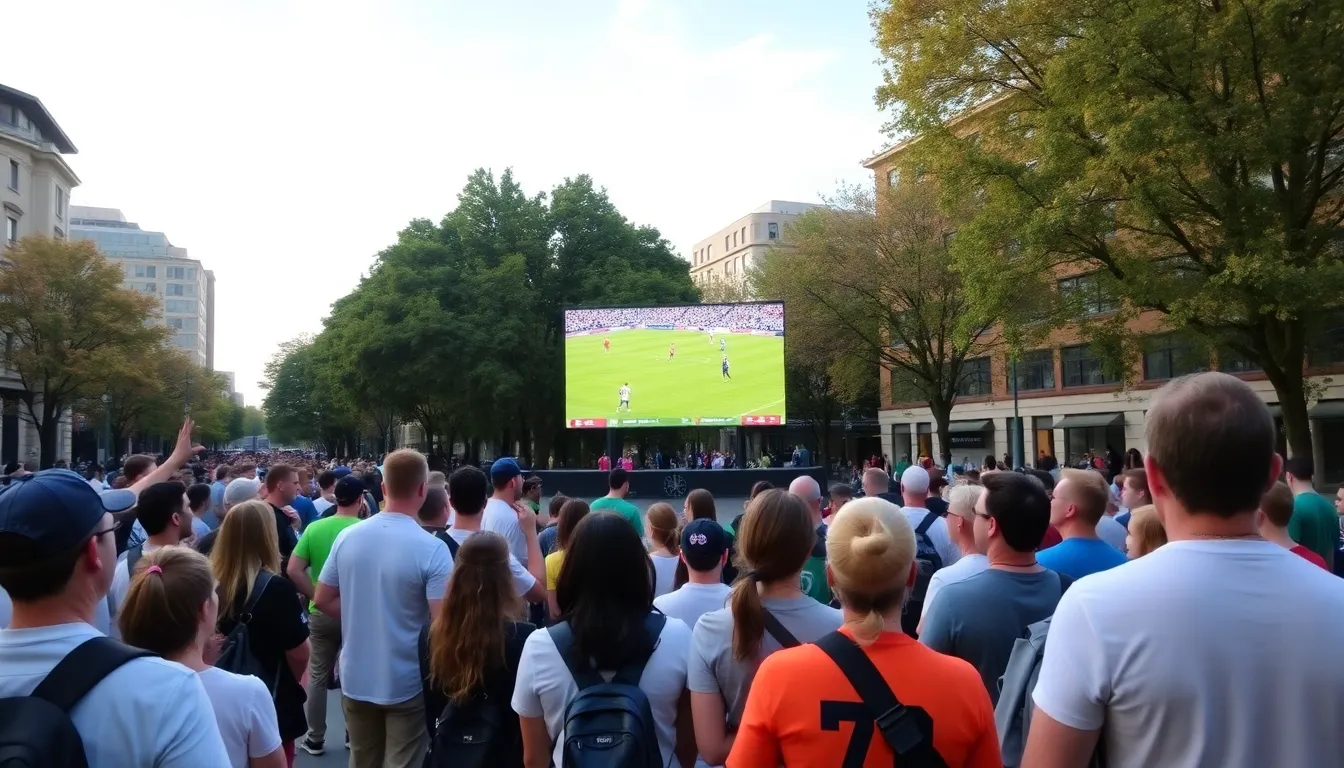
On the other hand, the Victorian government must balance the interests of Football Australia with public safety and community concerns. The government has previously implemented the ban due to issues related to crowd control, noise levels, and potential disturbances in public spaces. This raises questions about the legal implications of lifting the ban and the responsibilities of local authorities in managing large gatherings.
Local businesses, particularly those in the hospitality sector, have a vested interest in the outcome of this debate. Many establishments stand to benefit from increased foot traffic and customer engagement during major sporting events. However, they also face potential challenges related to noise and crowd management, which could affect their operations and the experience of their patrons.
- Economic impact of lifting the ban on local businesses.
- Public safety concerns related to large gatherings.
- Legal ramifications for the Victoria government if the ban is overturned.
- Potential for increased fan engagement and attendance at football matches.
- Community reactions and the role of public opinion in decision-making.
Impact of the Big Screen ban on fans and local businesses
The ban on big screens for football events in Victoria has far-reaching implications for various groups, primarily fans, local businesses, and the broader sports community. Football enthusiasts who gather to watch games in public spaces are directly affected, as they lose a communal experience that enhances the excitement of major matches.
Local businesses, particularly those in hospitality and retail, face immediate financial repercussions. Pubs, bars, and restaurants that rely on attracting crowds during football events may see a significant drop in patronage. This could lead to reduced revenue, layoffs, or even closures in the most severe cases. The ban also impacts vendors and suppliers who provide merchandise and services related to these events.
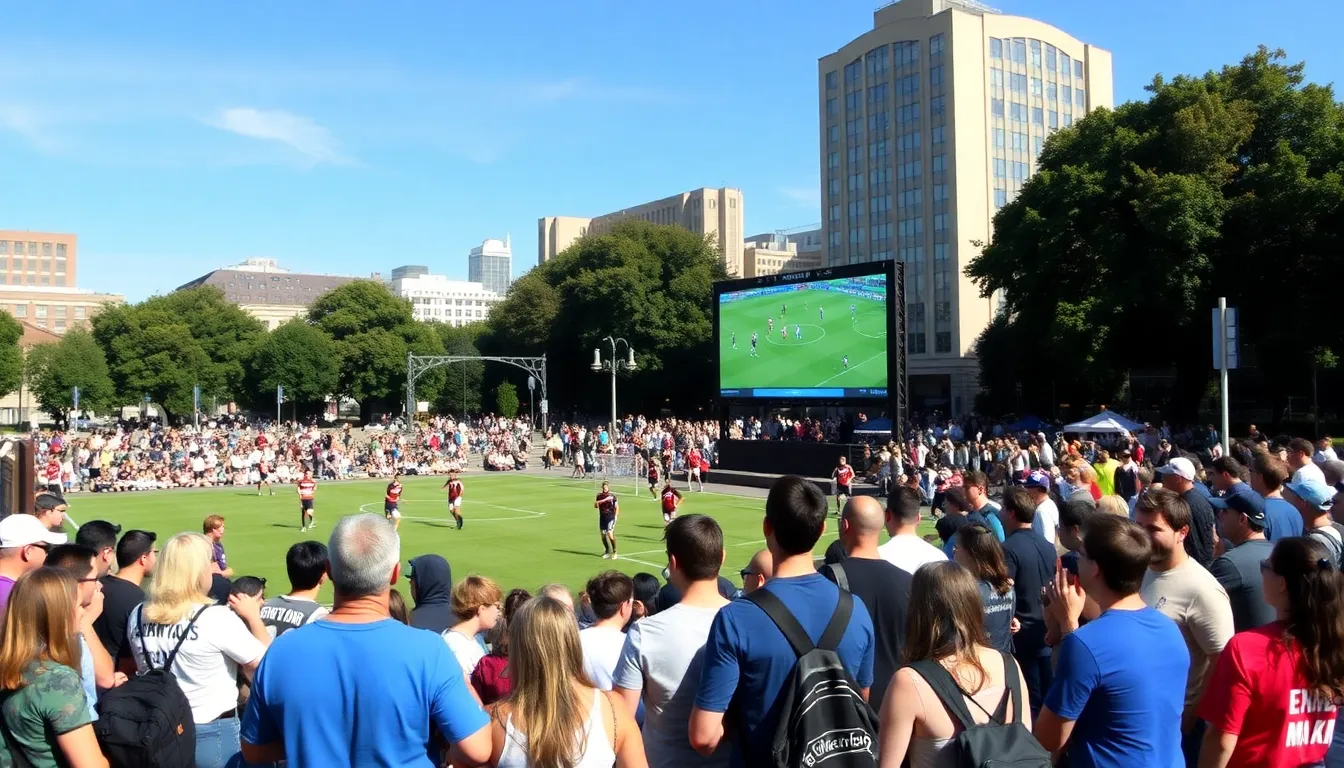
In the mid-term, the absence of big screens could alter consumer behavior, leading fans to seek alternative viewing options, such as private gatherings or online streaming. This shift may create opportunities for businesses that adapt by offering at-home viewing packages or enhancing their digital presence. However, it also poses risks for those who fail to pivot, potentially resulting in a long-lasting decline in customer engagement.
- Fans: Loss of communal viewing experiences and engagement.
- Local Businesses: Decrease in revenue for bars, restaurants, and retailers.
- Sports Community: Diminished support for local teams and events.
- Economic Impact: Potential job losses and business closures.
- Opportunities: Shift towards digital engagement and at-home viewing solutions.
Moreover, the policy implications of the ban could trigger discussions around public event regulations and the role of local governments in supporting community-centric activities. As stakeholders advocate for the reversal of the ban, there exists a chance for policy reform that could benefit both fans and businesses in the long run.
A: Football Australia believes that lifting the ban will enhance fan engagement and create a more vibrant atmosphere during matches. A: The ban is currently in effect, and discussions are ongoing between Football Australia and the Victoria government regarding its future. A: Local businesses may suffer from reduced foot traffic and customer engagement during major sporting events due to the absence of Big Screens. A: The ban was implemented due to concerns about crowd control and public safety during large gatherings. A: Yes, there are discussions about potentially holding public consultations to gather community feedback on the issue.
Frequently asked questions about the Big Screen ban
Looking ahead: implications of the Big Screen ban
The call from Football Australia for the Victoria government to reconsider the Big Screen ban highlights the ongoing tension between sports governance and local regulations. This situation not only affects fan engagement but also raises questions about the broader implications for sporting events in urban settings. As the debate unfolds, stakeholders must balance public safety, community sentiment, and the economic benefits that large-scale sporting events can bring to the region.
Future developments will likely hinge on public opinion and the government’s willingness to adapt policies that reflect the desires of both fans and local businesses. Observers should remain vigilant as this situation evolves, as it may set precedents for how other states approach similar issues in the future.
- Watch for potential shifts in public sentiment regarding outdoor viewing experiences and community events.
- Consider the economic impact on local businesses that thrive during major sporting events.
- Monitor the response from other states and how they may react to similar bans or regulations.
- Keep an eye on Football Australia’s strategies for engaging with government bodies and fan communities.
- Assess the implications for future sporting events and their accessibility to fans in urban areas.