Both players, who are of African descent, took to social media to express their disappointment and anger over the hateful comments they received, which have once again brought the issue of racism in football to the forefront.
In response to the incidents, Chelsea Football Club issued a statement condemning the abuse and reaffirming their commitment to tackling racism. The club emphasized the need for collective action from all stakeholders in football to eradicate such behavior and create a more inclusive environment for players and fans alike.
As discussions around the effectiveness of current measures to combat racism in football continue, this incident serves as a stark reminder of the work that still needs to be done. The footballing community is now calling for stricter penalties for offenders and greater support for players who face such discrimination.
Understanding the background of racism in football
Racism in football is a pervasive issue that has plagued the sport for decades, manifesting in various forms, from overt abuse by fans to discriminatory practices within clubs and governing bodies. The historical roots of this problem can be traced back to the early 20th century when players of African descent began to break into professional leagues. Despite their contributions to the game, these players often faced hostility and prejudice, a trend that has unfortunately persisted into the modern era.

High-profile incidents, such as the abuse directed at players like Marcus Rashford and Raheem Sterling, have highlighted the urgent need for effective measures to combat racism.
Key milestones in the fight against racism
Several key milestones have marked the ongoing struggle against racism in football. The establishment of organizations like Kick It Out in the UK in 1993 aimed to tackle discrimination and promote equality within the sport. Additionally, FIFA and UEFA have introduced stricter penalties for clubs and fans involved in racist behavior, reflecting a growing recognition of the need for accountability. However, despite these efforts, incidents of racism continue to occur, indicating that more comprehensive strategies are necessary to create lasting change.
As players from diverse backgrounds continue to face abuse, it is crucial for clubs, fans, and governing bodies to unite in the fight against this societal ill, reinforcing the message that racism has no place in football or any other aspect of life.
Examining the stakeholders involved in the racism debate
In the aftermath of the Chelsea-Burnley draw, where players Fofana and Hannibal were subjected to racist abuse, several key stakeholders emerge in the ongoing discourse surrounding racism in football. These stakeholders include players, clubs, governing bodies, fans, and advocacy groups, each with distinct interests and perspectives.
Players like Fofana and Hannibal are at the forefront, as they directly experience the impact of racism on and off the pitch. Their interests lie in fostering an inclusive environment where they can perform without the fear of discrimination. This incident highlights the emotional and psychological toll that such abuse can have on athletes, further emphasizing the need for systemic change within the sport.

Football clubs, including Chelsea and Burnley, have a vested interest in maintaining their reputations and ensuring the safety and well-being of their players. The clubs face pressure to implement effective measures against racism, including stricter penalties for offenders and educational programs for fans. The balance between fan engagement and promoting a zero-tolerance policy towards racism presents a challenging trade-off for these organizations.
Governing bodies such as the FA (Football Association) and FIFA also play a crucial role in this scenario. Their interests revolve around upholding the integrity of the sport and enforcing regulations that combat racism. However, the effectiveness of their policies is often scrutinized, leading to conflicts between the desire for swift action and the complexities of enforcing disciplinary measures across different leagues and regions.
- Players’ mental health and safety concerns regarding racism.
- Clubs’ reputational risks and the need for proactive measures.
- Governing bodies’ challenges in enforcing anti-racism policies uniformly.
- Fans’ roles in either perpetuating or combating racist behavior in stadiums.
- Advocacy groups pushing for more stringent regulations and awareness initiatives.
Ultimately, the intersection of these stakeholders and their respective interests creates a complex landscape where conflicts and trade-offs must be navigated. Addressing the issue of racism in football requires a collaborative effort that balances the needs and expectations of all parties involved.
The impact of racist abuse on players and the football community
The recent incident involving Chelsea’s Malo Gusto and Burnley’s Hannibal Mejbri, who were subjected to racist abuse after their match, has far-reaching implications for various groups within the football community. Players, clubs, fans, and governing bodies are all affected by the toxic environment fostered by racism in sports.
In the short term, the immediate impact on players like Fofana and Hannibal includes emotional distress and mental health challenges. This can affect their performance on the pitch and lead to a decline in overall morale within their teams. Beyond the players, clubs may face backlash from fans and sponsors, prompting them to reassess their policies on racism and inclusivity.
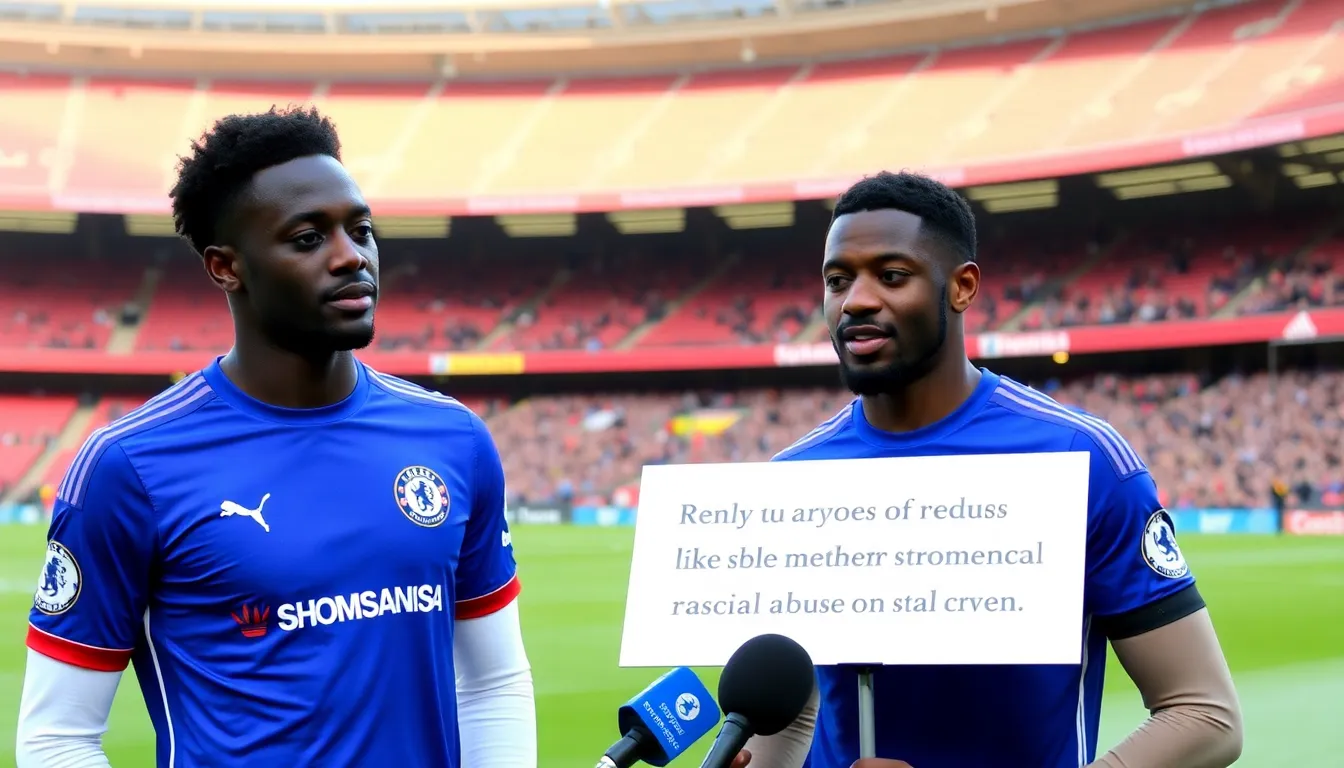
In the mid-term, there could be a shift in how football organizations approach racism. This might include stricter penalties for offenders, increased funding for educational programs, and enhanced support systems for players facing abuse. The football community may also see a rise in solidarity initiatives, where players and clubs unite against racism, potentially strengthening community bonds.
- Risks: Player mental health issues, decreased team performance, potential loss of sponsorships.
- Opportunities: Development of anti-racism campaigns, increased awareness, and community engagement.
Moreover, the incident could influence policy changes at the league level, prompting governing bodies to implement more robust measures against racism. This could lead to a more inclusive environment in football, ultimately benefiting the sport and its stakeholders.
A: The match ended in a draw, but it was overshadowed by incidents of racist abuse directed at players Fofana and Hannibal. A: Various organizations and clubs have condemned the racist behavior, calling for stronger actions against such incidents. A: Initiatives include campaigns for awareness, stricter penalties for offenders, and support systems for affected players. A: It highlights the persistent issue of racism in sports and the need for ongoing dialogue and action to address it. A: Fans can report incidents, support anti-racism campaigns, and promote inclusivity within their communities.
Frequently asked questions about the incident
Key takeaways and future outlook on racism in football
The recent incident involving Fofana and Hannibal highlights the persistent issue of racism in football, even at the highest levels of the game. This situation serves as a reminder that while progress has been made, significant challenges remain in eradicating discriminatory behavior from the sport. The responses from clubs, players, and governing bodies will be critical in shaping the future landscape of football and addressing these issues head-on.
As the football community continues to grapple with these incidents, it is essential to focus on proactive measures that can foster a more inclusive environment. Stakeholders must remain vigilant and committed to implementing strategies that not only condemn racism but also promote diversity and respect within the sport.
- Increased collaboration between clubs and anti-racism organizations can enhance awareness and education initiatives.
- Monitoring social media platforms for abusive content should be prioritized, with stricter penalties for offenders.
- Players and teams may consider using their platforms to advocate for change, promoting messages of unity and respect.
- Ongoing training for referees and officials on handling racist incidents during matches can improve immediate responses.
- Fan engagement strategies that encourage inclusivity and respect within the stadium environment can help reduce incidents of abuse.