Fenapaf’s inclusion in FIFPRO marks a significant step for Brazilian football, as it allows the federation to engage more deeply in international discussions regarding player rights and labor conditions. By becoming a special observer, Fenapaf will have the opportunity to participate in key meetings and contribute to the development of policies that affect professional athletes worldwide. This inclusion is part of a broader trend towards enhanced representation of athlete interests, similar to the CBF’s advocacy for collaboration in the development of Brasileirão.
The launch of the AIF is particularly relevant, as it seeks to unify various athlete associations under a common framework that advocates for improved labor standards and protections. Fenapaf’s role in FIFPRO will enable it to align its efforts with this broader movement, ensuring that Brazilian players have a voice in shaping the future of professional sports. This initiative ties in with ongoing developments like the recent Brazilian court decision affecting Textor’s role at Botafogo SAF.
This collaboration is expected to foster stronger ties between Fenapaf and other international player associations, enhancing the collective bargaining power of athletes. As issues such as contract negotiations, health benefits, and working conditions continue to evolve, Fenapaf’s active participation in FIFPRO is crucial for advocating for the rights of players in Brazil and beyond.
Understanding the significance of the AIF launch
The recent launch of the Athlete International Federation (AIF) marks a pivotal moment in the landscape of sports governance, particularly for professional athletes. This new federation aims to provide a unified voice for athletes worldwide, addressing their rights and welfare in a rapidly evolving sports environment. The involvement of Fenapaf, the Brazilian National Federation of Professional Football Athletes, as a special observer within FIFPRO underscores the growing recognition of the need for collective representation in the sports industry.
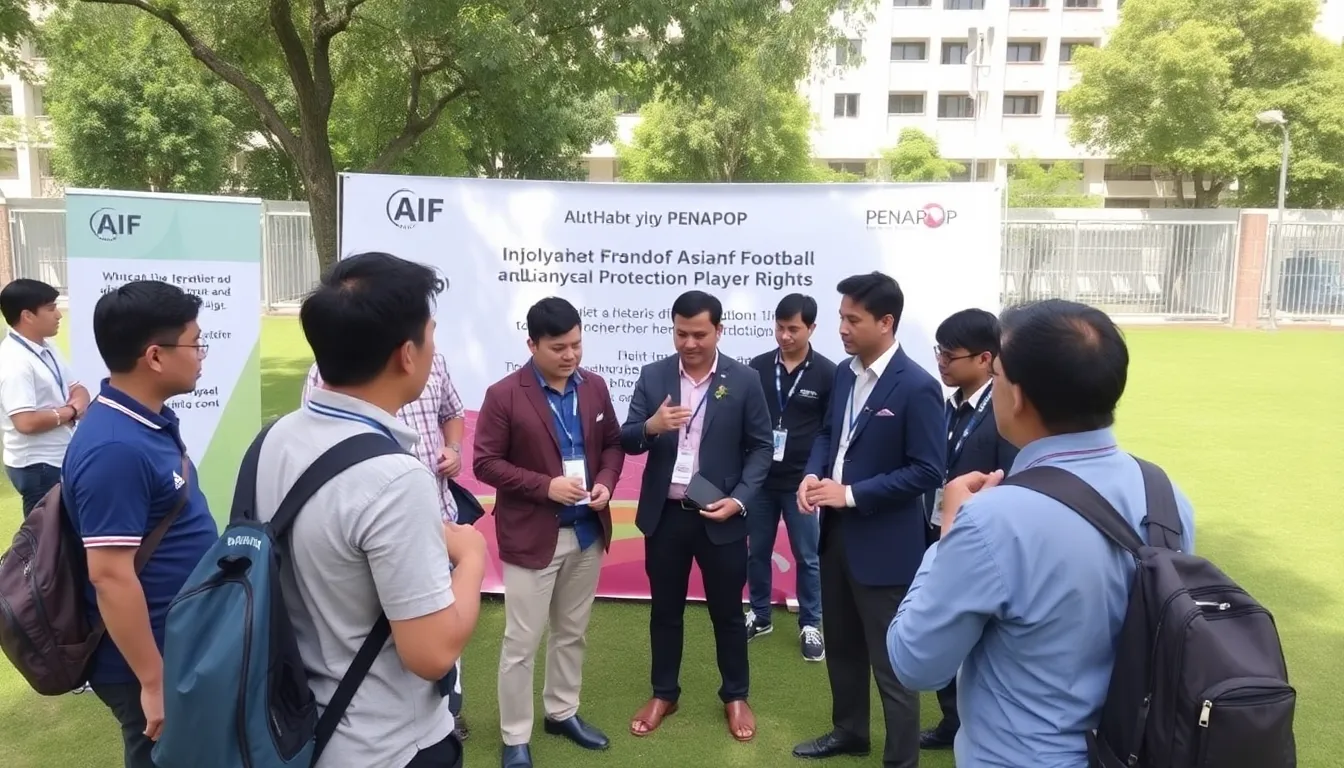
Historically, athletes have often found themselves at the mercy of federations and sponsors, with limited power to influence decisions that affect their careers and livelihoods. The establishment of organizations like FIFPRO and now the AIF represents a shift towards empowering athletes, ensuring that their rights are prioritized in negotiations and policy-making. This movement has gained momentum over the past few decades, particularly as athletes have become more vocal about issues such as fair pay, working conditions, and mental health.
The political landscape surrounding sports governance has also played a crucial role in this development. Increasing scrutiny of major sporting events and the organizations that run them has led to calls for greater transparency and accountability. The formation of the AIF can be seen as a response to these pressures, aiming to create a more equitable framework for athletes across various disciplines. This is particularly relevant in light of recent controversies surrounding athlete treatment and the handling of grievances within established federations.
Key milestones in athlete representation
Several key milestones have shaped the current state of athlete representation. The establishment of FIFPRO in 1965 was a groundbreaking moment, as it provided a global platform for football players to advocate for their rights. In recent years, we have seen the emergence of similar organizations across different sports, highlighting a growing trend towards collective bargaining and solidarity among athletes. The inclusion of Fenapaf in this context signifies an important step in broadening the reach and impact of these movements, particularly in Latin America, where athlete representation has historically faced significant challenges, akin to the ongoing review of competition reforms by the AFC.
Key stakeholders and implications of Fenapaf’s involvement
The recent decision by Fenapaf to join FIFPRO as a special observer amid the launch of the AIF has significant implications for various stakeholders in the football community. Fenapaf, which represents professional football players in Brazil, is now positioned within a larger international framework that advocates for players’ rights and welfare. This move symbolizes a commitment to enhancing the representation of players’ interests on a global scale.
Key stakeholders in this scenario include Fenapaf, FIFPRO, the newly established AIF, national football associations, and players themselves. Each of these entities has distinct interests and objectives that may intersect or conflict as developments unfold. Fenapaf aims to strengthen its influence and leverage FIFPRO’s resources to better advocate for Brazilian players. Meanwhile, FIFPRO seeks to unify and expand its global network, ensuring that players’ rights are protected across different leagues and countries.
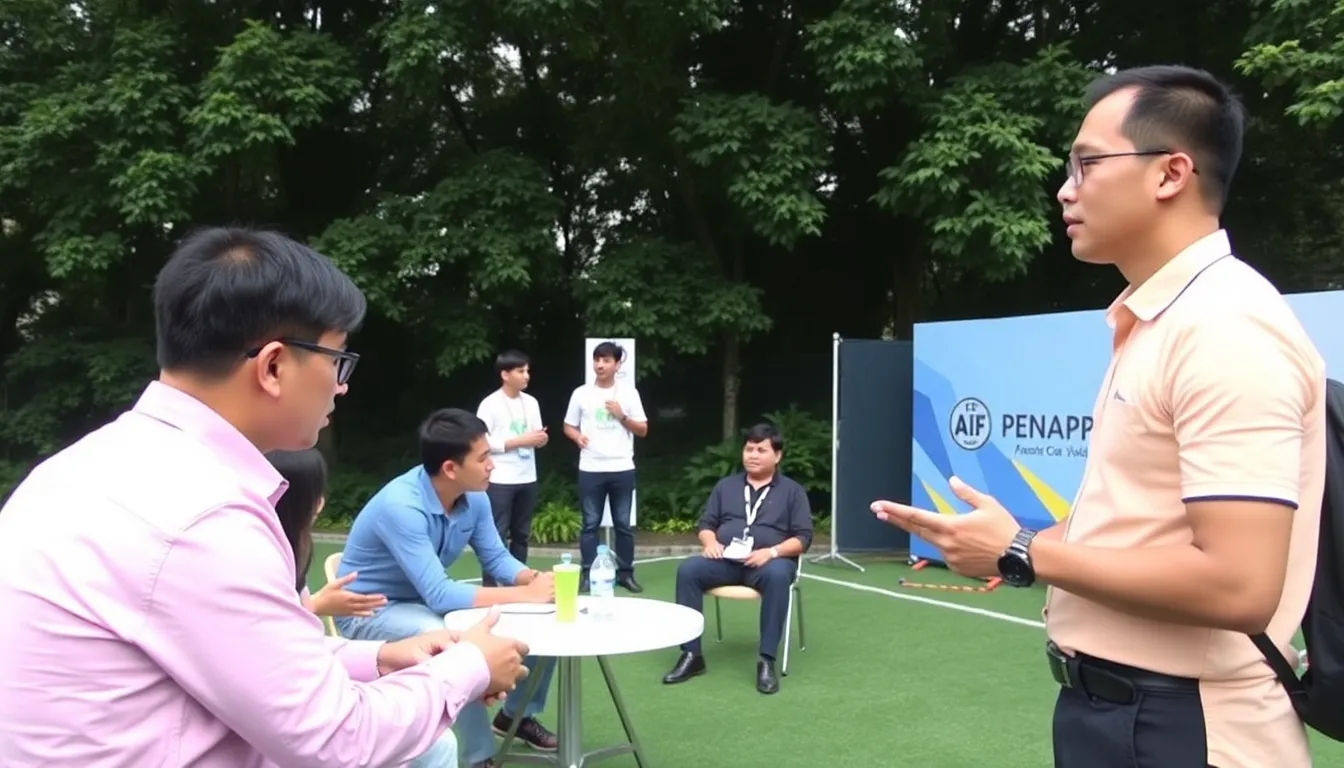
As the AIF launches, it brings forth a new layer of complexity. The AIF, which may represent alternative interests or governance structures, could pose challenges to established organizations like FIFPRO and Fenapaf. Potential conflicts may arise over governance, player representation, and the distribution of resources. The implications of these dynamics could reshape the landscape of player advocacy and rights protection.
- Resource Allocation: The emergence of the AIF may lead to competition for funding and support among organizations.
- Player Representation: Disparities in how players are represented across different organizations could create tensions.
- Legal Frameworks: The legal implications of the AIF’s policies may challenge existing agreements and contracts within football.
- Economic Interests: Financial interests of clubs and associations may conflict with players’ rights and welfare advocacy.
In conclusion, the involvement of Fenapaf in FIFPRO as a special observer during the AIF’s launch highlights the intricate web of relationships and interests that characterize the football industry. Stakeholders must navigate these complexities carefully to ensure that the rights of players are upheld while also addressing the emerging challenges posed by new entities like the AIF.
How this development affects athletes and sports organizations
The recent announcement of Fenapaf joining FIFPRO as a special observer coincides with the launch of the Athlete Investment Fund (AIF), signaling a pivotal moment for athletes, sports organizations, and related industries. This collaboration will primarily impact professional athletes across various sports, as well as the organizations that represent them. The integration of Fenapaf into FIFPRO’s structure is expected to strengthen the advocacy for athlete rights, particularly in regions where such protections have been historically weak.
In the short term, athletes may experience an increased focus on their welfare and rights, leading to enhanced support systems within their respective sports. This could manifest as improved contract negotiations and better representation in policy discussions. Sports organizations may also feel the pressure to align their practices with the new standards set by FIFPRO, potentially leading to shifts in governance and operational strategies.
Mid-term impacts could include a significant transformation in how sports organizations approach athlete management and representation. As Fenapaf’s influence grows within FIFPRO, we may see a more unified front advocating for better working conditions, fair pay, and mental health resources for athletes. This could also prompt a reevaluation of sponsorship and funding models, as organizations seek to align with the evolving expectations of athletes and their advocates.
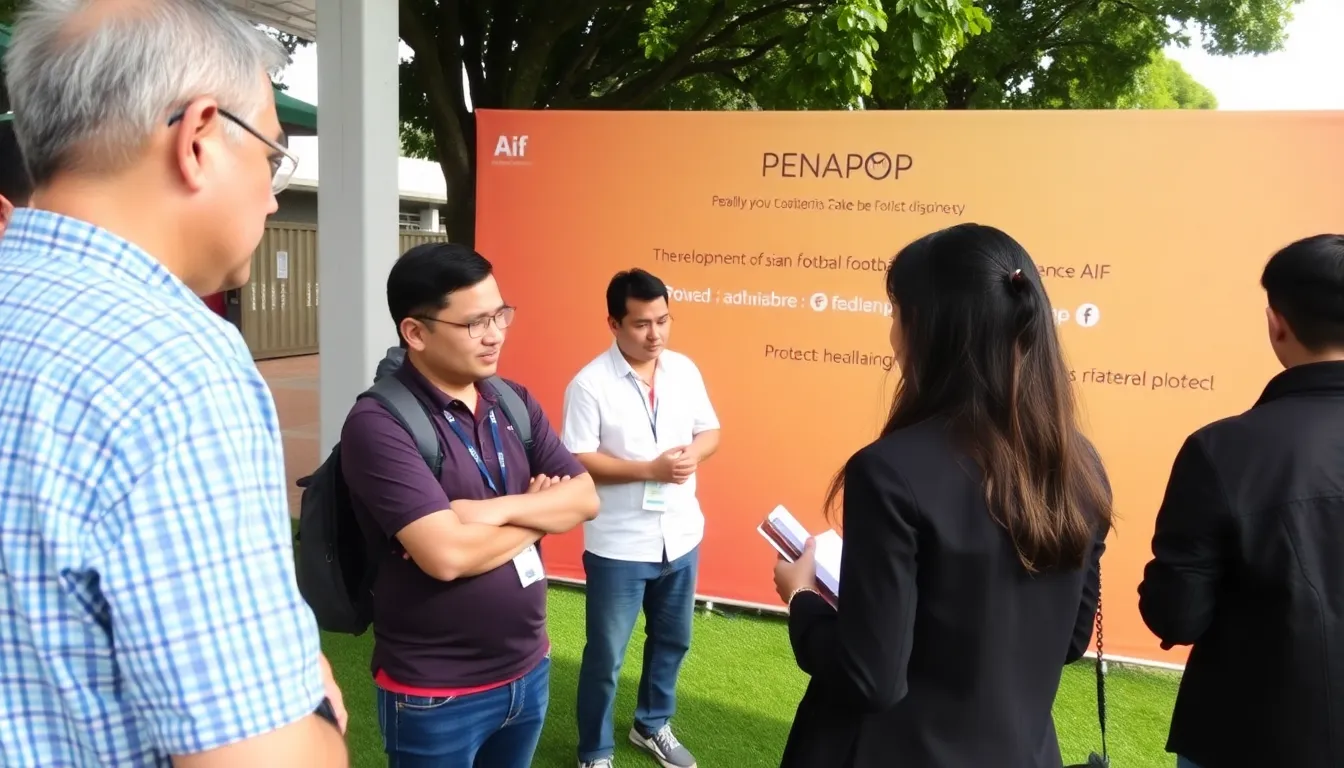
- Risks: Potential pushback from traditional sports organizations resistant to change.
- Opportunities: New partnerships and sponsorships focused on athlete welfare and development.
- Risks: Increased scrutiny on existing contracts and practices, leading to legal challenges.
- Opportunities: Enhanced visibility for athletes’ needs, attracting new investments in athlete-centric initiatives.
Overall, the collaboration between Fenapaf and FIFPRO heralds a new era for athlete representation and rights advocacy, with the potential to reshape the landscape of professional sports significantly. As these changes take root, both risks and opportunities will emerge, demanding careful navigation by all stakeholders involved.
A: Being a special observer allows Fenapaf to participate in discussions and decisions within FIFPRO, enhancing their influence in athlete representation. A: The AIF, or Athlete International Federation, aims to unify athlete voices globally, making its launch a pivotal moment for sports governance. A: Fenapaf’s involvement is expected to provide better support and advocacy for athletes’ rights, leading to improved conditions and representation. A: FIFPRO aims to collaborate with Fenapaf to strengthen athlete representation and ensure their interests are prioritized in sports policies. A: Key stakeholders include Fenapaf, FIFPRO, athletes, and sports organizations that will be affected by the changes in governance and representation.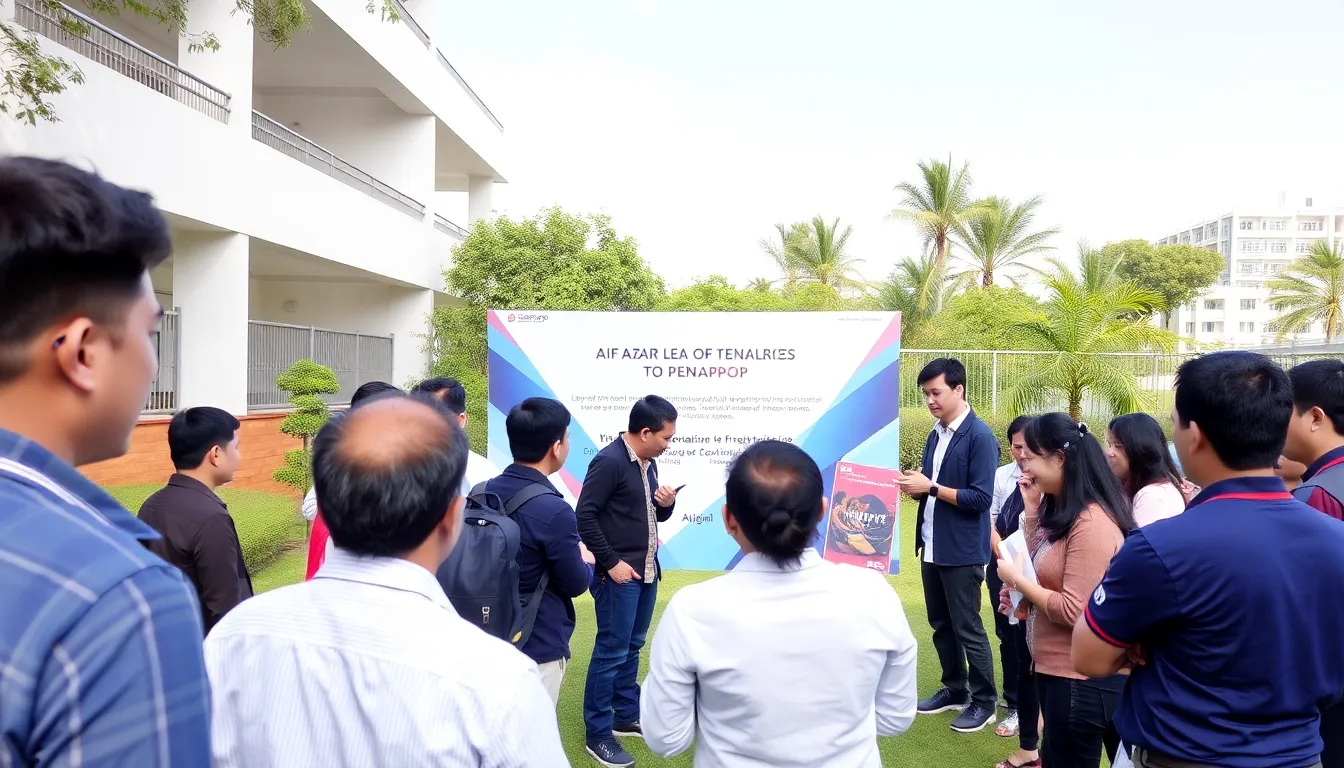
Frequently asked questions about Fenapaf and FIFPRO
Looking ahead: the future of athlete representation
The recent decision by Fenapaf to join FIFPRO as a special observer coincides with the launch of the Athlete’s International Federation (AIF), marking a significant shift in the landscape of athlete representation. This collaboration could lead to enhanced advocacy for players’ rights and interests on a global scale, setting a precedent for other unions and federations to follow. As the dynamics of sports governance evolve, the implications for athlete welfare and labor relations will be crucial to monitor.
As Fenapaf integrates into FIFPRO, the potential for increased solidarity among player unions worldwide may emerge, fostering a unified approach to addressing common challenges. The establishment of the AIF also introduces a new layer of complexity, as it aims to represent athletes’ interests across various sports, thereby amplifying the voice of athletes in decision-making processes. Observers should keep an eye on how these developments will influence negotiations, policy changes, and the overall power balance within the sports industry.
- Increased collaboration among player unions could lead to stronger collective bargaining strategies.
- The AIF’s role may redefine athlete representation across different sports, promoting a more unified front.
- Monitoring the outcomes of Fenapaf’s involvement with FIFPRO will provide insights into successful advocacy models.
- Expect potential shifts in governance structures as athlete representation gains prominence in policy discussions.
- Watch for emerging initiatives aimed at enhancing athlete welfare and rights on a global scale.