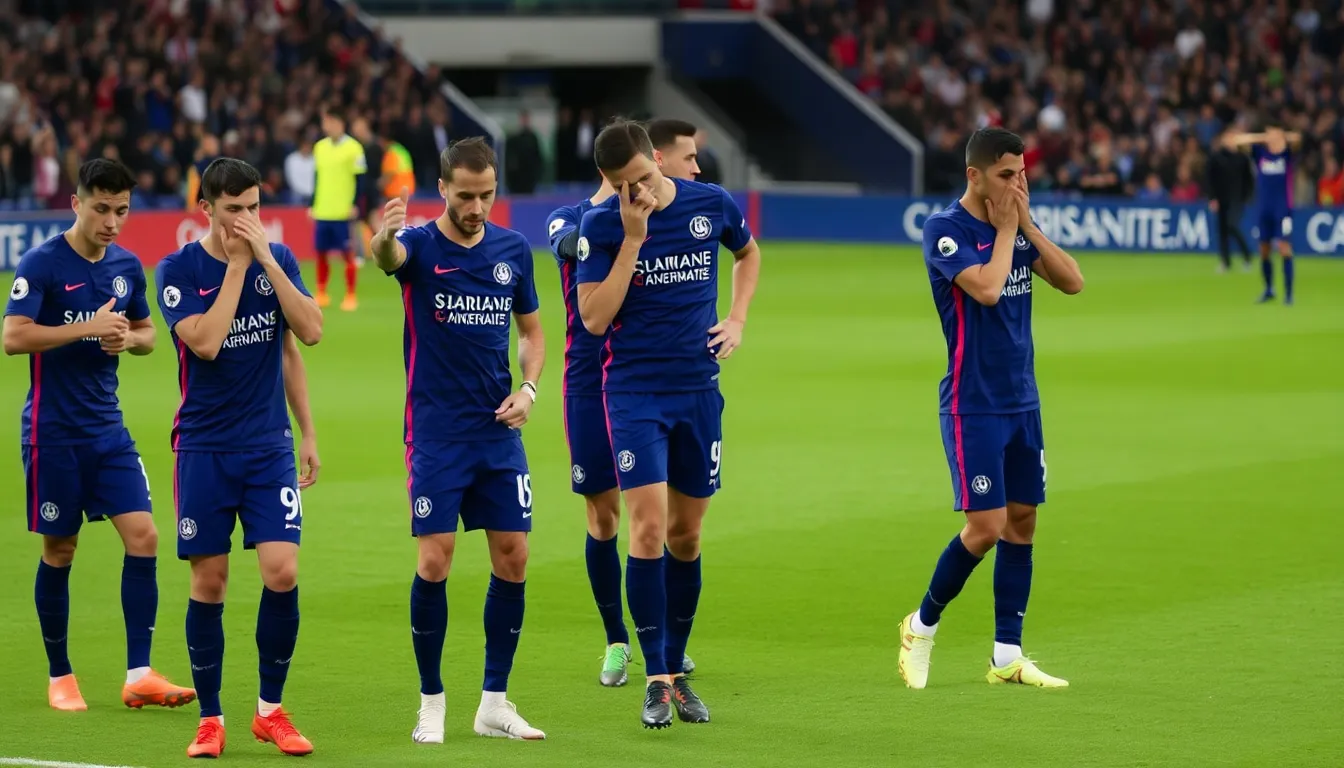
The match saw Chelsea dominate possession for large stretches, yet they were unable to convert their chances into goals. After leading 2-1, a series of defensive errors allowed PSG to capitalize and score two late goals, showcasing a lack of resilience from the Chelsea backline. This outcome not only affects their standing in the group stage but also raises questions about the team’s mental fortitude under pressure, especially as they prepare for their upcoming fixtures, such as their match against Tottenham.
As the season progresses, Chelsea’s inconsistency has become a focal point for fans and analysts alike. With key fixtures approaching, the team must address these late-game collapses to remain competitive in both domestic and European competitions. The defeat against PSG serves as a stark reminder of the challenges they face in regaining their form and confidence, similar to the issues Arsenal faced in their recent matches.
Understanding the background of Chelsea’s recent performance
The recent defeat of Chelsea against Paris Saint-Germain (PSG) is not just a reflection of a single match, but rather a culmination of various historical and contextual factors that have shaped the club’s trajectory. Chelsea, once a dominant force in European football, has faced a series of challenges that have impacted their performance on the pitch. These challenges range from managerial changes to financial constraints, all of which have contributed to the team’s inconsistent results in recent seasons.
Historically, Chelsea has enjoyed significant success since the early 2000s, winning multiple Premier League titles and the UEFA Champions League. However, the club’s fortunes began to wane in the wake of managerial instability and a series of high-profile player departures. The club’s ownership changes and the subsequent shifts in strategy have also played a crucial role in their recent struggles. The appointment of new managers often brings a change in philosophy, which can disrupt team cohesion and performance.
The political landscape surrounding football, particularly in relation to financial regulations, has also affected Chelsea. The introduction of Financial Fair Play (FFP) regulations aimed at promoting financial stability among clubs has forced teams like Chelsea to rethink their spending strategies. This has led to a reliance on developing younger talent rather than making significant marquee signings, which can take time to yield results on the field.
Key Milestones in Chelsea’s Recent History
Several key milestones have marked Chelsea’s recent history, influencing their current predicament. The club’s victory in the 2021 UEFA Champions League was seen as a resurgence, but it was followed by a period of uncertainty. The subsequent seasons saw fluctuating performances, with the team often struggling to maintain consistency in both domestic and European competitions, much like how Liverpool managed to rebound from past challenges.
Key issues affecting Chelsea’s performance against PSG
The recent defeat of Chelsea against Paris Saint-Germain (PSG) highlights several critical issues that not only impacted the match outcome but also reflect broader challenges facing the club. The primary actors involved include the players, coaching staff, club management, and the fans, each with distinct interests that intertwine in the context of performance and expectations.
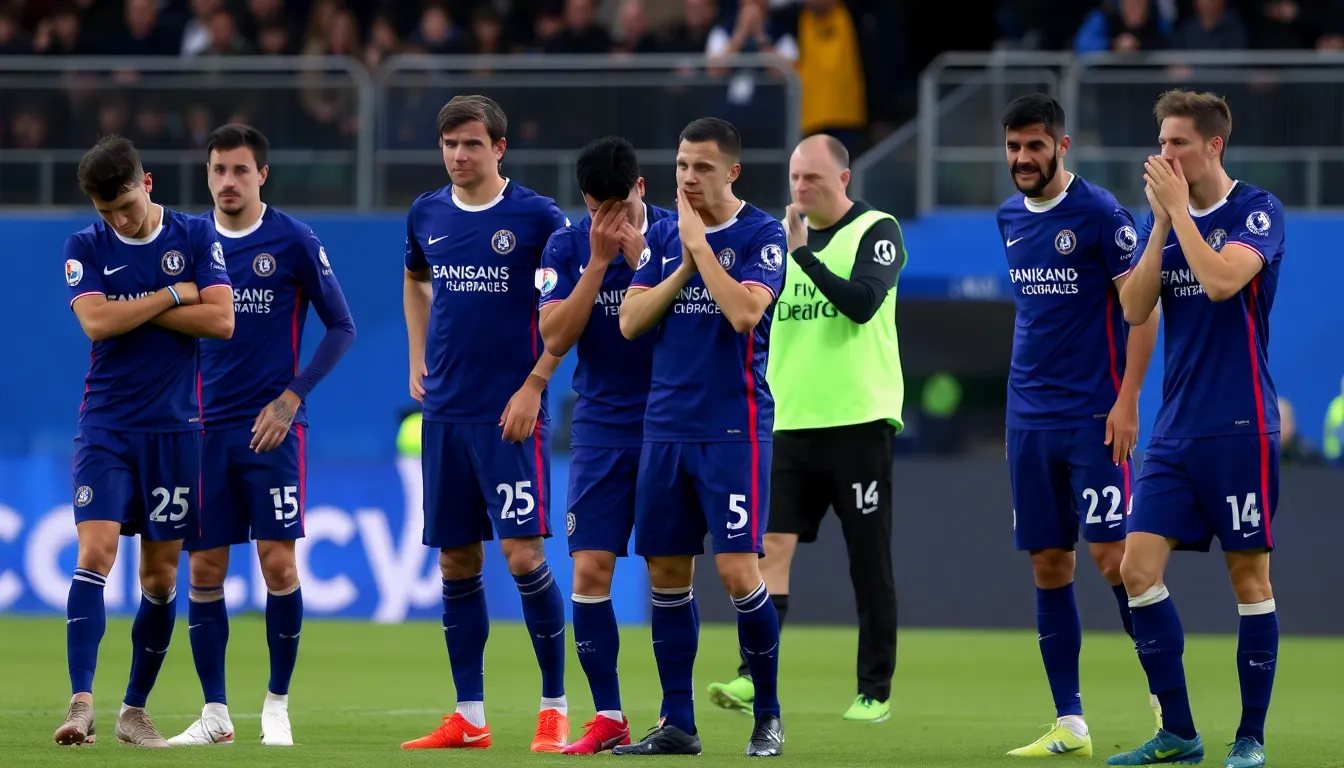
One of the most significant factors contributing to Chelsea’s late crumble was the tactical decisions made by the coaching staff. The strategy employed during the match, particularly in the latter stages, raised questions regarding the effectiveness of substitutions and player management. This reflects a larger concern regarding the club’s approach to high-pressure situations, which has been a recurring theme in their recent performances.
Moreover, the financial implications of this defeat cannot be overlooked. Clubs like Chelsea operate under immense economic pressures, particularly in the context of player acquisitions and wage bills. The potential loss of revenue from failing to progress in European competitions can have long-term ramifications for the club’s financial health. This creates a conflict between the immediate need for results and the strategic planning required for sustainable growth.
- Player Performance: Individual errors and lack of cohesion on the field contributed significantly to the defeat.
- Coaching Decisions: Tactical choices made during the match were criticized for lacking adaptability.
- Financial Stakes: The impact of this loss on Chelsea’s financial status and future investments in players.
- Fan Expectations: Growing discontent among fans regarding the team’s performance and management decisions.
In addition to these immediate concerns, the broader context of competition within European football adds another layer of complexity. Clubs like PSG, with their substantial financial backing, create an uneven playing field that challenges traditional powerhouses like Chelsea. This economic disparity influences not only match outcomes but also recruitment strategies and long-term planning for success.
The implications of this defeat for Chelsea and their supporters
The recent defeat of Chelsea against PSG has far-reaching implications not only for the team but also for its supporters, local businesses, and the broader football industry. Fans who have invested emotionally and financially in the club will feel the disappointment deeply, as this loss could affect their engagement and loyalty in the short term.
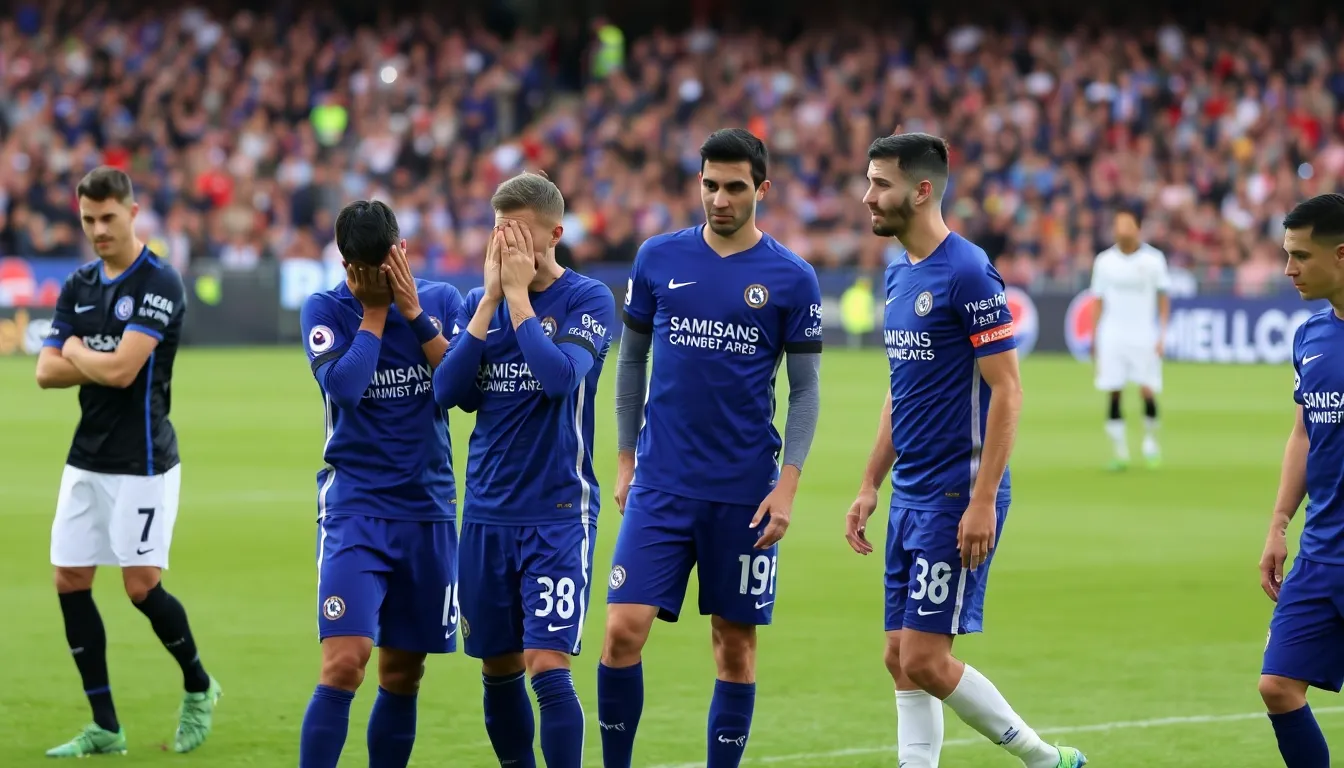
Local businesses that thrive on match days, including pubs, restaurants, and merchandise shops, may experience a downturn in sales. A significant defeat can dampen the enthusiasm of supporters, leading to fewer fans attending future matches and engaging in pre- and post-game activities. In the mid-term, this could result in a reevaluation of sponsorship deals and partnerships, as businesses assess the impact of team performance on their own bottom lines.
On a broader scale, the defeat may influence Chelsea’s standing in the league and their ability to attract top talent during transfer windows. Players may be less inclined to join a club perceived to be struggling, which could affect the team’s competitiveness. However, this situation also presents an opportunity for the club to reassess its strategies, potentially leading to a more robust recruitment and training program.
- Local businesses could see reduced foot traffic and sales.
- Fan engagement may decline, impacting merchandise sales.
- Potential reevaluation of sponsorships and partnerships.
- Opportunities for strategic reassessment and rebuilding.
- Impact on player recruitment and retention.
In the wake of this defeat, Chelsea’s management will need to navigate these challenges carefully, balancing the immediate emotional responses of their supporters with the long-term vision for the club’s success. The journey ahead will require resilience and strategic foresight to turn this setback into a stepping stone for future triumphs.
A: Chelsea’s loss can be attributed to a lack of focus and defensive errors in the final minutes of the match, allowing PSG to capitalize on their mistakes. A: This defeat may have significant implications for Chelsea’s confidence and standings in the league, potentially affecting their chances for future success. A: Fans have expressed disappointment and frustration over the team’s inability to maintain composure, calling for changes in strategy and player performance. A: Yes, upcoming matches against key rivals will be crucial for Chelsea to regain momentum and restore confidence within the team.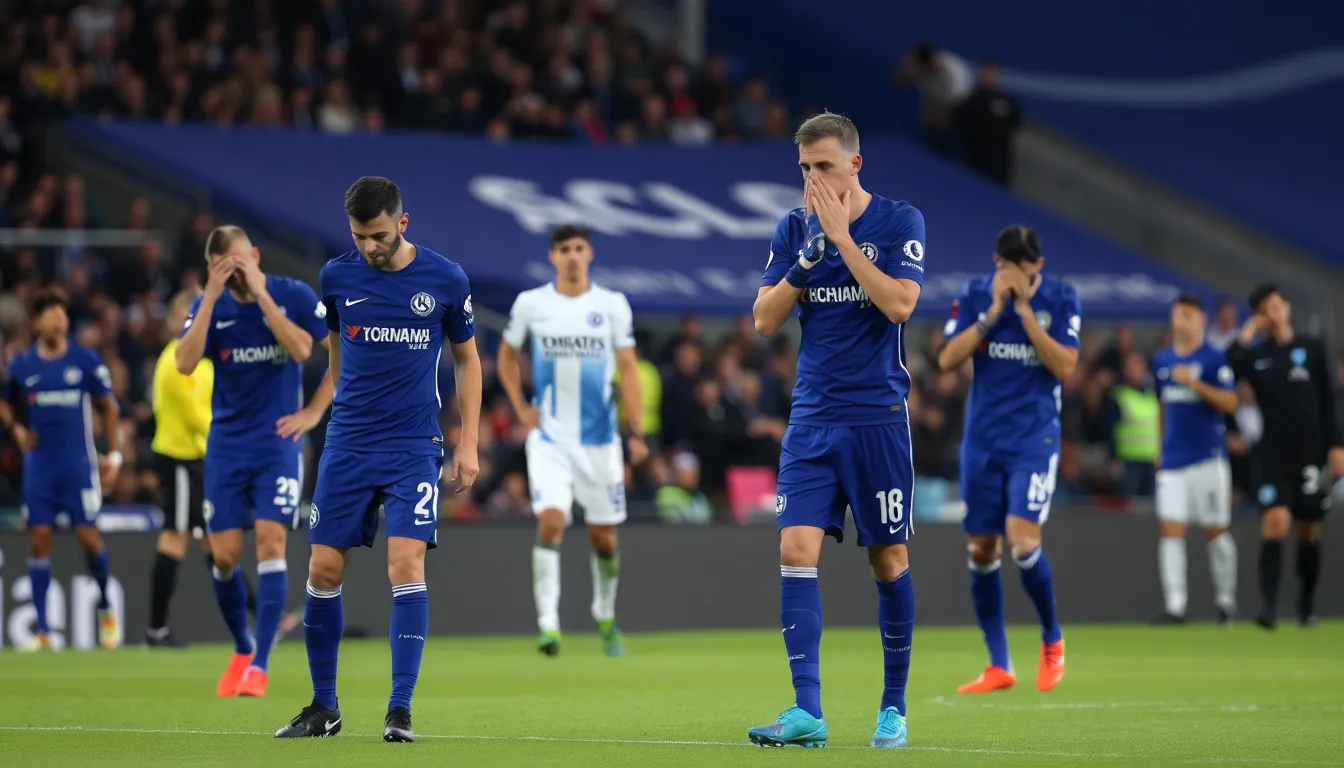
Frequently asked questions about Chelsea’s defeat
Key takeaways and future outlook for Chelsea
The recent defeat to PSG highlights significant challenges for Chelsea as they navigate a critical phase of the season. The inability to maintain composure in the closing moments of the match raises questions about the team’s mental resilience and tactical execution under pressure. Moving forward, addressing these vulnerabilities will be essential for the squad’s performance in both domestic and European competitions.
As Chelsea reflects on this setback, it becomes imperative to focus on strategic adjustments and player development. The coaching staff will need to analyze the match thoroughly to identify areas for improvement, particularly in defensive organization and late-game management. The upcoming fixtures will serve as a crucial test for the team’s ability to rebound and regain confidence.
- Monitor the team’s response in the next few matches to assess their mental fortitude.
- Evaluate potential tactical changes that could enhance late-game performance.
- Watch for player rotations or new signings that may impact squad dynamics.
- Consider the implications of this loss on Chelsea’s position in the league and European standings.
- Keep an eye on the development of younger players who may step up in challenging situations.