The incident occurred on October 15, 2023, during a World Cup qualifying match between Cameroon and Namibia. Eto’o was seen confronting match officials and displaying aggressive behavior, which has been widely criticized by fans and officials alike. The CAF’s disciplinary committee acted swiftly, emphasizing the need for sportsmanship and respect within the game.
This ban is significant as it not only affects Eto’o’s ability to participate in official matches but also raises questions about the governance of football in Cameroon. For more insights into sports governance, see our article on time-wasting by goalkeepers.
Furthermore, the decision highlights the ongoing challenges faced by football authorities in enforcing standards of conduct among their leaders. The CAF has reiterated its commitment to maintaining discipline and professionalism, which is vital for the growth and reputation of football across the continent.
Understanding the background of Eto’o’s misconduct
The recent four-game ban imposed on Samuel Eto’o, the president of the Cameroon Football Federation (FECAFOOT), by the Confederation of African Football (CAF) has stirred significant attention in the realm of African football. This incident is not merely an isolated event but rather a culmination of ongoing tensions within the governance of football in Cameroon, reflecting broader issues of leadership, accountability, and the challenges faced by sports federations in Africa.
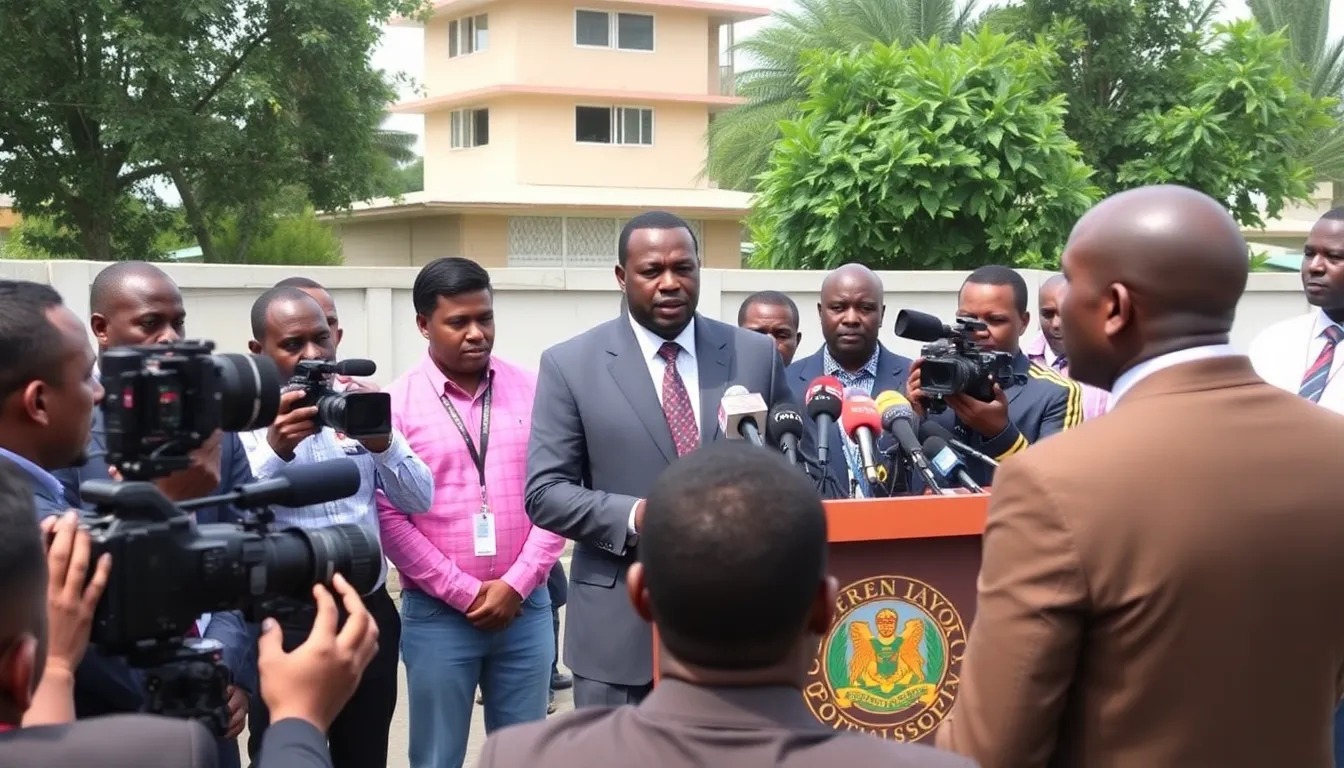
Historically, Cameroon has been a powerhouse in African football, producing world-class talents and achieving notable success on the continental stage. However, the administrative landscape has often been marred by conflicts and controversies, as discussed in our article on Sakai’s unforgettable walk-on.
In recent years, the relationship between football authorities and players has been strained, often resulting in protests and public outcry. Eto’o’s conduct, leading to his ban, is indicative of a broader pattern where high-profile figures in African football face scrutiny for their actions. Precedent cases, such as the suspension of other officials for similar reasons, highlight the ongoing struggle for integrity and respect within the sport’s governance.
Political and Social Implications
The political backdrop of this incident cannot be overlooked. Football in Cameroon is not just a sport; it is deeply intertwined with national identity and pride. The implications of Eto’o’s ban extend beyond the pitch, affecting public perception and the trust in football governance. As a former player with immense popularity, his actions and the subsequent consequences resonate widely, impacting both fans and aspiring athletes. This situation underscores the need for accountability among sports leaders, as their decisions have far-reaching effects on the sport’s integrity and the nation’s morale.
Analyzing the implications of Eto’o’s actions on football governance
The recent decision by the Confederation of African Football (CAF) to impose a four-game ban on Samuel Eto’o, the president of the Cameroon Football Federation, underscores the complex dynamics at play within football governance. Eto’o’s actions, which led to this disciplinary measure, have sparked discussions about leadership accountability and the standards expected from officials in high-ranking positions.
Key stakeholders in this scenario include Eto’o himself, the Cameroon Football Federation, CAF, and the broader football community in Africa. Eto’o, as a prominent figure in football, has a vested interest in maintaining his reputation and the integrity of the sport in Cameroon. Meanwhile, CAF aims to uphold its regulations and ensure that all officials adhere to the conduct standards necessary for the game’s governance.
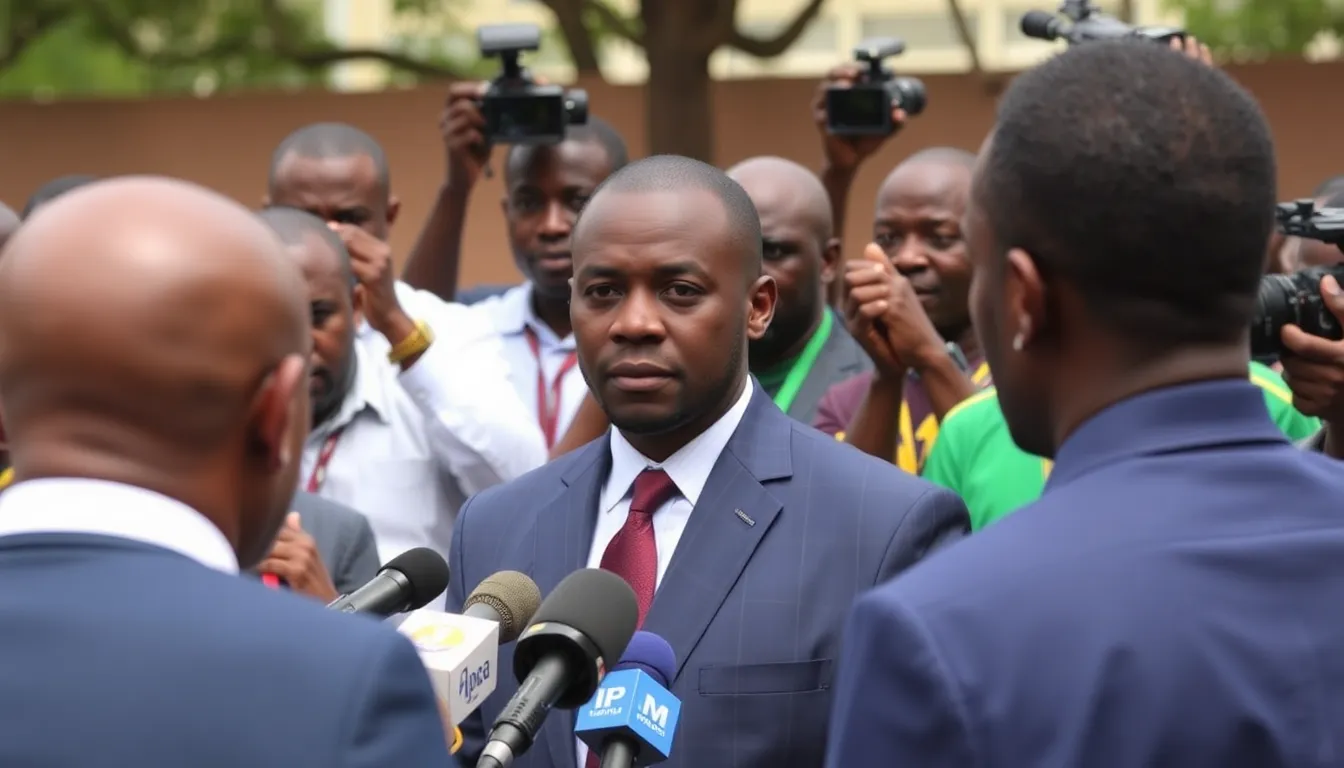
Conflicts arise as Eto’o’s ban may be perceived as a challenge to his authority and leadership within the Cameroon Football Federation. This situation places him at odds with CAF’s regulatory framework, which seeks to enforce discipline and uphold the integrity of the sport. The trade-offs involved include the potential impact on Cameroon’s national football programs and the public’s perception of the federation’s leadership capabilities.
- Leadership Accountability: The ban raises questions about the responsibilities of football officials and the consequences of their actions.
- Impact on Governance: Eto’o’s suspension could lead to a reevaluation of governance practices within the Cameroon Football Federation.
- Public Perception: The incident may influence how fans and stakeholders view the integrity of football leadership in Africa.
- Legal Repercussions: Eto’o may explore legal avenues to contest the ban, highlighting the complexities of sports law.
- Economic Considerations: The ban could have financial implications for the federation, especially if it affects sponsorships or national team performance.
Impact of the ban on Eto’o and the Cameroon Football Association
The recent four-game ban handed to Samuel Eto’o by the Confederation of African Football (CAF) has significant implications for various stakeholders within the football community in Cameroon. The immediate parties affected include the Cameroon Football Association (FECAFOOT), the national team players, coaching staff, and the broader football fanbase. Additionally, local businesses that rely on football-related activities may also feel the repercussions; for further details, check our coverage on eToro’s partnership with AS Monaco.
In the short term, the ban could disrupt the operations of FECAFOOT as it navigates the leadership void created by Eto’o’s absence. This could lead to delays in decision-making processes regarding team selections and preparations for upcoming matches. For players, the impact may be felt in terms of morale and performance, as they may need to adjust to a new leadership dynamic during a crucial period.
Mid-term effects could include a shift in public perception of the Cameroon national team and its management. If the team struggles in the absence of Eto’o’s leadership, it may lead to a decline in fan support and attendance at matches, affecting ticket sales and local business revenue tied to game day activities. Moreover, the ongoing uncertainty may prompt discussions about governance and accountability within FECAFOOT, potentially leading to policy changes.
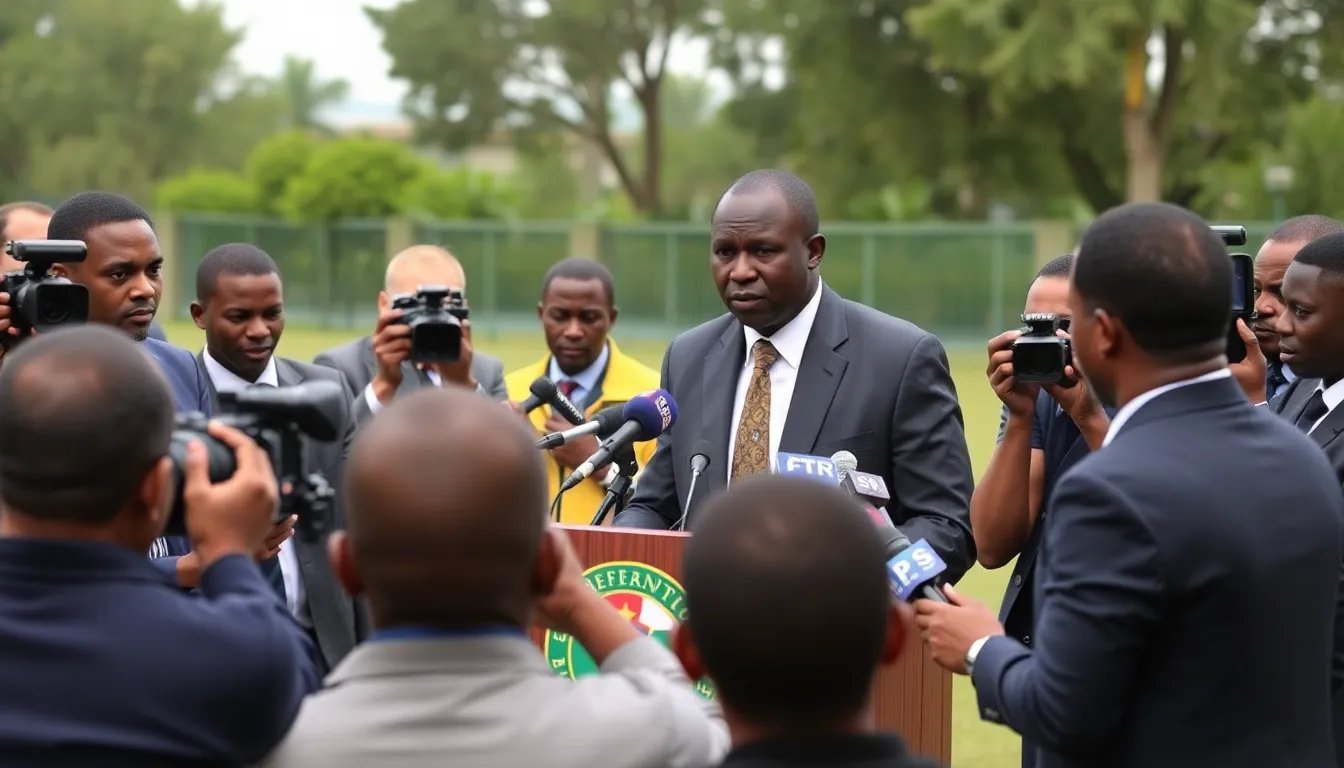
- Risks: Decreased team performance, loss of fan engagement, and potential financial strain on local businesses.
- Opportunities: Chance for new leadership to emerge, potential reforms in FECAFOOT, and increased focus on youth development programs.
Ultimately, while the ban poses challenges, it also opens doors for potential growth and restructuring within the Cameroon football landscape, which could lead to long-term benefits if managed effectively.
A: Samuel Eto’o was banned for four games due to his inappropriate conduct during a recent match, which violated CAF’s code of conduct. A: The ban will prevent Eto’o from participating in official matches, impacting his ability to influence football governance in Cameroon during this period. A: The ban is set for four games, which will be enforced in the upcoming matches involving the Cameroon national team. A: As of now, Eto’o has not publicly commented on the ban, but it is expected that he will address the issue soon. A: The Cameroon FA may face scrutiny over its leadership and governance practices, especially in light of Eto’o’s actions.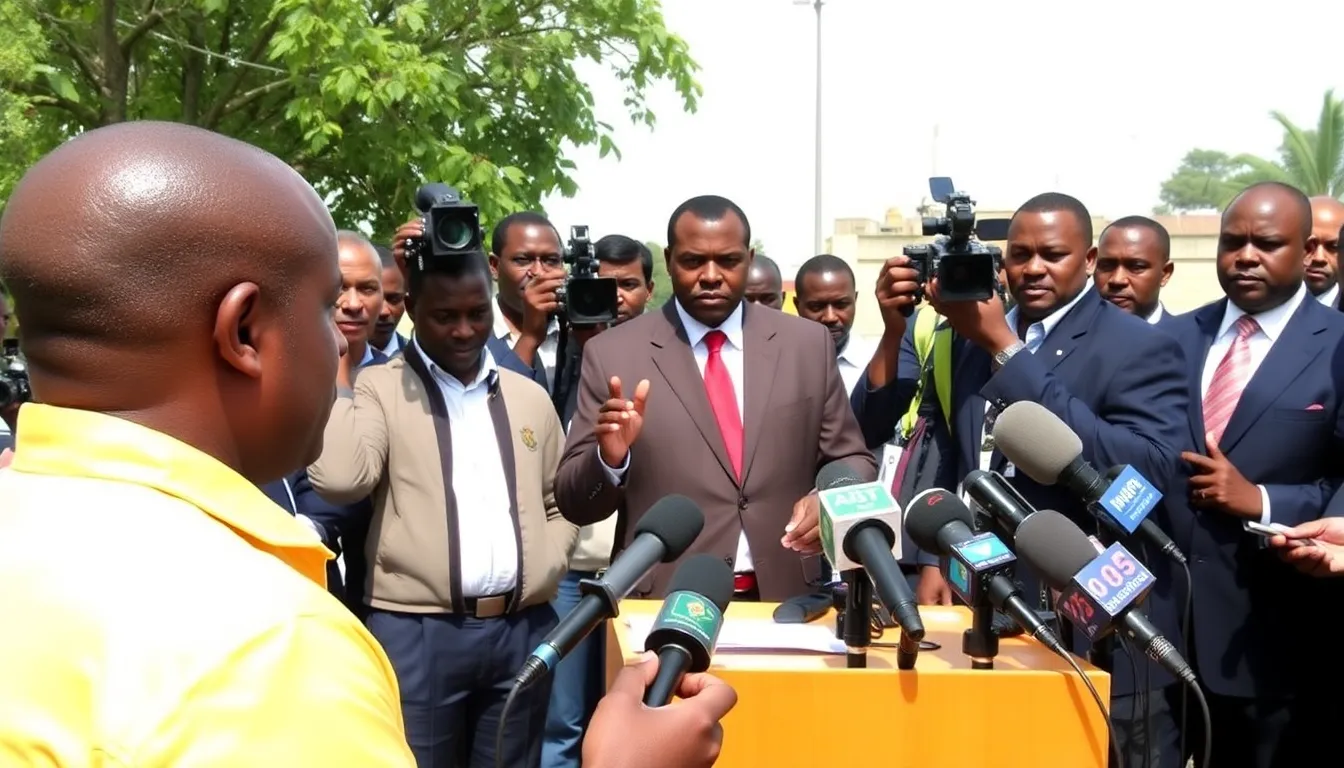
Frequently Asked Questions about the ban
Key takeaways and future outlook on Eto’o’s ban
The recent decision by CAF to impose a four-game ban on Samuel Eto’o underscores the growing emphasis on sportsmanship and discipline within African football. This action not only reflects the governing body’s commitment to maintaining high standards of conduct among officials but also sets a precedent for accountability at all levels of the sport. Eto’o’s leadership role as the Cameroon FA chief adds another layer of complexity, as his actions are closely scrutinized and can influence the perception of football governance in the region.
Looking ahead, the ramifications of this ban extend beyond Eto’o himself. It will be crucial to observe how this situation impacts the morale and performance of the Cameroon national team, as well as the broader implications for leadership within football associations across Africa. The response from both players and fans will also be telling, as they navigate the balance between supporting their leader and upholding the integrity of the sport.
- The ban may lead to a shift in leadership dynamics within the Cameroon FA, prompting potential changes in strategy and governance.
- Stakeholders will be watching how the national team performs in Eto’o’s absence, which could affect team cohesion and morale.
- This incident may encourage other football associations to enforce stricter codes of conduct for their officials.
- Fan reactions could influence future decisions by CAF regarding disciplinary actions and the expectations placed on football leaders.
- Continued scrutiny on Eto’o’s actions will highlight the importance of ethical leadership in sports, potentially shaping future policies within CAF.