Some supporters have praised the mural for its vibrant colors and dynamic portrayal of the player, viewing it as a tribute to Robertson’s contributions on the field. Many fans took to social media to express their admiration, highlighting how the mural enhances the atmosphere around Anfield. The mural was officially unveiled on October 15, 2023, coinciding with a home match day, further amplifying its visibility.
Conversely, critics have voiced concerns regarding the mural’s artistic execution and its impact on the neighborhood’s aesthetic. Some local residents argue that the mural does not align with the surrounding architecture and could detract from the area’s historical charm. This divide has sparked discussions about the role of public art in urban settings and how it reflects community values.
The mixed reactions to the mural are indicative of a larger conversation about how sports culture intersects with local identity. As Liverpool FC continues to celebrate its heroes, the community grapples with balancing modern expressions of fandom with the preservation of its heritage. As the mural stands, it serves as both a celebration of a beloved player and a point of contention among locals.
Recommended Articles
Understanding the significance of murals in football culture
Murals have long been a significant aspect of football culture, serving as powerful symbols of community identity, pride, and history. In cities like Liverpool, where football is deeply intertwined with local heritage, these artistic expressions often celebrate legendary players, memorable matches, and the passionate fanbase that supports the clubs. The recent unveiling of the Andy Robertson mural at Anfield has reignited discussions about the role and impact of such artworks within the football community.
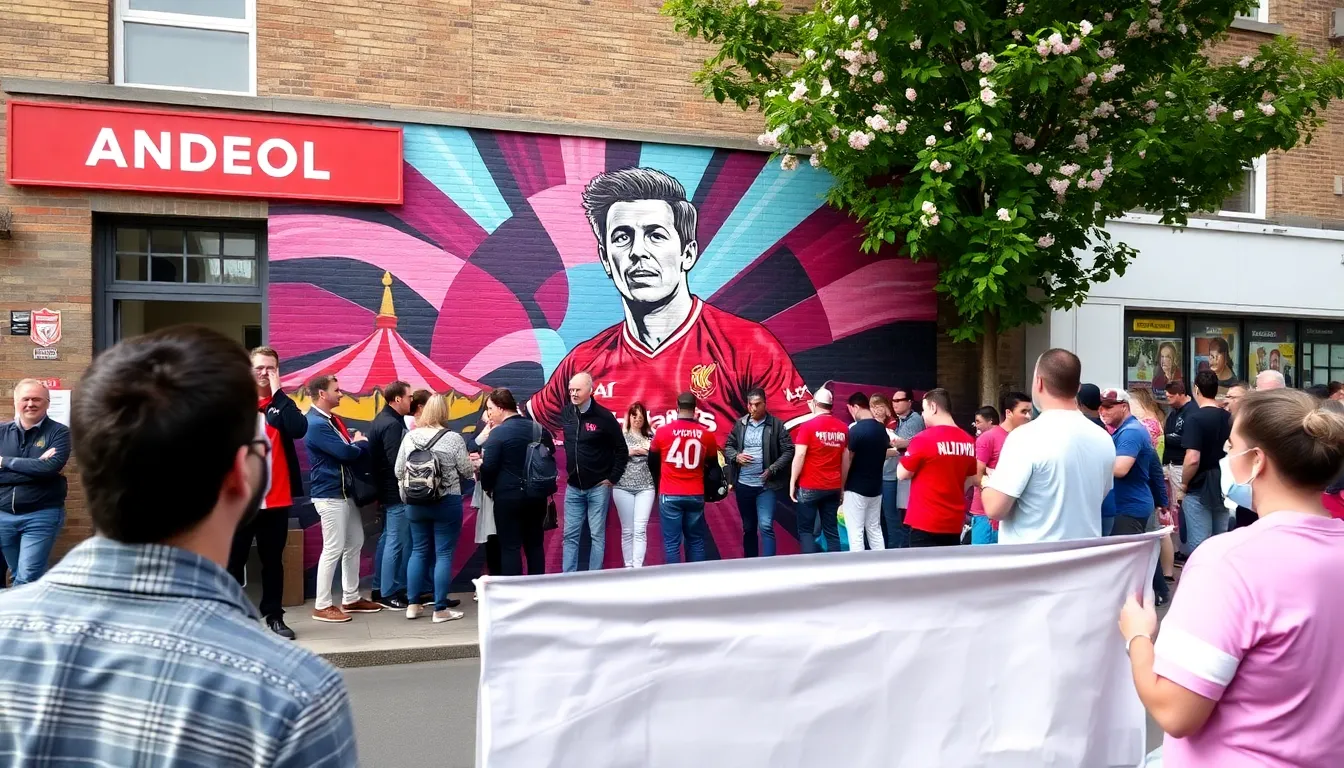
Historically, murals in football have been used to commemorate achievements and honor iconic figures. For instance, the famous mural of Bill Shankly, a revered manager of Liverpool FC, stands as a testament to his lasting influence on the club and its supporters. Similarly, murals dedicated to players like Steven Gerrard and Kenny Dalglish not only pay homage to their contributions but also serve as a visual representation of the club’s legacy.
In recent years, the rise of social media has transformed how these murals are perceived and discussed. Fans can now share their views and reactions instantly, leading to a more polarized response to new artworks. The Andy Robertson mural has sparked debate among supporters, with some praising its artistic merit and others questioning its necessity or relevance. This division reflects broader conversations about how football culture evolves and how fans engage with their club’s history.
The economic and social implications
The creation of murals can also have economic implications for local communities. They often attract tourists and fans, contributing to the local economy through increased foot traffic and spending in nearby businesses. However, the controversy surrounding the Andy Robertson mural highlights the delicate balance between artistic expression and community sentiment. As clubs look to enhance their image and engage with fans, the responses to such projects can influence future decisions regarding the representation of players and events in public spaces.
Debate over artistic representation and fan sentiments
The unveiling of the new Andy Robertson mural near Anfield has sparked a diverse range of opinions among fans, artists, and the broader Liverpool community. While many celebrate the artistic tribute to the beloved player, others express concerns regarding its artistic merit and the implications of such public displays.
Key stakeholders in this debate include local artists, Liverpool FC supporters, and the city council. Local artists may see the mural as a representation of the club’s culture and identity, while some fans argue that it oversimplifies the contributions of players to the club’s legacy. The city council, on the other hand, must balance artistic expression with community standards and public sentiment.
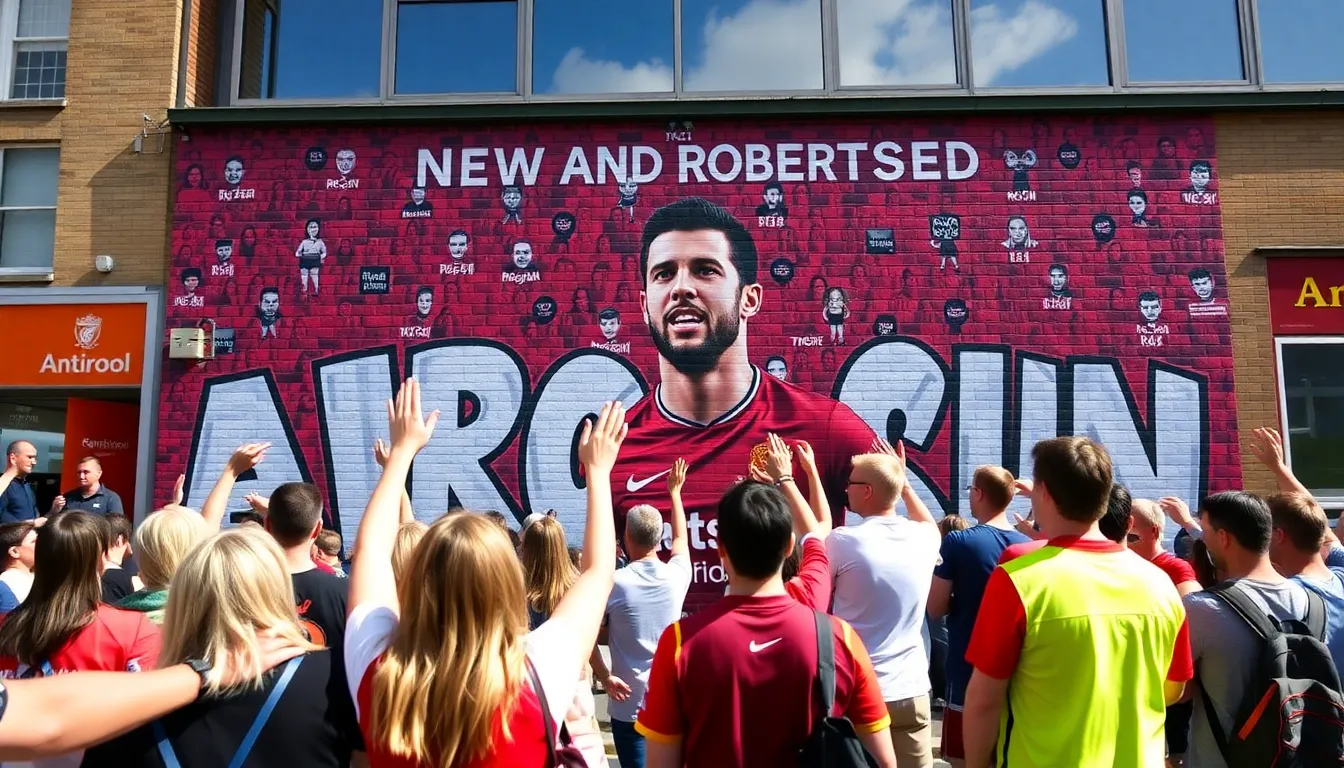
Conflicts arise when considering the varying interpretations of the mural’s significance. For some, it embodies pride and unity, while others view it as a distraction from the club’s more pressing issues, such as player contracts and performance on the pitch. Additionally, the economic implications of such artworks can be significant, as they may attract tourism and boost local businesses but could also divert funds from other community projects.
- Artistic Representation: The quality and style of the mural are debated, with opinions varying from admiration to criticism.
- Fan Sentiment: Different factions of the fanbase express contrasting views on whether the mural truly honors Robertson’s contributions.
- Economic Impact: The potential for increased foot traffic and tourism versus the cost of public art projects.
- Cultural Significance: The mural’s role in shaping the identity of Liverpool FC and its community.
- Public Funding: Discussions surrounding the use of public funds for art installations and the priorities of local government.
As these discussions unfold, it becomes clear that the mural is more than just a piece of art; it is a focal point for broader conversations about identity, representation, and the future of public art in the community.
How the mural influences fan engagement and local community
The unveiling of the new Andy Robertson mural at Anfield has sparked a lively debate among fans and local residents. While many see it as a celebration of the Liverpool FC star, others question its placement and significance. This divide touches various groups, including football fans, local businesses, and community organizations.
In the short term, the mural is expected to enhance fan engagement, drawing visitors to the area and potentially increasing foot traffic for local businesses. Pubs, shops, and restaurants around Anfield may experience a surge in customers as fans flock to take photos and celebrate their team’s icon. This increased activity can lead to a boost in sales and heightened community spirit.
However, there are risks associated with the mural’s controversial nature. Some local residents express concerns about the commercialization of public spaces and the potential for graffiti or vandalism. Additionally, the mural could polarize the community, leading to tensions between supporters and detractors, which may affect local events and gatherings.
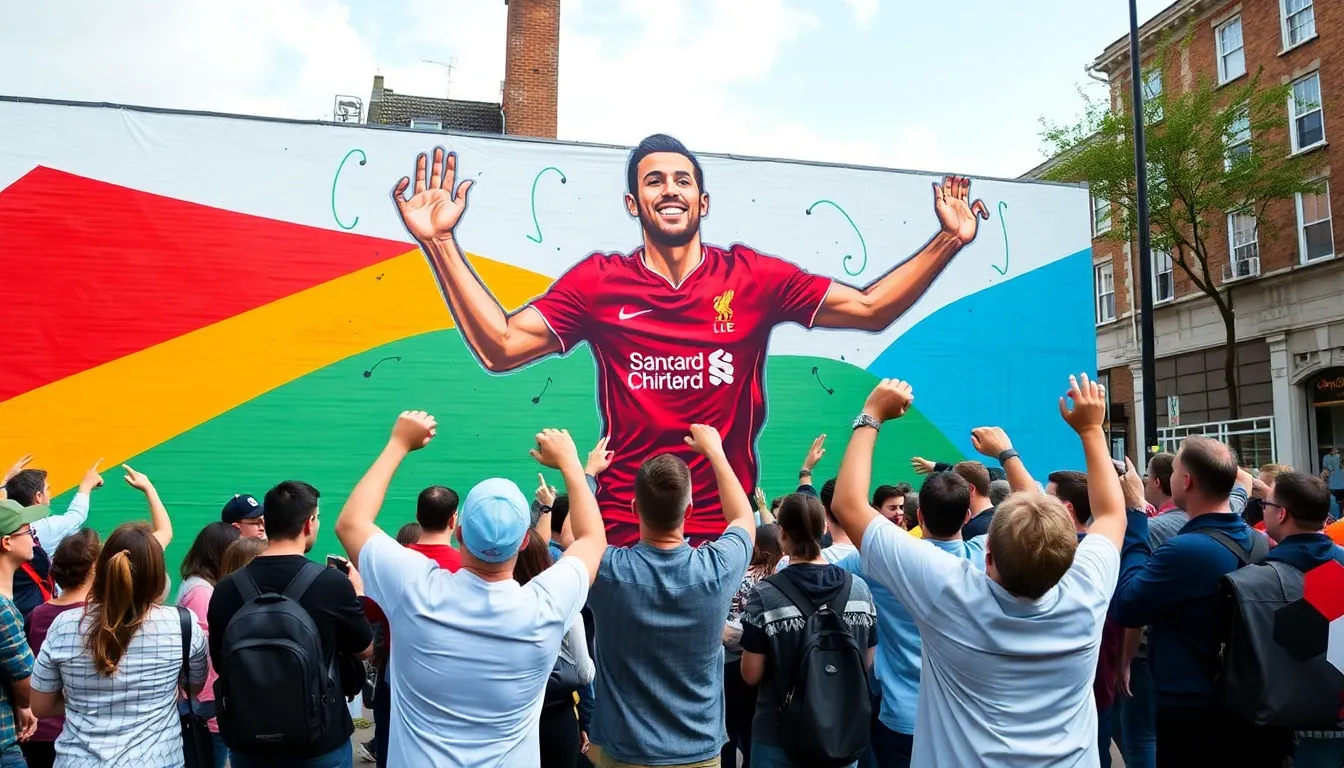
In the mid-term, the mural could serve as a catalyst for community engagement initiatives. Local organizations might leverage the mural to host events, such as guided tours or community art projects, fostering a sense of unity among fans and residents. This could also create opportunities for local artists to showcase their work in conjunction with the mural.
- Increased foot traffic for local businesses.
- Potential for community events centered around the mural.
- Risks of vandalism or community division.
- Opportunities for local artists and engagement initiatives.
A: The mural aims to celebrate Andy Robertson’s contributions to Liverpool FC and to enhance the visual appeal of Anfield. It serves as a tribute to his dedication and success with the team. A: Some fans appreciate the artistic representation and its homage to a key player, while others feel it distracts from traditional club symbols or that it should represent a different player. A: The mural was designed by a local artist and involved community input to ensure it resonated with fans. The process included several stages of design and approval before its unveiling. A: The mural is located at Anfield, easily visible from various points around the stadium. Fans can take photos and enjoy the artwork during match days or tours. A: Yes, the mural has been featured in various sports news outlets and social media platforms, highlighting both the artistic aspect and the fan reactions surrounding it.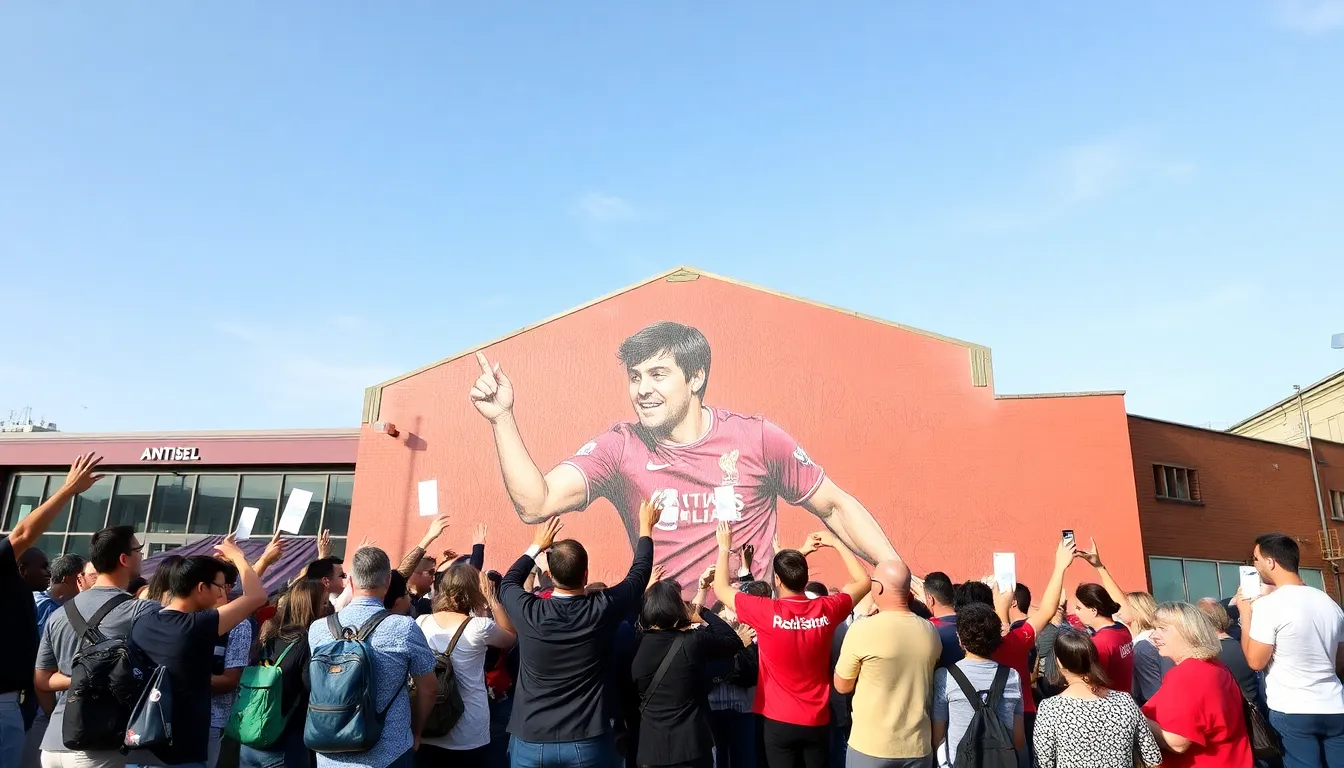
Frequently asked questions about the Andy Robertson mural
Looking ahead at the impact of the mural on Liverpool’s culture
The unveiling of the new Andy Robertson mural has sparked a lively debate among fans and the local community, highlighting the diverse opinions surrounding public art and its role in representing cultural icons. While some celebrate the mural as a testament to Robertson’s contributions to Liverpool FC, others question the necessity and artistic merit of such displays. This divide reflects broader themes in how communities engage with their sporting heroes and the narratives they choose to amplify.
As discussions continue, the mural’s presence is likely to influence both local identity and tourism. Its visibility from the air adds a unique dimension, potentially attracting more visitors to the area and encouraging further artistic endeavors that celebrate the club’s legacy. Observing the evolving reactions will provide insights into how public art can shape community sentiment and pride.
- The mural may enhance Liverpool’s cultural tourism, drawing fans eager to capture the iconic image.
- Community discussions could lead to more public art projects that celebrate local sports figures.
- The ongoing debate may influence future decisions regarding public funding for art in the city.
- Fan engagement with the mural could foster a deeper connection to the club and its history.
- Artistic interpretations of sports figures may evolve, reflecting changing societal values and aesthetics.