One of the key issues stems from the historical tensions between Saudi Arabia and Iraq, which have influenced their diplomatic relations. Recent developments, including Iraq’s efforts to strengthen ties with other Gulf nations, have added layers of complexity to the situation. The World Cup, a global platform, has become a focal point for these nations to showcase their national pride, further intensifying the discussions surrounding flag representation. For more context on regional dynamics, you can read about the Iran situation.
Moreover, FIFA’s regulations regarding flag displays at international events have come under scrutiny. In the lead-up to the tournament, FIFA has emphasized the importance of inclusivity and representation, yet the absence of these two flags has raised questions about the criteria used for such decisions. Stakeholders from both countries are advocating for a reevaluation of these policies to ensure fair representation, reminiscent of recent debates in football governance.
As the World Cup continues, the implications of this situation extend beyond mere symbolism. The visibility of national flags can impact diplomatic relations and public perception, making it a significant issue for both Saudi Arabia and Iraq. The outcome of this debate may set a precedent for future international sporting events, influencing how nations are represented on the world stage.
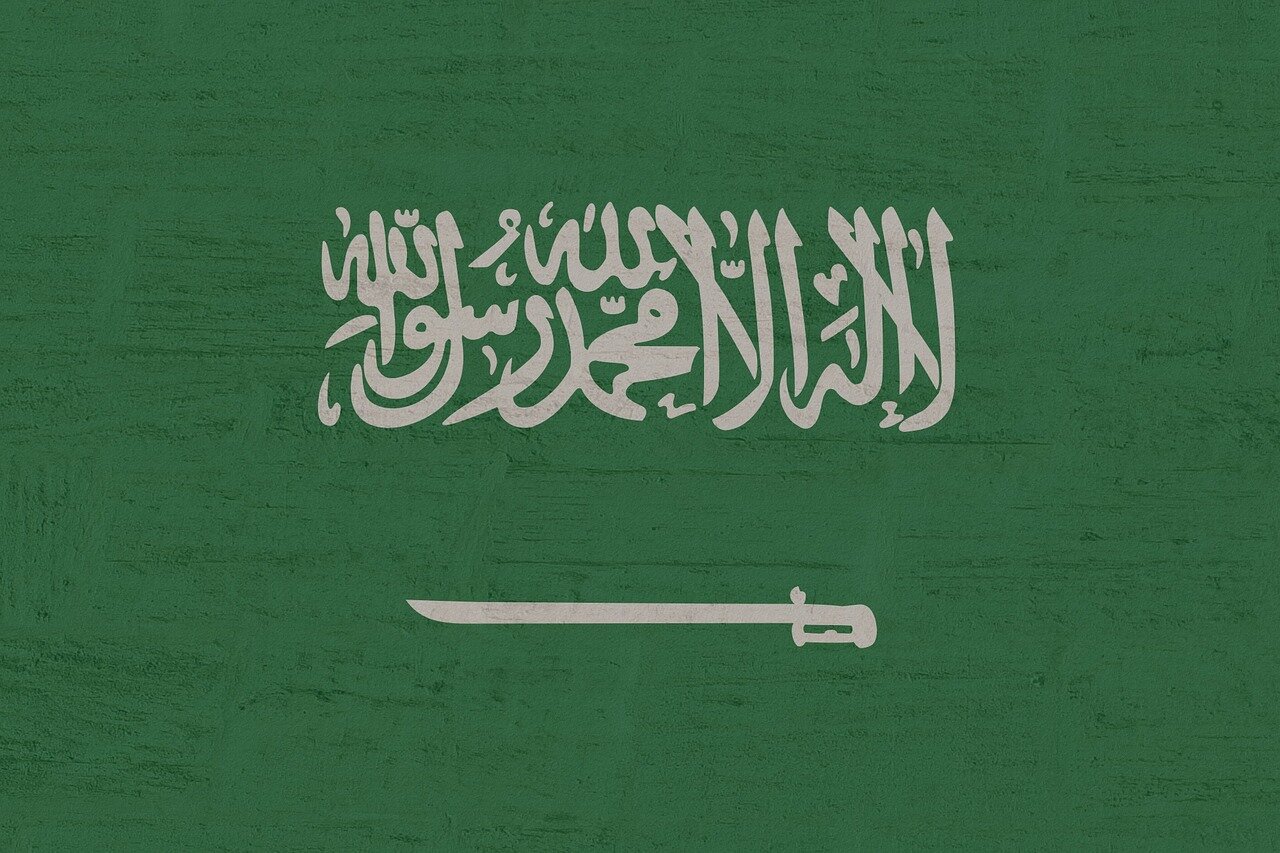
Historical Context of Flag Representation in International Sports
The representation of national flags in international sports events has long been a symbol of national pride and identity. However, the decision to display or withhold certain flags often reflects deeper historical and political tensions between nations. In the case of Saudi Arabia and Iraq, the absence of their flags at the World Cup highlights a complex interplay of historical grievances and contemporary geopolitical dynamics.
The relationship between Saudi Arabia and Iraq has been shaped by a series of conflicts and rivalries, particularly since the late 20th century. The Iran-Iraq War in the 1980s, the Gulf War in the early 1990s, and ongoing sectarian tensions have created a backdrop of distrust. These historical events have fostered a competitive atmosphere in which both nations seek to assert their dominance in the region, often leading to the exclusion of each other in various international forums.
Moreover, the political landscape in the Middle East has been fluid, with alliances shifting frequently. The rise of extremist groups and the subsequent fight against them have further complicated relationships. Saudi Arabia’s strategic partnerships with Western nations, contrasted with Iraq’s historical ties to Iran, have influenced how each nation is perceived on the global stage. This has resulted in a reluctance to showcase their flags together, as it may signal an unintended endorsement of the other’s political stance.
Economic Factors Influencing Flag Representation
The economic rivalry between Saudi Arabia and Iraq also plays a significant role in their international representation. Both nations are major players in the oil market, and competition for economic supremacy has led to a cautious approach in bilateral relations. The World Cup, being a high-profile global event, is viewed through the lens of economic interests, where each nation aims to project a favorable image while avoiding any association with the other that could undermine its own economic position.

In conclusion, the absence of the Saudi and Iraqi flags at the World Cup is not merely a matter of sportsmanship but a reflection of a long-standing historical context marked by conflict, political rivalry, and economic competition. Understanding these underlying factors provides insight into why certain national symbols are not displayed together in international arenas.
Key Stakeholders and Issues Surrounding Flag Representation
The absence of the Saudi Arabian and Iraqi flags at the World Cup has drawn attention to a complex interplay of stakeholders, each with their own interests and motivations. The primary actors in this scenario include FIFA, the governing body of international football, the respective national governments of Saudi Arabia and Iraq, and the broader football community, including fans and players. For insights on how this relates to international broadcasting, explore the ongoing discussions.
FIFA’s interests lie in maintaining a politically neutral environment during the tournament. The organization aims to promote unity and sportsmanship among nations, which can be complicated by geopolitical tensions. The decision to exclude certain flags often stems from the desire to avoid any potential diplomatic disputes that could arise from flag representation.
On the other hand, the governments of Saudi Arabia and Iraq have vested interests in showcasing their national pride and cultural identity through their flags. The flags serve as symbols of national unity and heritage, and their absence can be perceived as a slight against the countries involved. This situation raises questions about the balance between sports and politics, and how international events can become arenas for national representation.

- Political Tensions: Ongoing geopolitical issues between nations can influence decisions regarding flag representation.
- Legal Considerations: FIFA’s regulations regarding political statements and symbols during events may restrict flag displays.
- Economic Factors: The financial implications of potential boycotts or protests from fans can impact FIFA’s decisions.
- Public Sentiment: Fan reactions and national pride play a significant role in how these decisions are perceived.
- Historical Context: Past conflicts and alliances can shape current perceptions of flag representation in international events.
Ultimately, the decision to not display the flags of Saudi Arabia and Iraq at the World Cup reflects a broader dialogue about the intersection of sports, national identity, and international relations. Stakeholders must navigate these complex issues carefully to maintain the integrity of the tournament while respecting the sentiments of participating nations.
Impact on National Identity and International Relations
The decision not to display the flags of Saudi Arabia and Iraq at the World Cup resonates deeply with various groups, including national governments, sports organizations, and fans. National identity is often intertwined with symbols like flags, and their absence can lead to feelings of exclusion among citizens. This situation may particularly affect the youth and sports enthusiasts in both countries who see international sporting events as a platform for national pride.
From an international relations perspective, this decision may strain diplomatic ties between the countries involved and those organizing the event. The absence of these flags could be interpreted as a political statement, potentially affecting negotiations and collaborations in other sectors, such as trade and security. Additionally, it may influence how other nations perceive Saudi Arabia and Iraq, impacting their soft power on the global stage.
In terms of business, industries related to tourism and hospitality may experience short-term challenges. Fans traveling to the World Cup may be less inclined to support local businesses in the absence of their national representation. However, this situation could also present opportunities for local businesses to innovate and attract international visitors by emphasizing cultural experiences beyond national symbols.
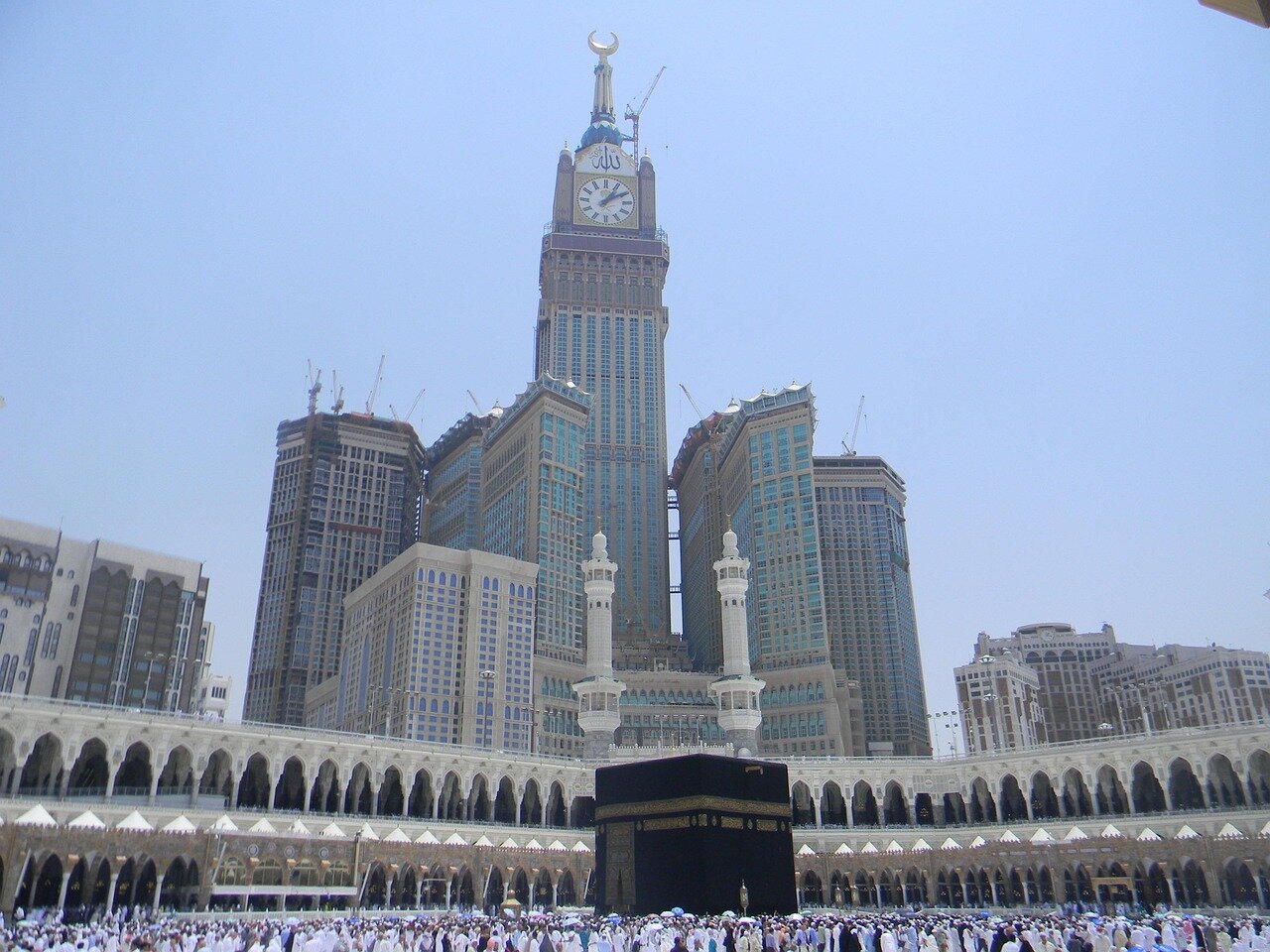
- Short-term risks: Decreased tourism and fan engagement.
- Mid-term risks: Potential diplomatic tensions affecting trade and cooperation.
- Opportunities: Local businesses can diversify offerings to attract international audiences.
Overall, the implications of not displaying the flags extend beyond mere symbolism, touching on economic, social, and political aspects that will shape the landscape for both Saudi Arabia and Iraq in the coming years.
A: The flags are not displayed due to ongoing political tensions and disputes between the two nations, which complicate their representation in international events. A: The absence of the flags can impact national pride and identity, as well as influence diplomatic relations between the countries involved. A: Yes, similar situations have occurred in various international sporting events where political issues have led to the exclusion of certain national symbols. A: Fans often express disappointment and frustration, feeling that their national identity is diminished in the global sporting arena. A: It remains uncertain, as changes in political dynamics could influence the representation of flags in upcoming events.
Frequently Asked Questions About Flag Display
Key Takeaways and Future Outlook on Flag Representation
The absence of Saudi Arabia and Iraq flags at the World Cup highlights the complexities of political representation in international sports. This situation not only reflects the historical tensions and diplomatic relations between nations but also raises questions about the criteria for flag representation in global events. As the world becomes increasingly interconnected, the implications of such decisions may extend beyond the realm of sports, influencing diplomatic relations and national identities.
Moving forward, it will be essential to monitor how similar situations are handled in future international competitions. The choices made by governing bodies regarding flag representation could set precedents that shape the landscape of global sports and international diplomacy.
- Watch for potential changes in FIFA’s policies regarding flag representation and national identity at future tournaments.
- Observe how diplomatic relations between Saudi Arabia, Iraq, and other nations evolve in the context of international events.
- Consider the impact of this decision on fan engagement and national pride among supporters of the affected countries.
- Analyze the role of international sports as a platform for political expression and national representation.
- Stay informed about public reactions and discussions surrounding flag representation in global competitions.