Key stakeholders, including national football associations and commercial partners, are being consulted to ensure that any reforms address the needs of the sport at all levels. This initiative is expected to align its competitions with global standards while also considering the unique circumstances of its member associations. For more on how the AFC is empowering different sectors of football, check out our article on the Empowering Women in Football Programme.
This pause in the tender process is significant as it underscores the AFC’s commitment to a more cohesive and strategic approach to football governance in Asia. By reassessing its competition formats and scheduling, the AFC aims to improve the overall quality of the game, attract more fans, and increase revenue opportunities.
The AFC’s decision to review its processes comes at a crucial time, with major tournaments on the horizon. The outcomes of these discussions will likely shape the future of football in Asia, impacting not only the AFC but also clubs, players, and fans across the continent. This evolving landscape highlights the importance of adapting to new dynamics, a sentiment echoed in our coverage of broadcasting rights.
Understanding the background of AFC’s decision
The Asian Football Confederation (AFC) has long been at the forefront of promoting and developing football across Asia. However, the landscape of football governance and competition has evolved significantly over the years, leading to a need for reforms. The AFC’s decision to put its rights tender on hold is a reflection of these ongoing changes, as the organization seeks to reassess its strategies in light of new competition models and calendar proposals.
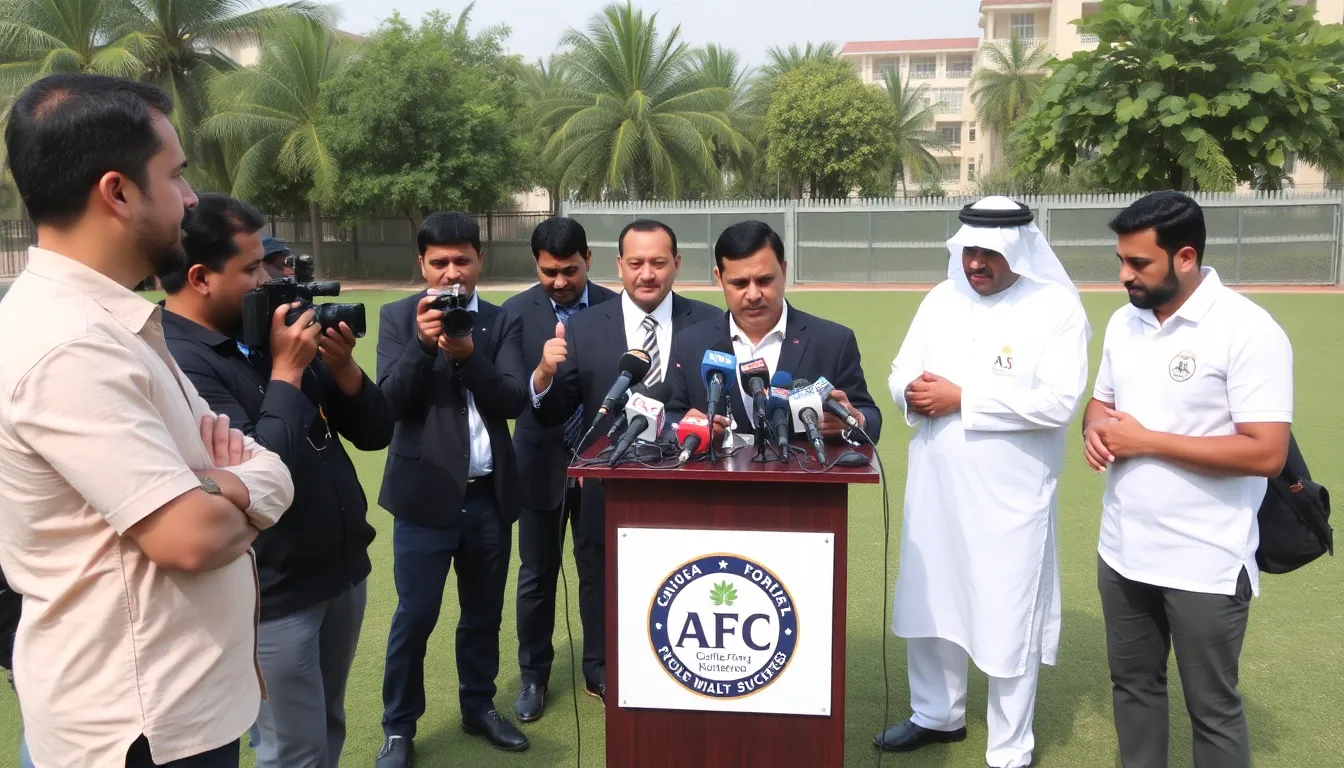
Historically, the AFC has faced challenges in maintaining a competitive balance among its member associations. Disparities in financial resources, infrastructure, and governance have often led to uneven levels of competition. This situation has prompted the AFC to explore reforms aimed at enhancing the quality of football in the region, ensuring that all member nations can compete on a more level playing field.
In recent years, the rise of professional leagues and increased investment in football across Asia have added urgency to the need for reform. Countries like Japan, South Korea, and China have significantly invested in their football infrastructure, leading to a more competitive environment. This shift necessitates a reevaluation of existing competition formats and broadcasting rights to align with the evolving dynamics of the sport.
The Impact of Global Trends
Moreover, the global landscape of football has also influenced the AFC’s decision. With major leagues and tournaments around the world adapting to new viewing habits and digital platforms, the AFC recognizes the necessity of modernizing its approach to broadcasting rights. By reviewing its competition structure and calendar, the AFC aims to attract more viewers and sponsors, ensuring the sustainability and growth of football in Asia.
Key stakeholders and issues surrounding the tender pause
The decision by the Asian Football Confederation (AFC) to pause the rights tender process has significant implications for various stakeholders involved in Asian football. The primary actors include the AFC, national football associations, broadcasters, sponsors, and fans, each with distinct interests and concerns regarding the competition reforms and new calendar proposals.
By reviewing the current competition structure and potential calendar changes, the AFC seeks to align its operations with global standards, which may attract more lucrative broadcasting and sponsorship deals. However, this process may lead to conflicts with existing contracts and stakeholders who have already made financial commitments based on the previous calendar. The experience of companies securing naming rights, as seen in this recent deal, illustrates the complexities involved.
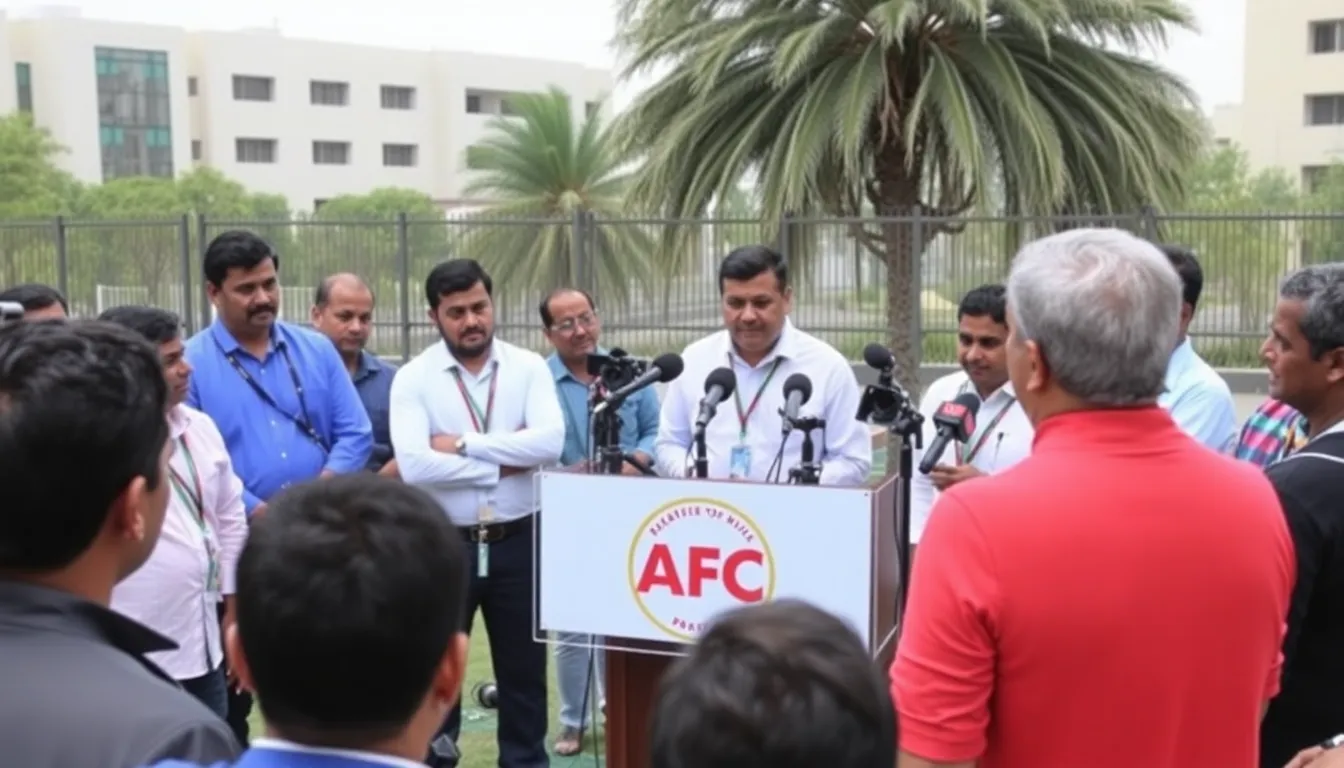
National football associations are crucial stakeholders as they rely on the AFC’s decisions for their operational planning and revenue generation. The pause in the rights tender may create uncertainty for these associations, particularly those that have budgeted based on anticipated income from broadcasting rights. Additionally, there may be concerns regarding the equitable distribution of revenues, which can lead to tensions among associations with varying levels of financial power.
- Broadcasters: They are keenly interested in the rights tender as it directly affects their programming and advertising revenues. A delay may disrupt their planning and negotiations for upcoming seasons.
- Sponsors: Corporate sponsors may be anxious about the potential impacts on visibility and engagement opportunities if the competition structure changes significantly.
- Fans: The fanbase is concerned about how these changes will affect the quality of matches and the overall experience of following their teams and leagues.
Legal and economic issues arise from this pause, particularly regarding existing contracts and the potential for disputes. The AFC must navigate these complexities while balancing the interests of various stakeholders. The outcome of this review could redefine the landscape of Asian football, making it imperative for all parties to engage in constructive dialogue to address their concerns and aspirations.
Potential effects on leagues, clubs, and broadcasters
The decision by the Asian Football Confederation (AFC) to put its rights tender on hold has significant implications for various stakeholders in the football ecosystem. This includes professional leagues, individual clubs, and broadcasting companies across Asia. Each of these groups will experience both immediate and longer-term consequences as the AFC reassesses its competition reforms and calendar proposals.
In the short term, leagues and clubs may face uncertainty regarding their financial projections and operational strategies. Many clubs rely heavily on broadcasting rights for revenue, and any delay in securing these rights could lead to budget constraints. For example, clubs may need to reconsider player salaries or postpone planned investments in facilities and youth development programs.
From a broadcasting perspective, companies that have positioned themselves to acquire rights may find their plans disrupted. This could lead to a reassessment of content strategies and marketing initiatives, as broadcasters may need to pivot to alternative programming or seek out other sports properties to fill gaps in their schedules.
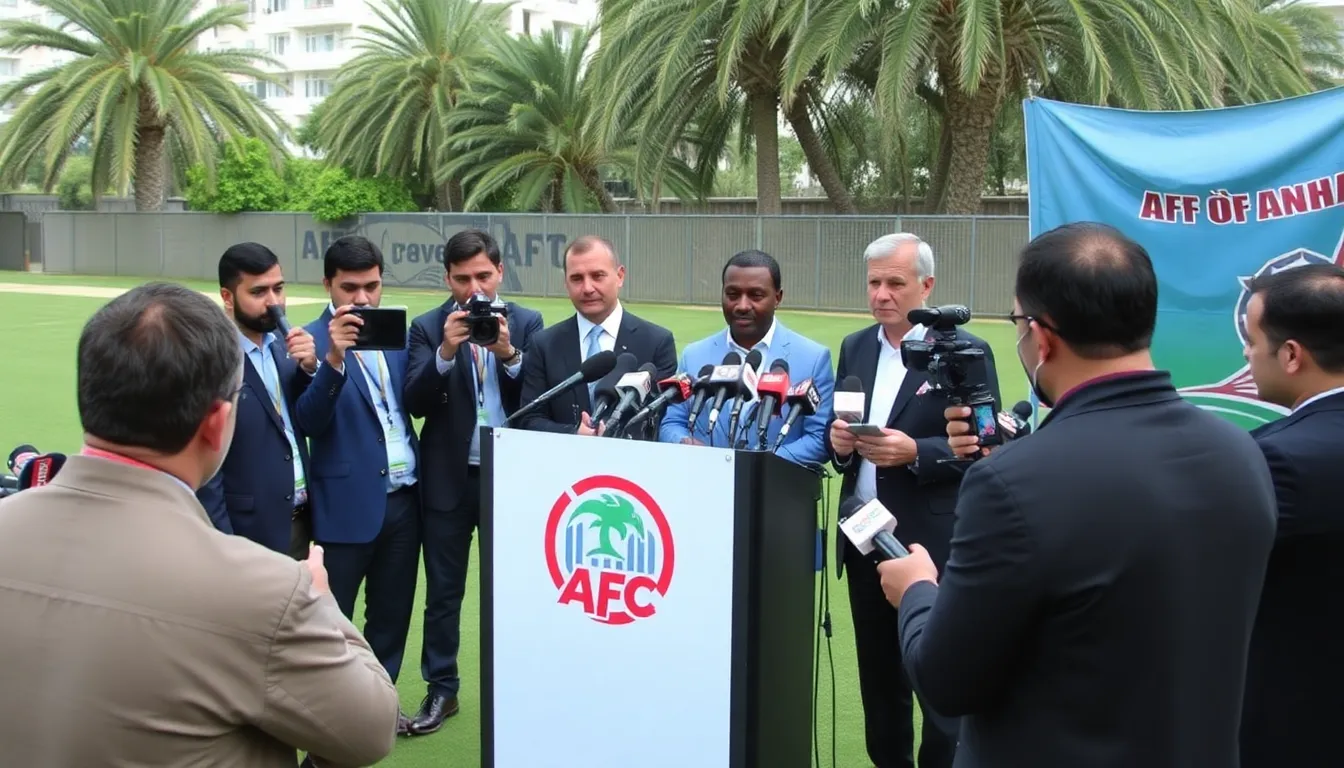
However, this situation also presents opportunities for stakeholders to engage in constructive dialogue regarding the future of Asian football. The review process may lead to enhanced competition structures that could attract more investment and sponsorships in the long run. Additionally, clubs might explore new partnerships or revenue streams that could diversify their income sources and reduce dependence on traditional broadcasting rights.
- Uncertainty in financial projections for leagues and clubs.
- Potential delays in broadcasting agreements affecting programming.
- Opportunities for improved competition structures and sponsorships.
- Increased focus on alternative revenue streams for clubs.
Regions heavily invested in football, such as East Asia and the Middle East, may see varying effects based on their local market dynamics. While some areas may struggle with the uncertainty, others could leverage the situation to innovate and enhance their football offerings, ultimately benefiting the sport’s growth across the continent.
A: The AFC decided to pause the tender process to thoroughly review proposed competition reforms and new calendar proposals, ensuring that any changes align with the best interests of the sport. A: Broadcasters may face delays in securing rights to AFC competitions, which could impact their programming and advertising strategies as they await clarity on the new calendar. A: The proposed reforms aim to enhance the competitiveness and commercial viability of AFC tournaments, although specific details are still under review. A: The AFC has not provided a specific timeline for when the review will be completed, but they are expected to communicate updates as discussions progress. A: Key stakeholders include football clubs, leagues, broadcasters, and fans, all of whom have a vested interest in the outcomes of the rights tender and reform proposals.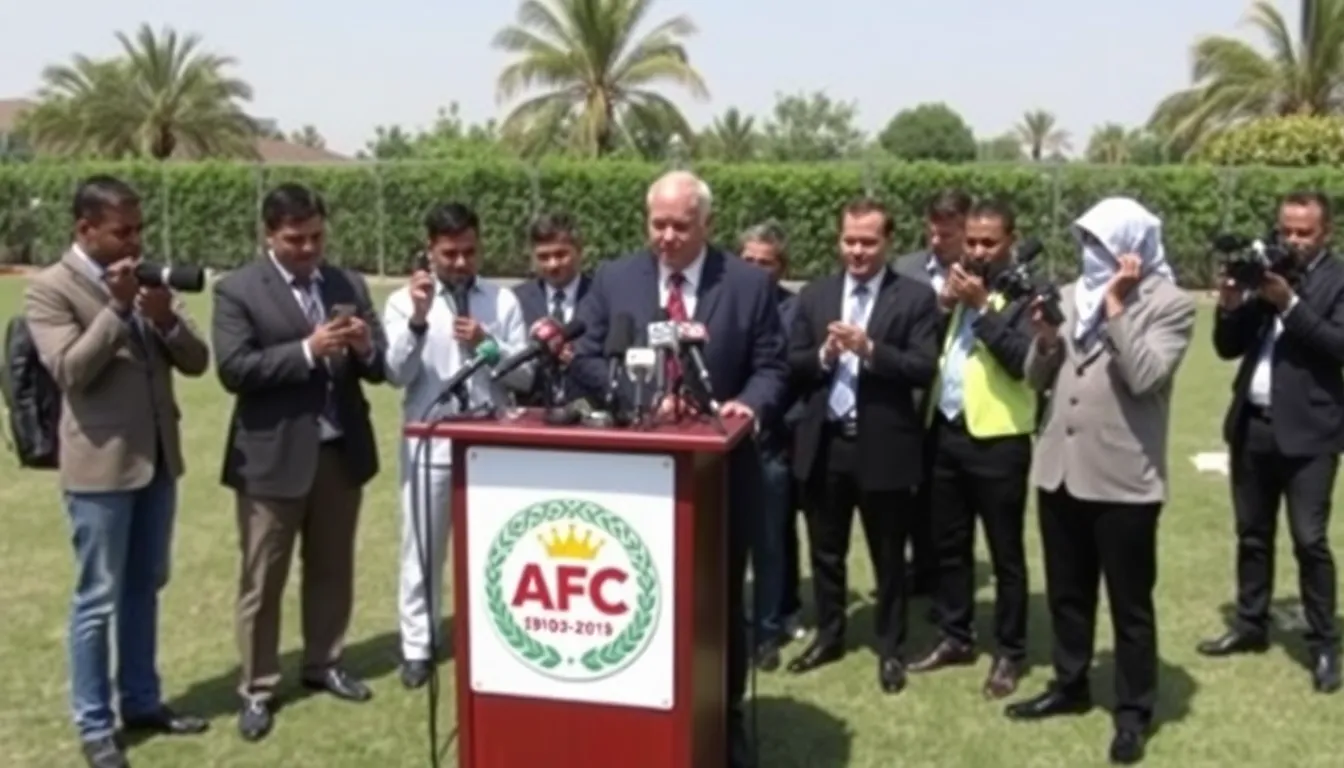
Frequently asked questions about the AFC’s decision
Future outlook on AFC’s reforms and rights tender
The Asian Football Confederation’s decision to pause its rights tender process reflects a significant moment in the evolution of football governance in the region. As the AFC reviews its competition reforms and new calendar proposals, stakeholders are keenly observing the potential impacts on broadcasting rights, sponsorship deals, and fan engagement. This strategic pause may provide an opportunity for the AFC to align its objectives more closely with the evolving landscape of football, ensuring that the interests of member associations and commercial partners are adequately addressed.
As the AFC navigates this critical phase, the implications of its decisions will resonate throughout the football ecosystem. The outcome of this review could reshape the competitive dynamics within Asian football, influencing everything from grassroots development to elite tournaments. Stakeholders should remain vigilant as the AFC’s forthcoming announcements could set the stage for a new era in the region’s football governance.
- Watch for potential changes in broadcasting rights that may enhance revenue streams for member associations.
- Monitor how competition reforms could affect the scheduling and structure of tournaments, impacting team preparation and fan attendance.
- Consider the implications of the new calendar proposals on player welfare and international fixtures.
- Stay alert to how these reforms might influence sponsorship opportunities and partnerships within the region.
- Evaluate the potential for increased collaboration between the AFC and its member associations in shaping the future of Asian football.