The race will kick off at 9:30 AM local time, with wheelchair competitors starting first, followed by the elite women and then the elite men. The iconic route will take runners through some of London’s most famous landmarks, including the Tower of London and Buckingham Palace, culminating at The Mall near St. James’s Park. You can find out more about the economic impact of such events in our article on Superscore’s recent naming rights deal.
In addition to the excitement surrounding the race itself, there has been widespread speculation about the participation of pop star Harry Styles. While no official confirmation has been made regarding his involvement, fans are eagerly discussing the possibility of his appearance, which could draw even more attention to the event. Such celebrity involvement can significantly enhance an event’s visibility, as noted in our piece about AFC’s Empowering Women in Football Programme.
As the marathon approaches, organizers are also emphasizing safety and logistics, ensuring that both participants and spectators have a positive experience. With thousands of runners and supporters expected to converge on the city, the event not only promotes fitness and community spirit but also provides a significant boost to the local economy.
Understanding the history and significance of the London Marathon
The London Marathon, first held in 1981, has grown to become one of the most prestigious and popular marathons in the world. Established by Chris Brasher and John Disley, the event aimed to promote fitness and raise funds for charitable causes. Over the years, it has evolved from a local race into a global spectacle, attracting elite athletes and amateur runners alike, all vying to complete the iconic 26.2-mile course through the heart of London.

Historically, the marathon has played a significant role in promoting health and wellness in the UK. The event has inspired millions to take up running, contributing to a broader cultural shift towards fitness and outdoor activities. It has also become a platform for raising awareness and funds for various charities, with participants often running in memory of loved ones or to support causes close to their hearts.
In addition to its social impact, the London Marathon has faced challenges and changes over the years, particularly in response to global events. The COVID-19 pandemic, for instance, forced the cancellation and then the reimagining of the race in 2020, leading to a virtual event that allowed runners to participate from their own locations. This adaptability has shown the resilience of the marathon’s community and its commitment to inclusivity, similar to the changes in sports events as highlighted in our coverage of EFL’s live coverage initiatives.
Record Participation and Economic Impact
As the marathon continues to gain popularity, record numbers of participants have registered for the event in recent years. The influx of runners not only highlights the marathon’s significance in the sporting calendar but also its substantial economic impact on London. Hotels, restaurants, and local businesses benefit from the surge of visitors during the marathon weekend, showcasing the event’s role in promoting tourism and local economies.
Key stakeholders and issues surrounding the event
The London Marathon is a significant event that attracts various stakeholders, each with distinct interests. Key actors include the event organizers, local government authorities, sponsors, participants, and the media. Understanding their roles and motivations is crucial to grasping the broader implications of the marathon.
Event organizers, such as the London Marathon Events Ltd, aim to deliver a successful race while maximizing participation and revenue. Their interests include ensuring a smooth logistical operation, maintaining safety standards, and promoting the event to attract sponsorships and media coverage. Local government authorities are focused on public safety, traffic management, and the potential economic boost the marathon brings to the city.
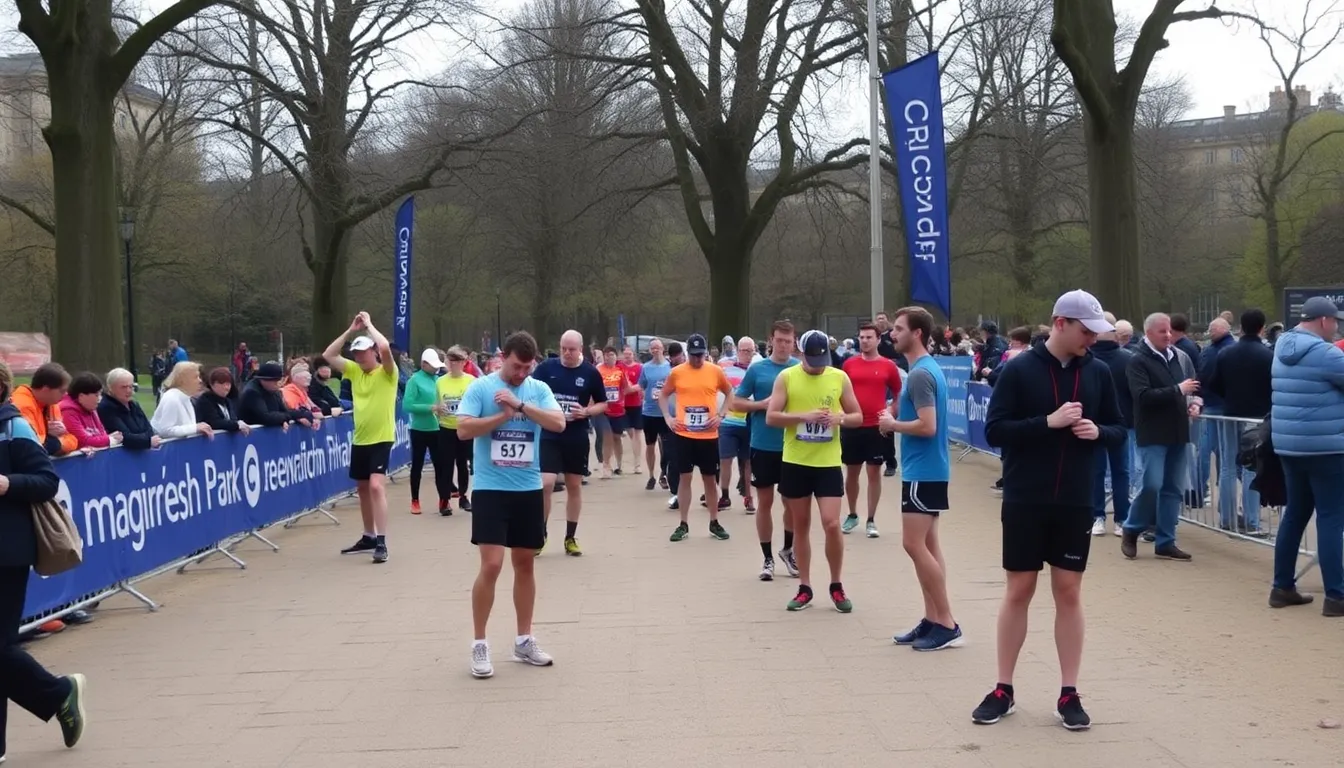
Participants, ranging from elite athletes to amateur runners, have a vested interest in the race’s organization and conditions. They seek a well-marked route, adequate hydration stations, and support throughout the event. The presence of high-profile participants, such as celebrities or influencers like Harry Styles, can also draw additional attention and increase public interest, but it may lead to heightened media scrutiny and public expectations.
Several key issues arise from the intersection of these stakeholders’ interests:
- Safety and Security: Ensuring the safety of participants and spectators is paramount, especially in light of past incidents at large events.
- Economic Impact: The marathon generates significant revenue for local businesses, but the costs associated with road closures and security can be a point of contention for residents.
- Environmental Concerns: The event raises questions about sustainability, with stakeholders advocating for greener practices in event management.
- Media Coverage: The role of media in shaping public perception can create pressure on organizers and participants alike, especially with high-profile figures involved.
As the marathon approaches, balancing these interests and addressing potential conflicts will be essential for a successful event that meets the expectations of all stakeholders involved.
Who will be affected by the marathon and its implications
The upcoming record London Marathon is set to impact various groups and industries, ranging from local businesses to transportation services. The influx of participants and spectators will create a bustling atmosphere in the city, but it also presents challenges that need to be addressed.
Local businesses, particularly those in hospitality and retail, stand to benefit significantly from the marathon. Restaurants, cafes, and shops along the route may experience a surge in customers, leading to increased sales and potential job creation. However, for businesses located outside the marathon route, the disruption caused by road closures and crowding may result in decreased foot traffic and revenue.
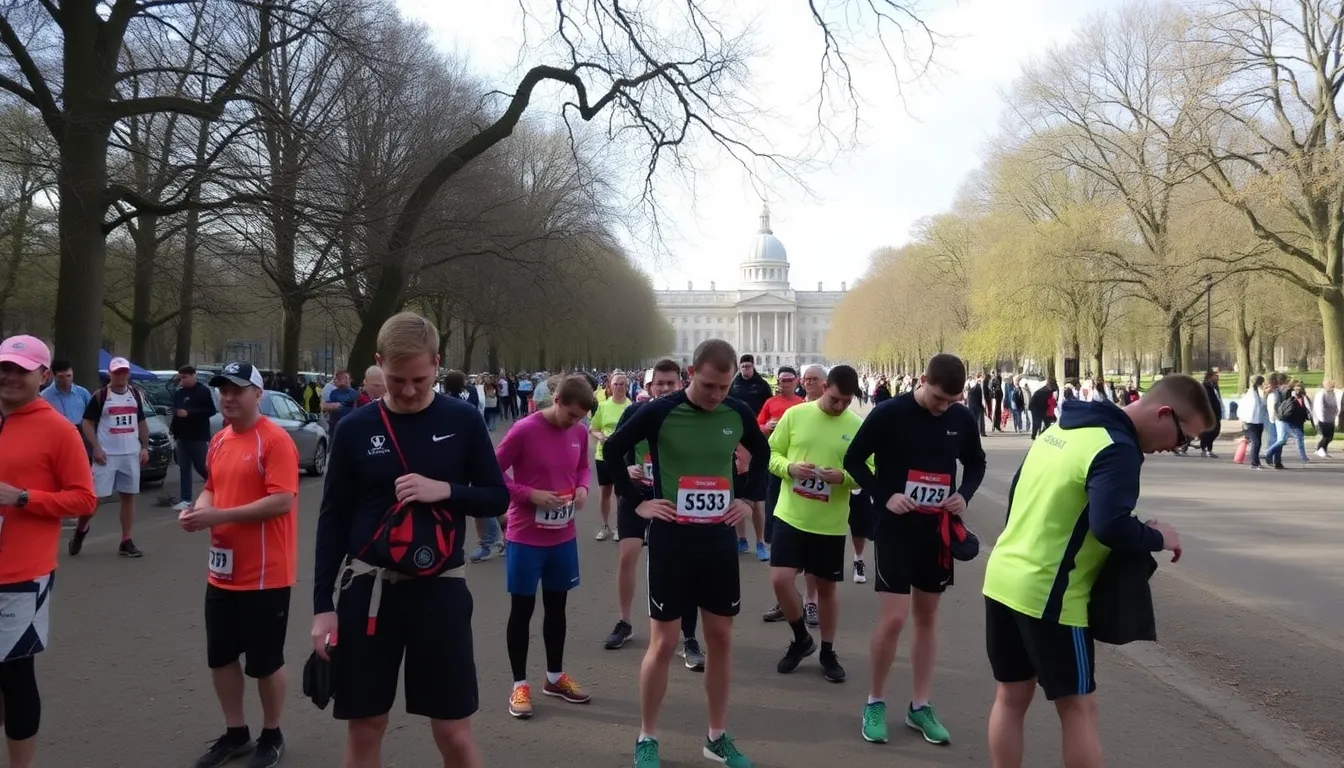
Transportation services will also be affected, as major roads will be closed or diverted to accommodate the marathon. This could lead to delays and increased congestion in surrounding areas, impacting daily commuters and public transport users. In the short term, residents may face challenges in accessing their homes or workplaces, while in the mid-term, there may be calls for improved infrastructure to better manage such large-scale events.
- Short-term impacts: Increased sales for local businesses, disruptions in transportation, and crowd management challenges.
- Mid-term impacts: Potential policy discussions around event management and infrastructure improvements.
- Opportunities: Promotion of local tourism and community engagement through events.
- Risks: Business losses for those outside the marathon route and strain on public services.
Overall, while the marathon presents opportunities for economic boosts and community spirit, it also highlights the need for effective planning and management to mitigate potential risks and challenges for those affected.
A: The route for the London Marathon typically starts in Greenwich and ends at The Mall, passing iconic landmarks along the way. A: The marathon usually starts at 9:30 AM, but specific start times can vary based on the category of runners. A: There has been speculation about Harry Styles running, but as of now, there is no official confirmation of his participation. A: The marathon will be broadcast live on various channels and can also be streamed online for viewers worldwide. A: Yes, the London Marathon often features various events leading up to the race, including charity runs and community activities.
Frequently asked questions about the London Marathon
Looking ahead to the future of the London Marathon
The London Marathon has once again captured the public’s imagination, setting the stage for an unprecedented event that promises to blend athletic excellence with celebrity intrigue. With record participation expected, the race not only highlights the resilience and determination of its runners but also showcases the growing popularity of marathon events globally. As the anticipation builds, several factors will play a crucial role in shaping the experience for both participants and spectators alike.
Key elements such as the race route, start times, and the potential participation of high-profile figures like Harry Styles will influence the overall atmosphere. Observers should keep an eye on how these dynamics unfold, as they could enhance public engagement and media coverage surrounding the marathon.
- Increased participation: With a record number of entrants, expect heightened competition and a diverse range of stories from the runners.
- Celebrity influence: The potential involvement of celebrities like Harry Styles may draw more attention to the event, impacting fundraising efforts for charities.
- Route optimization: Changes to the marathon route could enhance both runner performance and spectator experience, making it a focal point for future events.
- Community engagement: The marathon’s ability to unite local communities and promote health and fitness will continue to be a significant takeaway for future events.
- Global spotlight: As the London Marathon garners international attention, it may set new standards for marathon events worldwide, influencing their organization and execution.