The agreement will see Nike providing match balls for prestigious competitions such as the UEFA Champions League and the UEFA Europa League. This move is expected to bring a fresh dynamic to the competitions, as Nike aims to leverage its expertise in sports technology and design to create innovative products for top-tier football.
Previously, Adidas had been the exclusive supplier for UEFA’s club competitions since 2000, establishing a long-standing relationship that shaped the branding of European football. The transition to Nike signals a shift in sponsorship strategies, as UEFA looks to diversify its partnerships and explore new revenue streams amidst an evolving sports market.
This partnership is not only about the products but also reflects broader trends in sports marketing, where brands are increasingly competing for visibility and engagement with fans. As Nike re-enters the UEFA fold, it will likely focus on integrating its marketing initiatives with the digital landscape, enhancing fan experiences through innovative campaigns and collaborations.
Understanding the history of UEFA’s ball sponsorship
The relationship between UEFA and ball manufacturers has evolved significantly over the past few decades. Initially, the organization partnered with various local suppliers to provide match balls for its competitions. However, as the popularity of European club football surged, so did the need for a more consistent and high-quality product. This led to the establishment of long-term partnerships with major sports brands, culminating in a series of lucrative sponsorship deals.
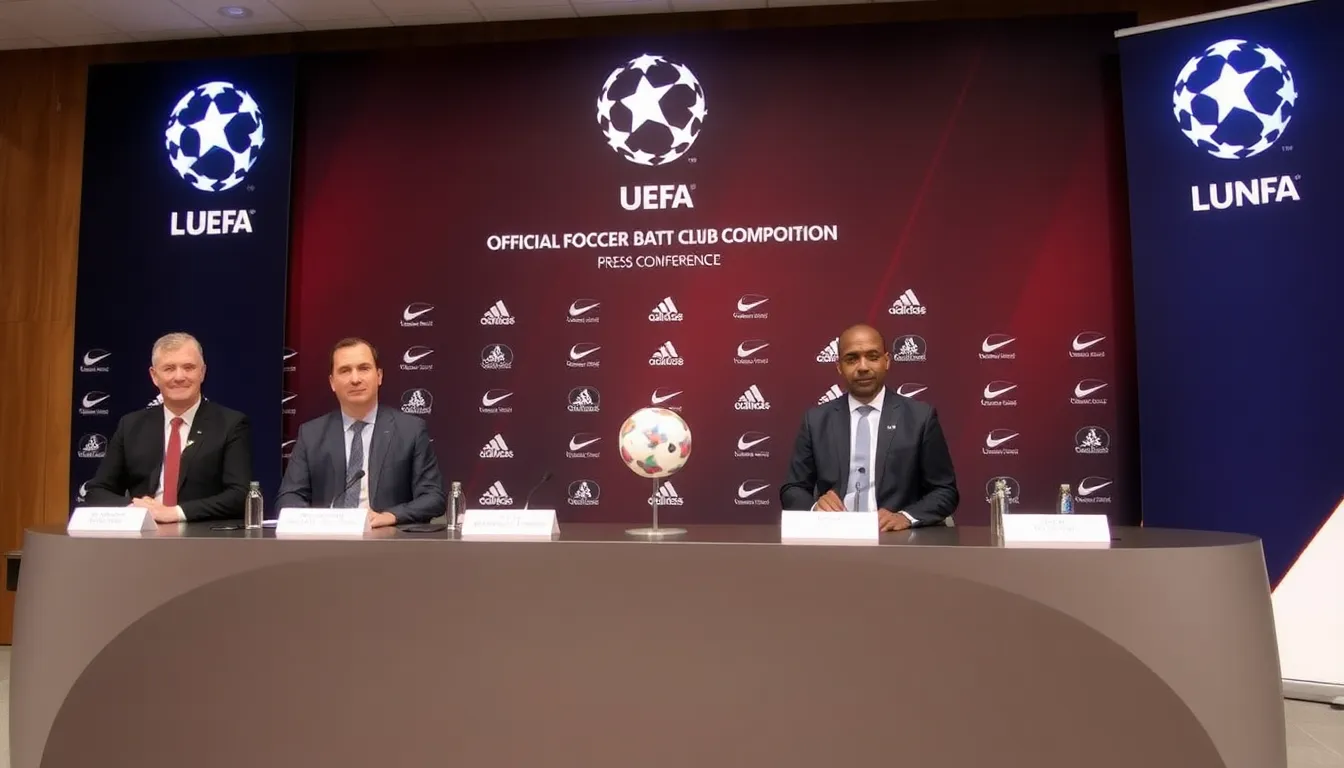
In the early 2000s, Adidas became the primary supplier for UEFA’s Champions League, introducing iconic designs that became synonymous with the tournament. The partnership lasted for nearly two decades, during which time the brand solidified its reputation as a leader in football equipment. However, as the market for sports sponsorship grew more competitive, other brands, notably Nike, sought to challenge Adidas’s dominance.
The Rise of Nike in European Football
Nike’s entry into the European football market marked a turning point in the landscape of sports sponsorship. With innovative marketing strategies and a focus on high-profile endorsements, Nike quickly gained traction among clubs and players alike. The company’s ability to create compelling narratives around its products helped it to secure key partnerships with various leagues and clubs, positioning itself as a formidable competitor to Adidas.
In recent years, UEFA’s decision to switch its ball sponsorship from Adidas to Nike reflects broader trends in the sports industry. This shift not only highlights the changing dynamics of brand loyalty but also underscores the economic factors driving these decisions. With rising revenues from broadcasting rights and sponsorships, UEFA has the leverage to negotiate better deals, which ultimately benefits the organization and its stakeholders.
The bounce back to Nike signifies a new chapter in UEFA’s commercial strategy, aligning with a brand that has demonstrated its commitment to innovation and excellence in sports. As the competition for market share intensifies, this partnership is expected to set new standards for quality and performance in football equipment.
Key stakeholders and implications of the deal
The recent resurgence of UEFA’s club competition ball deal with Nike brings several key stakeholders into focus. At the forefront is UEFA itself, the governing body of European football, which seeks to maintain its financial stability and enhance the prestige of its competitions. Nike, a global sportswear giant, aims to solidify its market presence and brand association with top-tier football events.
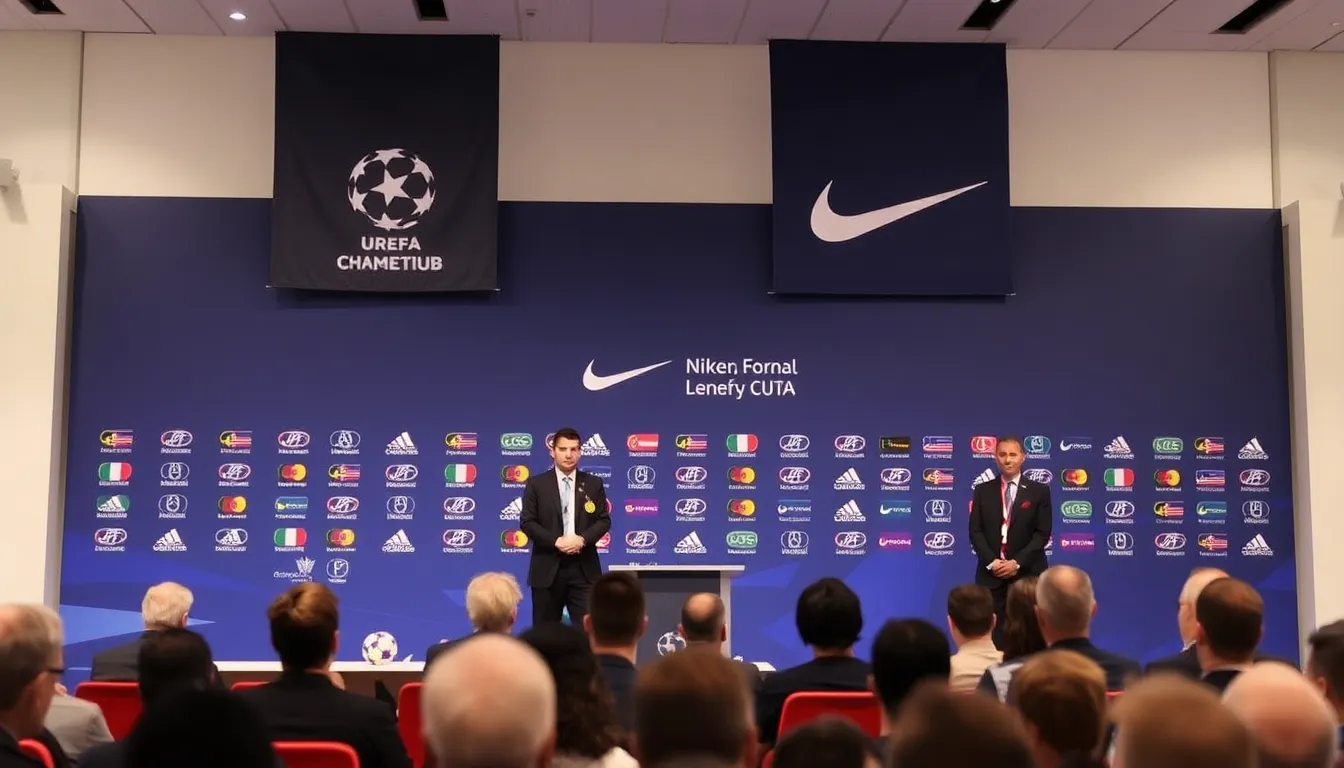
Another significant actor is the participating clubs, which have varying interests in the deal. For some clubs, especially those with strong commercial ties to Nike, this partnership can enhance their brand visibility and revenue opportunities. However, clubs aligned with rival brands may find themselves at a disadvantage, leading to potential conflicts within the competitive landscape.
Additionally, fans and consumers play a crucial role in this ecosystem. Their preferences can influence merchandise sales and overall brand loyalty. As such, Nike’s ability to produce appealing and innovative products will be critical in winning over this demographic, while UEFA must ensure that the deal aligns with fan expectations for quality and performance. This is especially important considering the growing interest in football among diverse audiences.
- Financial implications: The deal has substantial economic ramifications for both UEFA and Nike, impacting sponsorship revenues and merchandise sales.
- Brand positioning: Nike’s association with UEFA enhances its status in the sports industry, while also influencing consumer perceptions of the league.
- Market competition: Rival brands may seek to counteract Nike’s dominance by forming partnerships with other leagues or clubs, creating a competitive tension.
- Legal considerations: The deal must navigate various contractual obligations and compliance issues, which could lead to disputes if not managed effectively.
- Fan engagement: Ensuring that the partnership resonates with fans is vital, as their support can significantly impact the success of the merchandise associated with the deal.
How this deal affects clubs and fans
The recent decision by UEFA to renew its ball supply deal with Nike has significant implications for various stakeholders, including football clubs, fans, and the sports apparel industry. This partnership not only influences the quality of the game but also impacts revenue streams and branding opportunities for clubs across Europe.
In the short term, clubs that participate in UEFA competitions will benefit from the high-quality Nike balls, which are designed to enhance performance. This could lead to improved match outcomes and greater fan engagement, as supporters enjoy watching their teams compete with top-tier equipment. Additionally, clubs may see an uptick in merchandise sales as fans seek to purchase official gear associated with the tournament.
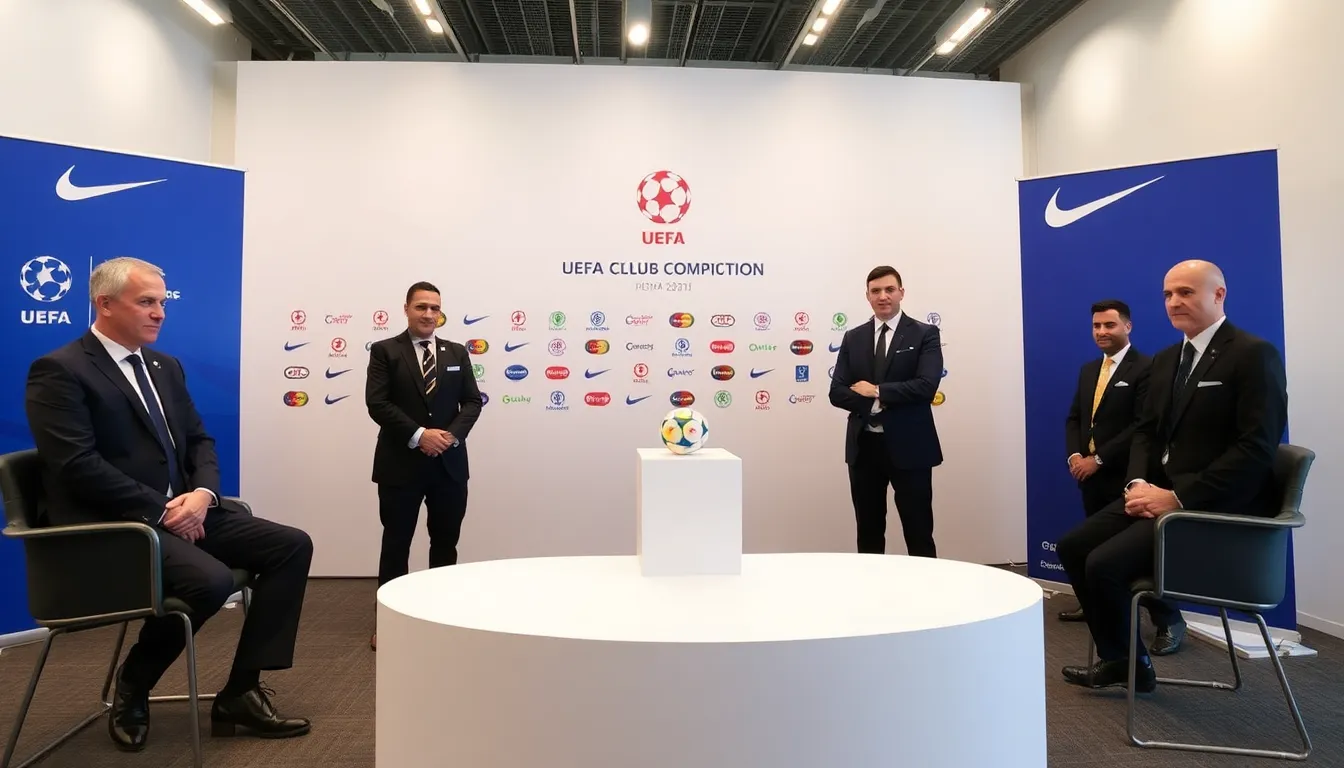
In the mid-term, the deal could reshape sponsorship dynamics within the sports industry. Clubs may leverage the association with Nike to attract new sponsorship deals and partnerships, enhancing their financial stability. However, there are risks involved; smaller clubs might struggle to compete for sponsorships against larger teams that have more significant visibility and resources.
- Opportunities: Enhanced merchandise sales and potential new sponsorships.
- Risks: Increased competition for sponsorships may disadvantage smaller clubs.
- Impact on fans: Higher quality match experiences leading to increased fan loyalty.
Regions with a strong football culture, particularly in Europe, will see a more pronounced impact as clubs engage their local communities through promotional events and fan interactions. This renewed focus on fan engagement could foster a sense of unity and pride among supporters, further solidifying the sport’s cultural significance.
A: UEFA decided to return to Nike due to their strong brand presence and innovative designs that resonate with fans and players alike. A: This deal may limit opportunities for other brands in the football market, as Nike’s stronghold on UEFA competitions could overshadow competitors. A: The new Nike balls are expected to debut in the upcoming UEFA club competitions, aligning with the start of the new season. A: Nike is known for high-quality match balls, which should enhance the playing experience in UEFA competitions. A: Yes, fans can expect a range of new merchandise featuring the latest Nike ball designs, enhancing their connection to the competitions.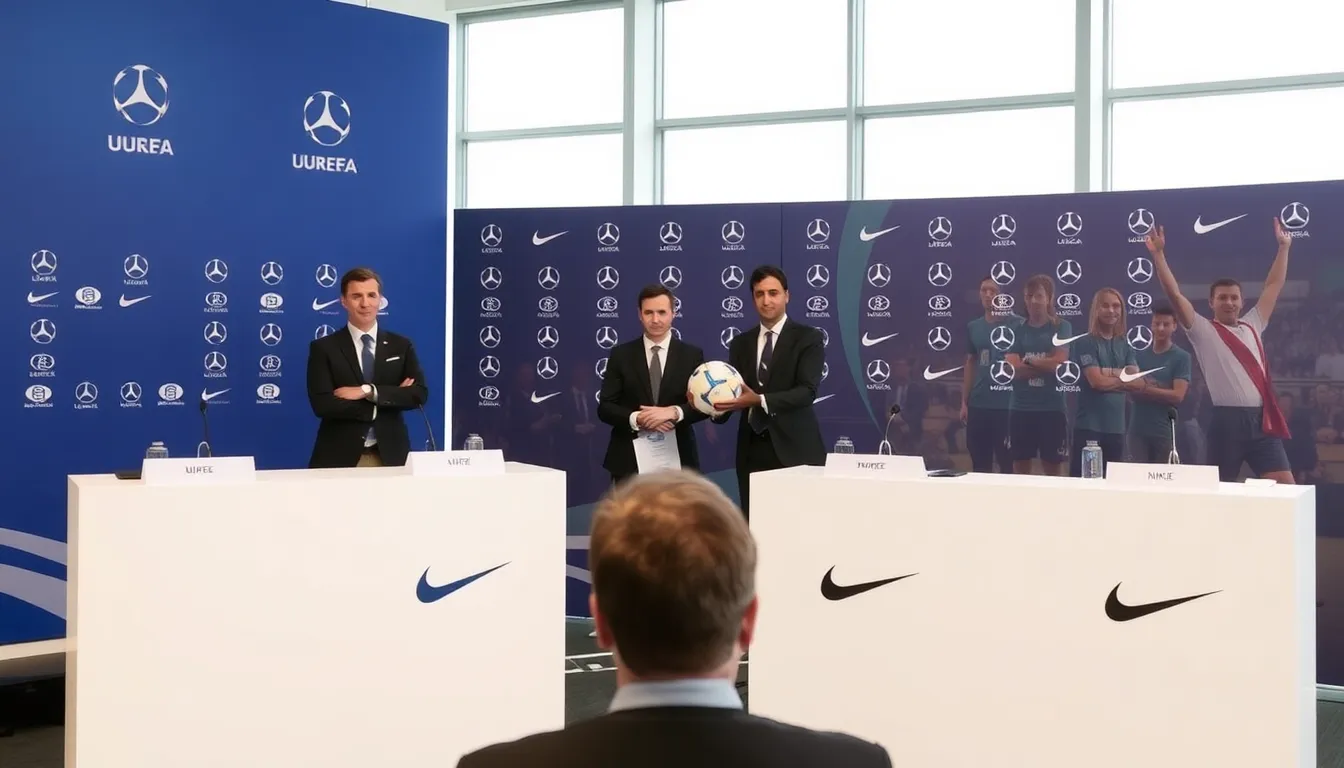
Frequently asked questions about the Nike deal
Future outlook on UEFA’s partnership with Nike
The recent resurgence of UEFA’s collaboration with Nike signifies a pivotal shift in the landscape of club competitions. As the partnership evolves, it is crucial to consider the broader implications for both organizations and the stakeholders involved. This renewed alliance not only enhances the visibility of the UEFA competitions but also strengthens Nike’s position in the sports apparel market, potentially leading to innovative product developments and marketing strategies.
Moving forward, the focus will likely be on how this partnership can adapt to the changing dynamics of sports sponsorship and consumer engagement. With the increasing importance of digital platforms and sustainability, both UEFA and Nike may explore new avenues to captivate audiences and ensure that their offerings remain relevant in a competitive environment.
- Monitor the impact of Nike’s branding on fan engagement during UEFA events.
- Watch for potential innovations in ball technology and design that could emerge from this partnership.
- Consider the implications for other sports brands as they respond to Nike’s strengthened position in European football.
- Evaluate how UEFA’s marketing strategies might evolve, particularly in leveraging digital platforms.
- Keep an eye on sustainability initiatives that may arise from this collaboration, reflecting growing consumer expectations.