The match against Palace highlighted several ongoing issues within the squad, including defensive frailties and a lack of creativity in midfield. Despite taking an early lead through a goal from Son Heung-min, Tottenham failed to capitalize on their advantage, allowing Palace to score twice in the second half. This result leaves Spurs in a precarious position in the league standings, raising concerns about their ability to compete for European qualification.
In the wake of the defeat, calls for change are growing louder among supporters, who have expressed their frustration through social media and during matches. The pressure on Postecoglou has intensified, with some fans questioning his tactical decisions and player selections. As the club approaches a critical stretch of fixtures, the need for a turnaround has become increasingly urgent.
Tottenham’s next match against a mid-table rival will be crucial in determining the direction of their season. With the transfer window having closed, the current squad must find a way to address its shortcomings internally. The outcome of upcoming games could ultimately decide the fate of the coaching staff and the club’s aspirations for the remainder of the season.
Understanding the background of Tottenham’s struggles
Tottenham Hotspur, one of the most storied clubs in English football, has faced a series of challenges that have contributed to their recent struggles on the pitch. Historically, the club has been known for its attacking style and ability to compete at the highest levels, but recent performances have left fans and analysts questioning the direction of the team. The loss to Crystal Palace at home has intensified scrutiny on manager Ange Postecoglou and raised concerns about the club’s long-term vision.
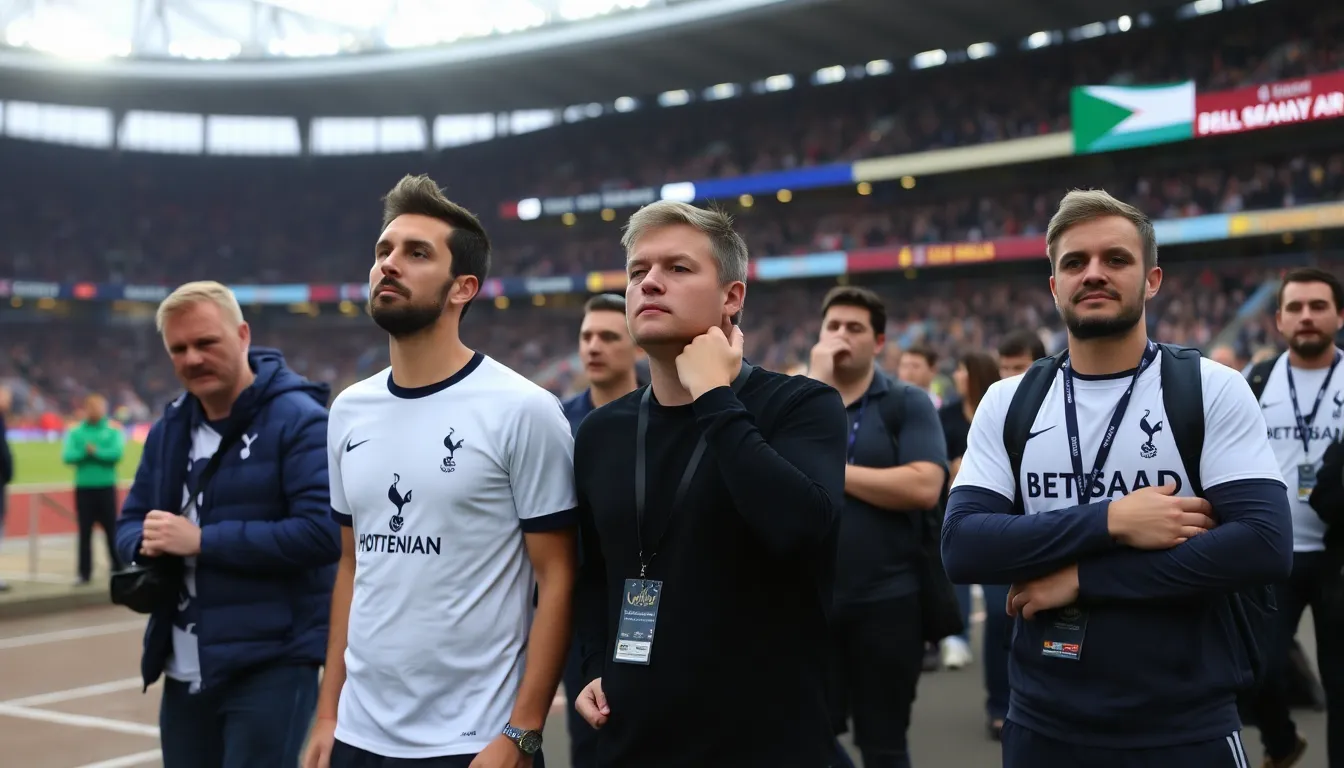
In recent years, Tottenham has undergone significant changes, including the appointment of new management and the transition to a state-of-the-art stadium. While the new Tottenham Hotspur Stadium was seen as a monumental step forward, the pressure to deliver results has only increased. The financial implications of building such a facility have placed additional burdens on the club, as they seek to balance investment in the squad with the need for financial sustainability.
The club’s struggles can also be traced back to a series of managerial changes that have disrupted team cohesion. Since the departure of Mauricio Pochettino in 2019, Tottenham has seen multiple coaching changes, each with their own philosophies and tactics. This inconsistency has made it challenging for players to adapt and perform at their best, leading to a decline in results and a loss of identity on the field.
The impact of player turnover
Another critical factor in Tottenham’s current predicament is the turnover of key players. Over the past few seasons, the club has seen the departure of influential figures, including Harry Kane and Son Heung-min, which has significantly affected their attacking prowess. The inability to effectively replace these players has left the squad lacking depth and creativity, further complicating the team’s efforts to regain its competitive edge.
Analyzing the implications for Tudor and the team
The recent loss at home to Crystal Palace has intensified scrutiny on Tottenham Hotspur’s head coach, Ange Postecoglou Tudor. As the team struggles to find form, various stakeholders are increasingly concerned about the implications for both Tudor and the club’s future. Key actors include the club’s management, players, fans, and the broader football community.
Firstly, the club’s management, including Chairman Daniel Levy, has a vested interest in maintaining a competitive team that can secure a place in European competitions. A string of poor performances could jeopardize this goal, leading to potential financial repercussions, including decreased ticket sales and reduced sponsorship revenue. The pressure on Tudor is palpable, as management weighs the potential benefits of a coaching change against the stability that comes with continuity.
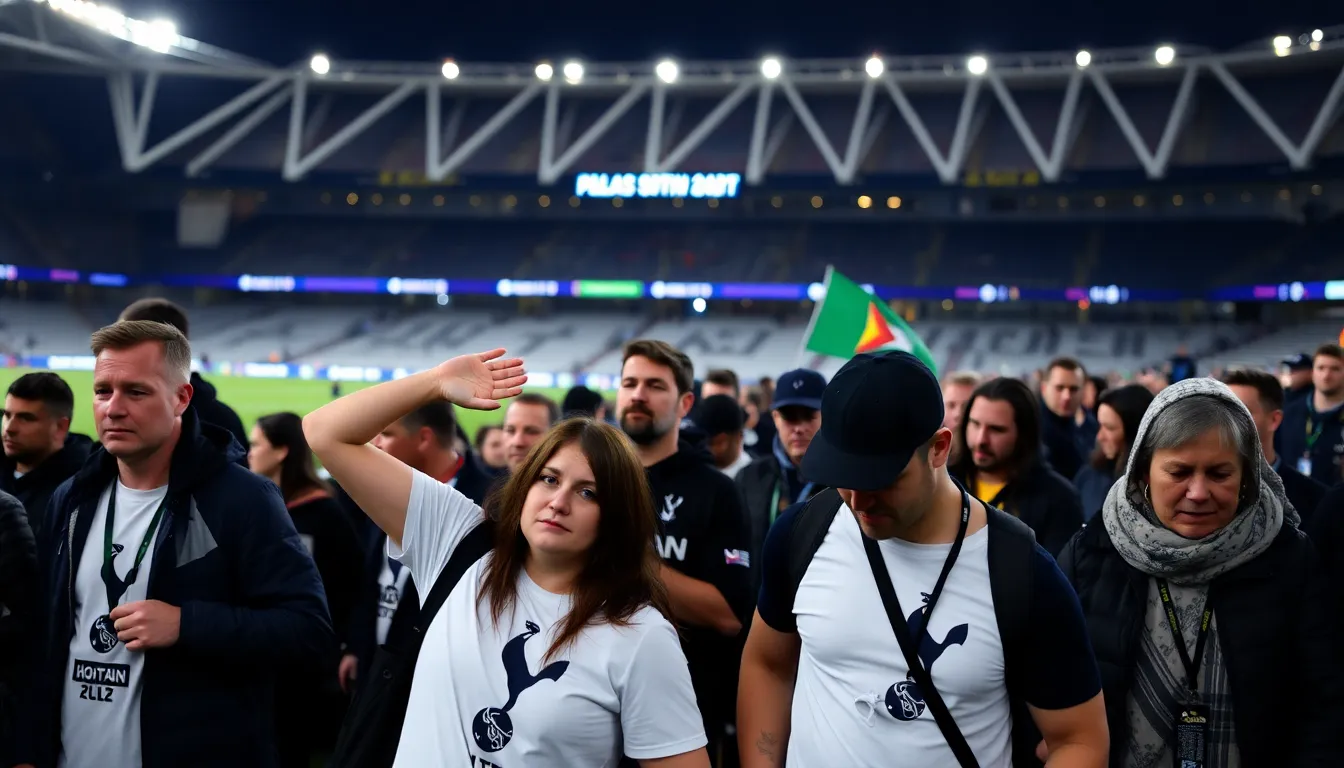
Players, too, are critical stakeholders in this situation. Their morale and performance are directly linked to the coaching staff’s strategies and decisions. A lack of confidence in Tudor’s tactics could lead to a decline in player performance, further exacerbating the team’s struggles. Additionally, the players may face their own dilemmas regarding their futures at the club if results do not improve, as they may seek opportunities elsewhere.
- Fan Discontent: The supporters are increasingly vocal about their dissatisfaction, which could influence the club’s decision-making processes.
- Financial Implications: Continued poor performance may lead to financial strain, affecting the club’s ability to invest in new talent.
- Competition for Talent: The risk of losing key players to rival clubs could intensify if the situation does not improve.
- Long-term Strategy: The management must consider the long-term vision for the club, balancing immediate results with future potential.
In summary, the current crisis at Tottenham is a multifaceted issue involving various stakeholders with differing interests. The conflicts between immediate performance and long-term strategy will likely shape the club’s decisions in the coming weeks, as they navigate the pressures of the Premier League landscape.
Impact of the loss on players and fans
The recent defeat of Tottenham Hotspur at home to Crystal Palace has sent shockwaves through the club, affecting various stakeholders. Players are under immense pressure to perform, while fans are left disheartened and frustrated. The emotional toll on both groups is palpable, with players facing scrutiny from management and supporters feeling betrayed by a lack of results.
In the short term, the loss could lead to a decline in morale among the players, impacting their performance in upcoming matches. Fans may express their dissatisfaction through protests or by reducing attendance at future games, which could affect the club’s revenue. Additionally, local businesses that rely on match-day traffic, such as pubs and restaurants, may experience a downturn in sales.
In the mid-term, the club’s management might reconsider their strategies, including potential changes in coaching staff or player acquisitions. This could lead to a shake-up in the team dynamics, affecting not only the players but also the overall club culture. The media scrutiny surrounding the team may also intensify, leading to further pressure on the management to deliver results.

- Players facing increased scrutiny and potential changes in coaching staff.
- Fans experiencing emotional distress and possible disengagement from the club.
- Local businesses seeing a decline in match-day revenue.
- Potential shifts in club policies regarding player recruitment and training.
However, there are also potential opportunities that could arise from this situation. For instance, if the management responds effectively to the pressure, it could lead to a stronger team in the long run. Engaging with fans through community initiatives could also help rebuild trust and loyalty, creating a more robust supporter base. Additionally, this could be a chance for emerging players to step up and prove their worth, potentially revitalizing the team’s performance.
A: Tottenham struggled with defensive errors and lacked offensive creativity, which ultimately led to their defeat at home. A: The loss has increased scrutiny on Tudor’s tactics and decisions, raising questions about his future with the club. A: Many fans are frustrated with the team’s inconsistency and are calling for changes to improve their chances in upcoming matches. A: Tottenham’s next fixtures include challenging matches against top teams, which will be crucial for regaining momentum. A: While there is speculation about Tudor’s future, the club has not made any official statements regarding a potential replacement.
Frequently asked questions about the match and Tudor’s future
Key takeaways and future outlook for Tottenham
The recent defeat against Crystal Palace has intensified scrutiny on head coach Ange Postecoglou and the overall direction of Tottenham Hotspur. As the team grapples with consistency and performance issues, it becomes crucial to assess the implications of this loss and what it means for the club moving forward. The pressure to deliver results is mounting, and the upcoming fixtures will be pivotal in shaping the narrative around the team’s season.
Looking ahead, Tottenham must address both tactical shortcomings and morale within the squad. The players’ response to adversity will be critical, as will the coaching staff’s ability to adapt strategies to maximize the squad’s potential. Fans and analysts alike will be watching closely to see how the club navigates this challenging period.
- Monitor the team’s response in upcoming matches, particularly in terms of tactical adjustments and player performances.
- Watch for potential changes in the coaching staff if results do not improve, as ownership may seek to make a decisive move.
- Evaluate the impact of player morale and confidence on performance, especially after a disappointing home loss.
- Keep an eye on the transfer market as the club may look to reinforce the squad in January to address current weaknesses.
- Assess how fan sentiment evolves in response to the team’s performance, as this could influence club decisions and strategies moving forward.