The decline in form has raised concerns among fans and analysts alike, especially given the high-profile signings the club made during the summer transfer window. With players like Cristiano Ronaldo leading the charge, expectations were set high, but the team has struggled to find consistency on the pitch, leading to questions about coaching strategies and player morale. For further insights on managerial challenges in football, check out our article on Maresca’s uncertainty regarding the Chelsea job.
Key players have also faced injuries, further complicating the situation. Notably, midfielder Otavio has been sidelined since early October, and his absence has been felt in the midfield, where creativity and control have been lacking. This has contributed to a growing sense of crisis within the squad, as they slip further behind in the title race.
The implications of this downturn are significant, not only for the club’s immediate goals but also for its long-term vision. With the league season approaching its midpoint, Al Nassr must quickly reassess its tactics and regain momentum to avoid falling into a deeper crisis that could affect their standing in both domestic and international competitions.
Understanding the rise and fall of Al Nassr’s dominance
Al Nassr, one of Saudi Arabia’s most storied football clubs, has experienced a dramatic trajectory from being a dominant force in the Saudi Pro League to facing a crisis that has left fans and analysts alike bewildered. Established in 1955, the club has a rich history, boasting numerous domestic titles and a significant fan base. Their success in the late 20th century was characterized by a series of championship wins, establishing them as one of the premier teams in the region.
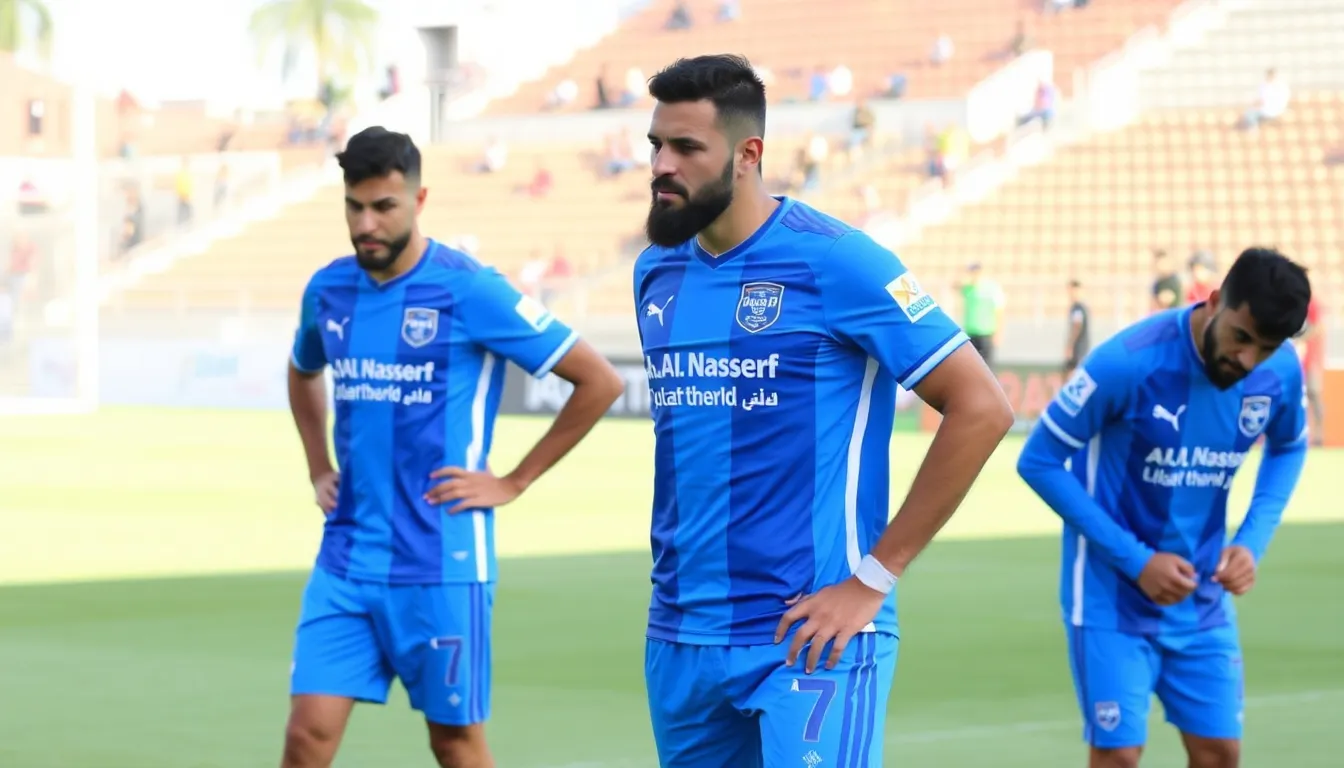
In the early 2000s, Al Nassr enjoyed a resurgence, driven by a blend of local talent and strategic signings. The club’s ability to attract high-profile players and coaches, along with substantial financial backing, allowed them to compete at the highest levels, both domestically and in regional tournaments. This golden era saw them clinch multiple league titles and establish themselves as a formidable opponent on the pitch.
However, the landscape of Saudi football began to shift dramatically in the last decade. The influx of foreign investment in rival clubs, coupled with changes in management and coaching staff at Al Nassr, led to inconsistencies in performance. The club’s failure to adapt to the evolving dynamics of the league, including the introduction of new competition rules and the rise of other clubs, contributed to their decline.
The impact of economic and political factors
The economic environment in Saudi Arabia has also played a crucial role in Al Nassr’s fortunes. With the government’s Vision 2030 initiative aiming to diversify the economy and promote sports, clubs across the nation have been competing for resources and attention. Al Nassr’s financial strategies, once effective, have come under scrutiny as rival teams secured lucrative sponsorships and investments. This shift has highlighted the disparity in resources, which has further exacerbated the club’s challenges. For more on market dynamics in football, refer to our Overview of the Cordón Market Review.
As Al Nassr grapples with these issues, the social implications are equally significant. The club’s fan base, once vibrant and hopeful, now faces disillusionment as expectations clash with reality. The recent downturn has sparked discussions among supporters about the future direction of the club, raising questions about leadership, investment, and the overall vision for restoring Al Nassr to its former glory.
Key stakeholders and issues surrounding Al Nassr’s crisis
Al Nassr Football Club, once a dominant force in Saudi Arabian football, now finds itself at a crossroads following a dramatic decline in performance and morale. This situation involves various stakeholders, each with distinct interests and concerns that contribute to the unfolding narrative.
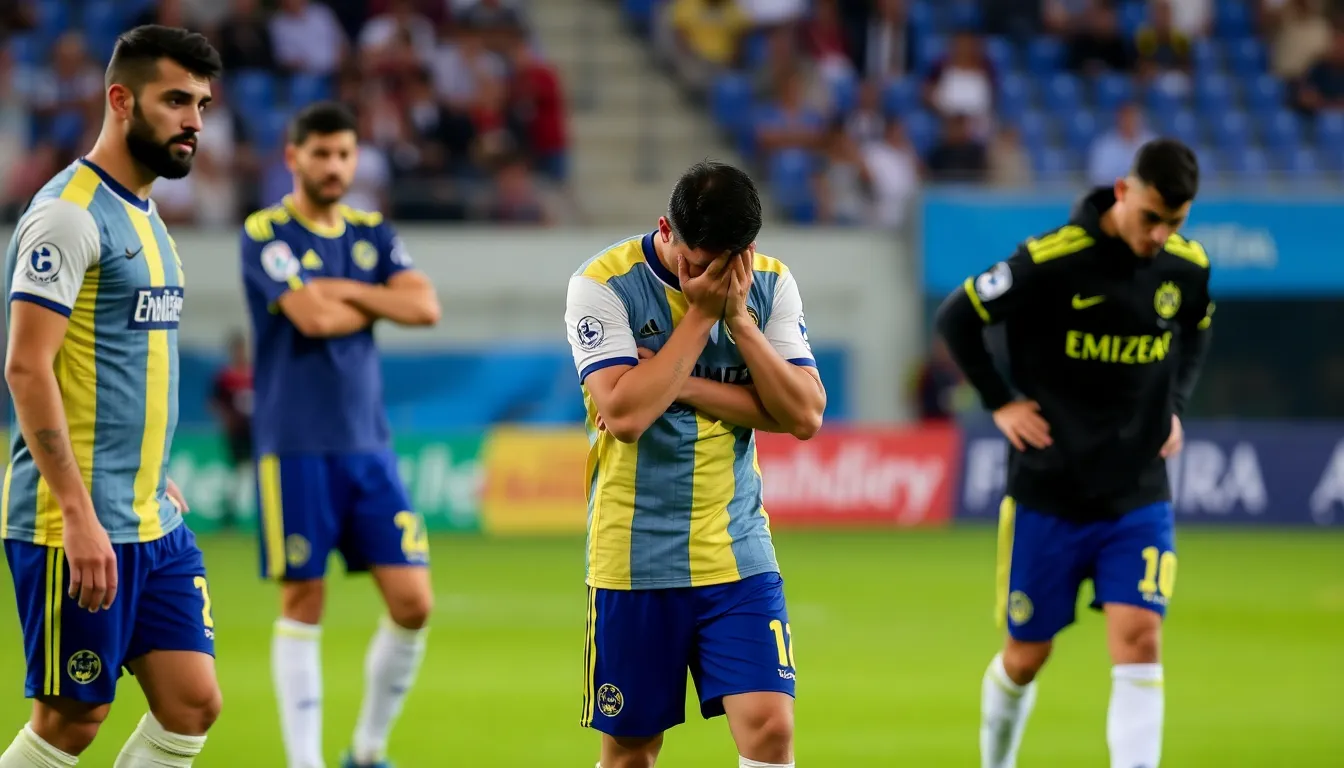
Firstly, the club’s management and ownership are pivotal stakeholders. Their primary interest lies in restoring the club’s reputation and competitive status within both domestic and international football. This includes addressing financial stability, player retention, and strategic planning for future seasons. The management faces pressure from fans and sponsors to deliver results, which can lead to conflicts over resource allocation and coaching decisions. In light of recent management shifts in other clubs, consider reading about Iraola’s comments on Semenyo’s future with Bournemouth.
Players are another critical group affected by the current crisis. Their interests revolve around job security, performance incentives, and overall team morale. The psychological impact of the club’s poor performance can lead to a decline in individual player performance, further complicating the situation. Additionally, high-profile players brought in to elevate the club’s status may face scrutiny regarding their contributions and commitment.
Fans and supporters represent a passionate stakeholder group whose loyalty can significantly influence the club’s atmosphere. Their dissatisfaction can manifest in protests or reduced attendance, impacting the club’s revenue and public image. The emotional investment of fans creates a unique pressure on the management to respond effectively to the crisis.
- Financial implications: The club may face economic challenges due to reduced ticket sales and sponsorship revenue.
- Player contracts: The management must navigate complex contracts and potential transfer negotiations amidst performance-related issues.
- Reputation management: Al Nassr’s ability to maintain a positive image is crucial for attracting future talent and investment.
- Fan engagement: Rebuilding trust and engagement with the fanbase is essential for the club’s long-term success.
- Coaching decisions: The choice of coaching staff can significantly impact team dynamics and performance moving forward.
In summary, the interplay between these stakeholders highlights the multifaceted nature of Al Nassr’s current crisis, where conflicts of interest and economic pressures converge, shaping the club’s future trajectory.
The implications of Al Nassr’s collapse on fans and the league
The recent downturn of Al Nassr from title contenders to a struggling club has far-reaching implications for various stakeholders, particularly fans, local businesses, and the Saudi Pro League. The emotional investment of fans, who once celebrated their team’s successes, has now shifted to disappointment and concern, creating a palpable sense of unrest among the supporter base.
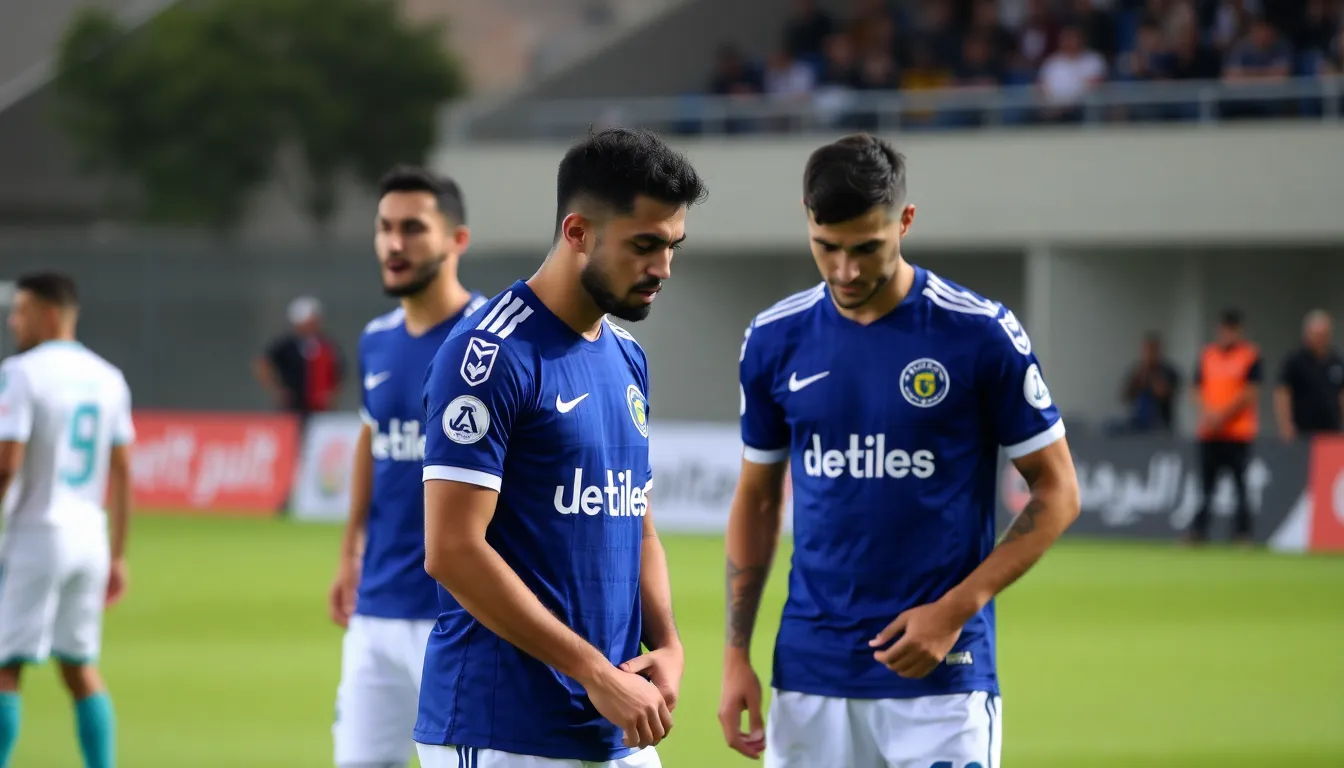
Local businesses that thrive on match days, such as restaurants, merchandise shops, and transportation services, are likely to experience a significant decline in revenue. The drop in attendance at games due to diminished enthusiasm can lead to a ripple effect, impacting jobs and local economies. This situation could force many small businesses to rethink their strategies or even face closures.
In the mid-term, the implications extend to the league itself, which may suffer from reduced viewership and sponsorship interest. The allure of a competitive league is diminished when marquee teams like Al Nassr falter. This could lead to a reevaluation of marketing strategies and investment in player recruitment across the league, as clubs strive to maintain viewer engagement.
- Decreased Fan Engagement: Fans may become disillusioned, leading to lower attendance and reduced merchandise sales.
- Economic Impact on Local Businesses: Restaurants and shops near stadiums may see a drop in sales, affecting their sustainability.
- League Reputation at Risk: The overall competitiveness of the Saudi Pro League could be questioned, impacting future sponsorship deals.
- Potential for Rebuilding: This crisis may prompt a strategic overhaul, leading to new talent acquisition and improved team dynamics.
While the immediate risks are evident, there are also opportunities for growth and transformation. Clubs may seize this moment to invest in youth academies or scouting systems, potentially leading to a more sustainable model for talent development. Furthermore, fan engagement strategies could be revamped to reignite passion and loyalty, turning a crisis into a catalyst for positive change.
A: Al Nassr’s title charge failure can be attributed to a combination of poor performance, injuries to key players, and tactical missteps by the coaching staff. A: The crisis has significantly impacted the team’s morale, leading to frustration among players and fans alike, as expectations were high for a successful season. A: The coach may face scrutiny and possible dismissal if the team’s performance does not improve, as management will be under pressure to restore the club’s competitive edge. A: Fans have expressed disappointment and concern over the team’s recent performances, with many calling for changes in leadership and strategy. A: Moving forward, Al Nassr will need to reassess its strategy, possibly make roster changes, and focus on rebuilding team confidence to regain its competitive stature.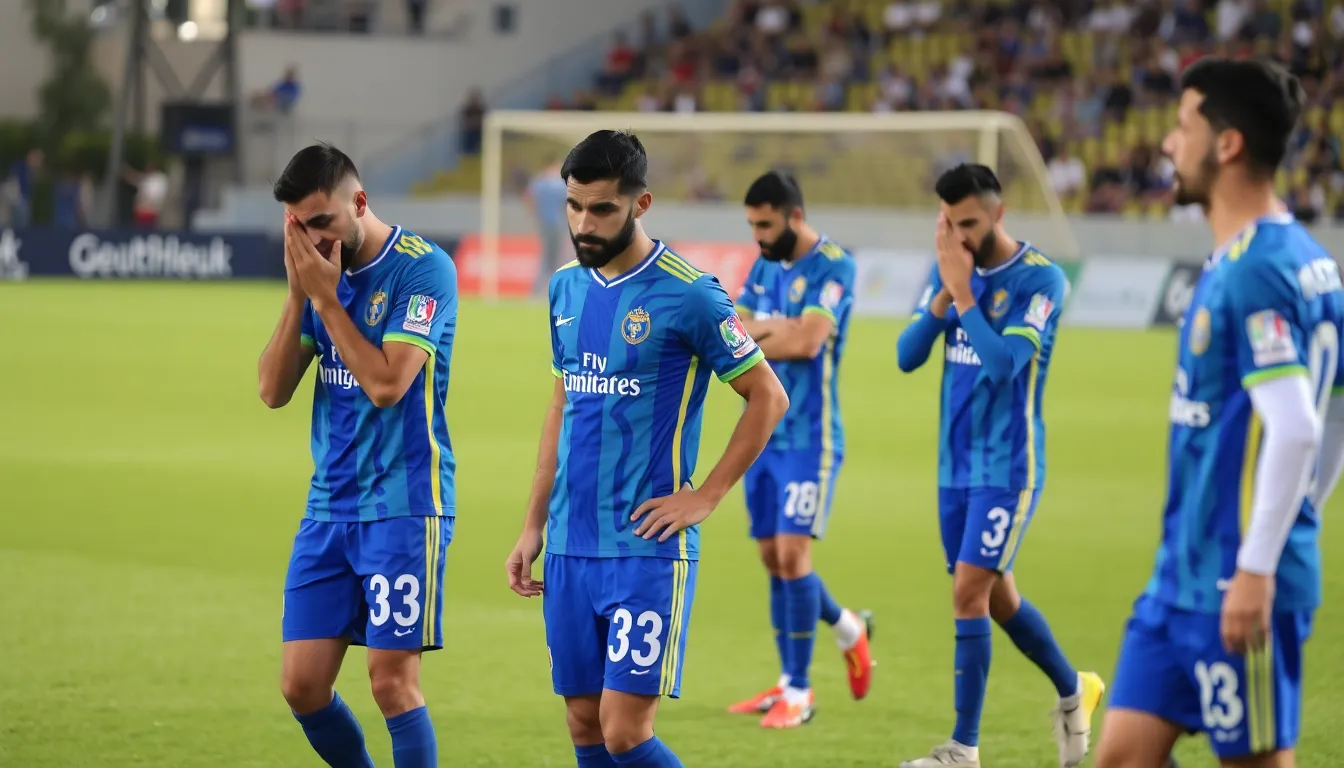
Frequently Asked Questions about Al Nassr’s situation
Key takeaways and future outlook for Al Nassr
The recent downturn in Al Nassr’s performance marks a significant shift from their previously dominant form. This sudden change raises questions about the stability of the team’s structure and the effectiveness of its strategies moving forward. As the club navigates this turbulent period, understanding the underlying factors contributing to their decline will be crucial for a potential resurgence.
Looking ahead, the management must focus on addressing both tactical deficiencies and player morale to restore confidence and competitiveness. The coming months will be pivotal in determining whether Al Nassr can reclaim its status as a title contender or if it will continue to struggle in the face of mounting pressure.
- Monitor changes in coaching staff and their impact on team dynamics.
- Assess the performance and fitness levels of key players, particularly those who are underperforming.
- Evaluate the club’s transfer strategy in the upcoming window to strengthen weak areas.
- Watch for adjustments in tactical approaches in response to recent failures.
- Keep an eye on fan and media reactions, as they can influence team morale and club decisions.