The Boxing Day fixtures have a rich history, dating back to the late 19th century, when clubs began to play matches after Christmas Day. This has evolved into a unique aspect of British culture, where attending a football match is seen as a way to continue the holiday festivities. For more information on the matches during this time, check out the AFCON Boxing Day Matches. In the 2022 season, for instance, over 1.5 million fans attended matches across the country during this period.
The significance of these matches extends beyond just entertainment; they also contribute significantly to local economies. Pubs, restaurants, and shops in the vicinity of stadiums often see a spike in business during this time, as fans gather to celebrate and socialize before and after the games. Furthermore, the matches are broadcasted widely, drawing in millions of viewers who engage with the sport from home, similar to the fan engagement seen during Premier League buildup.
However, the scheduling of these fixtures has sparked debate among players and managers regarding player welfare and the congested fixture list. Concerns about injuries and fatigue have been raised, particularly as teams compete in multiple competitions during the busy holiday period. Despite these challenges, the tradition remains deeply embedded in British culture, highlighting the enduring love for football during the festive season, reminiscent of the fervor in events like the LaLiga matches.
The historical origins of Christmas football in the UK
The tradition of playing football during the Christmas season in the UK can be traced back to the 19th century, a time when the game was becoming increasingly popular among the working classes. With the establishment of formal leagues and clubs, the festive period provided an opportunity for communities to come together and celebrate, often with a match that highlighted local rivalries.

One of the earliest recorded instances of football being played on Christmas Day dates back to 1860 in England. This match, held in Sheffield, was part of a larger trend where local teams would compete against one another, providing an outlet for social interaction and community spirit during the holiday season. The matches often drew large crowds, becoming an integral part of the festive celebrations.
The significance of Christmas football grew throughout the late 19th and early 20th centuries, particularly as the Football League was founded in 1888. Clubs began to schedule matches on Boxing Day, December 26th, which allowed for a greater turnout and reinforced the idea of football as a family-friendly activity. This shift also coincided with the rise of the professional game, where clubs sought to maximize attendance and revenue during the holiday period.
The impact of World Wars on Christmas football
During both World Wars, the tradition of Christmas football faced challenges, as many players enlisted and matches were often canceled due to the war efforts. However, the spirit of the game persisted, with informal matches being played by soldiers and civilians alike. This resilience highlighted the importance of football as a means of escape and community bonding, reinforcing its status as a cherished holiday tradition.
In the post-war years, the return to normalcy saw a resurgence of Christmas football, with clubs embracing the tradition as a way to reconnect with their fanbase. Today, the matches are not just about competition but also about celebrating heritage, community, and the joy of the festive season, making football at Christmas a truly British tradition.
Key stakeholders and their roles in Christmas football traditions
Christmas football in the UK involves a variety of stakeholders, each with distinct interests and influences. The primary actors include football clubs, players, fans, broadcasters, and governing bodies such as the Football Association (FA) and the English Premier League (EPL). Each group plays a crucial role in sustaining this festive tradition, which has become a significant part of British culture.
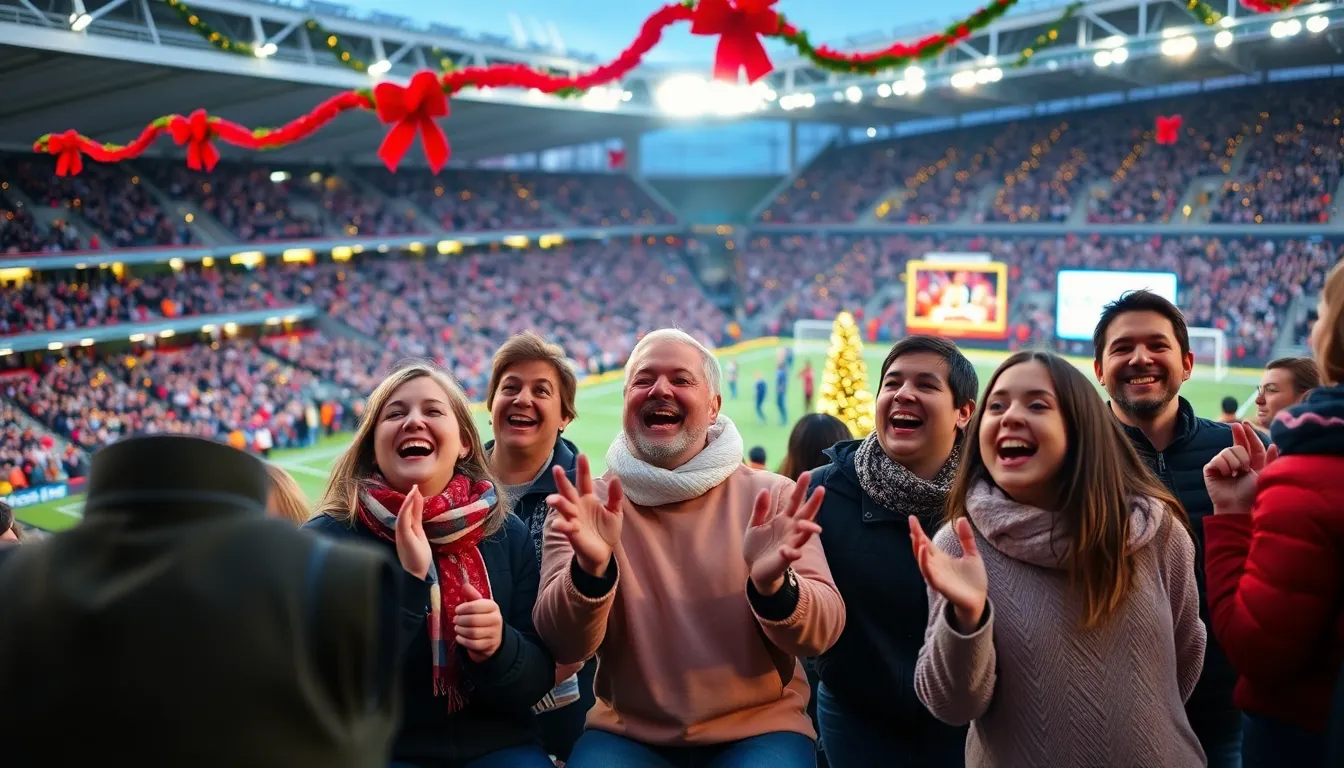
Football clubs are central to the Christmas football tradition, as they organize matches during the holiday season. Their interests often revolve around maximizing revenue through ticket sales, merchandise, and broadcasting rights. Clubs may face conflicts between the desire to generate income and the need to provide players with adequate rest and recovery time, especially during a congested fixture schedule.
Players are another key stakeholder, as they are directly affected by the demanding Christmas schedule. While many players enjoy the festive matches due to the vibrant atmosphere and passionate fan support, there are concerns about physical strain and potential injuries resulting from playing multiple games in quick succession. This raises questions about player welfare and the balance between entertainment and health.
Fans are perhaps the most passionate stakeholders, as they drive the demand for Christmas football. Their interests include the enjoyment of festive matches and the opportunity to support their teams during a time of celebration. However, fans also face challenges, such as increased ticket prices and potential travel difficulties during the holiday season, which can create tension between clubs and their supporter bases.
- Broadcasting companies: They play a significant role in promoting Christmas football, often bidding for rights to air matches. Their interests lie in attracting viewers and maximizing advertising revenue, which can influence match scheduling and timings.
- Local governments: They are involved in managing the logistics of match days, including traffic, public safety, and community engagement. Their interests may conflict with those of clubs regarding resource allocation and public services.
- Merchandise retailers: The festive season is a peak time for sales, and retailers often capitalize on football-related merchandise. Their interests align with promoting team spirit but can lead to concerns about consumerism overshadowing the holiday’s true meaning.
The impact of Christmas football on fans and local communities
Christmas football has a profound effect on various groups, particularly fans, local communities, and businesses associated with the sport. The tradition of playing matches during the festive season creates a unique atmosphere that brings people together, fostering a sense of community and shared experience. This impact is felt across the UK, where football is deeply ingrained in the cultural fabric.

In the short term, the influx of fans attending matches leads to increased economic activity in local areas. Pubs, restaurants, and shops benefit from the surge in visitors, creating a vibrant festive economy. This boost can be particularly significant for smaller towns that rely on matchday traffic to sustain their local businesses. However, the demands of hosting large crowds can also strain local resources and infrastructure.
Mid-term impacts include the potential for strengthened community ties as families and friends gather to support their teams. This sense of unity can enhance local identity and pride, especially in regions with a rich football heritage. Conversely, there are risks associated with increased foot traffic, such as public safety concerns and the potential for antisocial behavior, which local authorities must manage effectively.
Moreover, the football calendar during Christmas opens up opportunities for clubs to engage with their fan base through special events, promotions, and community outreach initiatives. Clubs can capitalize on the festive spirit to enhance their brand visibility and strengthen relationships with supporters. However, the challenge remains for clubs to balance commercial interests with the preservation of the tradition and spirit of the game.
- Boost in local business revenue
- Strengthened community ties and local identity
- Increased public safety concerns
- Opportunities for clubs to engage with fans
- Potential strain on local resources
A: Football on Christmas Day has historical roots dating back to the 19th century, when it was a popular pastime for families and communities. It has since become a cherished tradition that brings people together. A: Yes, many clubs schedule traditional fixtures on Boxing Day, the day after Christmas, which has become a significant event in the football calendar. A: Fans often gather with family and friends to watch matches, enjoy festive food, and partake in the holiday spirit, making it a communal event. A: While Christmas football is most prominent in the UK, similar traditions can be found in other countries, although they may not be as widespread. A: Christmas football generates significant revenue for clubs through ticket sales, merchandise, and broadcasting rights, benefiting local economies.
Frequently Asked Questions about Christmas Football
Looking ahead at the future of Christmas football in Britain
As the festive season approaches, the tradition of football during Christmas remains a cornerstone of British culture. This unique blend of sport and celebration not only brings communities together but also enhances the festive spirit, creating a sense of belonging among fans. The ongoing evolution of the game, influenced by factors such as technology and changing viewer habits, will play a significant role in shaping how this tradition continues to thrive.
Looking forward, it is essential to consider how the integration of modern practices and the enduring passion for football will impact the Christmas fixtures. The potential for innovation in broadcasting, fan engagement, and community outreach will be crucial in maintaining the relevance of this cherished tradition amidst a rapidly changing landscape.
- Increased focus on fan experience: Clubs may invest more in enhancing the matchday experience during the festive period, ensuring that it remains a family-friendly event.
- Technological advancements: The use of augmented reality and virtual experiences could attract a younger audience, bridging the gap between tradition and modernity.
- Community initiatives: Clubs might expand their outreach programs during Christmas, reinforcing their role as community hubs and promoting inclusivity.
- Broadcasting innovations: With the rise of streaming services, the way fans consume Christmas football could shift, leading to new viewing experiences.
- Preservation of tradition: Despite changes, the core values of camaraderie and celebration surrounding Christmas football are likely to remain strong, ensuring its place in British culture.