Key players in this negotiation include prominent broadcasters and streaming platforms that have recognized the growing interest in African football. By securing these rights, CAF aims to attract a wider audience and generate increased revenue, which is crucial for the development of the sport in Africa. The deals are expected to provide comprehensive coverage of the tournament, including live matches, highlights, and analysis.
In recent years, the popularity of African football has surged, driven by the success of players in major European leagues. This has led to a significant increase in demand for quality broadcasts of tournaments like AFCON, which showcases some of the continent’s best talent. The finalized agreements mark a pivotal moment for CAF as it seeks to capitalize on this momentum and elevate the profile of African football internationally.
As the tournament approaches, fans across Europe can look forward to enhanced access to AFCON matches, which will not only entertain but also foster a deeper appreciation for the sport. The agreements are seen as a crucial step in positioning African football as a competitive force on the world stage, aligning with CAF’s vision for the future of the game.
The significance of media rights in sports
Media rights in sports have evolved into a crucial aspect of the sporting ecosystem, influencing not just the financial health of leagues and tournaments but also shaping the way fans engage with their favorite sports. The sale of broadcasting rights has become a significant revenue stream for sports organizations, allowing them to invest in facilities, player development, and grassroots initiatives. The African Cup of Nations (AFCON), organized by the Confederation of African Football (CAF), is no exception, as it seeks to maximize its reach and impact through strategic media agreements.
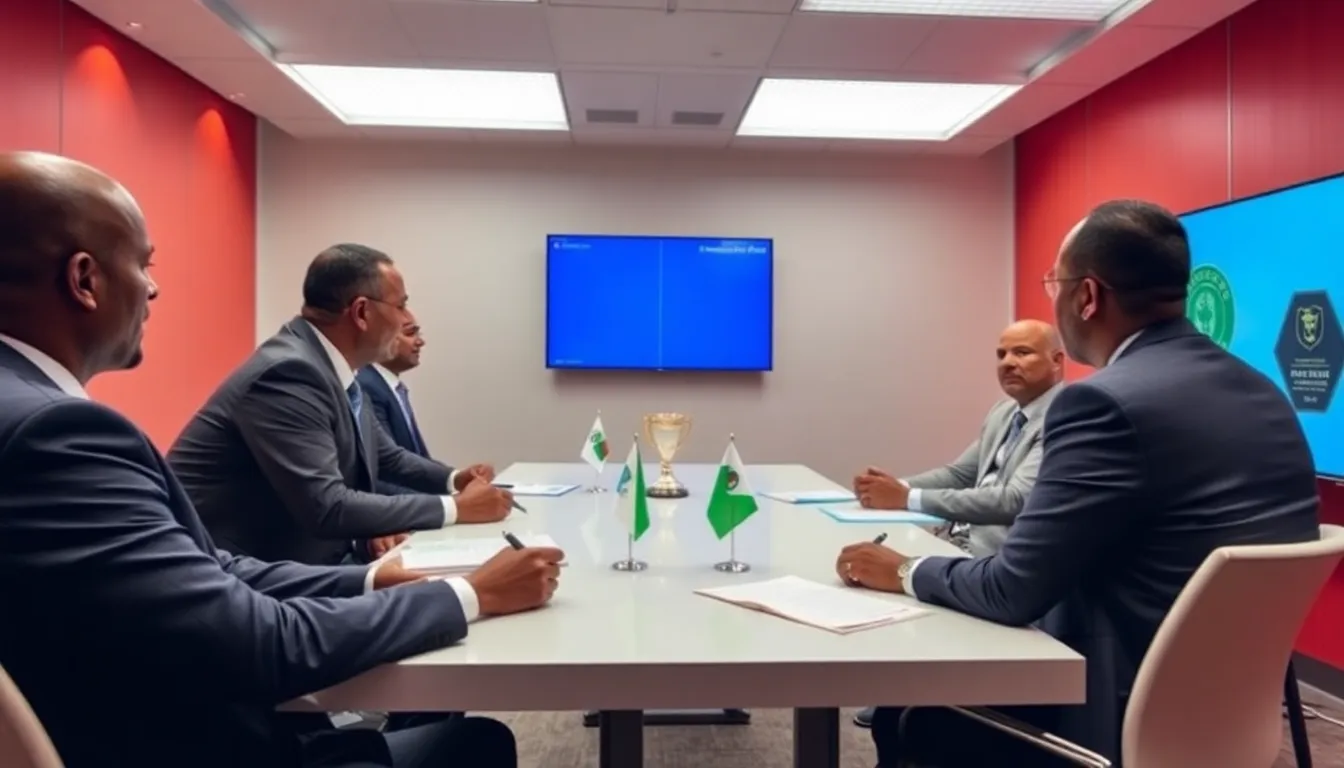
Historically, African football has struggled for visibility on global platforms, often overshadowed by European leagues and tournaments. However, with the growing popularity of African football and the increasing interest from international broadcasters, CAF has recognized the potential to enhance its media rights agreements. This shift has been marked by a series of strategic partnerships that aim to elevate the profile of African football on the world stage, particularly in the lead-up to major tournaments like AFCON.
In recent years, several key milestones have marked the evolution of media rights in African football. The introduction of digital platforms has disrupted traditional broadcasting models, allowing for more flexible viewing options and broader audience engagement. Additionally, the success of African players in European leagues has drawn attention to the continent’s talent, prompting broadcasters to invest more in African tournaments. These developments have paved the way for CAF to negotiate lucrative media rights deals that reflect the growing market for African football.
Political and Economic Implications
The political landscape in Africa also plays a role in shaping media rights agreements. Governments and local stakeholders are increasingly recognizing the value of sports as a tool for nation-building and economic development. By securing media rights deals, CAF not only enhances its financial standing but also contributes to the broader economic growth of the region. This interplay between sports, politics, and economics underscores the importance of media rights as a catalyst for change and development in African football.
Key stakeholders and their interests in the agreements
The recent agreements concluded by the Confederation of African Football (CAF) for European media rights ahead of the African Cup of Nations (AFCON) highlight a complex interplay of interests among various stakeholders. Key actors include CAF, broadcasting networks, national football associations, and sponsors, each with distinct motivations and expectations.
CAF, as the governing body for African football, aims to enhance its revenue streams through lucrative broadcasting deals. By securing agreements with European media outlets, CAF not only increases its financial resources but also boosts the visibility of African football on a global stage. This visibility is crucial for fostering a larger fan base and attracting potential sponsors.
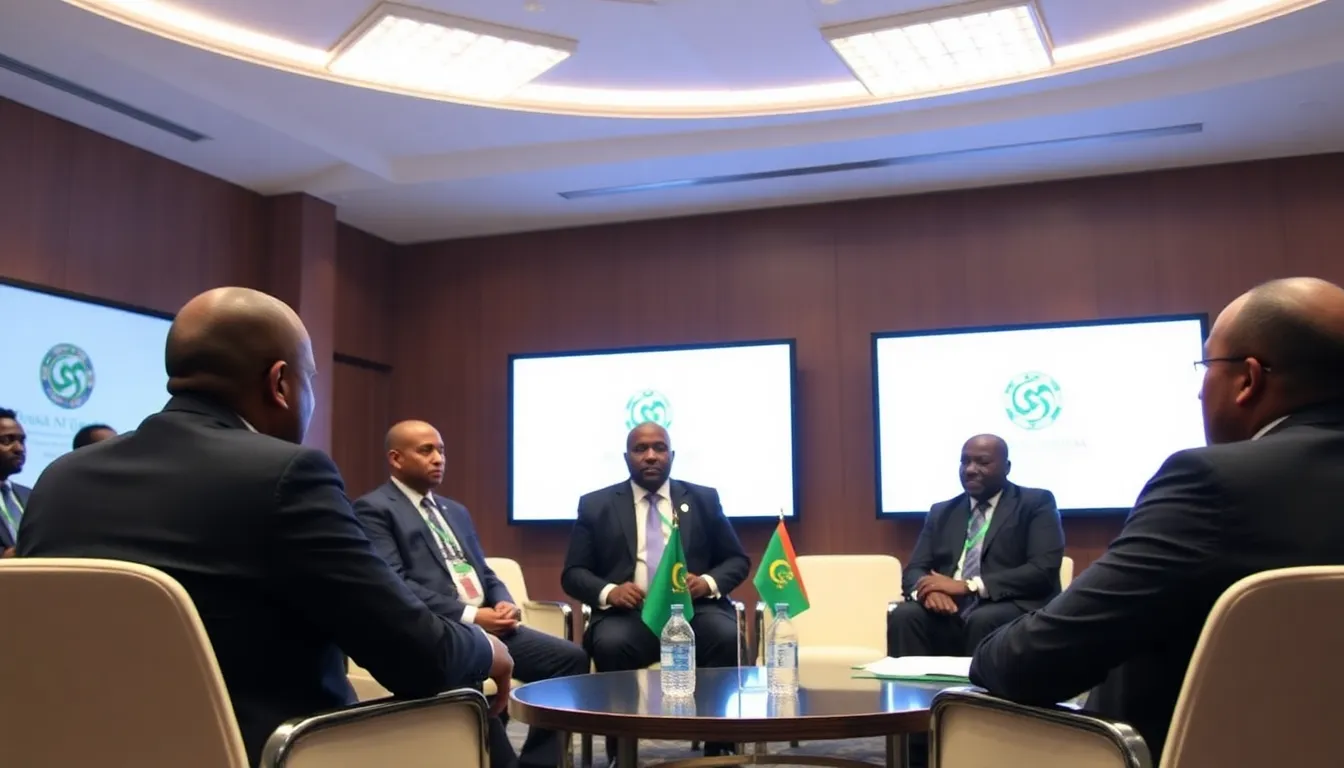
Broadcasting networks, on the other hand, are motivated by the potential for high viewership and advertising revenue. The African Cup of Nations, being one of the continent’s premier football tournaments, offers broadcasters the opportunity to tap into a significant audience, especially among the African diaspora in Europe. However, they must balance the costs of acquiring broadcasting rights with the expected return on investment.
- National football associations may have differing views on the agreements, as they seek to maximize their own revenue from media rights while ensuring fair distribution of funds from CAF.
- Sponsors are interested in the exposure that comes from high-profile broadcasts, which can enhance brand recognition and engagement with fans.
- Legal issues may arise regarding the exclusivity of broadcasting rights, potentially leading to disputes among stakeholders over access and revenue sharing.
- Economic factors such as the impact of global events on advertising budgets can influence the viability of these media rights agreements.
In summary, the interplay of interests among CAF, broadcasters, national associations, and sponsors creates a dynamic landscape where conflicts and trade-offs are inevitable. Understanding these relationships is essential for comprehending the broader implications of the media rights agreements for African football and its stakeholders.
Potential impact on viewership and sponsorship
The recent agreements by the Confederation of African Football (CAF) for European media rights ahead of the African Cup of Nations will have significant implications for various stakeholders. This includes broadcasters, advertisers, fans, and local businesses in host countries. The enhanced visibility of the tournament is expected to boost viewership across Europe, which could lead to increased sponsorship opportunities.
In the short term, broadcasters will likely see a surge in audience engagement as fans tune in to watch their favorite teams compete. This heightened interest can translate into higher advertising revenues, benefiting both media companies and advertisers looking to capitalize on the tournament’s popularity. Furthermore, local businesses in host nations may experience a boost in sales as fans gather to watch matches in public venues.
Mid-term impacts could involve shifts in marketing strategies for brands seeking to align themselves with the excitement surrounding the tournament. Companies may invest more in sports sponsorships and partnerships, as the visibility of the African Cup of Nations grows in European markets. This could lead to a more competitive landscape among brands, driving innovation in advertising and promotional campaigns.
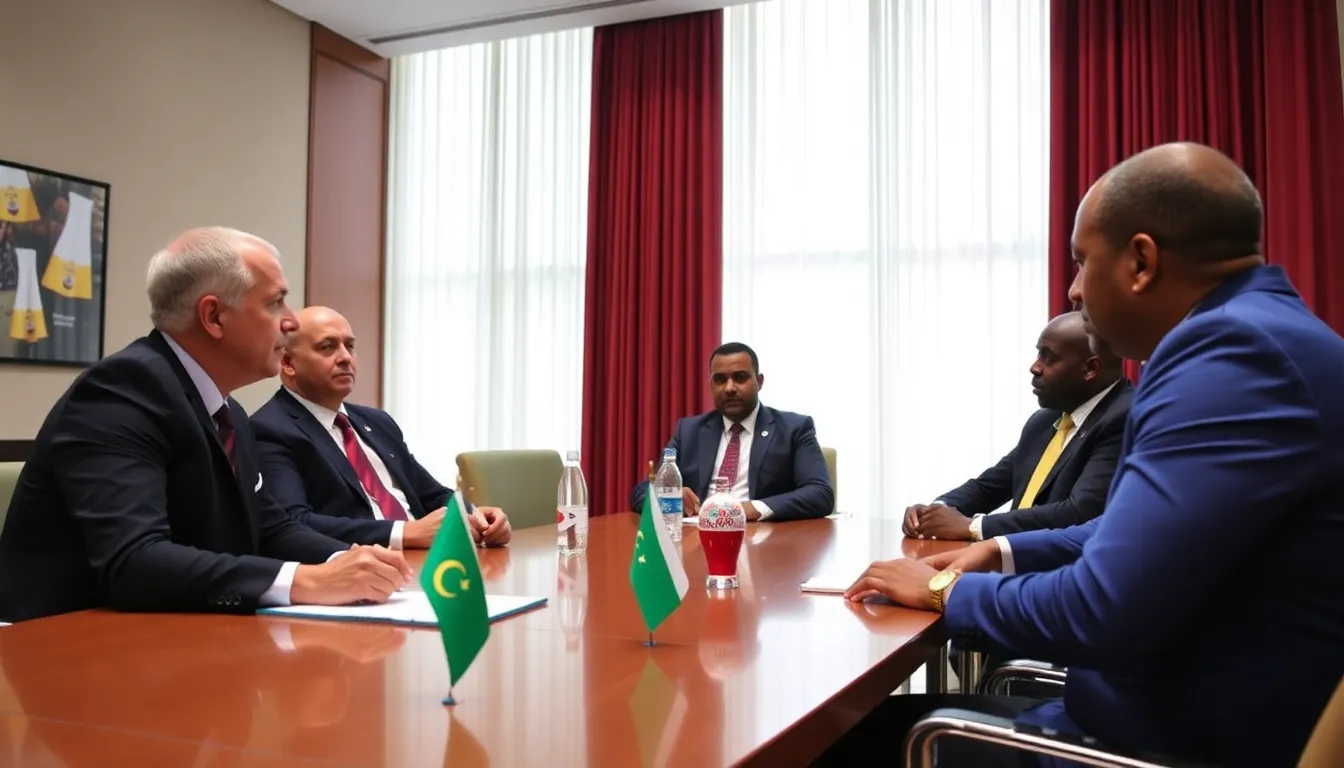
However, there are also risks associated with these developments. If the tournament does not meet audience expectations or if there are issues related to broadcasting quality, it could dampen interest and negatively impact sponsorship deals. Additionally, the reliance on European markets may overshadow local engagement, potentially alienating fans in Africa.
- Increased viewership and advertising revenue for broadcasters.
- Boost in local business sales in host countries.
- Shift in marketing strategies for brands seeking sponsorship opportunities.
- Risks of audience disengagement if expectations are not met.
A: The agreement allows broadcasters in Europe to air matches from the African Cup of Nations, increasing the tournament’s exposure and accessibility to fans. A: Enhanced media rights agreements are expected to boost revenue through broadcasting fees, which can be reinvested into the tournament and grassroots football. A: Specific broadcasters have been confirmed, but details will be disclosed closer to the tournament date to maximize promotional impact. A: Media rights are crucial for CAF as they provide financial resources and help raise the profile of African football on a global stage. A: With these agreements, viewership is anticipated to rise significantly, as more fans will have access to watch the matches live.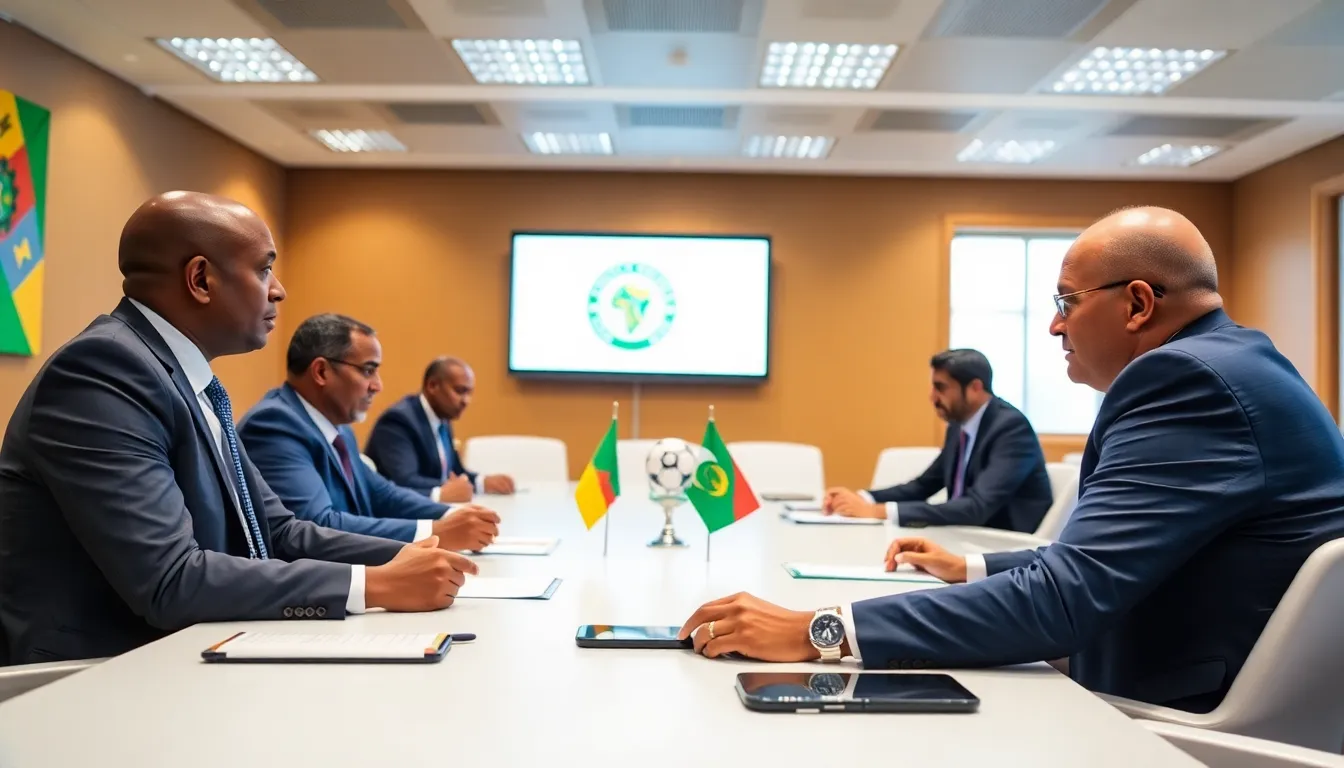
Frequently asked questions about the media rights agreements
Looking ahead: implications for the African Cup of Nations
The recent agreements by the Confederation of African Football (CAF) to secure European media rights mark a significant step in enhancing the visibility and commercial potential of the African Cup of Nations (AFCON). This strategic move is likely to not only increase the tournament’s global audience but also attract more sponsorship and investment opportunities, which are crucial for the growth of African football.
As the tournament approaches, stakeholders should closely monitor the impact of these media rights deals on fan engagement and participation levels. The enhanced broadcasting reach could lead to greater interest from international audiences, potentially reshaping the competitive landscape of African football on a global scale.
- Increased visibility may attract top talent to the tournament, enhancing its competitive quality.
- Broader media exposure could lead to higher sponsorship deals, benefiting local football development.
- Fans across Europe may engage more actively, influencing ticket sales and merchandise opportunities.
- The success of these media rights deals could pave the way for future partnerships with global networks.
- Monitoring fan engagement metrics will be crucial to assess the true impact of these agreements.