The event, which took place on October 15, 2023, saw crowds gathering in various cities across Argentina, including Buenos Aires. As fans sang songs that included references to the Malvinas, the atmosphere was a blend of irony and national pride, showcasing the complex relationship between the two nations.
This celebration is significant as it reflects Argentina’s ongoing struggle with its national identity and historical grievances. The use of the Malvinas banner serves as a reminder of the unresolved tensions that linger from the past, even in moments of apparent sporting joy.
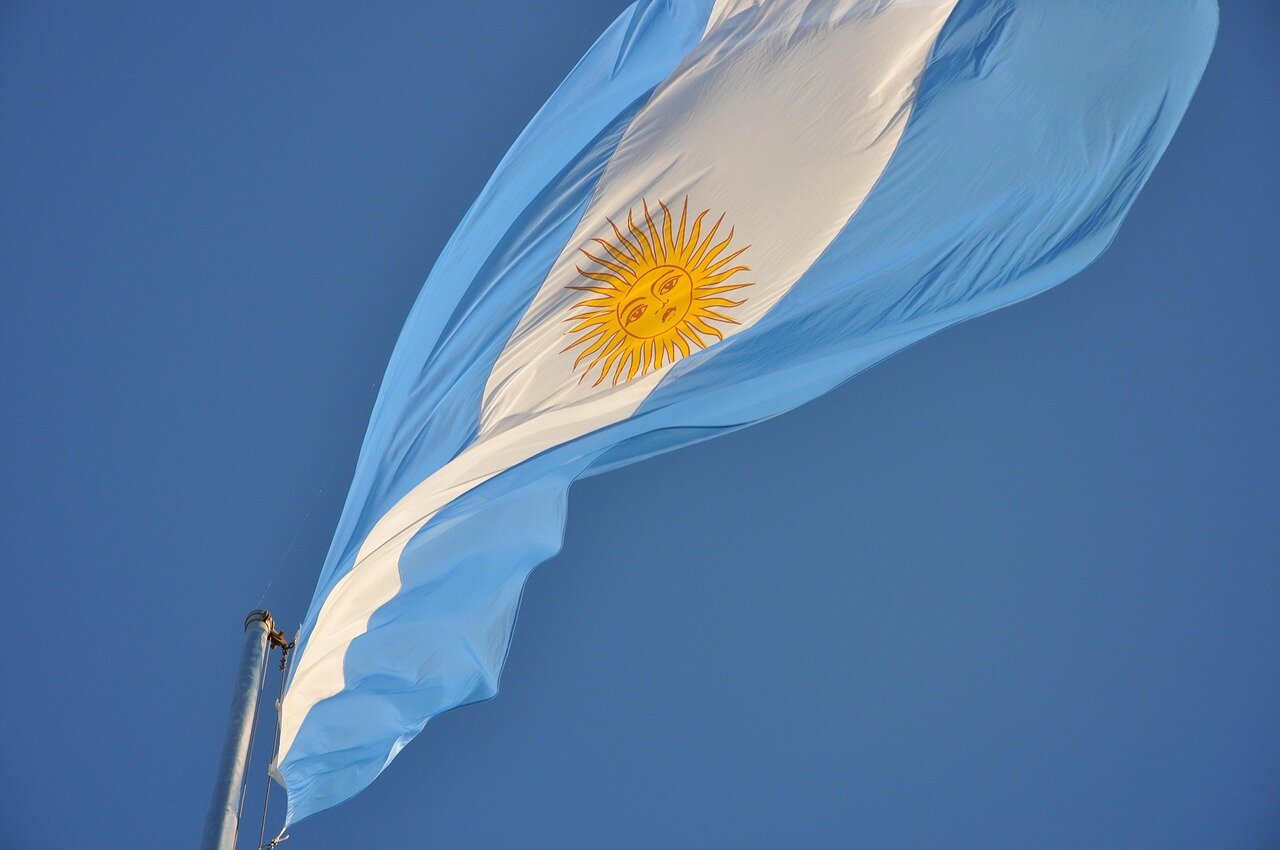
Football has long been a unifying force in Argentina, and this unique celebration highlights how sports can intertwine with national issues. The juxtaposition of celebrating an English victory while simultaneously asserting a claim over the Malvinas underscores the intricate dynamics of national sentiment in the context of global sports.
Historical context of the Malvinas conflict
The Malvinas Islands, known as the Falkland Islands in the UK, have been a point of contention between Argentina and the United Kingdom since the early 19th century. The conflict escalated in 1982 when Argentina invaded the islands, leading to a brief but intense war with British forces. The roots of the dispute can be traced back to colonial ambitions, with both nations claiming sovereignty over the islands based on historical presence and strategic interests.
In the 19th century, Argentina, which had declared independence from Spain in 1816, asserted its rights over the Malvinas based on its territorial integrity. Meanwhile, the UK had established a settlement on the islands in 1833, which Argentina viewed as an act of colonial aggression. The issue remained dormant for many years until the military junta in Argentina sought to rally nationalistic sentiments by reclaiming the islands, leading to the ill-fated invasion.
The war lasted for ten weeks and resulted in the deaths of hundreds of soldiers from both sides. The British victory solidified their control over the islands, but it left a lasting scar on Argentine society and politics. The conflict has since become a symbol of national pride and a rallying point for various political movements in Argentina, as successive governments have sought to reclaim the islands through diplomatic means.
Impact on Argentine National Identity
The Malvinas conflict has significantly shaped Argentine national identity, intertwining issues of sovereignty, patriotism, and historical memory. The islands are often invoked in political discourse, serving as a reminder of past grievances and aspirations for national unity. Celebrations surrounding football victories, such as the recent one against England, often include references to the Malvinas, reflecting the enduring legacy of the conflict in contemporary Argentine culture.
The significance of the Malvinas banner in celebrations
The recent celebrations in Argentina following England’s win in a major sports event were marked by the display of a Malvinas banner, highlighting the ongoing tensions between the two nations regarding the disputed Falkland Islands. This act serves as a reminder of the historical conflict and the deep-rooted sentiments surrounding national identity and sovereignty.

Key stakeholders in this scenario include the Argentine government, which seeks to reaffirm its claim over the Malvinas, and the English football community, which may perceive the banner as a political statement rather than a mere celebration of sport. The interests of these actors often clash, leading to heightened emotions and public discourse.
Additionally, organizations such as human rights groups and international bodies may become involved, advocating for peaceful resolutions to the territorial dispute. The use of the Malvinas banner during celebrations can be seen as a form of protest, reflecting the Argentine public’s desire for recognition of their claim and the historical grievances associated with the conflict.
- National Identity: The banner symbolizes Argentine nationalism and the collective memory of the Malvinas War.
- Political Tensions: Displaying the banner during celebrations can exacerbate diplomatic relations between Argentina and the UK.
- Economic Implications: The ongoing dispute affects trade relations and economic cooperation between the two countries.
- Public Sentiment: The reaction from the Argentine public reflects a mix of pride and unresolved historical issues.
- International Perspective: The incident may draw attention from global audiences, influencing perceptions of both nations.
In summary, the celebration marked by the Malvinas banner encapsulates a complex interplay of historical grievances, national pride, and ongoing political tensions. Understanding these dynamics is essential for grasping the broader implications of such events in the context of international relations.

Reactions from the public and media
The recent celebration in Argentina following England’s win, marked by the display of a Malvinas banner and the singing of patriotic songs, has sparked diverse reactions across various groups and regions. This event resonates deeply within the Argentine public, particularly among those who feel a strong connection to the Malvinas Islands, which are a significant part of the national identity and historical narrative.
Industries related to tourism and cultural heritage may experience both positive and negative impacts. In the short term, the heightened emotions surrounding this event can lead to an increase in domestic tourism as locals engage in commemorative activities. Conversely, this could deter international visitors who may feel uncomfortable with the political undertones.
In the mid-term, businesses that capitalize on national pride, such as those selling merchandise related to the Malvinas, could see a surge in sales. However, companies with ties to England or those operating in sectors reliant on UK investments may face challenges as public sentiment could influence consumer behavior and investment decisions.
- Short-term impacts: Increased domestic tourism and local business sales.
- Mid-term impacts: Potential shifts in international investment and consumer behavior.
- Risks: Strained relations with England and potential backlash against UK-affiliated businesses.
- Opportunities: Growth for local businesses embracing national pride and cultural heritage.
Policy discussions may also emerge as a result of this event, with potential calls for the government to take a firmer stance on the Malvinas issue. This could lead to changes in diplomatic relations and affect trade agreements, influencing both local and international markets.
A: Argentina’s celebration is rooted in a complex historical relationship with England, particularly regarding the Malvinas Islands. The event highlights national pride and cultural expression. A: The Malvinas banner symbolizes Argentina’s claim over the Falkland Islands and serves as a reminder of the historical conflict between the two nations. A: Public reactions were mixed, with some expressing pride in the cultural expression, while others criticized the celebration of a rival country’s victory. A: Yes, media outlets covered the event extensively, focusing on the cultural implications and public reactions surrounding the celebration. A: The celebration is closely tied to the 1982 Falklands War, which has left a lasting impact on Argentine national identity and sentiment towards England.
Frequently asked questions about the celebration
Key takeaways from Argentina’s celebration
The recent celebrations in Argentina following England’s victory are a reflection of deep-seated historical sentiments surrounding the Malvinas Islands. The display of banners and the singing of songs highlight the ongoing tensions and national pride that continue to shape Argentina’s identity. This event not only serves as a reminder of past conflicts but also presents an opportunity for dialogue and understanding between nations.
As the world watches, it is essential to consider the implications of such celebrations on diplomatic relations and national narratives. The intertwining of sports and politics can influence public sentiment and may pave the way for future discussions regarding sovereignty and reconciliation.
- The event underscores the significance of sports as a platform for expressing national identity and historical grievances.
- Continued public displays regarding the Malvinas may impact Argentina’s diplomatic relations with the UK, necessitating careful navigation of these sentiments.
- Future sporting events could serve as opportunities for fostering dialogue, provided that both nations are open to addressing historical issues.
- Monitoring public reactions in Argentina can offer insights into the evolving national narrative surrounding the Malvinas dispute.
- The celebration may prompt other nations to reflect on their own historical narratives and the role of sports in shaping public discourse.