Yann Diomandé, a promising defender, has seen his value soar due to impressive performances in the domestic league and international competitions. His ability to command the defense and contribute to offensive plays has attracted attention from top clubs across Europe, leading to a reported increase of over 40% in his market value since the start of the season. This trend reflects the growing emphasis on youth development in football, similar to what is discussed in our article on the top midfielders.
Similarly, Nick Woltemade, an agile forward, has captured the spotlight with his goal-scoring prowess and versatility on the pitch. His recent performances in key matches have not only showcased his potential but have also resulted in a staggering rise in value, with estimates suggesting an increase of around 35% in just a few months.
This surge in market values is not just a reflection of individual talent but also highlights a broader trend in the football industry. Clubs are increasingly willing to invest in young players, recognizing the potential for high returns as these athletes develop into future stars. The growing emphasis on youth development and scouting is reshaping how teams approach their transfer strategies, making insights from coaching tactics ever more relevant.
The implications of this trend are significant for both players and clubs. For aspiring footballers, the success of Diomandé and Woltemade serves as a blueprint for how talent can be recognized and rewarded. For clubs, investing in young talent may prove to be a lucrative strategy in an ever-competitive market, where the demand for skilled players continues to rise.

Understanding the rise of young football talents
The landscape of professional football has witnessed a significant transformation over the past two decades, with a marked emphasis on nurturing young talents. This shift can be traced back to the early 2000s when clubs began investing heavily in youth academies, recognizing that developing homegrown players could provide both sporting and financial benefits. As a result, young players like Yann Diomandé and Nick Woltemade are now at the forefront of this trend, with their market values skyrocketing as they demonstrate their potential on international stages. Such developments echo the recent success of players earning contracts at higher levels.
Historically, the football industry has often favored seasoned players, but the economic pressures of modern football have prompted clubs to seek value in younger athletes. The financial ramifications of the COVID-19 pandemic further accelerated this trend, as clubs faced budget constraints and were compelled to look for cost-effective solutions. Young players, with their lower wage demands and high resale potential, became an attractive option for clubs striving to balance their books while remaining competitive.
Socially, the perception of young players has evolved. Fans and analysts alike have begun to appreciate the skills and maturity displayed by players in their late teens and early twenties. This cultural shift is evident in the increasing attention given to youth tournaments and the success of young stars in major leagues. The rise of social media has also played a crucial role, allowing young talents to showcase their skills and personality, thereby attracting a global following and enhancing their marketability.
Key milestones in youth player development
Several key milestones have marked the rise of youth players in football. The introduction of homegrown player rules in various leagues has encouraged clubs to invest in their academies. Additionally, the success of youth teams in international tournaments, such as the UEFA European Under-21 Championship, has highlighted the potential of these young athletes. As more clubs recognize the value of investing in youth, players like Diomandé and Woltemade are likely to continue leading the charge in terms of market growth and visibility in the sport.
Key factors influencing player value growth
The rapid increase in the market values of young football talents such as Yann Diomandé and Nick Woltemade can be attributed to several key stakeholders and their interests. Primarily, these players are at the center of attention, with their performance on the pitch directly impacting their marketability and financial worth. Clubs, agents, and scouts also play significant roles in this dynamic, each with distinct motivations that drive the valuation process.

Football clubs are eager to invest in young players, recognizing the potential for high returns on investment. As top performers in youth leagues, Diomandé and Woltemade attract interest from larger clubs looking to bolster their squads with fresh talent. This demand can lead to bidding wars, further inflating player values. Additionally, clubs aim to develop these players into stars, enhancing their own brand and financial stability in the competitive football market.
Agents also influence player valuations, as they negotiate contracts and endorsements that can significantly impact a player’s market appeal. Their interests align with maximizing the financial outcomes for their clients, which can sometimes lead to conflicts with clubs over transfer fees and contract terms. Furthermore, the agents’ relationships with clubs and scouts can create networks that either enhance or hinder a player’s growth trajectory.
- Market demand: The increasing interest from clubs in securing young talent drives up player values.
- Performance metrics: Players’ on-field performances are closely monitored, impacting their perceived worth.
- Agent negotiations: Agents play a crucial role in shaping market dynamics through their influence and negotiation tactics.
- Club strategies: Different clubs have varying approaches to youth development, which can affect player valuation.
- Economic factors: The overall financial health of the football industry influences how much clubs are willing to invest in young players.
Legal issues also come into play, particularly regarding player contracts and transfer regulations. The complexity of international transfers and the rules governing player eligibility can create challenges for clubs and agents alike. Additionally, economic factors such as the financial impact of global events can alter the landscape of player valuations, affecting both short-term and long-term investments in young talent.
How this affects clubs and player careers
The rapid rise in the market values of young talents like Yann Diomandé and Nick Woltemade has significant implications for various stakeholders in the football industry. Clubs, agents, and even fans are closely monitoring these developments, as they can influence transfer strategies and player development programs.
In the short term, clubs may feel pressure to invest in scouting and developing young players to capitalize on the increasing value of U23 talents. This can lead to a shift in focus towards youth academies and the integration of younger players into first teams. Additionally, clubs may engage in more aggressive marketing strategies to promote their young stars, enhancing their visibility and marketability.

Mid-term impacts could include changes in transfer policies, with clubs being more willing to sell young talents at a premium price. This could create a more volatile transfer market, where young players are seen as lucrative assets. Furthermore, clubs may need to adjust their financial strategies to accommodate the rising costs associated with acquiring and retaining top young talents.
However, there are risks associated with this trend. The pressure to perform can lead to burnout among young players, and clubs may prioritize short-term gains over long-term development. Additionally, the inflated market values could lead to financial instability for clubs that overextend themselves in pursuit of young talent.
- Increased investment in youth development: Clubs may allocate more resources to scouting and training.
- Shift in transfer market dynamics: Young players could become more valuable assets, impacting transfer strategies.
- Potential for player burnout: The pressure to perform may affect young athletes’ mental health.
- Financial risks: Clubs may face instability if they overinvest in young talent.
Conversely, this trend presents opportunities for clubs to enhance their brand by successfully nurturing young stars. By creating a reputation for developing top talent, clubs can attract more fans and sponsors, ultimately benefiting their bottom line.
A: Market value is influenced by factors such as player performance, potential, demand from clubs, and market trends. Scouting reports and player statistics also play a significant role. A: Increased player values can lead to higher transfer fees, which may affect a club’s financial strategy. Clubs may need to invest more in youth development to capitalize on these rising values. A: If they continue to perform well and develop their skills, it is likely that their market values will continue to rise. Consistency in performance is key. A: Agents can significantly influence player valuations by negotiating contracts, securing transfers, and promoting their clients’ talents to potential buyers.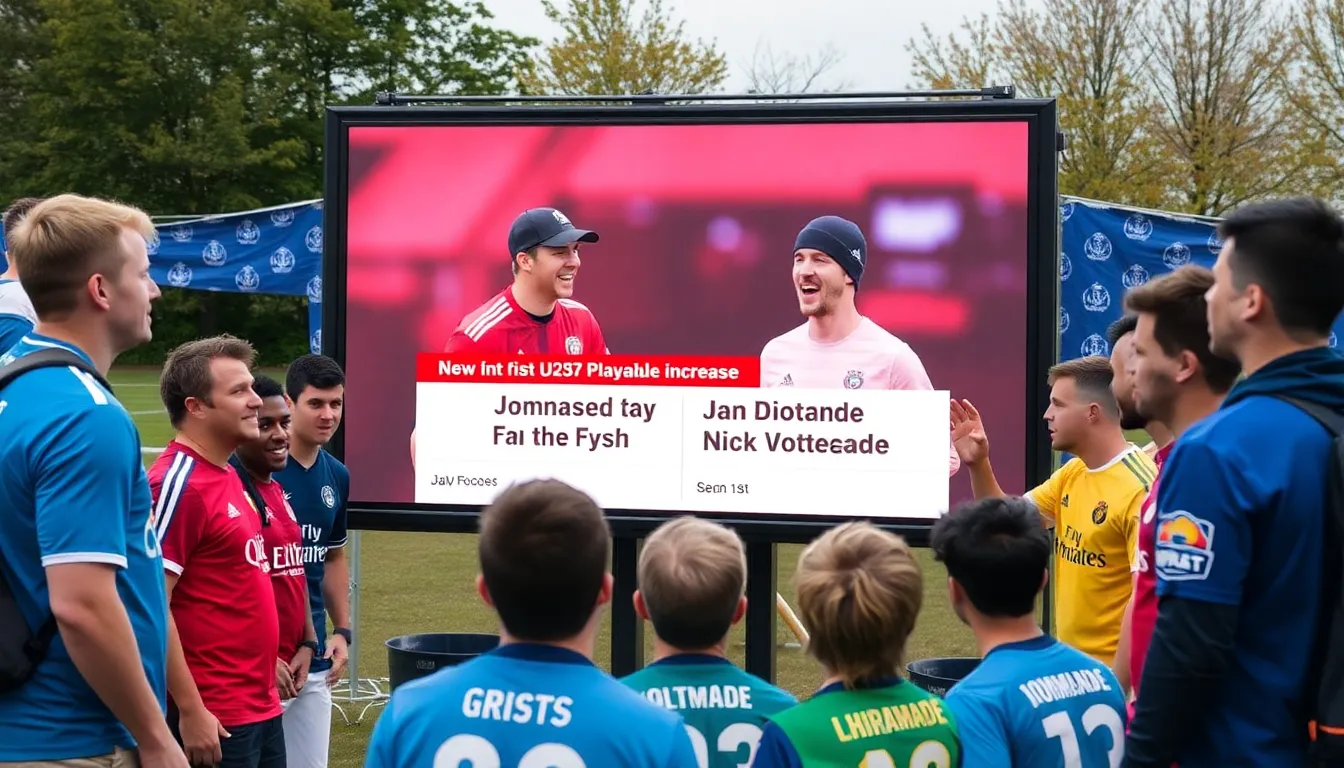
Frequently asked questions about player valuations
Future outlook on U23 player market dynamics
The rise of Yann Diomandé and Nick Woltemade in the rankings of fastest growing U23 player values signals a shift in the dynamics of the youth football market. As clubs increasingly invest in young talent, the implications for player valuation, scouting strategies, and overall market trends become more pronounced. This trend reflects not only the potential of these players but also the growing recognition of youth development as a critical component of successful football operations.
As teams look to capitalize on the potential of emerging stars, the focus on data-driven scouting and player development will likely intensify. Clubs may need to adapt their strategies to remain competitive in attracting and nurturing young talent, making it essential to monitor these developments closely.
- Investment in youth: Expect clubs to allocate more resources towards scouting and developing young players, recognizing their long-term value.
- Market volatility: Rapid increases in player values can lead to fluctuating market conditions, making it crucial for clubs to stay agile.
- Increased competition: A growing interest in U23 players will heighten competition among clubs, potentially driving up transfer fees.
- Data analytics: Emphasis on data analytics will become more significant in identifying and nurturing talent, influencing recruitment strategies.
- Global scouting networks: Clubs may expand their scouting networks internationally to tap into emerging markets and discover hidden gems.