The Premier League resumed its season shortly after the World Cup, with matches scheduled to kick off on December 26, 2022. This return to club football is crucial as it not only sustains fan engagement but also provides players an opportunity to showcase their talents on a global stage following the international tournament. For more on club movements, check out the article on Leicester City securing agreements.
In addition to the Premier League, BBC Sport is set to cover various other competitions, including the FA Cup and international friendlies. This extensive coverage allows fans to follow their favorite teams and players while also keeping an eye on emerging talents who may have shone during the World Cup.
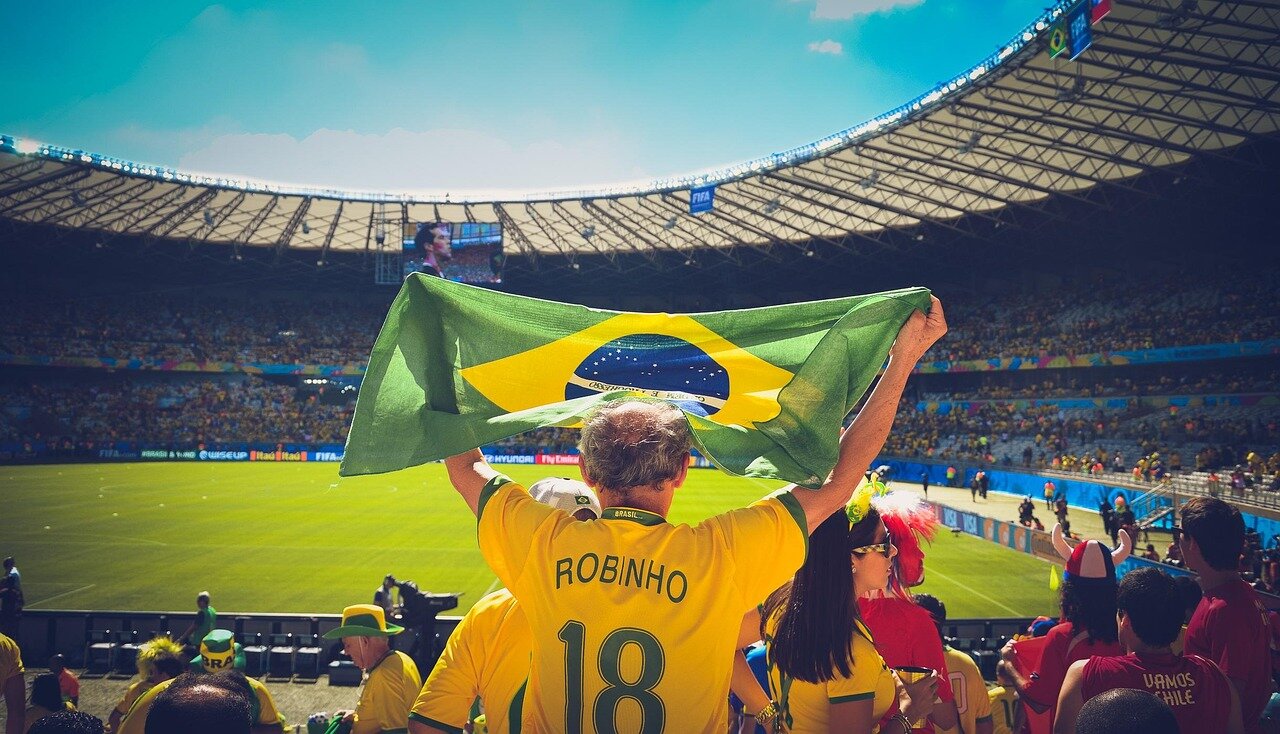
Moreover, the BBC’s commitment to football extends beyond live match coverage. Fans can expect in-depth analysis, interviews, and expert commentary, ensuring that the conversation around football remains dynamic and informative. This approach helps maintain interest in the sport and fosters a deeper connection between fans and the game, while sports governing bodies like FIFA continually work on improving the experience for fans.
Understanding the significance of football beyond the World Cup
Football is more than just a sport; it is a global phenomenon that transcends cultural and national boundaries. The FIFA World Cup, held every four years, captures the attention of millions, but the passion for football continues long after the final whistle. This enduring enthusiasm is supported by a rich history of local leagues, international tournaments, and a growing digital presence that keeps fans engaged year-round.
Historically, football has served as a unifying force, particularly in regions where social and political tensions run high. The sport has played a pivotal role in shaping national identities, as seen in post-colonial nations where football clubs became symbols of pride and resistance. Events such as the 1998 World Cup in France not only showcased athletic talent but also highlighted issues of immigration and integration, reflecting the diverse fabric of society.

Economically, the football industry has evolved into a multi-billion dollar enterprise. Clubs and leagues around the world generate revenue through broadcasting rights, sponsorships, and merchandise sales. The BBC Sport, for instance, has been instrumental in making football accessible to a wider audience, providing coverage of domestic leagues, international matches, and grassroots initiatives. This accessibility fosters a deeper connection between fans and the sport, ensuring that the excitement of football extends beyond major tournaments.
The Role of Technology in Football
Advancements in technology have also transformed the way fans engage with football. From live streaming services to social media platforms, supporters can follow their favorite teams and players in real time. This digital shift has allowed for a more interactive experience, where fans can share their opinions, celebrate victories, and even mourn defeats together, creating a sense of community that persists throughout the football calendar.
Key stakeholders in the football broadcasting landscape
The football broadcasting landscape is a complex web of stakeholders, each with distinct interests and objectives. Among the primary actors are broadcasters like the BBC, sports governing bodies such as FIFA and UEFA, clubs, players, and fans. Each of these groups plays a critical role in shaping how football is consumed and experienced globally.

Broadcasters like the BBC have a vested interest in maintaining viewer engagement beyond major tournaments like the World Cup. Their goal is to deliver continuous football content to retain audiences, which can lead to increased advertising revenue and subscription growth. Conversely, sports governing bodies are focused on maximizing the commercial potential of their tournaments while ensuring the integrity of the sport.
Clubs and players also have significant stakes in this ecosystem. Clubs rely on broadcasting deals for financial stability, while players seek visibility and endorsement opportunities. Conflicts can arise when the interests of these stakeholders diverge, such as when scheduling conflicts occur between club commitments and international fixtures.
- Broadcasters aim for exclusive rights to high-profile matches to attract viewers.
- Sports governing bodies negotiate broadcasting deals that can affect the distribution of revenue.
- Clubs may resist scheduling changes that disrupt their own matchday revenues.
- Players advocate for fair compensation and opportunities to showcase their talent.
- Fans desire accessible and affordable viewing options without compromising quality.
Legal and economic issues also play a crucial role in this landscape. Licensing agreements, copyright laws, and international broadcasting rights can create barriers or opportunities for stakeholders. The ongoing evolution of digital streaming platforms further complicates traditional broadcasting models, leading to a shift in how football is consumed and monetized.

How fans and players benefit from continued football coverage
The conclusion of the World Cup does not signify the end of football excitement for fans and players alike. Continued coverage on platforms like BBC Sport ensures that the passion for the game remains alive, impacting various groups and industries significantly. Fans, local clubs, and broadcasters are among the primary stakeholders who will experience both immediate and lasting effects, as evidenced by recent developments in leagues, such as the Honduran league expansion.
In the short term, fans benefit from ongoing coverage of domestic leagues and tournaments, which keeps their enthusiasm for the sport intact. This consistent exposure not only enhances their viewing experience but also fosters community engagement through local clubs. For players, especially those in lower leagues, the sustained media attention can lead to increased visibility and potential career opportunities.
Industries such as sports broadcasting, merchandising, and hospitality are poised to see both risks and opportunities. The risk lies in potential viewer fatigue following the World Cup, which could lead to decreased ratings for subsequent matches. Conversely, this period offers opportunities for broadcasters to innovate their content, engage audiences through interactive platforms, and explore partnerships with local businesses to enhance viewer experiences.

- Fans: Continuous engagement with their favorite teams and players.
- Local Clubs: Increased attendance and support from local communities.
- Broadcasters: Opportunities to diversify content and attract new audiences.
- Merchandising: Boost in sales through ongoing team promotions and merchandise.
In the mid-term, the impact on policy can be seen as local governments and sports organizations may invest more in grassroots football initiatives to nurture talent and community involvement. This can lead to enhanced infrastructure and support systems that benefit players and fans alike. Moreover, the continued football narrative can influence sponsorship deals and advertising strategies, creating a ripple effect across various sectors.
A: After the World Cup, BBC Sport offers a variety of content including live match coverage, highlights from domestic leagues, and in-depth analysis of ongoing tournaments. A: Yes, BBC Sport will cover international friendlies, providing fans with insights and updates on their favorite national teams. A: You can stay updated by following BBC Sport’s dedicated football section online, as well as through their social media channels and mobile app. A: Yes, BBC Sport often features special programs, interviews with players, and expert opinions to keep fans engaged throughout the football season. A: Absolutely, BBC Sport continues to broadcast live matches from various leagues, ensuring fans never miss a moment of the action.
Frequently asked questions about football on BBC Sport
Looking ahead: The future of football coverage on BBC Sport
As the World Cup draws to a close, BBC Sport is poised to continue its commitment to delivering comprehensive football coverage. Fans can expect an uninterrupted flow of content, from domestic leagues to international tournaments, ensuring that the passion for the game remains vibrant. This ongoing coverage will not only keep audiences engaged but also provide insights into emerging talents and evolving team dynamics.
Looking forward, the integration of new technologies and platforms will enhance the viewing experience, allowing fans to connect with their favorite teams and players like never before. The focus will shift towards a more interactive approach, where statistics, analysis, and fan engagement play pivotal roles in shaping the narrative of the sport.
- Expect an increase in coverage of domestic leagues, highlighting key matches and player performances.
- Watch for enhanced digital content, including interactive features and real-time statistics during games.
- Keep an eye on the development of women’s football, as BBC Sport aims to elevate its visibility and coverage.
- Anticipate in-depth analysis and expert commentary that will provide fans with a deeper understanding of the game.
- Monitor the integration of social media platforms, creating a more connected and engaged football community.