His decision to retire comes after a lengthy recovery process and a struggle to regain his former competitive edge. Froome, who turned 38 in May, expressed that he knew his competitive career was over, stating, “I knew it was over,” highlighting the emotional weight of his announcement.
This retirement is significant not only for Froome but also for the sport of cycling, as he has been a prominent figure in the cycling world for over a decade. His achievements have inspired many, and his departure marks the end of an era for fans and fellow cyclists alike.
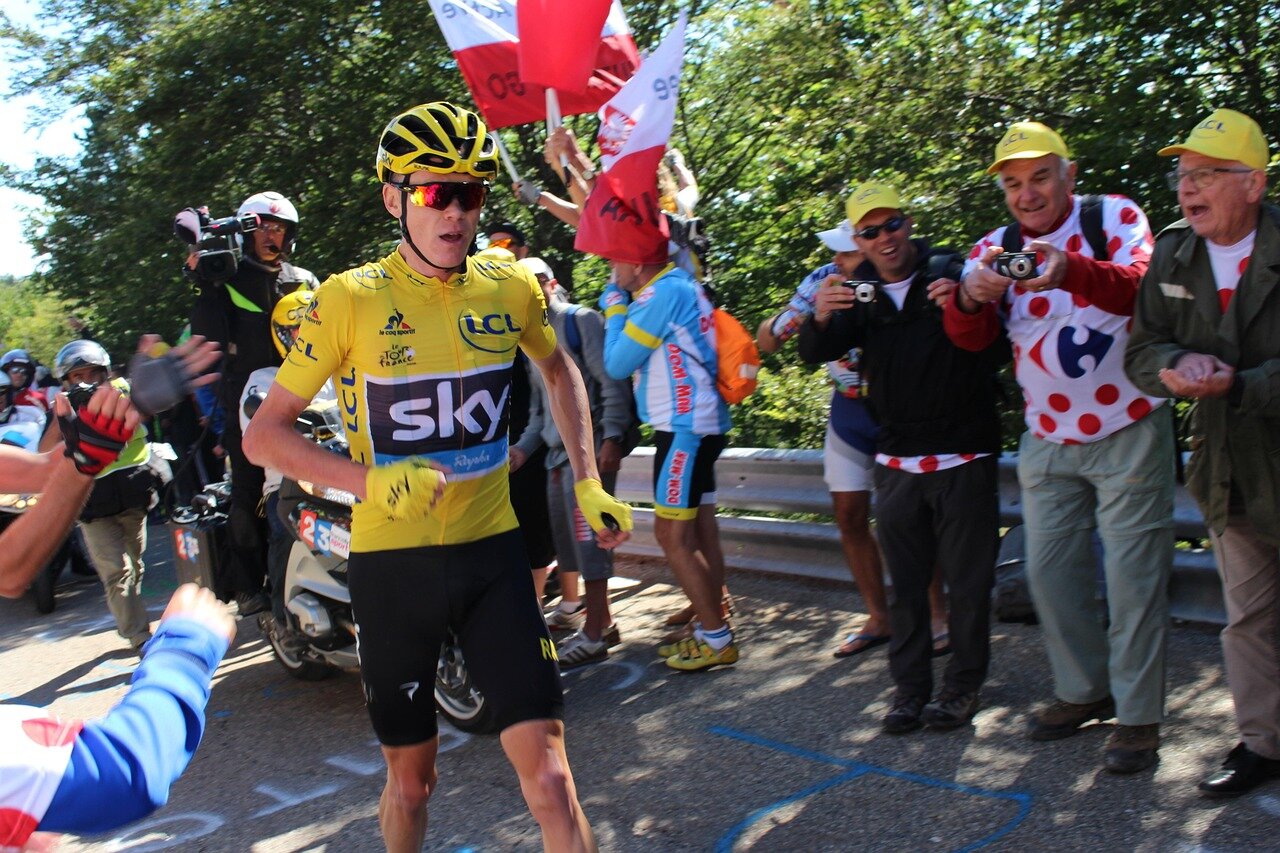
Froome’s career included victories in some of the most prestigious races in cycling, and his contributions to Team INEOS were pivotal. As the cycling community reflects on his legacy, discussions about the impact of injuries on athletes’ careers are likely to gain prominence.
A look back at Froome’s illustrious career and the crash
Chris Froome, a name synonymous with cycling excellence, carved out an impressive legacy over his career, marked by four Tour de France victories and numerous accolades. His journey began in Kenya, where he honed his skills before moving to Europe, where he would face fierce competition and harsh conditions. Froome’s determination and resilience saw him rise through the ranks, ultimately becoming one of the sport’s most celebrated figures.
However, the trajectory of his career took a dramatic turn on June 12, 2019, when Froome suffered a near-fatal crash during a reconnaissance ride for the Critérium du Dauphiné in France. The accident, which resulted in severe injuries including a broken femur, elbow, and ribs, not only threatened his life but also raised questions about his future in professional cycling. The incident served as a stark reminder of the inherent dangers faced by athletes in high-stakes sports.
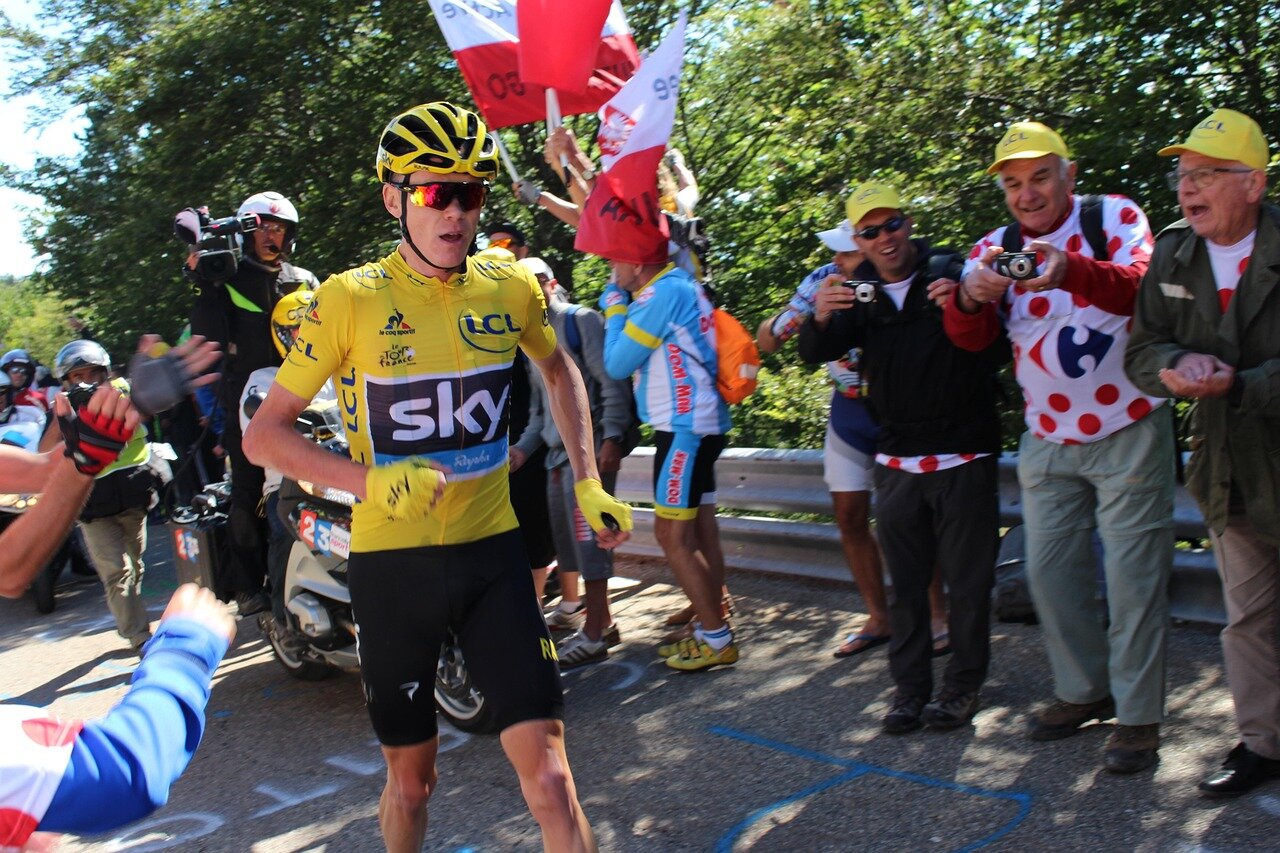
In the wake of the crash, Froome underwent numerous surgeries and a grueling rehabilitation process. He displayed remarkable fortitude, vowing to return to competitive cycling, a testament to his indomitable spirit. Despite his efforts, the road to recovery proved to be fraught with challenges, and many began to speculate whether he would ever regain his former prowess, much like other athletes facing similar situations, as discussed in recent articles.
The impact of injuries on athletes
Froome’s situation is not unique; many elite athletes have faced similar crossroads due to injuries. The psychological and physical toll of such events can be overwhelming, often leading to retirement or significant changes in career paths. The cycling community rallied around Froome, reflecting on the broader implications of injury in sports, highlighting the need for better safety measures and support systems for athletes navigating recovery.
As Froome officially announced his retirement nearly a year after the crash, it marked the end of an era in professional cycling. His decision resonated deeply within the cycling world, where he is remembered not just for his victories but also for his resilience in the face of adversity. Froome’s story serves as both an inspiration and a cautionary tale about the fragility of athletic careers and the relentless pursuit of excellence.
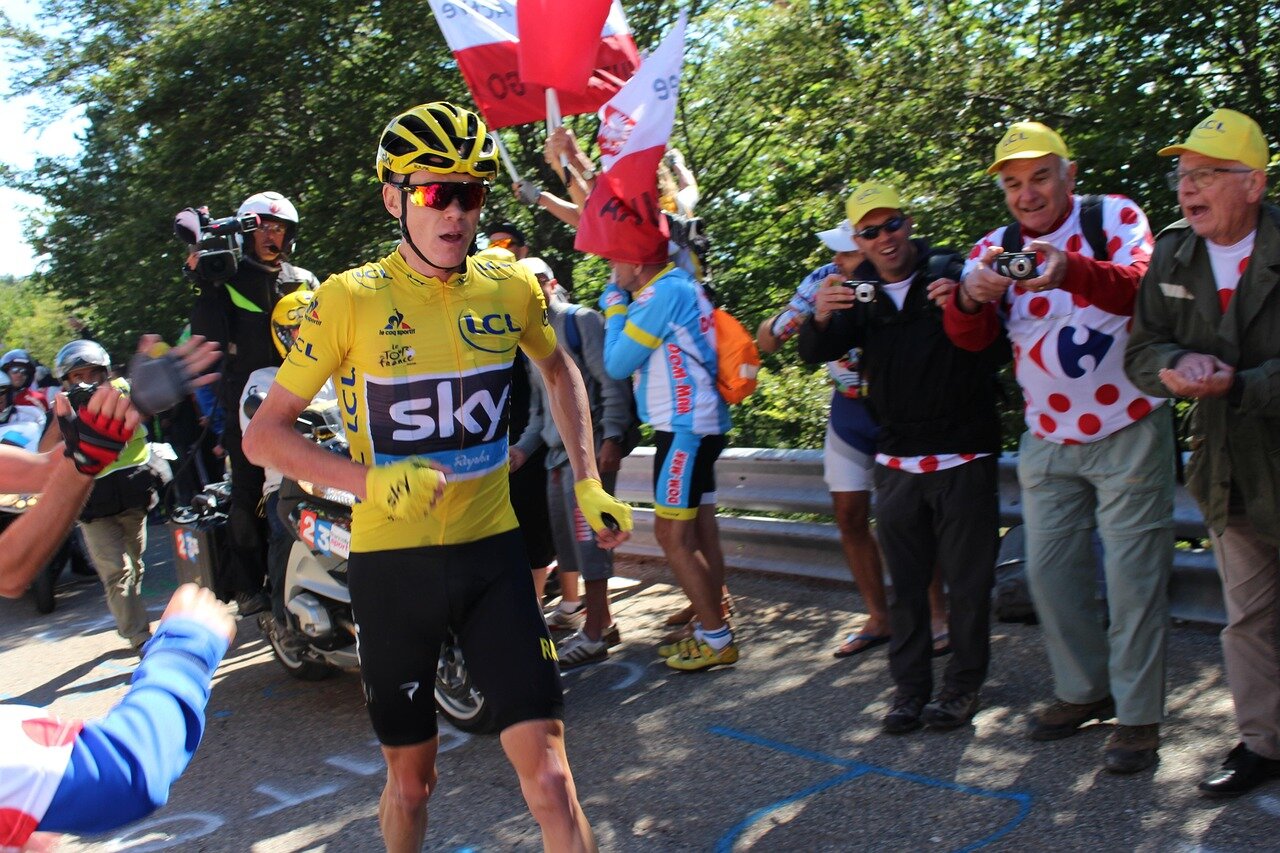
The implications of Froome’s retirement for the cycling community
Chris Froome’s retirement marks a significant moment not only for the athlete himself but also for the broader cycling community, which has witnessed his remarkable career and resilience following a life-threatening crash. His departure from professional cycling raises questions about the future of the sport, the impact on team dynamics, and the potential shifts in sponsorships and fan engagement.
The main actors involved in this scenario include Froome, his team (Israel-Premier Tech), cycling governing bodies like the UCI, and fans and sponsors who have invested in his career. Froome’s interests have shifted from competing at the highest level to focusing on his health and legacy, while his team must now navigate the implications of losing a prominent figure and the associated financial repercussions.
Key issues surrounding Froome’s retirement include:
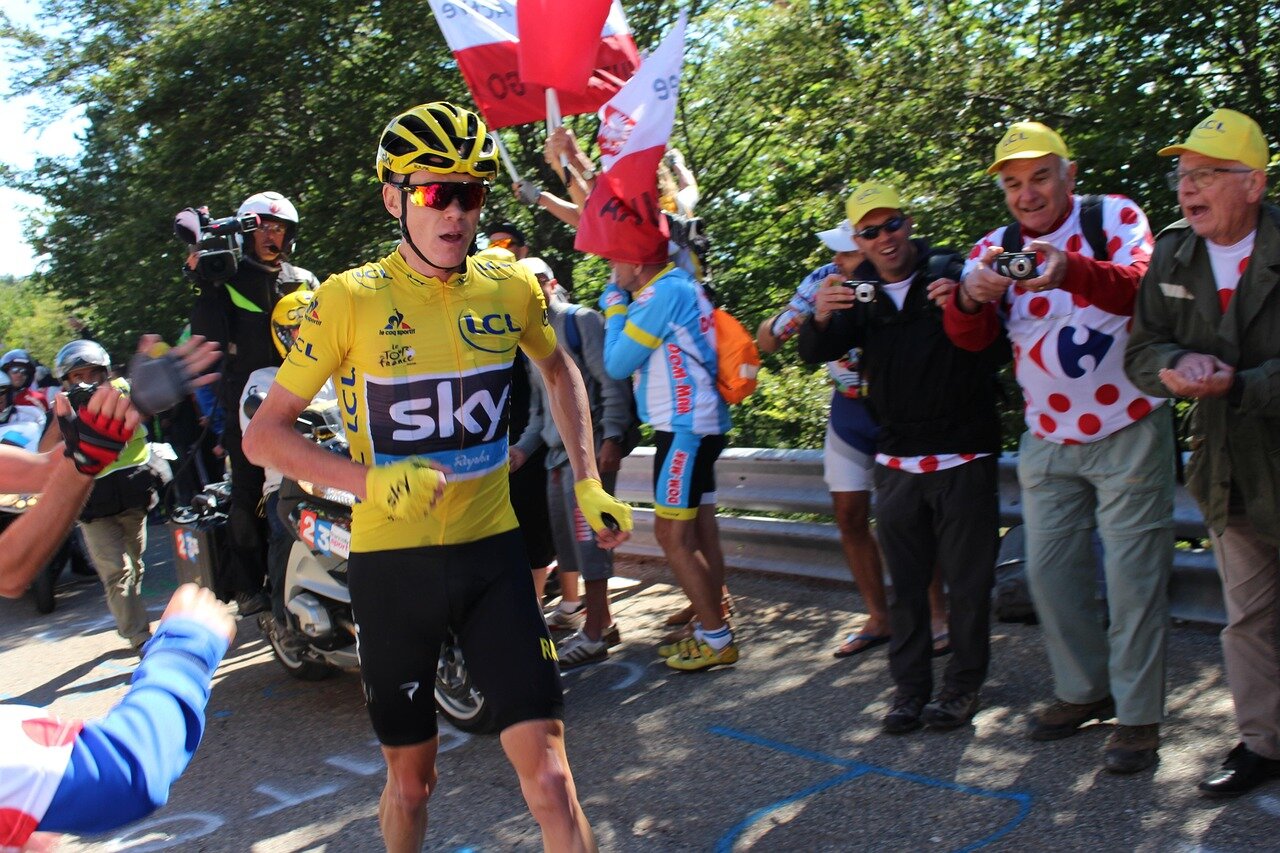
- Team Dynamics: The loss of a seasoned leader may affect team morale and performance, requiring adjustments in strategy and roles.
- Sponsorship Challenges: Froome’s retirement could lead to shifts in sponsorship deals, prompting teams to reassess their marketing strategies and partnerships.
- Fan Engagement: With Froome’s departure, teams and organizations may need to find new ways to engage fans who have followed his journey.
- Health and Safety Regulations: His accident has highlighted the need for ongoing discussions about safety measures in cycling, which could lead to changes in regulations.
- Future Talent Development: Froome’s legacy may inspire a new generation of cyclists, prompting teams to invest more in youth development programs.
As the cycling world processes Froome’s retirement, the focus will likely shift to how his absence will reshape the competitive landscape and influence the next generation of cyclists. The interplay of these interests and issues will be crucial in determining the direction of the sport in the coming years.
How Froome’s decision affects fans and the cycling market
Chris Froome’s retirement marks a significant moment not only for his fans but also for the cycling industry as a whole. His journey from a near-fatal crash to retirement has left many supporters heartbroken, while simultaneously raising questions about the future of professional cycling. The impact of his departure reverberates through various sectors, including sports marketing, merchandise sales, and cycling tourism.
In the short term, fans may experience a sense of loss and nostalgia as they reflect on Froome’s achievements. Events that once featured him prominently may see decreased attendance and engagement. Additionally, sponsors who relied on Froome’s image for brand promotion might face challenges in adjusting their marketing strategies, which could lead to a temporary decline in associated revenues.
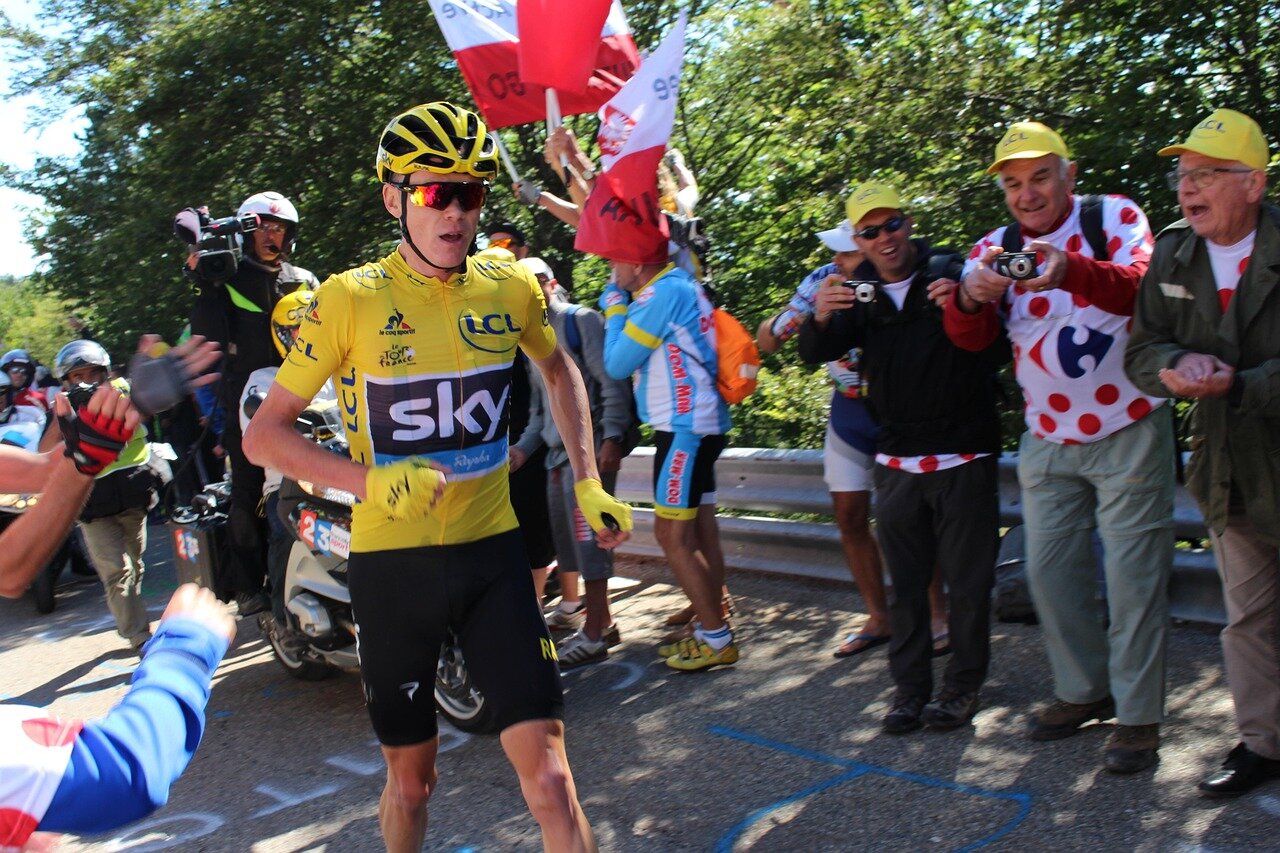
On the business side, the cycling market may face both risks and opportunities. The absence of a high-profile athlete like Froome could deter new fans from entering the sport. However, this situation also opens the door for emerging cyclists to step into the spotlight, potentially revitalizing interest and competition within the sport.
- Short-term impacts: Decreased fan engagement, reduced sponsorship revenues.
- Mid-term impacts: Shift in marketing strategies, potential rise of new cycling stars.
- Opportunities: Increased focus on grassroots cycling initiatives, growth in cycling tourism.
Regions that have historically supported Froome, such as the UK and Kenya, may also feel the effects of his retirement. Local cycling clubs and communities could experience a decline in participation rates, but they might also harness this moment to inspire a new generation of cyclists. As the cycling community adapts, there is potential for increased investment in youth programs and local events, fostering a more inclusive environment for aspiring athletes.
A: Chris Froome decided to retire due to the long-term effects of a near-fatal crash he experienced almost a year ago, which significantly impacted his ability to compete at the highest level. A: Chris Froome is a four-time Tour de France winner and has achieved numerous victories in other prestigious races, solidifying his status as one of the sport’s greats. A: The cycling community has expressed a mix of sadness and respect, acknowledging Froome’s contributions to the sport and the challenges he faced in recent years. A: Froome’s retirement will require his team to adjust their strategies and possibly seek new leadership, as he was a key figure in their success. A: While Froome has not confirmed specific plans, he has expressed interest in staying connected to the sport in some capacity, possibly through mentoring or coaching.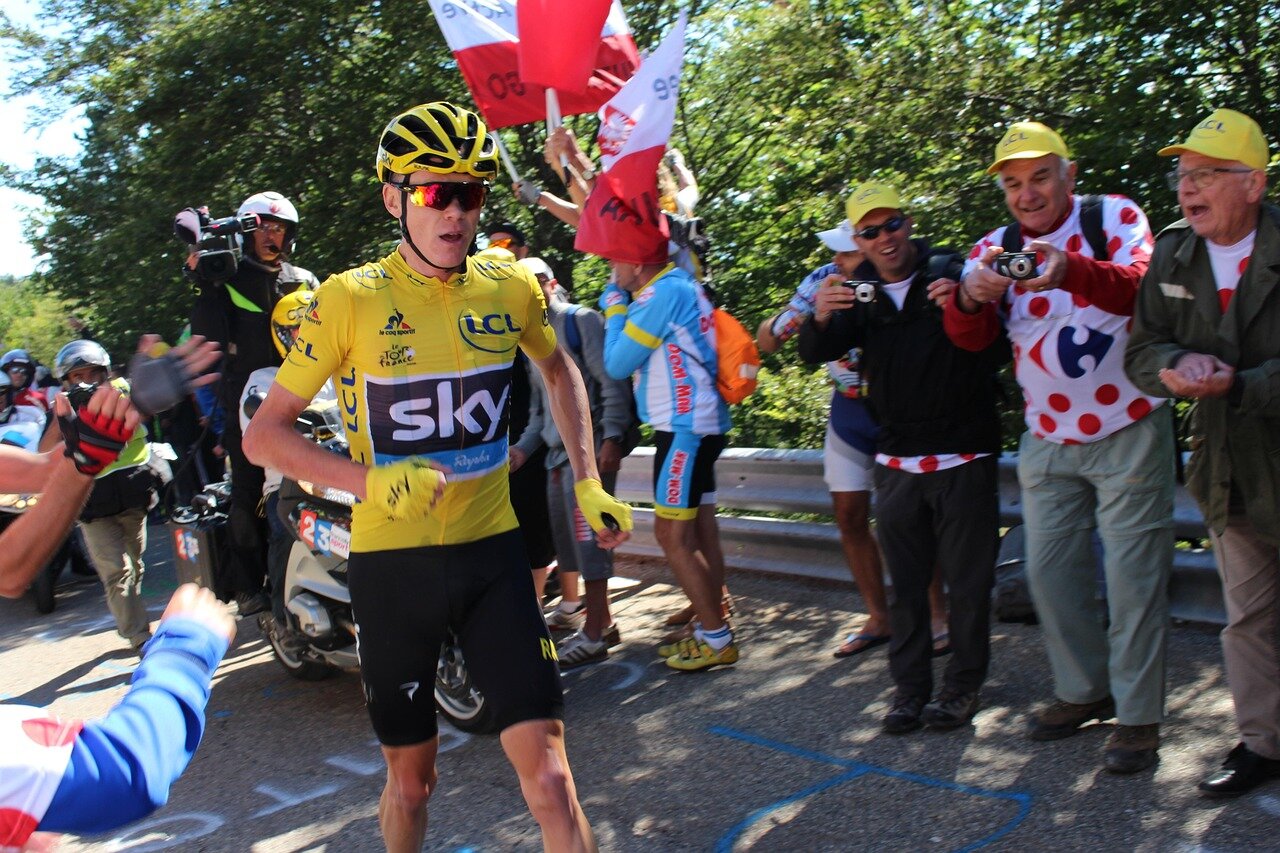
Frequently asked questions about Froome’s retirement
Reflecting on Froome’s legacy and the future of cycling
Chris Froome’s retirement marks the end of an era for professional cycling, as one of the sport’s most prominent figures steps away from competition. His journey, particularly following the devastating crash that nearly ended his life, serves as a poignant reminder of the physical and mental challenges athletes face. As Froome transitions into a new chapter, the cycling community must consider the implications of his departure on both the sport and its upcoming talents.
The landscape of professional cycling is evolving, with new athletes emerging and the dynamics of competition shifting. Froome’s legacy will undoubtedly influence future generations, not only in terms of racing strategies but also in the importance of resilience and mental fortitude in the face of adversity.
- Watch for the rise of new cycling stars who may redefine the sport in the wake of Froome’s retirement.
- Expect increased discussions around athlete safety and support systems in professional cycling, particularly after traumatic incidents.
- Consider the potential impact on team dynamics and sponsorships as teams adapt to a post-Froome environment.
- Monitor how Froome’s story influences the narrative around mental health and recovery in sports.