Rivers, who has had a storied career in the NFL, has been a key figure for the Colts since joining the team in 2020. His experience and leadership on the field are seen as crucial, especially as the Colts aim to secure a playoff spot this season. For more insights on recent player performance, check out this article. The team’s coaching staff believes that Rivers can still perform at a high level, despite concerns about his physical condition and mobility.
This matchup against the Seahawks is particularly significant, as both teams are vying for a strong finish in the season. The Colts currently hold a competitive record, and a win against Seattle could bolster their chances of making the postseason. Rivers’ performance will be closely scrutinized, as fans and commentators alike speculate on whether he can defy the odds and deliver a standout performance.
In the lead-up to the game, the Colts have emphasized their confidence in Rivers, highlighting his ability to read defenses and make quick decisions. As the NFL continues to evolve with younger quarterbacks dominating the league, Rivers’ presence as a seasoned player adds an intriguing dynamic to the Colts’ strategy. The outcome of this game could have lasting implications for both Rivers’ legacy and the Colts’ playoff aspirations.
Background on Rivers’ career and recent performance
Philip Rivers, a veteran quarterback known for his prolific passing ability and competitive spirit, has had a storied career in the NFL. Drafted fourth overall by the New York Giants in 2004 and subsequently traded to the San Diego Chargers, Rivers quickly established himself as one of the league’s top quarterbacks. Over his 17 seasons in the NFL, he has amassed over 63,000 passing yards and 421 touchdown passes, ranking him among the all-time greats in the league’s history.
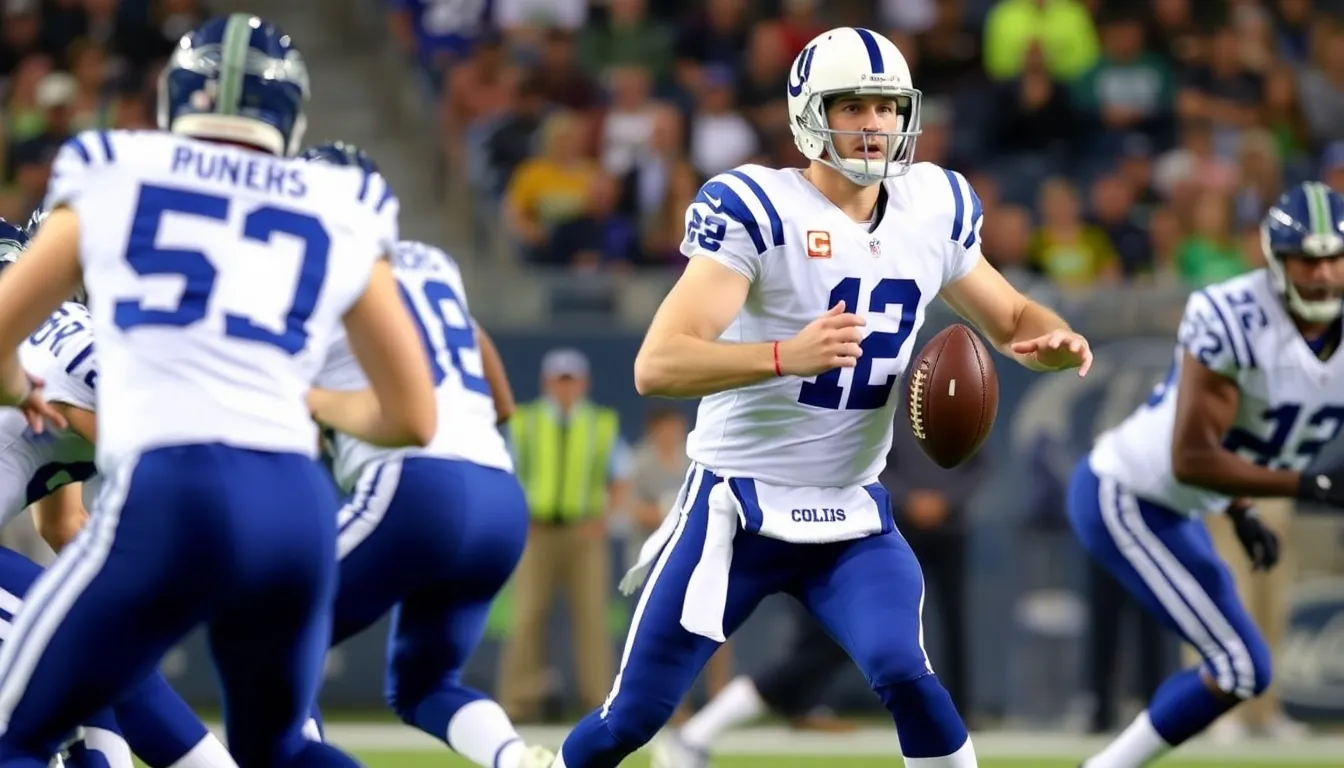
Throughout his career, Rivers has been recognized for his durability and consistency. He famously started 240 consecutive games, a streak that underscores his resilience and commitment to the game. After spending 16 seasons with the Chargers, Rivers signed with the Indianapolis Colts in 2020, where he continued to showcase his leadership and on-field prowess. If you’re interested in how other players are performing in different leagues, check out this article.
The decision to start Rivers at 44 years old against the Seattle Seahawks highlights the evolving landscape of the NFL, where age is increasingly becoming less of a barrier for elite quarterbacks. Recent trends have seen several quarterbacks extending their careers well into their 40s, with players like Tom Brady and Drew Brees setting new standards for longevity in the sport. Rivers’ return to the starting role comes in the wake of injuries to younger quarterbacks on the Colts’ roster, forcing the team to rely on his experience and familiarity with the game.
Historical Context of Aging Quarterbacks in the NFL
The NFL has historically been a league that values youth and athleticism, but the success of older quarterbacks in recent years has shifted this perception. With advancements in training, nutrition, and recovery, many players are able to maintain peak physical condition longer than previous generations. This trend has allowed quarterbacks like Rivers to remain competitive, even as they approach or surpass the typical retirement age for players in the league. As the Colts prepare to face the Seahawks, Rivers’ experience may prove invaluable in navigating the complexities of a high-stakes matchup.
Key factors influencing the Colts’ choice
The decision to start 44-year-old Philip Rivers against the Seattle Seahawks this Sunday is a multifaceted one, involving various stakeholders with differing interests. The Indianapolis Colts, Rivers himself, and the NFL as an organization all play crucial roles in this scenario, each bringing unique perspectives and concerns to the table.
For the Colts, the primary interest lies in securing a competitive advantage in the game while navigating the challenges of their current roster. The team’s management may view Rivers’ vast experience as a potential asset in a high-stakes match against a formidable opponent. However, this choice also raises questions about the long-term implications for the team’s future, particularly in terms of player development and the potential impact on younger quarterbacks.
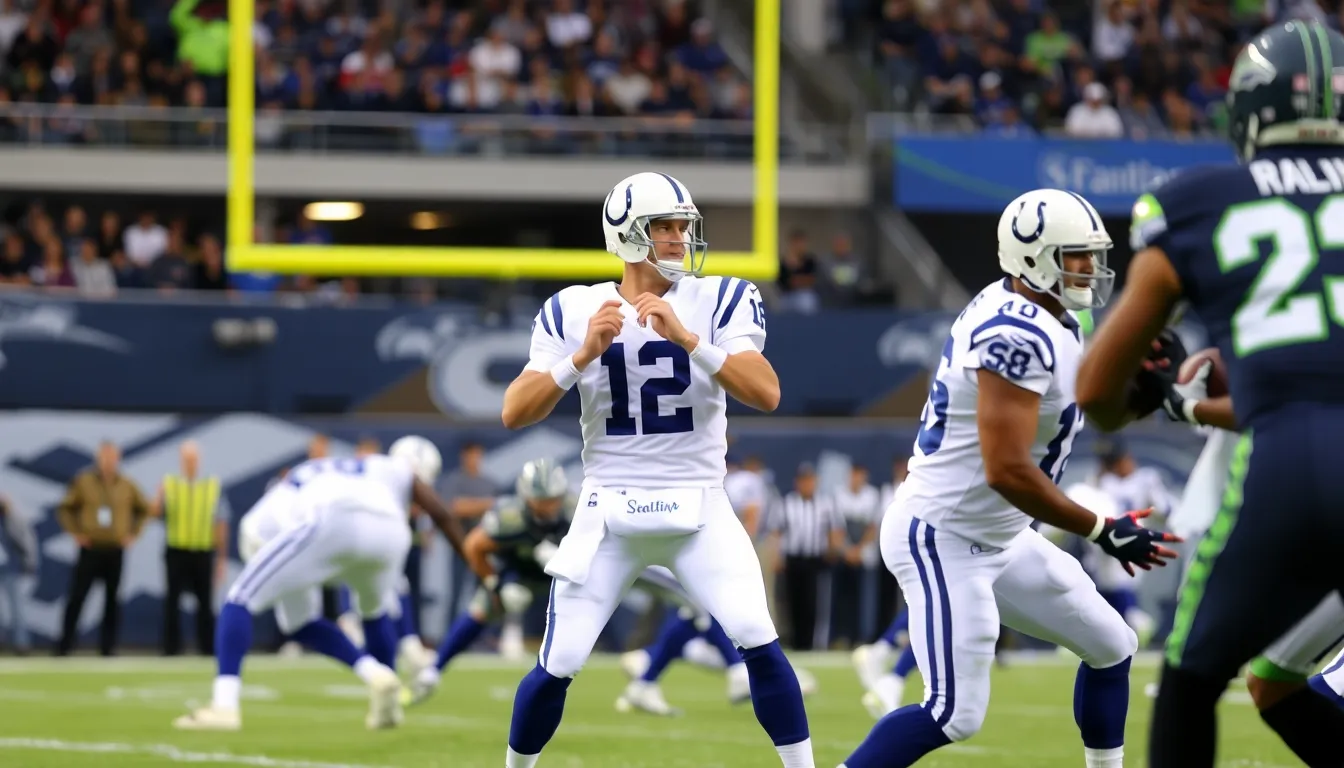
Philip Rivers, as a key actor in this narrative, has his own interests at stake. Having come out of retirement, his motivation may include proving his capabilities on the field and contributing to a team that is in pursuit of playoff contention. Nonetheless, his age brings inherent risks, such as injury and performance decline, which could affect both his career longevity and the team’s success.
From the NFL’s perspective, the league is focused on maintaining competitive integrity while also promoting exciting matchups for fans. The decision to start a veteran quarterback like Rivers may attract attention and viewership, but it also raises concerns about player safety and the message it sends regarding age and performance in professional sports.
- Potential for increased viewership due to Rivers’ experience and legacy.
- Concerns about player safety and the risks of starting an older quarterback.
- Implications for the Colts’ future quarterback strategy and player development.
- Balancing competitive integrity with fan engagement and excitement.
- Impact on team morale and dynamics with younger players in the roster.
Potential effects on the team and the league
The decision to start 44-year-old Philip Rivers against the Seahawks could have significant implications for various stakeholders, including the Indianapolis Colts, the NFL, and its fan base. This unusual choice highlights the aging athlete’s role in a league that typically favors younger talent, potentially affecting perceptions of player longevity and performance. For more on the fate of players as they age, see this article.
In the short term, the Colts may experience a boost in fan engagement and media attention, as Rivers’ veteran status brings a unique narrative to the game. This could result in increased ticket sales and merchandise purchases, benefiting local businesses and the team’s overall revenue. Additionally, the spotlight on Rivers may enhance viewership ratings for the game, impacting advertising revenues for the league.
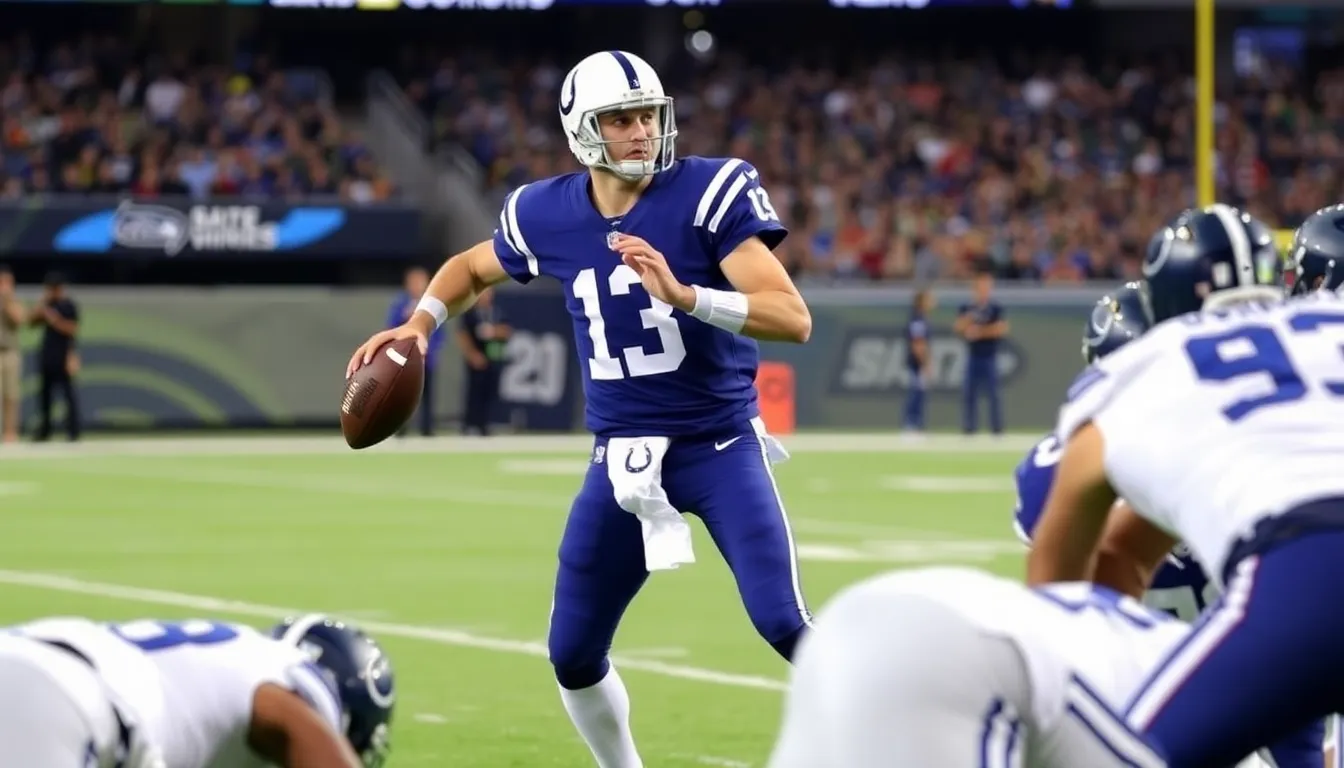
However, there are risks associated with this decision. If Rivers struggles to perform against a competitive team like the Seahawks, it could lead to criticism from fans and analysts alike, potentially damaging the Colts’ reputation and Rivers’ legacy. This pressure may also affect team morale and cohesion, especially among younger players who might feel the weight of expectations.
- Short-term impacts: Increased fan engagement, potential revenue boost for local businesses.
- Mid-term impacts: Possible shifts in team dynamics, changes in public perception of aging athletes.
- Risks: Performance pressure, potential backlash from disappointing results.
- Opportunities: Enhanced visibility for the Colts, potential to set a precedent for older players in the league.
In the mid-term, the outcome of this game could influence team strategy and player recruitment going forward. If Rivers performs well, it may encourage other teams to consider experienced players as viable options, potentially reshaping recruitment policies across the league. Conversely, a poor performance could reinforce the trend of prioritizing younger, more agile athletes in a fast-paced sport.
A: Rivers has extensive experience and has shown he can still perform at a high level. The Colts are looking for leadership and stability as they navigate their season. A: Rivers has had a mixed season, but his veteran presence is seen as crucial for the team’s success in tight games. A: Expectations are high, as the Seahawks are a strong team. The Colts will rely on Rivers’ experience to guide them through this challenging matchup. A: Starting Rivers may indicate a short-term strategy, but the Colts will need to consider their long-term plans for the quarterback position. A: Fans have mixed feelings; some appreciate Rivers’ experience, while others are concerned about his age and potential performance.
Frequently asked questions about Rivers’ start
Looking ahead: What this means for the Colts
The decision to start 44-year-old Philip Rivers against the Seahawks marks a significant moment for the Colts, both in terms of team dynamics and their playoff aspirations. Rivers, with his extensive experience, brings a unique perspective and leadership to a team that has faced its share of challenges this season. His ability to read defenses and make quick decisions could prove crucial in a high-stakes matchup against a formidable opponent like Seattle.
As the Colts navigate this pivotal game, the implications extend beyond just this week. The performance of Rivers will not only impact the team’s immediate chances of success but also shape the future direction of the franchise. With the playoffs on the horizon, the Colts must assess how well they can rely on a veteran quarterback in the long term while also considering the development of younger players on the roster.
- Monitor Rivers’ performance to gauge his effectiveness as a starter in high-pressure situations.
- Watch how the offensive line adapts to protect an aging quarterback against a strong Seahawks defense.
- Evaluate the impact of Rivers’ leadership on younger players and overall team morale.
- Consider the long-term implications for the Colts’ quarterback strategy based on this game.
- Assess how this game influences playoff positioning and potential matchups moving forward.