Recent developments in football shirt design have seen collaborations between renowned designers and football clubs. For instance, in 2022, several national teams unveiled their kits featuring unique cultural elements that celebrate their heritage. These designs have garnered significant attention, highlighting the importance of identity in sports apparel.
Furthermore, the impact of social media on football shirt design cannot be overlooked. Fans are now more involved in the design process than ever before, with many brands hosting competitions and polls to gauge public opinion. For more on this trend, you can read about how Real Madrid and Barca lead the world in social media followers. This interactive approach has led to a surge in creativity and personalization in shirt designs, making them more relatable to supporters.
As the tournament approaches, brands are also focusing on performance-enhancing features in their designs. Advanced technologies such as moisture-wicking fabrics and breathable materials are becoming standard, aiming to improve player comfort and performance on the pitch. These innovations are crucial as teams prepare for the intense competition that lies ahead.
In summary, the current landscape of football shirt design for World Cup winners is characterized by a blend of tradition and modernity. For insights on team preparations, check out the article on World Cup squads announced for the upcoming tournament. With an emphasis on sustainability, cultural representation, and technological advancements, the designs are set to play a significant role in the narratives of the upcoming tournament.

Understanding the history of football shirt designs
The evolution of football shirt designs is intertwined with the history of the sport itself, reflecting changes in culture, technology, and fashion. Initially, football shirts were simple and utilitarian, often made from heavy materials that were not suited for the rigors of play. As the game grew in popularity during the late 19th and early 20th centuries, clubs began to adopt distinct colors and patterns, marking a shift towards identity and branding in football.
By the time the FIFA World Cup was established in 1930, national teams began to embrace unique designs that represented their countries. This was a pivotal moment in football history, as it signified the importance of national pride and unity through sport. If you’re interested in the regulations surrounding the tournament, FIFA allows non-sponsor water battles in World Cup stadiums offers a unique perspective on this.
The impact of technology and sponsorship
As the sport progressed, advancements in fabric technology allowed for lighter, more breathable materials, enhancing player performance. The introduction of synthetic fabrics in the 1970s revolutionized football shirts, providing greater comfort and durability. Additionally, the commercialization of football led to an increase in sponsorship deals, which further influenced shirt designs. Logos and advertisements became prominent features, often overshadowing traditional elements in the pursuit of profit.
In recent decades, designers have also begun to incorporate cultural and artistic elements into football shirts, making them not just sportswear but also fashion statements. Collaborations with renowned designers and brands have resulted in innovative designs that appeal to a broader audience, reflecting the global nature of football and its ability to transcend boundaries.
Today, the design of football shirts is a complex interplay of tradition, innovation, and marketing. Each World Cup brings with it a new wave of creativity, as teams seek to capture the spirit of their nation while also appealing to the ever-changing tastes of fans worldwide. The journey from simple cotton jerseys to the high-tech, stylish garments worn by players today illustrates the dynamic nature of football and its enduring impact on culture and society.

Key stakeholders and issues in football shirt design
The design of football shirts for World Cup winners involves various stakeholders, each with distinct interests and influence. Key actors include the designers, football clubs, national federations, apparel manufacturers, and the fans. Designers aim to create innovative and appealing shirts that resonate with national pride, while clubs and federations seek to enhance their brand image and revenue through merchandise sales.
Apparel manufacturers, such as Nike and Adidas, play a crucial role in the production of these shirts, balancing cost efficiency with quality and design. Their interests often align with the clubs and federations, as successful shirt sales can lead to lucrative sponsorship deals. However, this relationship can lead to conflicts when it comes to design choices, production timelines, and pricing strategies.
Additionally, fans are significant stakeholders, as their preferences can heavily influence the success of a shirt’s design. Their desire for authenticity and connection to their team can sometimes clash with commercial interests, leading to trade-offs between innovative designs and traditional elements. Understanding fan sentiment is crucial for designers and manufacturers alike.
- Design Innovation vs. Tradition: Balancing modern aesthetics with traditional elements can create tension between designers and fans.
- Commercial Interests: Apparel companies prioritize profitability, which may conflict with the artistic vision of designers.
- Intellectual Property Rights: Legal issues surrounding trademark and copyright can arise, especially when incorporating national symbols into designs.
- Global Market Dynamics: Economic factors, such as currency fluctuations and trade policies, can impact production costs and pricing strategies.
- Fan Engagement: Understanding and incorporating fan feedback into designs is essential for successful merchandise sales.
The impact of shirt designs on fans and the market
The design of football shirts for World Cup winners significantly affects various groups, including fans, designers, retailers, and the broader sports industry. Fans often express their identity and loyalty through the shirts they wear, creating a strong emotional connection to their teams. This connection can lead to increased sales and brand loyalty, influencing how merchandise is marketed and sold.
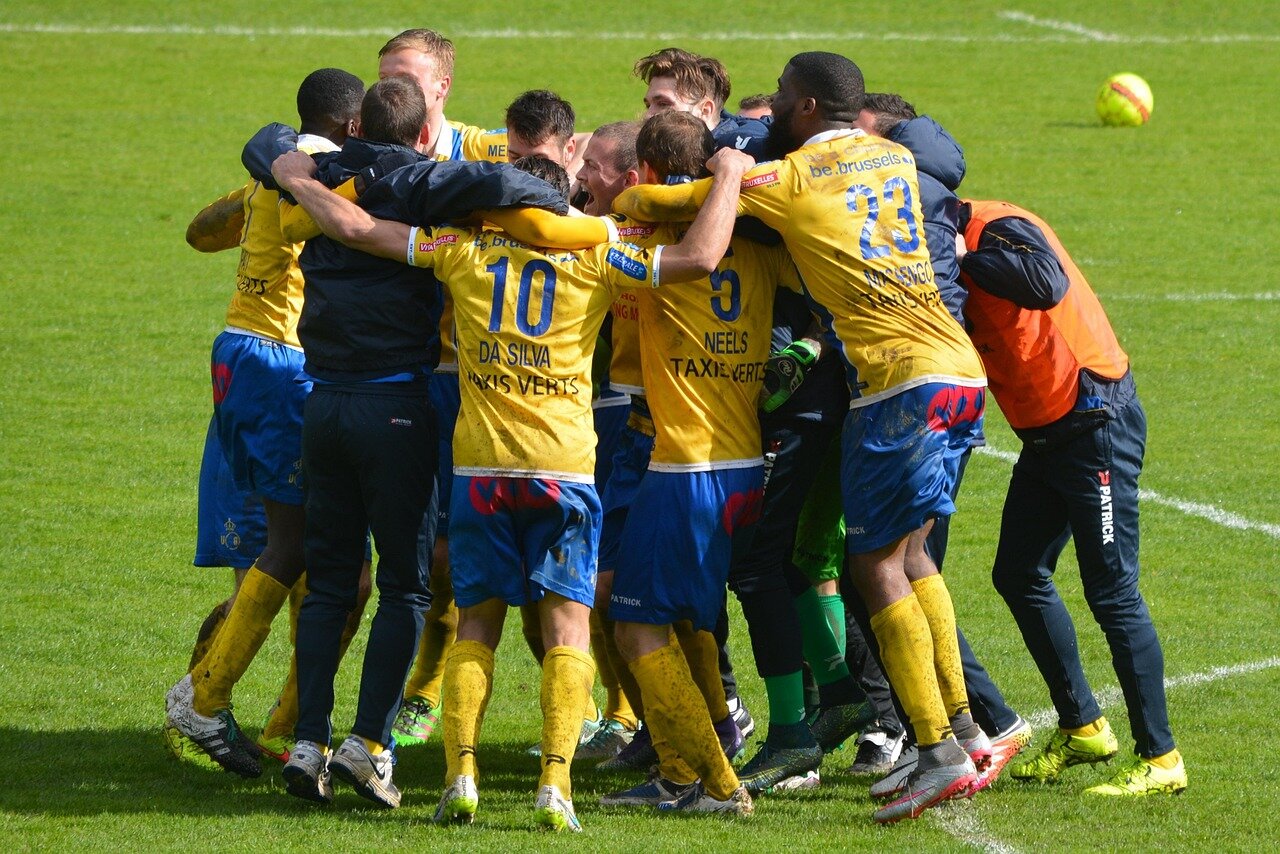
In the short term, the release of newly designed shirts can lead to a surge in sales, particularly during major tournaments. Retailers may experience a spike in foot traffic as fans rush to purchase the latest designs. This can also create opportunities for local businesses, such as sports shops and online retailers, to capitalize on the excitement surrounding the World Cup.
In the mid-term, the impact of these designs can extend to sponsorship deals and partnerships. Successful shirt designs can attract attention from major brands looking to associate themselves with winning teams, leading to lucrative sponsorship opportunities. Additionally, the designs may influence policies regarding merchandise production, sustainability, and ethical sourcing as consumers become more aware of these issues.
- Increased sales: Short-term boost in revenue for retailers and brands.
- Local business growth: Opportunities for local shops to thrive during tournaments.
- Sponsorship opportunities: Attracting brands looking to align with winning teams.
- Consumer awareness: Potential shifts towards sustainable and ethical production practices.
However, there are risks involved as well. If a design fails to resonate with fans, it could lead to unsold inventory and financial losses for retailers. Additionally, the pressure to continuously innovate and meet consumer expectations can strain designers and brands alike, potentially leading to a decline in quality or authenticity in future designs.
A: My passion for football and art drove me to create unique designs that celebrate the sport’s culture and history. A: I consider the team’s identity, historical significance, and current trends in fashion to create visually appealing designs. A: Balancing tradition with innovation can be challenging, as fans have strong emotional connections to their team’s history. A: Feedback from fans has been overwhelmingly positive, as they appreciate the creativity and thoughtfulness behind each design. A: Absolutely, I look forward to bringing new ideas and concepts to life for future tournaments.
Frequently asked questions about football shirt design
Key insights and future outlook on football shirt design
The evolution of football shirt design has not only transformed the aesthetic appeal of the sport but has also become a significant aspect of team identity and fan engagement. As designers explore innovative materials and technology, the intersection of fashion and functionality will continue to shape the future of football apparel. Understanding the preferences of fans and players alike will be crucial in creating shirts that resonate on and off the pitch.
Looking ahead, the influence of cultural trends and environmental considerations will play a pivotal role in the design process. Brands that successfully integrate sustainability into their collections while maintaining a strong connection to the heritage of the sport are likely to lead the market. The next generation of football shirts will not only represent teams but will also reflect broader societal values.
- Innovation in fabric technology will enhance performance and comfort for players.
- Designs that incorporate local culture and history will foster a deeper connection with fans.
- Sustainable practices in production will become a priority for brands, appealing to environmentally conscious consumers.
- Collaboration between designers and athletes will result in unique, personalized shirt designs.
- Digital platforms will increasingly influence shirt sales, with limited editions and fan-designed options gaining popularity.